
Indianapolis is a hidden gem for real estate investors. I’ve watched this Midwest city transform into a hotbed of opportunity.
With its stable economy and growing population, Indy offers a perfect mix of affordability and potential.

The median home price in Indianapolis was $235,000 in November 2022, up 9.3% from the previous year, yet still within reach for many investors. This balance of growth and accessibility makes it an ideal market for both new and seasoned real estate investors.
I’ve seen firsthand how properties here can provide steady cash flow and long-term appreciation.
Are you ready to tap into a market that’s been flying under the radar? Indianapolis has over 70,000 property investment opportunities, including nearly 10,000 listed for sale.
From single-family homes to multi-unit buildings, the options are diverse. I believe now is the time to consider adding Indianapolis real estate to your investment portfolio.
Key Takeaways
- Indianapolis offers affordable real estate with strong growth potential
- The city has a diverse range of investment properties to suit various strategies
- Understanding local neighborhoods and market trends is crucial for success in Indianapolis real estate investing
Understanding the Indianapolis Real Estate Market
Indianapolis offers exciting opportunities for savvy real estate investors. The market’s strength lies in its growing population, rising property values, and robust local economy.
Economic Indicators and Population Trends
Indianapolis is booming! The city’s population has grown steadily, reaching over 876,000 residents. This influx of people drives demand for housing and pushes property values up.
Why are folks flocking to Indy? Jobs, jobs, jobs. The local economy is thriving, with major employers in healthcare, tech, and manufacturing. Unemployment rates are low, and incomes are rising.
I’ve seen firsthand how a strong job market fuels real estate growth. When people have good jobs, they buy homes and invest in property. It’s a virtuous cycle that smart investors can tap into.
Recent Market Performance and Predictions
The numbers don’t lie - Indianapolis real estate is hot. Home values are up 3.2% over the past year, with the average home now worth $276,494.
But here’s the kicker: experts predict this growth will continue. The market is forecast to grow another 2.5% in the coming year. That’s steady, sustainable growth - music to an investor’s ears.
What’s driving this performance? Supply and demand, my friends. Homes in Indy are selling fast, often above asking price. It’s a seller’s market, but one with room for savvy investors to find value.
Key Benefits of Real Estate Investment in Indianapolis
Indianapolis offers real estate investors a unique blend of opportunities. The city’s market provides potential for growth, a strong rental landscape, and varied investment options.
Potential for Appreciation
I’ve seen firsthand how Indianapolis property values have been on the rise. The city’s average home value is $243,688, with an expected annual increase of 1.8%.
This steady growth makes it an attractive market for investors like us.
But why stop at averages? Some areas are projected to see even higher gains. For example, regions like Fort Wayne and Lafayette could see increases up to 2.2%. Isn’t that the kind of growth we’re all looking for?
Remember, real estate is all about location. While some areas may see slight declines, the overall trend is positive. This appreciation potential is a key reason why I’m excited about Indianapolis.
Rental Market Strength
Have you ever wondered why so many investors are flocking to Indianapolis? The answer lies in its robust rental market.
With nearly 800,000 renters, the demand for quality rental properties is sky-high.
This demand isn’t just a flash in the pan. The city is seeing steady construction of single-family homes to keep up.
What does this mean for us as investors? It means a constant stream of potential tenants.
But here’s the kicker - despite this strong demand, Indianapolis remains affordable. This combination of high demand and reasonable prices creates an ideal environment for cash-flow properties. Isn’t that what we’re all after in real estate investing?
Diverse Investment Options
Indianapolis isn’t a one-trick pony when it comes to real estate. The city offers a wide range of investment opportunities to suit different strategies and budgets.
Are you interested in residential properties? Indianapolis has you covered with its booming housing market. Sales prices are increasing by double-digits due to growing buyer demand.
But what if you’re more interested in commercial real estate? Good news! Indianapolis is listed as the state’s best city for commercial real estate investment opportunities.
From single-family homes to multi-unit buildings, from residential to commercial, Indianapolis offers something for every investor. This diversity allows us to spread our risk and maximize our potential returns. Isn’t that the essence of smart investing?
Analyzing Neighborhoods in Indianapolis
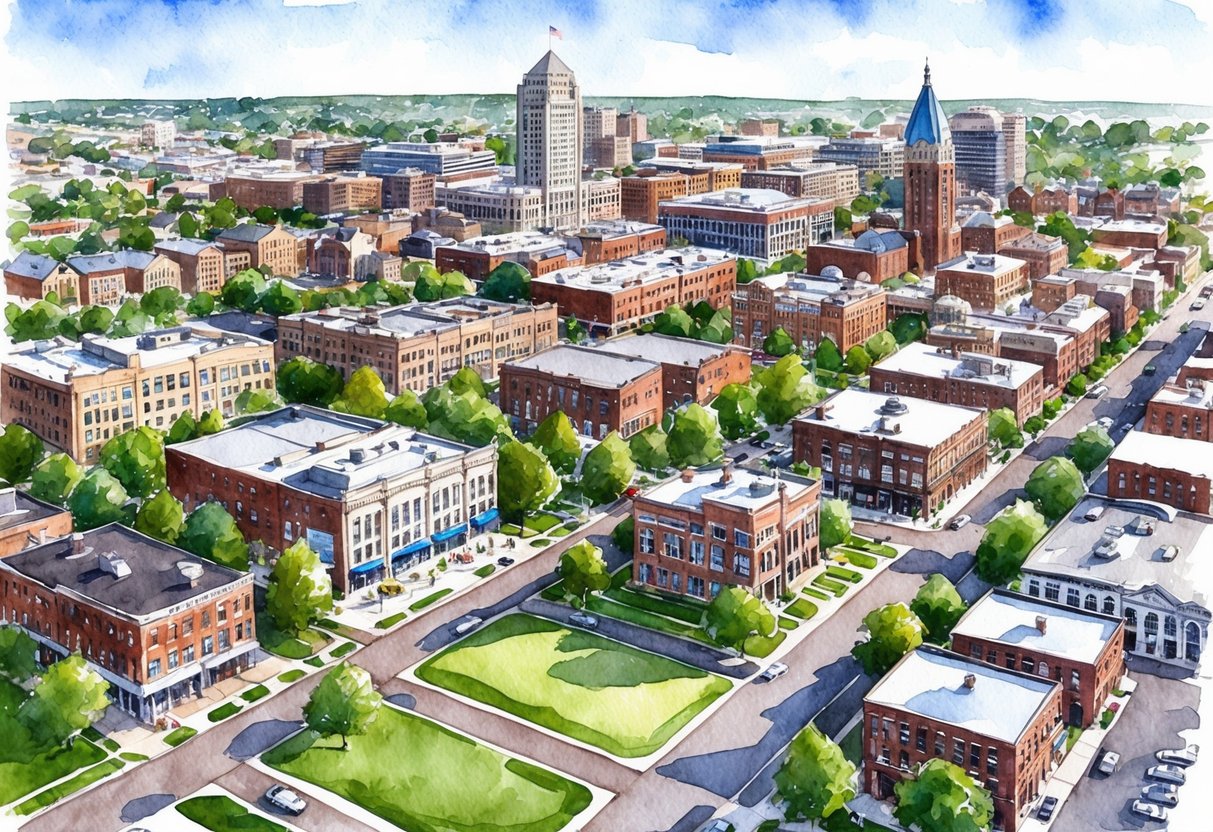
Indianapolis offers diverse neighborhoods for real estate investing. From up-and-coming areas to established districts, each zone presents unique opportunities. Let’s explore the key areas to consider for your next investment.
Up-and-Coming Areas
When I look at Indianapolis, I see potential in several emerging neighborhoods. These areas often have lower property values but show signs of growth.
Have you considered Fountain Square? It’s becoming a hotspot for young professionals and artists. Property values here have been climbing, making it an attractive option for investors.
Near Eastside is another area to watch. With ongoing revitalization efforts, it’s attracting new businesses and residents. I’ve noticed property prices here are still reasonable, but they might not stay that way for long.
What about Bates-Hendricks? This neighborhood south of downtown is seeing a surge in home renovations. It could be a goldmine for fix-and-flip projects or rental properties.
Established Residential Districts
Looking for stability? Indianapolis has several well-established neighborhoods that consistently attract families and professionals.
Broad Ripple is a prime example. It’s known for its vibrant village atmosphere and strong property values. I’ve found that homes here tend to hold their value well, even in uncertain markets.
Meridian-Kessler is another gem. With its beautiful historic homes and tree-lined streets, it’s always in demand. Have you seen the schools in this area? They’re a big draw for families.
Carmel, just north of Indianapolis, is worth considering too. It’s consistently ranked as one of the best places to live in Indiana. The job market here is strong, supporting steady property values.
Commercial and Mixed-Use Zones
Don’t overlook the potential in commercial and mixed-use areas. These can offer diverse investment opportunities beyond residential properties.
Downtown Indianapolis is buzzing with activity. The Mile Square area is seeing a boom in mixed-use developments. Have you considered investing in a property that combines retail and residential spaces?
Mass Ave is another area I’m excited about. It’s a cultural district with a mix of shops, restaurants, and apartments. The foot traffic here can be great for commercial properties.
Lastly, keep an eye on the Eagle Creek area. It’s got a suburban feel but is close to the city. With nearly half the residents renting, it could be ideal for buy-and-hold investors.
Types of Investment Properties
Indianapolis offers various investment properties for savvy investors. Each type has its own advantages and potential for returns. Let’s explore the main options available in this thriving Midwest market.
Single-Family Homes
Single-family homes are a popular choice for investors in Indianapolis. These properties are often more affordable than in other major cities, making them attractive for both new and experienced investors.
I’ve seen many investors start with single-family homes because they’re easier to manage. They typically have lower maintenance costs and attract long-term tenants. This can mean steady cash flow and fewer headaches.
In Indianapolis, you can find great investment properties in various neighborhoods. Some areas have seen double-digit price increases due to growing demand. This appreciation potential is a key factor to consider.
Multi-Family Dwellings
Multi-family properties, like duplexes or apartment buildings, can offer higher returns. They allow you to collect rent from multiple units, potentially increasing your cash flow.
I’ve found that multi-family investments can be more complex to manage, but they often provide economies of scale. You can spread costs across multiple units, which can boost your bottom line.
In Indianapolis, the rental market remains strong. This means multi-family properties can be a solid investment choice. Look for areas with good job growth and amenities to attract quality tenants.
Commercial Real Estate
Commercial real estate in Indianapolis presents unique opportunities for investors. This category includes office buildings, retail spaces, and industrial properties.
I’ve seen investors succeed with commercial properties by focusing on location and market trends. Indianapolis has a diverse economy, which can support various commercial investments.
Commercial leases often run longer than residential ones, providing more stable income. However, they can also require more capital upfront and may have higher vacancy risks. It’s crucial to do your homework and understand the local market before jumping in.
Strategies for Real Estate Investing
Investing in Indianapolis real estate offers exciting opportunities. I’ve found several effective strategies that can help you build wealth and secure your financial future.
Buy and Hold
Buying properties for long-term appreciation is a smart move in Indianapolis. The city’s strong local economy makes it ideal for this strategy.
I recommend focusing on up-and-coming neighborhoods where property values are likely to rise.
Look for single-family homes or small multi-unit buildings. These tend to attract stable tenants and provide steady cash flow. Consider properties near major employers or universities.
When selecting a property, what’s your criteria? I always check the condition of major systems like HVAC and plumbing. It’s crucial to factor in potential repair costs.
Don’t forget about property management. Will you handle tenant issues yourself or hire a company? Budget for this expense if you plan to be hands-off.
Fix and Flip
For those who enjoy a more hands-on approach, fix and flip can be lucrative in Indianapolis. The key is finding undervalued properties in desirable areas.
I’ve had success targeting older homes in established neighborhoods.
What’s your renovation budget? Be realistic about costs and timeline.
Unexpected issues often crop up during renovations. I always add a 10-20% buffer to my initial estimates.
Focus on improvements that boost resale value. Kitchens and bathrooms typically offer the best return on investment.
Don’t overlook curb appeal - a fresh coat of paint and landscaping can work wonders.
Vacation Rental Investing
Short-term rentals are gaining popularity in Indianapolis, especially around major events. This strategy can yield higher returns than traditional rentals, but it requires more active management.
Location is key for vacation rentals. Properties near downtown, sports venues, or popular attractions tend to perform best.
Have you considered what amenities guests expect? Reliable Wi-Fi, comfortable furnishings, and a well-equipped kitchen are must-haves.
Be prepared for fluctuating occupancy rates. How will you market your property?
Platforms like Airbnb and VRBO can help, but you might also consider partnering with local businesses or event organizers.
Remember to check local regulations. Some areas have restrictions on short-term rentals.
It’s essential to stay compliant to avoid potential fines or legal issues.
Financing Your Indianapolis Investment
Securing the right financing is crucial for success in Indianapolis real estate investing. Let’s explore some key strategies to fund your property purchases and maximize returns.
Loan Options and Rates
I’ve found that conventional mortgages are a popular choice for Indianapolis investors. These loans typically offer competitive interest rates, especially if you have a strong credit score.
For a single-family rental, you might snag rates around 5-6% with a 20% down payment.
FHA loans can be attractive for first-time investors. With down payments as low as 3.5%, they open doors for those with limited capital. But remember, you’ll need to live in the property for at least a year.
Are you a veteran? VA loans could be your golden ticket, offering 0% down options on your primary residence.
For larger multifamily properties, commercial loans might be necessary. These often require 25-30% down but can finance properties with 5+ units.
Leveraging Equity
Have you considered tapping into your existing property’s equity? Home equity loans or lines of credit can be powerful tools for financing new investments in Indianapolis.
Cash-out refinancing is another option. By refinancing your current mortgage for more than you owe, you can pull out the difference in cash. This strategy works well when interest rates are low.
But here’s a pro tip: always ensure the potential returns from your new investment outweigh the costs of leveraging your equity.
It’s about making your money work smarter, not just harder.
Creative Financing Strategies
Think outside the box! Owner financing can be a game-changer in Indianapolis. Some sellers are willing to act as the bank, potentially offering more flexible terms than traditional lenders.
Ever heard of lease options? They allow you to control a property with minimal upfront costs. You lease the property with an option to buy later, often at a pre-agreed price.
Partnerships can also open new doors. By pooling resources with other investors, you can tackle larger deals that might be out of reach individually.
Lastly, don’t overlook private money lenders. While rates might be higher, they often offer faster closings and more flexible terms, which can be crucial in competitive markets like Eagle Creek, where properties are selling in just 5 days on average.
The Process of Acquiring Investment Properties

Buying investment properties in Indianapolis takes know-how and strategy. I’ll walk you through the key steps to find and close on promising real estate deals in this market.
Navigating Listings and Offers
I always start by scouring listings for cash-flow properties in Indianapolis neighborhoods with strong rental demand. Are you looking in the right areas? Eagle Creek is one spot to consider - nearly half of residents there rent their homes.
When I spot a potential gem, I move fast. Indianapolis properties are selling quickly, often in just 5 days. I make competitive offers based on:
• Recent comps • Projected rental income
• Renovation costs (if needed)
Pro tip: Build relationships with local real estate agents. They often know about off-market deals before they’re listed.
Conducting Due Diligence
Once my offer is accepted, I dig deep into property details. Have you done your homework? I always:
• Order a professional inspection • Review tax records and title history • Analyze neighborhood trends and development plans • Crunch numbers on potential cash flow
I pay special attention to location factors that impact long-term value. Is the property near good schools? How’s the job market? What about crime rates?
Don’t skimp on due diligence. It’s your safety net against costly surprises down the road.
Closing Procedures
The final stretch! I work closely with my team to ensure a smooth closing:
- Secure financing (if not paying cash)
- Review and sign all documents
- Conduct final property walkthrough
- Transfer funds and close escrow
Are you prepared for closing costs? In Indianapolis, expect to pay 2-5% of the purchase price. This covers things like title insurance, attorney fees, and recording costs.
After closing, I waste no time getting the property ready for tenants. The sooner it’s rented, the faster my investment starts paying off. How quickly can you turn your new purchase into a cash-flowing asset?
Property Management Considerations

Managing rental properties in Indianapolis involves several key aspects. I’ve found that proper maintenance, careful tenant selection, and choosing the right management company can make or break your investment success.
Maintenance and Repairs
I always tell new investors: stay on top of maintenance! It’s crucial for protecting your property value and keeping tenants happy. In Indianapolis, harsh winters can be tough on buildings. I make sure to:
• Inspect and clean gutters regularly • Check heating systems before cold weather hits • Keep an eye out for ice dams on roofs
Don’t forget about summer maintenance too. I schedule AC tune-ups every spring.
Quick response to repair requests is vital. I keep a list of reliable contractors on speed dial.
Remember, a well-maintained property attracts better tenants and commands higher rent.
Tenant Screening and Relations
Finding good tenants is an art and science. I’ve learned it’s worth taking extra time to get this right. My screening process includes:
• Credit checks • Employment verification • Rental history review • Personal interviews
Building positive tenant relationships pays off. I’m always clear about expectations and responsive to concerns.
Happy tenants tend to stay longer and take better care of the property. It’s a win-win!
Local Property Management Firms
Should you manage properties yourself or hire a company? It’s a question I hear often.
If you’re new to Indianapolis or have a large portfolio, a local firm can be invaluable. They know the market inside and out.
Top Indianapolis property managers offer:
• Tenant placement services • Rent collection • Maintenance coordination • Legal compliance assistance
I’ve found that good property management can minimize investment risks. They handle day-to-day operations, freeing you to focus on growing your portfolio.
Just be sure to vet firms carefully. Look for experience, references, and clear fee structures.
Legal and Tax Implications

Investing in Indianapolis real estate comes with important legal and tax considerations. Let’s explore the key regulations and financial benefits you need to know.
Understanding Local Regulations
As an investor, I’ve found that knowing local laws is crucial. Indianapolis has specific zoning rules that affect what you can do with your property.
For example, some areas only allow single-family homes, while others permit multi-unit buildings.
Rental properties in Indy must meet certain standards. The city requires landlords to:
- Maintain safe, clean living conditions
- Provide working plumbing and heating
- Keep electrical systems up to code
Breaking these rules can lead to fines or legal trouble. That’s why I always recommend working with a local real estate attorney when starting out.
Tax Benefits and Obligations
Real estate investing in Indianapolis offers some great tax perks.
One of my favorites is the ability to deduct various expenses related to your properties. This includes:
- Property taxes
- Mortgage interest
- Repairs and maintenance
- Property management fees
But remember, with benefits come obligations.
You’ll need to report rental income on your tax return. And if you sell a property, you might face capital gains tax.
Here’s a pro tip: Consider setting up an LLC for your real estate investments.
It can provide liability protection and potential tax advantages. Always consult with a tax professional to make the most of these benefits.