Ever wonder if your savings could be doing more? Real estate investing in Erie, PA lets me grow my wealth and build income that doesn’t hinge on Wall Street’s mood swings.
With home prices that don’t make my eyes water and steady demand for rentals, Erie really stands out for investors who want stability without the drama of stocks.
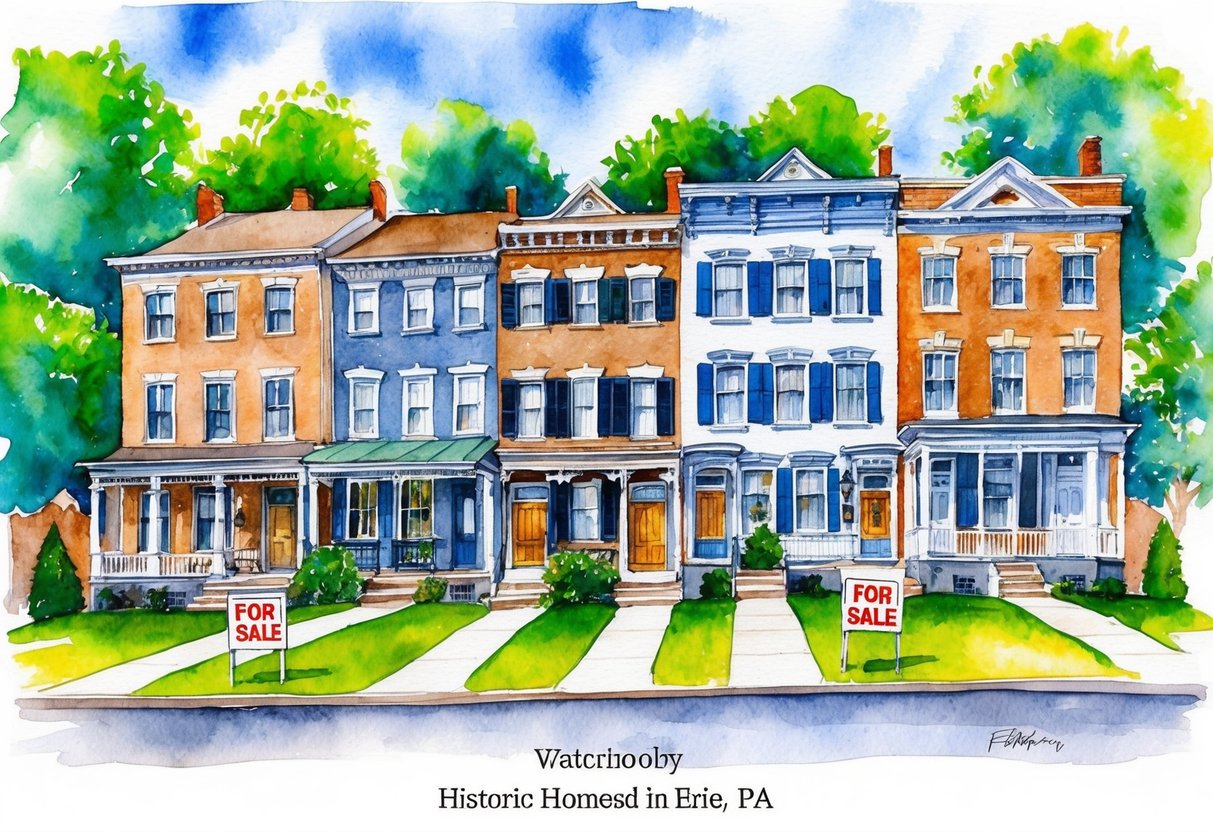
Every time I dig into Erie’s numbers, the cash-on-cash returns for both long-term rentals and short-term Airbnbs jump out at me. Average returns for Erie’s Airbnbs are pushing 10%, which explains why more investors are shifting their attention here instead of settling for whatever their mutual funds hand them.
If you’re tired of hearing “just max out your 401(k)” or “save more,” Erie’s real estate market feels like a breath of fresh air. Why stick to the same old advice when there’s a practical, new path to financial freedom?
Key Takeaways
- Erie, PA is an affordable place to start investing in real estate.
- Rental yields and short-term rental returns are strong here.
- Success takes research and a plan that goes beyond the basics.
Overview of Real Estate Investing in Erie PA
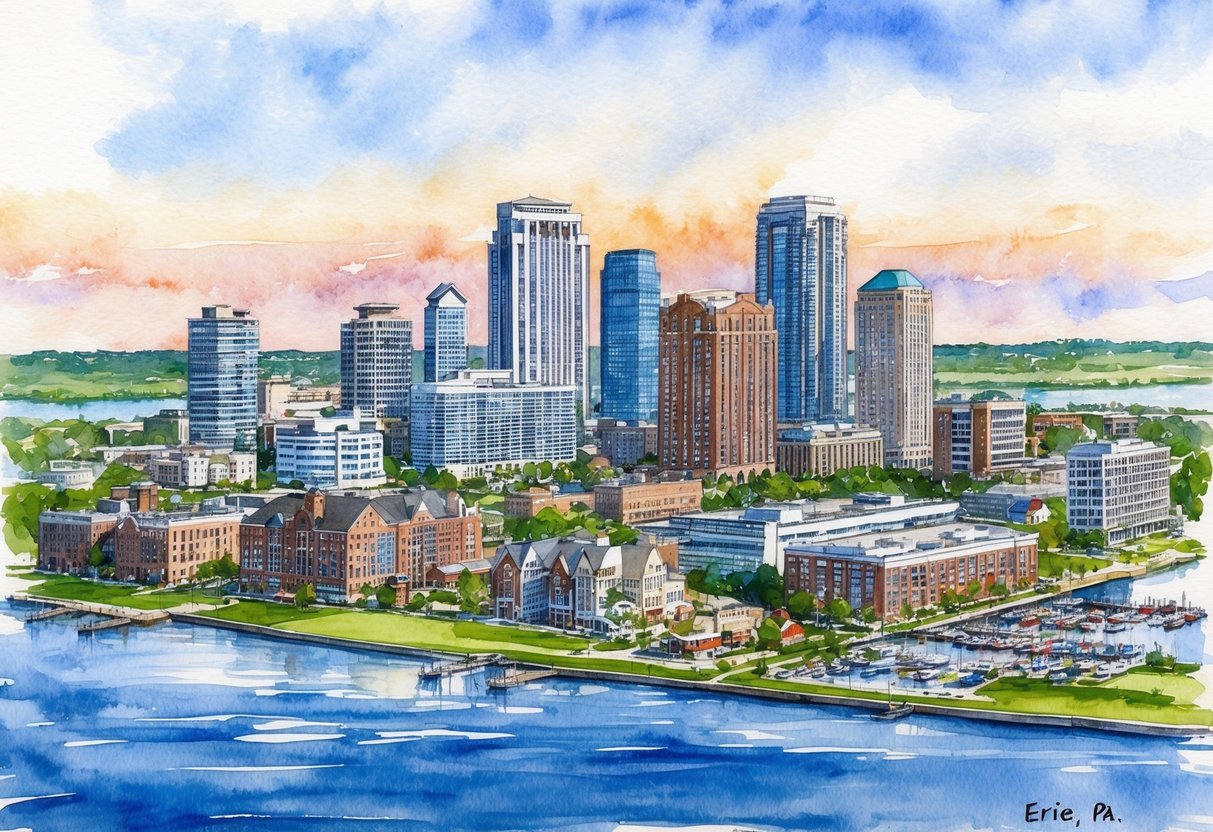
I see a lot of people skipping over Erie, PA, thinking only the big cities have opportunities. But Erie’s market has what value investors crave—steady returns, reasonable prices, and less competition.
It’s not about guessing the next hot spot. I just look at the numbers and the trends that actually matter.
Local Housing Market Trends
Home prices in Erie are, honestly, pretty refreshing. The median value is around $130,000—way below the national average. That’s a huge plus for investors who don’t want to overextend themselves.
Population growth has been just a bit negative, about -0.38% per year for the last decade. That might give some folks pause. But does every winning market need a population boom, or do some of the best deals hide where no one’s looking?
Cash-on-cash returns in Erie are competitive. Traditional rentals average just over 3%. Short-term rentals like Airbnbs nearly hit 10%. Is this the chance to finally diversify your income?
Erie PA Real Estate Market Characteristics
Erie’s market is shaped by its affordability, older but sturdy homes, and a lively rental scene. Most of the houses are single-family properties from decades past, which opens the door for both buy-and-hold and value-add strategies.
Unlike the “hot” markets, I don’t feel like I’m racing against a dozen other buyers. Properties aren’t gone in a flash, so I get time to crunch numbers and negotiate.
I see demand from local renters and out-of-town investors alike. With prices well below the national median, the entry barrier feels a lot lower. More of my investment goes into equity and cash flow, not just fighting inflated prices.
Growth and Investment Drivers
Erie doesn’t chase explosive booms. Instead, it leans on stability—steady rental demand, a mix of jobs, and a cost of living that draws families and retirees.
The local economy has roots in manufacturing, healthcare, and education, all of which keep demand consistent.
Being on Lake Erie also means vacation rentals do well, especially in summer. That’s why Airbnbs here post such strong numbers. Would you rather gamble on wild appreciation, or stack up reliable income from well-placed properties?
A lot of investors buy undervalued homes, fix them up, and rent them out. That way, they get monthly cash flow and long-term equity growth. It’s a balance that’s tough to find in overheated cities.
Key Market Data Snapshot
Metric
Erie, PA
U.S. Average
Median Home Price
$130,000
$204,900
Population Growth
-0.38% per year
Varies
Avg. Airbnb ROI
9.91%
~7%
Avg. Rental ROI
3.07%
~2.5%
You can find more details and stats in this Erie real estate analysis.
Types of Real Estate Investment Opportunities
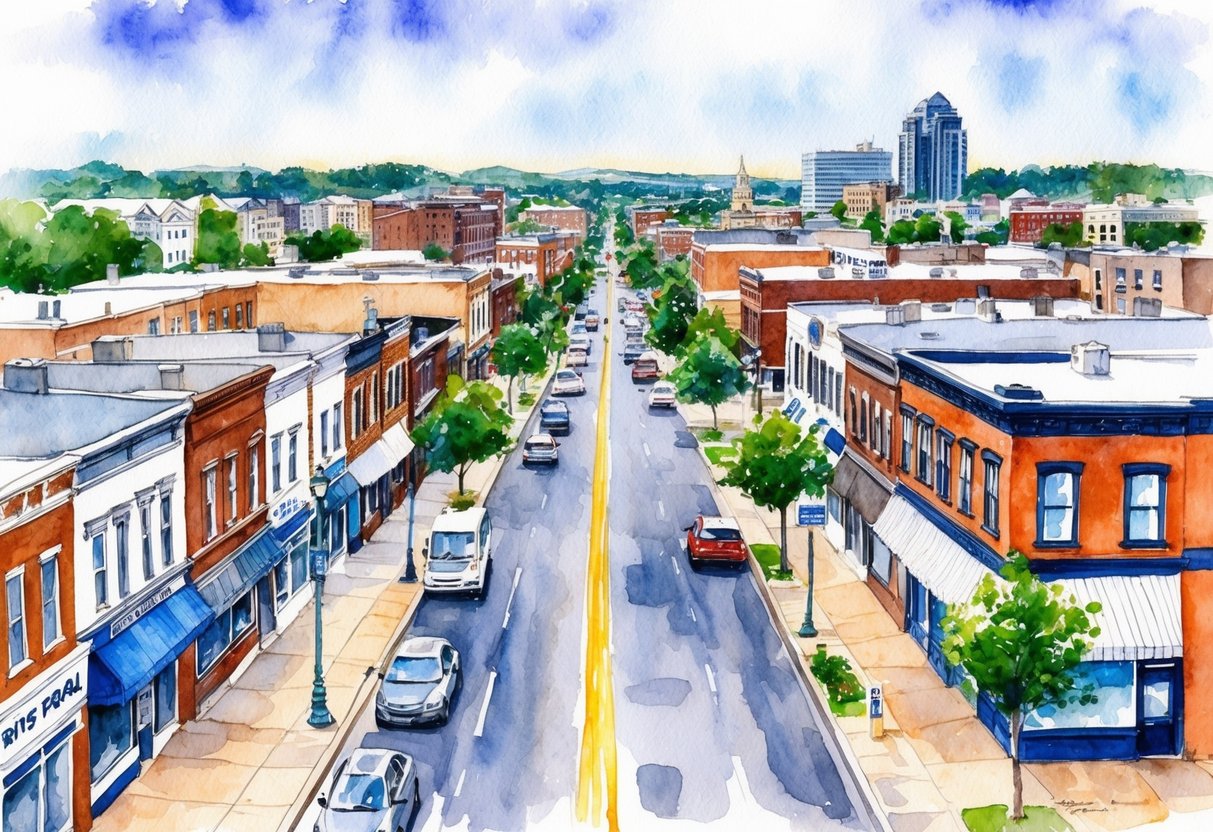
A lot of people wrestle with the same question: how do I make my savings work harder in today’s real estate market? Erie, PA gives you a few solid ways to put money to work outside the usual Wall Street routine.
Each option has its own risks and rewards, and picking the right one can shape your cash flow and your long-term gains.
Single-Family Homes in Erie
When I scan Erie’s listings, affordable single-family homes jump out. Prices are lower than in bigger metros, so getting started doesn’t feel impossible.
Single-family rentals are usually easier to manage and attract long-term tenants, especially small families and working professionals.
Rents for single-family homes stack up well against purchase prices, so cash flow often looks pretty good. But let’s be real—if your one tenant leaves, your income stops until you fill that vacancy.
If I focus on good locations and keep the place updated, I can cut down those empty stretches.
The resale market for single-family homes is steady, so if I ever want to cash out, it’s not a headache. I’m also seeing more landlords try things like buy-and-hold or short-term rentals for extra income.
For more, check out this analysis of Erie’s real estate opportunities.
Multi-Family Properties
Multi-family real estate is my go-to for building passive income that scales. Duplexes, triplexes, and small apartments let me spread risk—if one unit sits empty, the others still bring in rent.
In Erie, these buildings are affordable compared to what you’d pay in big cities, but they still offer steady rental income.
Managing multi-family properties is more work than single-family, honestly. More tenants means more repairs and more to keep track of, but experienced investors don’t seem to mind.
With good screening and a hands-on approach, I can keep turnover and expenses under control.
Right now, multi-family properties are popular in Erie because they balance steady returns with reasonable prices. Some neighborhoods are getting more attention thanks to walkable amenities and better schools.
For a closer look, this investment analysis of Erie’s real estate market is worth a read.
Commercial Real Estate Options
Commercial real estate in Erie covers office buildings, retail spaces, and warehouses. These properties come with higher risks, but the rewards can be much bigger.
Leases tend to run longer, and tenants often handle maintenance and pay higher rents.
The commercial scene here has shifted as shopping habits and remote work have changed. Some investors are getting creative, picking up mixed-use buildings or converting old industrial spots.
I’ve learned that commercial deals demand more research and bigger cash reserves. If I’m up for the complexity, though, the payoff can be huge, especially as Erie’s business scene evolves.
For more data, see how commercial investment compares in Erie County.
Evaluating Home Prices and Rental Yields
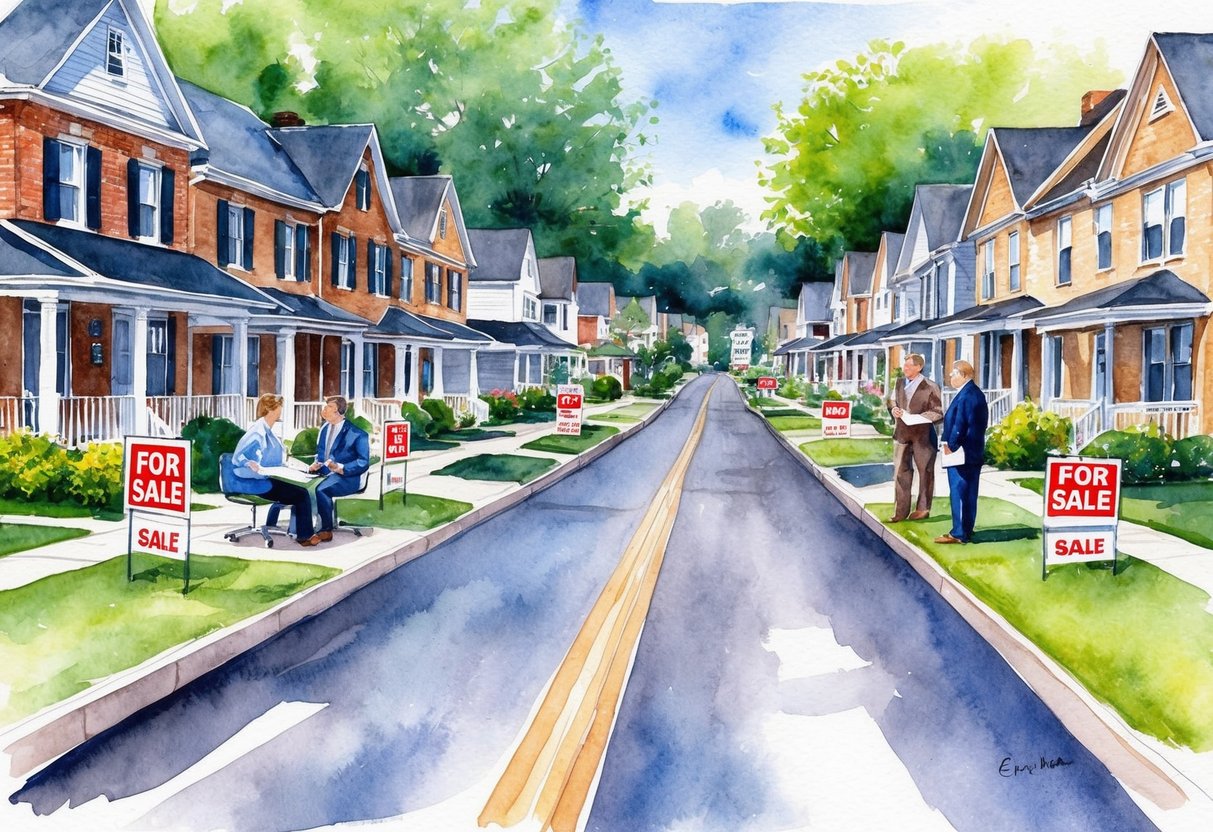
When I look at any investment, I check both what I’m paying and what I can realistically expect to earn each month. I want to know my dollars are working for me, not just sitting there.
Current Home Prices in Erie PA
Most people are surprised when they see how affordable Erie is compared to bigger cities. Right now, the median home value in Erie County is about $130,000.
For context, the U.S. median is closer to $204,900.
What does this mean for me? Lower prices let me get started with less cash or pick up more than one property for the same money I’d spend elsewhere.
I see this as a chance to spread risk and chase more opportunities.
I always budget for possible rehab costs, but they’re not deal-breakers when the starting price is low. Erie’s mix of stability and affordability is rare.
For smart investors, it’s a market full of affordable properties with real potential.
Comparing Rent-to-Value Ratios
People often ask, “Is Erie really good for cash flow?” I ran the numbers. The average cash-on-cash return here is about 3.07% for traditional rentals and nearly 9.91% for Airbnbs.
Let’s break that down. If I buy a $130,000 house and rent it for $1,100 a month, that’s $13,200 a year in gross rent.
The rent-to-value ratio is about 10.1%. That’s honestly impressive for a market this size.
Compared to high-cost cities with slim margins, Erie stands out. For me, it means Erie isn’t just affordable—it’s profitable.
You can get into the details with tools that look at the profitability of Erie real estate investments.
Getting the right ratio isn’t just about money—it’s about knowing my investment is working for me, even when I’m not thinking about it.
Key Factors to Consider Before Investing
Not every real estate deal is a winner. Some homes look cheap until hidden costs pop up, and certain neighborhoods can make or break your returns.
Neighborhood Analysis
When I check out a property, I don’t just see bricks and beams—I picture the story behind its spot. In Erie, I focus on neighborhoods where jobs are steady, schools are decent, and crime stays low.
Why do those things matter? Tenants want stability, safety, and a shot at opportunity.
I always look into future development plans nearby. Roads, shopping centers, or new factories could drive up home values.
Access to highways, hospitals, and airports is on my radar too. Properties close to big attractions or business hubs usually pull in more interest from renters and buyers.
I dig into local trends like population growth and vacancy rates. When a community’s growing, there’s a better chance folks will stick around.
For more on what makes Erie appealing, I check out guides about affordability and strong economic prospects.
Property Condition and Required Repairs
Every investor I respect inspects properties closely, and I do the same before dropping a dime. Cosmetic fixes are easy, but hidden issues—old wiring, a failing roof—can eat up profits fast.
I write down every repair I spot. Plumbing, electrical, roof, HVAC, foundation—I estimate costs for all of them.
An unexpected $15,000 roof bill? That’ll ruin returns in a hurry. Sometimes an older home looks like a steal, but those renovation costs flip it into a money pit.
I figure out my expected returns after subtracting realistic repair costs. I often bring in a trusted inspector to catch things I’d miss.
When I negotiate, my repair list gives me leverage to lower the price or push the seller to fix things before closing.
Financing Real Estate Investments
Finding the right financing in Erie, PA is a big deal. A smart strategy gives me leverage to grow my portfolio and make my money stretch further.
Mortgage Options for Erie PA Investors
I see plenty of choices in Erie when it comes to investor-friendly mortgages. Conventional loans are the classic route, needing good credit and solid proof of income.
But that’s not the only way to go. If I want speed and flexibility, private lenders and hard money loans from local companies can help. These lenders sometimes fund deals in days, not weeks, which can make a difference when things move fast.
Some lenders even tailor their products for rentals, rehabs, and flips. For example, I can grab hard money loans in Erie or work with private lenders for investment property loans.
Types of loan options:
Loan Type
Main Benefit
Typical Use Case
Conventional
Lower rates
Long-term rentals
Hard Money
Quick access
Flips & rehabs
Private Money
Flexible terms
Short/long term
Why stick with just one approach? Each loan type has its own pros.
Down Payments and Loan Terms
The down payment usually looms largest. With a conventional loan, I expect to put down at least 20%, especially for non-owner-occupied places.
Some lenders—especially investment-focused ones—might want even more. Terms can really vary.
Hard money loans usually last 6-24 months, with higher interest. These work well if I’m planning to sell or refinance soon.
Conventional loans stretch out for 15 or 30 years, with lower rates. Some programs for experienced investors let me borrow based on a property’s future value, not just what it’s worth now.
Lenders look at my credit, debt-to-income ratio, and the property’s rental potential. If I’ve got a strong record and good numbers, I might get better terms or more wiggle room.
I always make sure I’m comfortable with the monthly payment, rate, and total cost before I sign anything.
Legal and Regulatory Considerations
Investing in Erie real estate means I’ve got to make smart choices inside a web of rules. I need to know how the laws affect my bottom line, my tenants, and honestly, my peace of mind.
Local Zoning Laws
Zoning laws in Erie shape what I can actually do with a property. Planning to run a short-term rental, flip a single-family home, or build multifamily? Each one comes with its own hoops to jump through.
Some zones ban rentals or home businesses outright. Others restrict building types and sizes. A quick call to the planning department can save me a world of hassle.
I always check permitted uses, parking rules, and minimum lot sizes before I get too far.
Here’s a table to clear up what’s allowed in common zones:
Zone Type
Use Allowed
Notes
Residential (R-1)
Single-family homes
No commercial usage
Mixed Use
Residential, some retail
Check for restrictions
Commercial
Retail, office
Some rental allowed
Want to cover all the angles? I review Erie’s zoning maps and touch base with a real estate lawyer. There’s more guidance in this Erie investing guide.
Landlord-Tenant Regulations in Erie
Navigating landlord-tenant laws is huge for protecting my investments and my reputation. Erie follows Pennsylvania’s state rules, but the city adds its own flavor.
Security deposits can’t go over two months’ rent for the first year. Leases need to spell out who covers repairs or utilities.
Eviction isn’t just a matter of changing locks—there are notice periods and court filings to handle. If I’m renting long term, I need to stay on top of local rental license requirements and regular inspections.
Skipping these steps could put my rental income at risk.
Here’s my quick landlord checklist:
- Read Erie’s rental license requirements
- Keep documentation of tenant interactions
- Set clear lease terms to avoid confusion
For a bigger-picture look at rules and regulations in Erie, I check out property investment tips for new investors.
Managing and Maintaining Rental Properties
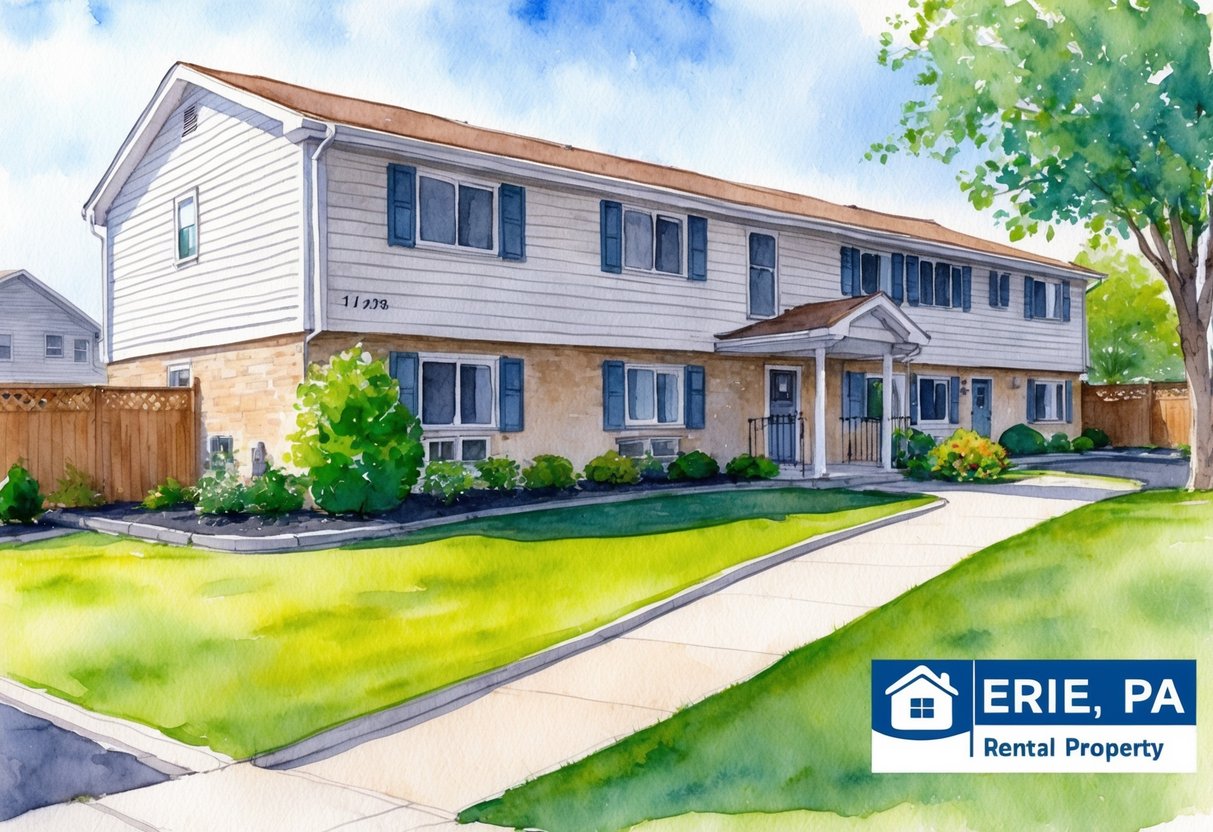
Managing rentals is way more than just collecting monthly checks. Good investors know that smart management and steady upkeep protect both their cash and their sanity.
Hiring Property Managers
Do I really want midnight calls about leaking pipes? That question alone pushed me to look into property managers. Erie has several options that make owning rentals a lot less stressful.
A solid property manager handles everything—finding tenants, collecting rent, dealing with emergencies. Companies like Glowacki Management, Pero Real Estate, and Marsha Marsh Real Estate Services know Erie’s rental scene inside out.
Good managers screen tenants well and get local rental laws, which lowers my risks.
Before I sign up, I always ask about fees, reporting, and maintenance. Some managers offer online portals for tracking payments and repair requests.
When managers are local, they usually have their own network of reliable plumbers, electricians, and handymen. Saves me a lot of time and headaches.
But I never forget—a lousy property manager can drain my wallet, so I check references before handing over the keys.
Routine Maintenance and Repairs
Want to dodge big surprises? I learned the hard way that regular maintenance isn’t optional—it’s essential. Ignoring little repairs leads to bigger, pricier problems.
I keep a maintenance checklist handy. HVAC systems get serviced yearly. Plumbing and electrical? I check those every six months.
Gutters and roofs? I look at them every fall and spring. Staying on top of these things means fewer emergencies.
Many tasks can be scheduled in advance. Big repairs, like a new roof or furnace, need space in the budget.
I also make sure tenants know to report small issues early. Fixing a tiny leak now beats paying for water damage later.
With organized records and a list of trusted local technicians, I keep my rentals profitable and my stress low.
Emerging Trends in Erie PA Real Estate
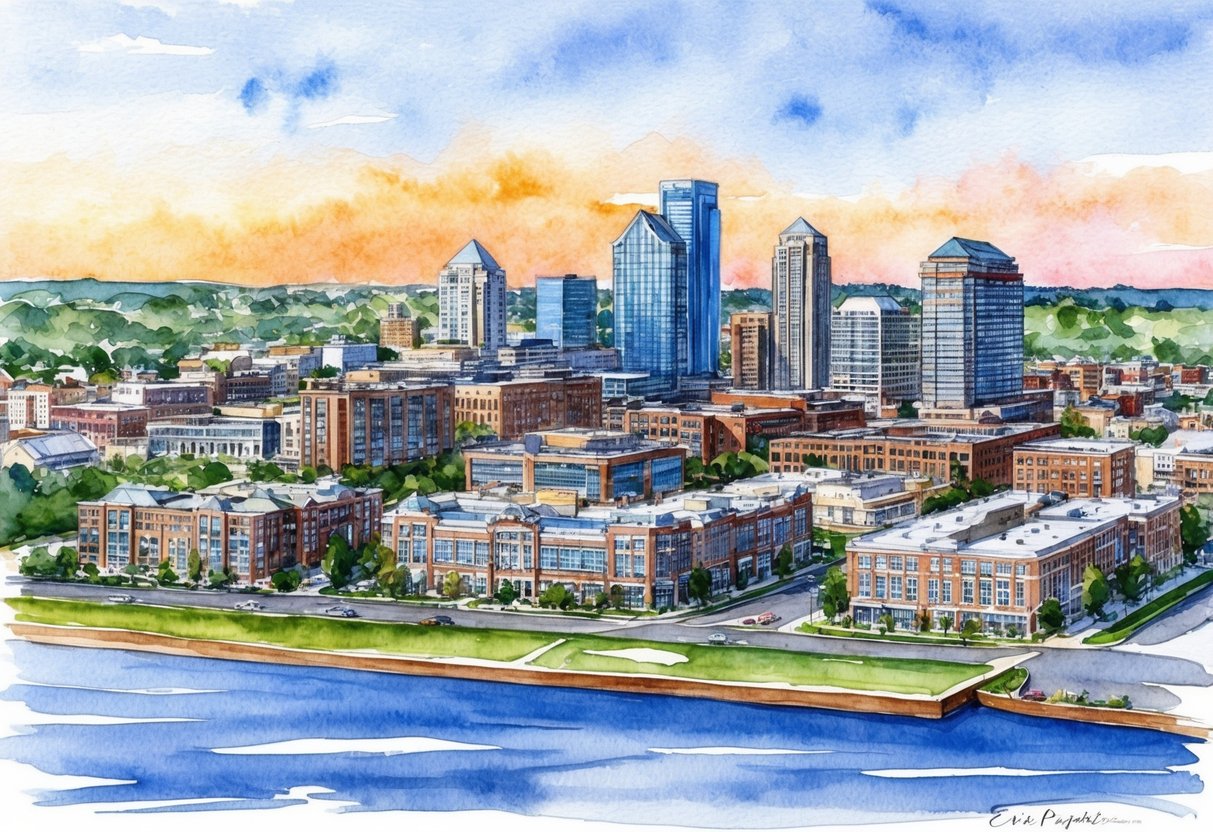
Lately, I’ve noticed real shifts in Erie’s housing market. The rise of short-term rentals and new economic growth are shaking up where the best opportunities might be.
Short-Term Rentals and Airbnb Market
Ever wondered if Airbnb and short-term rentals are still worth it for investors? In Erie, demand’s climbing, especially near Presque Isle and the lake. Tourists want flexible stays.
I’ve checked prices and compared long-term rental yields to Airbnb rates. Short-term often brings in more per month, but there’s a trade-off—vacancy and extra management.
Here’s what I like most:
- Short-term rentals can pull in more cash per night when occupancy’s good.
- Erie’s affordable home prices mean getting started isn’t as risky.
- In the off-season, I sometimes switch to medium-term leases to keep units full.
But local rules are changing. I always keep an eye on zoning and tax updates before diving in.
Competition keeps growing as more owners jump in. The best returns seem to come from homes in prime spots that offer something unique.
Impact of Economic Development Initiatives
Why is Erie suddenly pulling in fresh money and jobs? It’s not just talk—local leaders have really pushed downtown development and offered business incentives.
The new Bayfront projects look promising. Revamped manufacturing spaces are popping up, and that’s attracting both companies and workers.
As these projects move forward, I’ve noticed rental demand climbing, especially for affordable and mid-range units. It’s hard not to see the changes.
For me, the Erie market now feels like one of the strongest in the state. Property values are getting a boost, which opens up more room for appreciation.
Investors who want steady tenants usually find success near these new business hubs and along transit lines. It’s not a guarantee, but the odds seem better now.
Here’s a quick breakdown:
Economic Driver
Impact on Market
Downtown Revitalization
More demand for rentals
Job Growth
Stable property values
Infrastructure Upgrades
Increased tenant interest
Tourism Initiatives
Boosts short-term demand
As Erie keeps changing, I try to stay flexible. I watch how public and private projects shift rental patterns and resale prospects.