
Detroit’s real estate market is buzzing with opportunities for savvy investors. I’ve seen this city transform over the years, and let me tell you, it’s a hidden gem waiting to be discovered.
Real estate investing in Detroit offers high demand, low inventory, and rising prices, creating a perfect storm for potential profits.

Are you tired of the same old investment advice that leaves you feeling stuck? Detroit might be the fresh start you’ve been looking for. With affordable housing prices and a growing rental market, this city is ripe for those willing to take a chance on its revival.
But where should you start? I’ve found that neighborhoods like Belleville and Canton are showing promise. These areas offer a mix of affordability and growth potential that could be just what you need to kickstart your real estate portfolio.
Key Takeaways
- Detroit’s real estate market offers high demand and rising prices for investors
- Affordable neighborhoods like Belleville and Canton present promising opportunities
- Investing in Detroit requires careful analysis of market data and property management strategies
Understanding the Detroit Real Estate Market

Detroit’s real estate market has undergone significant changes in recent years. The city’s revival has sparked interest among investors looking for unique opportunities. Let’s explore the key aspects of this dynamic market.
Historical Market Trends
Detroit’s real estate history is a rollercoaster ride. Remember the city’s glory days in the mid-20th century? Then came the decline, with plummeting property values and widespread foreclosures. But here’s the exciting part - Detroit has been rising from the ashes.
In the early 2010s, you could buy homes for a few thousand dollars. Can you believe that? It was a time of rock-bottom prices and high risk. But for savvy investors, it was also a time of incredible potential.
The market started to turn around in 2013. Home values began to climb, albeit slowly. By 2016, we saw a real shift. More people started moving back to the city, and businesses followed suit. This trend continued, leading to steady growth in property values.
Current Market Indicators
Today, Detroit’s real estate market is showing promising signs. Home prices have risen by 13.7% year-over-year as of February 2024. That’s a significant jump, isn’t it?
The median listing price now stands at $85,300. While this might seem low compared to other major cities, remember where Detroit started. This increase represents a remarkable recovery.
Here are some key indicators to watch:
- Unemployment rate: It’s been declining, boosting housing demand.
- Income levels: They’re on the rise, allowing more people to enter the market.
- Industrial vacancy rate: At 3.3%, it shows strong commercial sector growth.
But what does this mean for you as an investor? It means opportunity. The market is still affordable compared to many other cities, but it’s on an upward trajectory.
Future Market Projections
So, where is Detroit’s real estate market headed? While no one can predict the future with certainty, the signs point to continued growth.
Experts anticipate a shift from the seller’s market of recent years. This could mean more balanced conditions, giving buyers more negotiating power. But don’t let that fool you - demand is still strong.
The city’s ongoing revitalization efforts are likely to boost property values further. Downtown and Midtown areas are seeing particularly strong growth. But have you considered the potential in some of the overlooked neighborhoods?
Here’s something to think about: As more people discover Detroit’s affordability and improving quality of life, demand could surge. Could this lead to a new wave of appreciation? It’s certainly possible.
Key Areas for Investment in Detroit
Detroit’s real estate market offers exciting opportunities for savvy investors. Several neighborhoods stand out as promising areas for those looking to capitalize on the city’s ongoing revitalization.
Downtown Detroit’s Growth
Downtown Detroit has seen remarkable growth in recent years. The area boasts a mix of historic buildings and modern developments, attracting young professionals and businesses alike. I’ve noticed property values increasing significantly here, making it a prime spot for investment.
New restaurants, shops, and entertainment venues have popped up, enhancing the area’s appeal. The Q-Line streetcar has improved connectivity, boosting foot traffic and property demand.
Investors should consider commercial properties or residential units in mixed-use buildings. The growing demand for urban living makes downtown apartments particularly attractive.
Corktown and Its Potential
Corktown, Detroit’s oldest neighborhood, is experiencing a renaissance. Its charming historic homes and trendy atmosphere have caught my eye as an investor hotspot.
The area’s walkability and proximity to downtown make it appealing to young professionals. New developments, like Ford’s renovation of Michigan Central Station, are bringing jobs and further investment to the area.
I’ve seen success with investors buying and renovating older homes here. The neighborhood’s character and growing popularity can lead to strong returns on well-executed projects.
Exploring Woodbridge
Woodbridge offers a unique blend of historic charm and affordability. This neighborhood, just west of Midtown, has been attracting artists and young families.
The area’s Victorian-era homes present opportunities for renovation and resale. I’ve found that carefully restored properties in Woodbridge can command premium prices.
Its proximity to Wayne State University creates a steady demand for student housing. Investors might consider multi-unit properties or single-family homes that can be rented to students or young professionals.
Emerging Neighborhoods
Beyond the well-known areas, Detroit has several up-and-coming neighborhoods worth exploring. Places like Cornerstone Village offer affordable entry points for investors.
I’ve seen promising returns in areas undergoing revitalization efforts. Look for neighborhoods with new businesses opening, improved public spaces, or planned infrastructure projects.
Consider long-term potential when investing in these areas. While they may require more patience, emerging neighborhoods often offer the highest potential for appreciation.
Types of Real Estate Investments
Detroit offers a variety of real estate investment opportunities. As an experienced investor, I’ve found success with several different property types in this market. Let’s explore the main options available.
Single-Family Homes
Single-family homes are a popular choice for Detroit investors. Why? They’re often more affordable and easier to manage than larger properties.
In Detroit, you can find great deals on these homes, with many priced below $100,000.
I’ve seen investors use these strategies for single-family homes:
- Buy and hold for long-term rental income
- Fix and flip for quick profits
- House hacking (living in one part while renting out the rest)
Remember, location is key. Look for neighborhoods with good schools and low crime rates. These areas tend to attract stable tenants and offer better appreciation potential.
Multi-Family Units
Multi-family properties can provide higher cash flow than single-family homes. In Detroit, you’ll find duplexes, triplexes, and small apartment buildings.
Why consider multi-family units?
- More rental income from one property
- Easier to manage multiple units in one location
- Potential for higher returns on investment
Detroit’s multi-family market has been growing. Many investors are converting old homes into multi-unit rentals. This strategy can work well in areas near universities or major employers.
Commercial Real Estate
Commercial real estate in Detroit offers unique opportunities. The city’s revitalization has created demand for office space, retail locations, and industrial properties.
Some commercial options to consider:
- Office buildings
- Retail storefronts
- Warehouses and industrial spaces
Detroit’s commercial market has shown promise in recent years. Vacancy rates have been dropping, and rents have been rising in some areas. But be cautious – commercial investing often requires more capital and expertise than residential.
Short-Term Rentals
Short-term rentals have become a hot investment strategy in Detroit. With platforms like Airbnb, you can tap into the city’s growing tourism market.
What makes short-term rentals attractive?
- Potential for higher nightly rates compared to long-term rentals
- Flexibility to use the property yourself when needed
- Opportunity to cater to business travelers and tourists
Detroit hosts many events and conventions, creating demand for short-term stays. Focus on properties near downtown, sports venues, or popular attractions. Keep in mind that local regulations on short-term rentals can change, so stay informed.
Analyzing Investment Properties
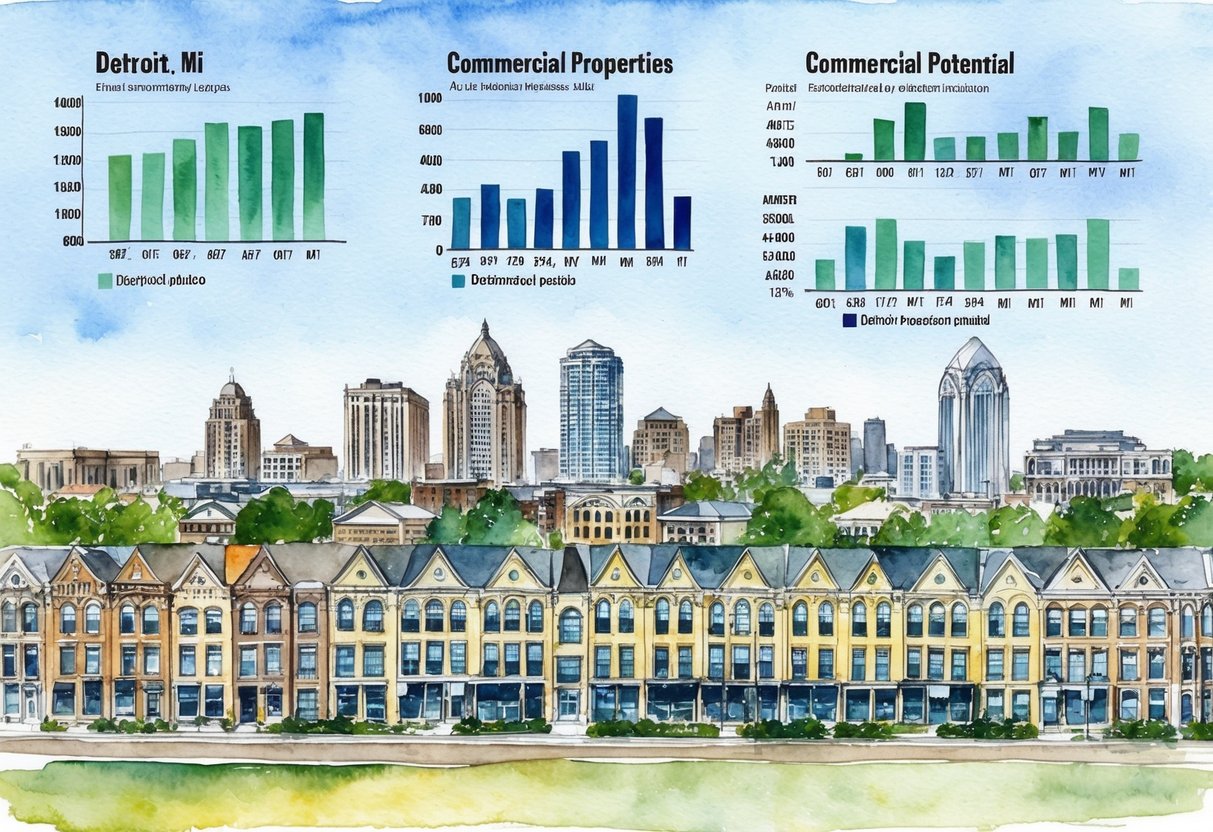
When it comes to real estate investing in Detroit, knowing how to analyze properties is key. I’ve found that successful investors focus on a few critical areas to make smart decisions. Let’s dive into the essential factors you need to consider.
Evaluating Property Values
I always start by looking at property values in Detroit. Over the past five years, home values have skyrocketed by over 122%. That’s huge! But what does this mean for you?
It means opportunity, if you know where to look. The median listing price for a single-family home is $80,000. That’s incredibly affordable compared to other major cities. But remember, not all neighborhoods are created equal.
I recommend using AI-driven tools to analyze market trends and property values. These can help you spot hidden gems before others do. Have you considered using technology to give yourself an edge?
Assessing Rental Rates
Next, I focus on rental rates. This is crucial for determining your potential return on investment.
In Detroit, the rental market is diverse, with options ranging from low-income housing to luxury apartments.
To get accurate data, I suggest:
- Checking online rental listings
- Talking to local property managers
- Using rental estimate tools
Don’t just look at current rates. Try to predict future trends. Is the area gentrifying? Are new businesses moving in? These factors can drive up rental prices over time.
Understanding Property Taxes
Property taxes in Detroit can significantly impact your bottom line. They vary by neighborhood and property type.
Here’s what you need to know:
- Detroit has some of the highest property tax rates in Michigan
- Tax rates can change based on local initiatives or city budget needs
- Some areas offer tax incentives for rehabilitation or new construction
Always factor in property taxes when calculating your potential returns. Have you considered how taxes might affect your long-term profitability?
Real Estate Due Diligence
I can’t stress this enough: due diligence is critical when investing in Detroit real estate. The city’s history of economic challenges means you need to be extra careful.
What should you look for?
- Property condition: Many older homes need significant repairs
- Title issues: Ensure there are no liens or ownership disputes
- Zoning laws: Check if the property can be used as you intend
- Neighborhood stability: Research crime rates and future development plans
I always recommend hiring a local expert to help with due diligence. They know the ins and outs of Detroit’s unique real estate landscape. Have you thought about partnering with someone who knows the local market?
Remember, thorough analysis is your best defense against risky investments. Are you ready to put these strategies into action and find your next great Detroit property?
Financing Your Investment
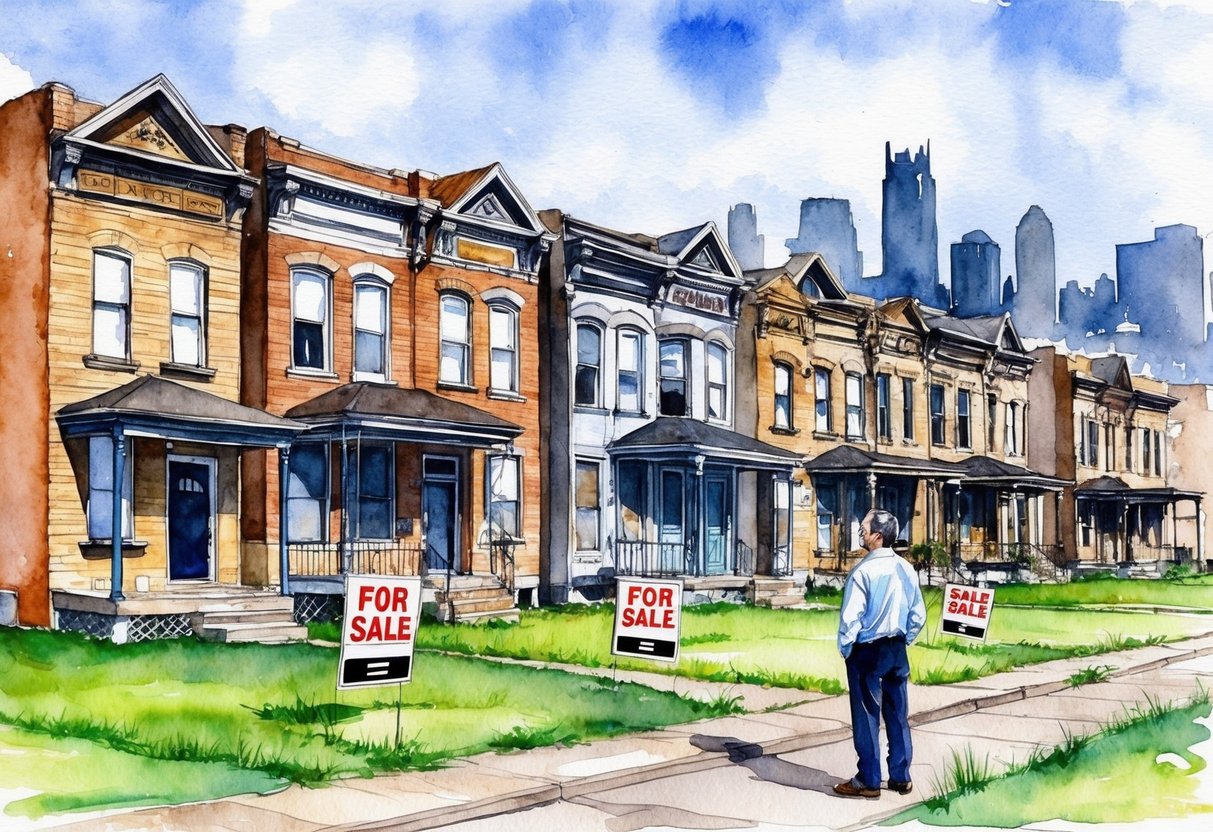
Getting the right financing for your Detroit real estate investment is crucial. Let’s explore some key strategies to fund your next profitable venture.
Traditional Mortgages
Traditional mortgages are a common way to finance real estate investments in Detroit. I’ve found that local banks and credit unions often offer competitive rates for investment properties.
You’ll typically need a down payment of 20-25% for an investment property mortgage. Keep in mind that your credit score plays a big role. A score above 740 can help you secure the best rates.
What if your score isn’t quite there yet? Don’t worry - there are still options.
Some lenders offer portfolio loans that may have more flexible terms. These can be especially useful if you’re buying multiple properties.
Creative Financing Methods
Thinking outside the box can open up new investment opportunities. Have you considered owner financing? This method can be a win-win for both buyers and sellers.
Another option is a lease option, where you lease the property with the option to buy later. This can be a great way to test the waters before committing fully.
Hard money lenders are another route. They focus more on the property’s potential than your credit score. But be prepared for higher interest rates and shorter loan terms.
What about partnering with other investors? This can help spread the risk and increase your buying power. Just make sure you have a solid agreement in place.
Leveraging Investment Capital
Leveraging your existing capital can supercharge your ROI. One strategy I like is the BRRRR method: Buy, Rehab, Rent, Refinance, Repeat. This allows you to recycle your initial investment into multiple properties.
Home equity lines of credit (HELOCs) can be a powerful tool. They let you tap into your primary residence’s equity to fund investment purchases.
Have you thought about self-directed IRAs? These allow you to use retirement funds to invest in real estate. It’s a way to diversify your portfolio and potentially boost your returns.
Remember, cash flow is king in real estate investing. Always run the numbers to ensure your financing strategy aligns with your cash flow goals.
Managing Your Real Estate Assets

Real estate investing in Detroit offers great potential, but success hinges on effective management. Let’s explore the key aspects of managing your real estate assets to maximize returns and minimize headaches.
Property Management Essentials
I’ve found that property management can make or break your investment. Are you ready to handle tenant screening, maintenance, and rent collection? If not, consider hiring a professional property management company.
They’ll handle day-to-day operations, freeing up your time and energy. Regular property inspections are crucial. I schedule them quarterly to catch small issues before they become costly problems.
It’s also smart to build relationships with reliable contractors for repairs and renovations. Setting the right rent is an art and science. I research local market rates and adjust based on property features.
Remember, a slightly lower rent with quality, long-term tenants often beats higher turnover.
Building a Real Estate Portfolio
Diversification is key in real estate investing. Have you considered mixing residential and commercial properties? I’ve found this strategy helps balance risk and cash flow.
Start small and scale up. I began with a single-family home, then expanded to multi-unit buildings. Each property taught me valuable lessons about the Detroit market.
Location matters immensely. I focus on neighborhoods showing signs of growth, like improving schools or new businesses opening. These areas often offer the best potential for appreciation.
Don’t forget about financing options. I use a mix of conventional mortgages, FHA loans, and private money lenders to fund my investments. Each has its pros and cons, so do your homework.
Legal Aspects of Property Management
Understanding local laws is crucial for protecting your investments. Are you familiar with Michigan’s landlord-tenant laws? They cover everything from security deposits to eviction procedures.
I always use written lease agreements tailored to each property. They clearly outline tenant responsibilities, rent terms, and maintenance expectations. This clarity helps prevent disputes down the road.
Fair housing laws are non-negotiable. I ensure my screening process and property management practices comply with all regulations to avoid discrimination claims. Liability protection is essential.
I’ve set up each property under its own LLC and maintain comprehensive insurance coverage. Have you considered an umbrella policy for added protection?
Working with Real Estate Agents and Attorneys
A skilled real estate agent can be worth their weight in gold. They often know about off-market deals and can provide valuable insights into neighborhood trends.
I work with agents who specialize in investment properties and understand my goals. Real estate attorneys are indispensable for complex transactions.
I consult mine for property acquisitions, drafting contracts, and navigating zoning issues. Their expertise has saved me from costly mistakes more than once. Building a team of professionals is crucial.
I have a trusted accountant who understands real estate tax strategies, helping me maximize deductions and plan for future investments. Remember, these professionals work for you. Don’t hesitate to ask questions or seek second opinions. Your success depends on making informed decisions based on expert advice.
Strategies for Maximizing Returns

Detroit’s real estate market offers plenty of ways to grow wealth. I’ve found several approaches that can lead to success when investing in this city.
Buy and Hold for Long-Term Wealth
I always tell my students that buying and holding property is a great way to build wealth over time. In Detroit, this strategy can be particularly effective.
Look for properties in up-and-coming neighborhoods like Midtown, where appreciation rates are on the rise. Why settle for a measly savings account when you can earn passive income from rent?
I suggest focusing on multi-family homes or apartment buildings. These often provide steadier cash flow than single-family homes. Remember, patience is key.
As Detroit continues to revitalize, property values in many areas are likely to increase. This means your initial investment could grow significantly over 5-10 years or more.
Fix and Flip for Immediate Profits
Want faster returns? Fixing and flipping might be your ticket. Detroit has no shortage of older homes ripe for renovation.
The key is finding the right property at the right price. I recommend looking for homes in stable neighborhoods that need cosmetic updates rather than major structural work.
This keeps your renovation costs down and your profits up. Here’s a quick checklist for a successful flip:
- Buy below market value
- Estimate renovation costs accurately
- Know your target buyer
- Work with reliable contractors
- Sell quickly to minimize holding costs
Wholesaling Real Estate
Not ready to buy property yourself? Wholesaling could be your entry point. It’s a way to profit from real estate without owning it. How does it work?
- Find a motivated seller
- Get the property under contract
- Find a buyer (often another investor)
- Assign the contract to the buyer for a fee
The beauty of wholesaling is that it requires little capital to start. It’s also a great way to learn the market and build a network of investors and property owners.
Utilizing Real Estate Investment Groups
Why go it alone when you can pool resources with others? Real estate investment groups offer a way to invest in larger properties that might be out of reach individually.
These groups often focus on apartment buildings or commercial properties. As a member, you own a share of the property and its income. It’s like being a landlord without the hassle of managing tenants.
I’ve seen many investors start small and grow their portfolios through these groups. They’re also a great way to learn from more experienced investors and spread your risk across multiple properties.
Monitoring Market Data with Technology
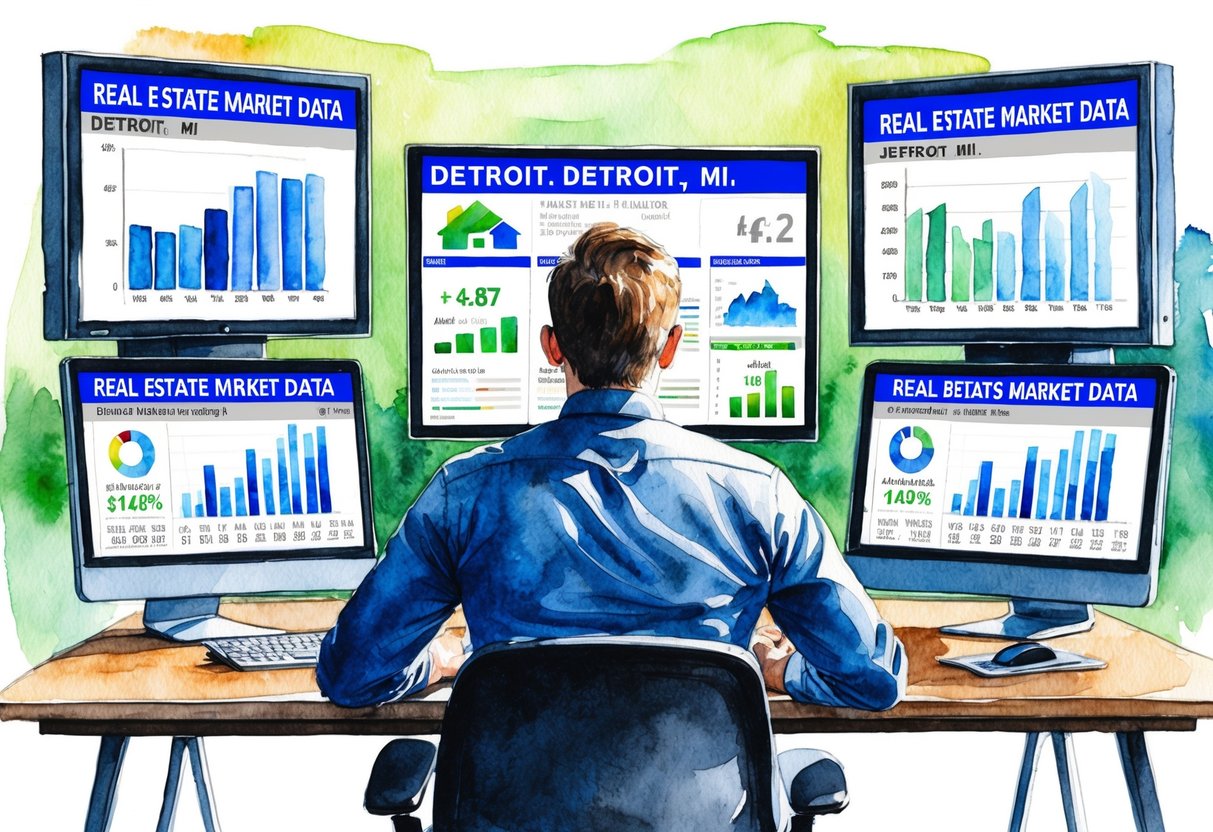
I’ve found that keeping a close eye on Detroit’s real estate market is key to making smart investments. Technology has made this easier than ever before.
Benefits of Real Estate Platforms
Real estate platforms have changed the game for investors like me. I use Zillow to track median home prices in Detroit, which were around $85,000 in early 2024.
These tools give me real-time data at my fingertips. But it’s not just about prices.
I can see how many days homes stay on the market and compare different neighborhoods. This helps me spot trends before others do. I’ve also found these platforms great for understanding the rental market.
With about 51% of Detroit households being renter-occupied, this info is gold for potential landlords.
Data Analysis for Investment Decisions
When I’m considering an investment, I don’t just rely on my gut. I dig into the data.
I look at historical price trends, neighborhood development plans, and economic indicators.
I use spreadsheets to crunch numbers on potential rental income and expenses. This helps me calculate expected returns more accurately.
One trick I’ve learned is to cross-reference data from multiple sources. Why settle for one perspective when you can have many? This approach has helped me avoid costly mistakes.
Have you ever wondered how some investors always seem to be one step ahead? It’s not luck – it’s data.
By mastering these tools, you too can make more informed decisions and potentially boost your returns.