Ever wondered if there’s a smarter way to put your savings to work than just riding out the stock market’s rollercoaster? Real estate investing in Dallas, TX gives you a real shot at growing wealth, with steady opportunities and long-term appreciation.
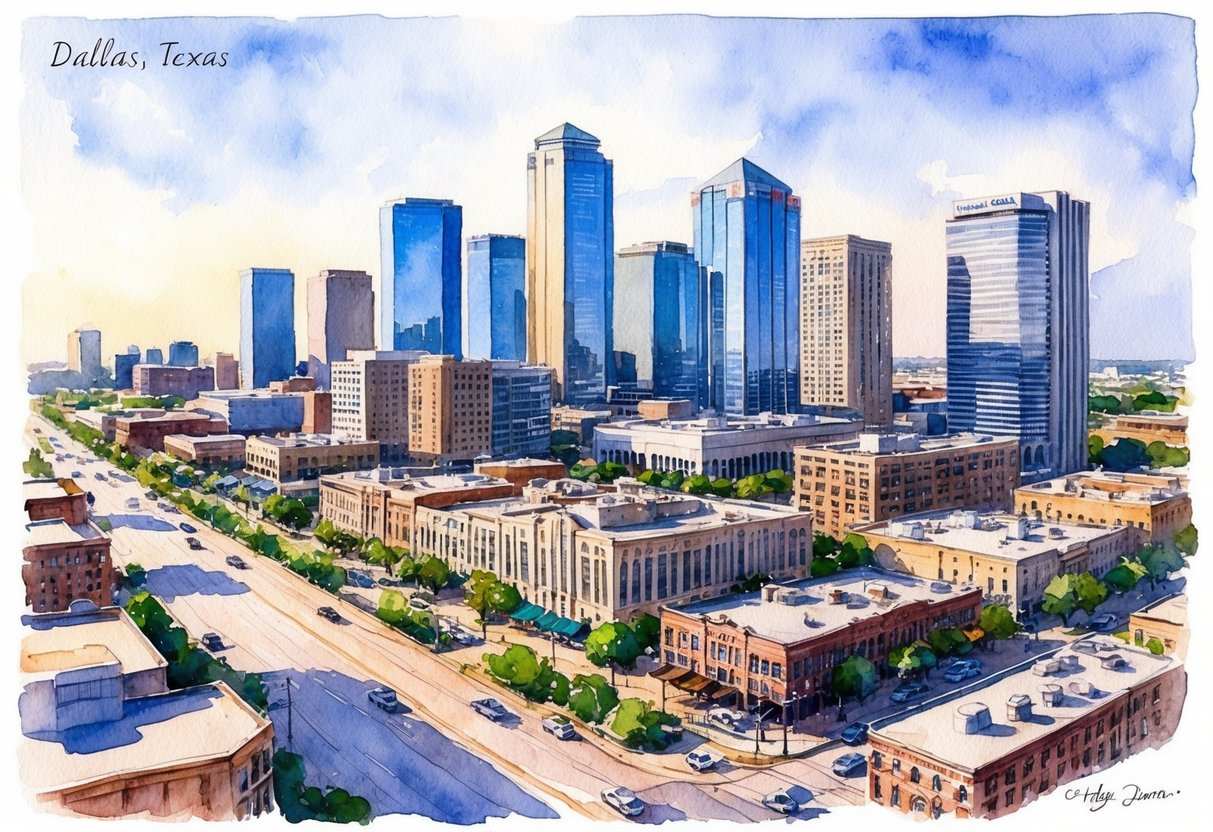
When I wanted more control over my financial future, Dallas caught my attention. It’s got a booming economy, a steady stream of new residents, and high rental demand.
I’m not chasing quick wins or the newest fads here. My focus is on strategies that offer stability, even when other investments get shaky.
Whether you want to dig into the Dallas/Fort Worth market, figure out which neighborhoods have the most promise, or just see how to get started as an investor, I’ve done the research. If you’re ready to rethink your approach and aim for a better retirement, you’re in the right place.
Key Takeaways
- Real estate in Dallas can offer strong opportunities for growing wealth.
- Knowing the market and legal basics helps reduce risks.
- It’s possible to start building passive income and plan for retirement.
Understanding Real Estate Investing in Dallas TX
Real estate investing in Dallas comes with its own set of perks, thanks to strong population growth and a business-friendly vibe. If I want to build equity or collect rental income, I need to know what’s happening locally in the Dallas/Fort Worth area.
Why Dallas Is An Attractive Market
Why do so many investors keep picking Dallas? It sits right in the heart of the DFW metroplex, one of Texas’s fastest-growing regions.
People keep moving in for jobs, better schools, and a lower cost of living. The city’s economy feels rock-solid, supported by industries like tech, health care, and logistics.
Texas doesn’t collect state income tax, and property taxes are relatively low, which makes my returns look a lot better than in other big cities. With rental demand staying high and home values rising, there’s a shot at both cash flow and appreciation.
Dallas has a range of property types—single-family homes, multifamily units, you name it. I get to pick what matches my risk tolerance and goals.
Job growth means fewer empty properties and less stress for folks like me who invest here.
Key Real Estate Investment Strategies
Investing isn’t just about buying any property. It’s about landing on the right strategy for Dallas’s market.
Here are the big three I see working in Dallas: buy and hold, fix and flip, and short-term rentals.
- Buy and Hold: I buy, rent out, and collect steady income. Dallas’s growing population makes this a solid play.
- Fix and Flip: I find undervalued homes, fix them up, and sell for a profit. With tight housing supply, this can pay off.
- Short-Term Rentals: Tourists and business travelers keep certain neighborhoods buzzing, so platforms like Airbnb can work well.
I always have to match my skills, resources, and risk tolerance to the strategy. Picking the right neighborhood and keeping costs in check matter a lot.
Defining Real Estate Investor Types
Who am I as an investor? Knowing my investor type helps me figure out where to focus.
- Active Investors: I want control and bigger returns, maybe even swinging the hammer myself or managing tenants closely.
- Passive Investors: I’d rather keep my day job and let others handle the details. REITs, syndications, and partnerships are good for that.
- Hybrid Investors: Sometimes I mix it up, doing some work myself and hiring out the rest.
Figuring out which style fits my life keeps me from wasting time or money on the wrong deals.
Dallas/Fort Worth Market Overview

Not many real estate markets have the same mix of opportunity and resilience as Dallas/Fort Worth. High demand, new job sectors, and standout neighborhoods all play a part in shaping a real estate scene that actually rewards paying attention.
Current Market Trends
The Dallas/Fort Worth area keeps landing at the top of lists for real estate investment in the U.S. For 2025, reports call DFW the number one market for investment and development. That’s not just talk—it’s backed by real numbers.
Home prices here have climbed, but Dallas still gives you more bang for your buck than most coastal cities. At around $32 per square foot, it’s way below the national average.
Competition is strong, but rental demand keeps up thanks to more people moving in and new jobs popping up. Inventory stays tight, which gives current owners and investors a bit more leverage.
Low supply plus steady demand? That usually pushes prices up and helps with cash flow. Investors who jump in now can ride these trends, as market reports point out.
Popular Neighborhoods for Investment
Some DFW neighborhoods just stand out for investors. Frisco and Plano are favorites for their schools, amenities, and steady price growth.
Families and professionals flock here, so rentals stay filled. Arlington and Grand Prairie work well if you want to be close to both Dallas and Fort Worth.
These spots give you a more affordable entry point and room for appreciation as the metro area grows outward. For urban fans, Downtown Dallas and the Bishop Arts District attract young professionals and keep condos and rentals in demand.
Each neighborhood has its perks, but they all offer access to jobs, schools, and city life. Watching these local trends helps me zero in on the best fit for my strategy.
Growth Factors Impacting the DFW Metroplex
DFW’s real estate market gets a boost from economic growth. Big names like Toyota and State Farm have set up shop here, bringing thousands of jobs.
That job growth drives demand for both rentals and homes. The population is closing in on eight million.
For me as an investor, that means more people needing places to live, higher occupancy, and pressure on prices and rents. Business-friendly policies, low taxes, and constant upgrades to roads and infrastructure don’t hurt either.
It’s no wonder national reports call DFW the best spot for real estate investing in 2025. The region’s growth and solid fundamentals make for a pretty compelling market.
Investment Opportunities in Dallas Real Estate
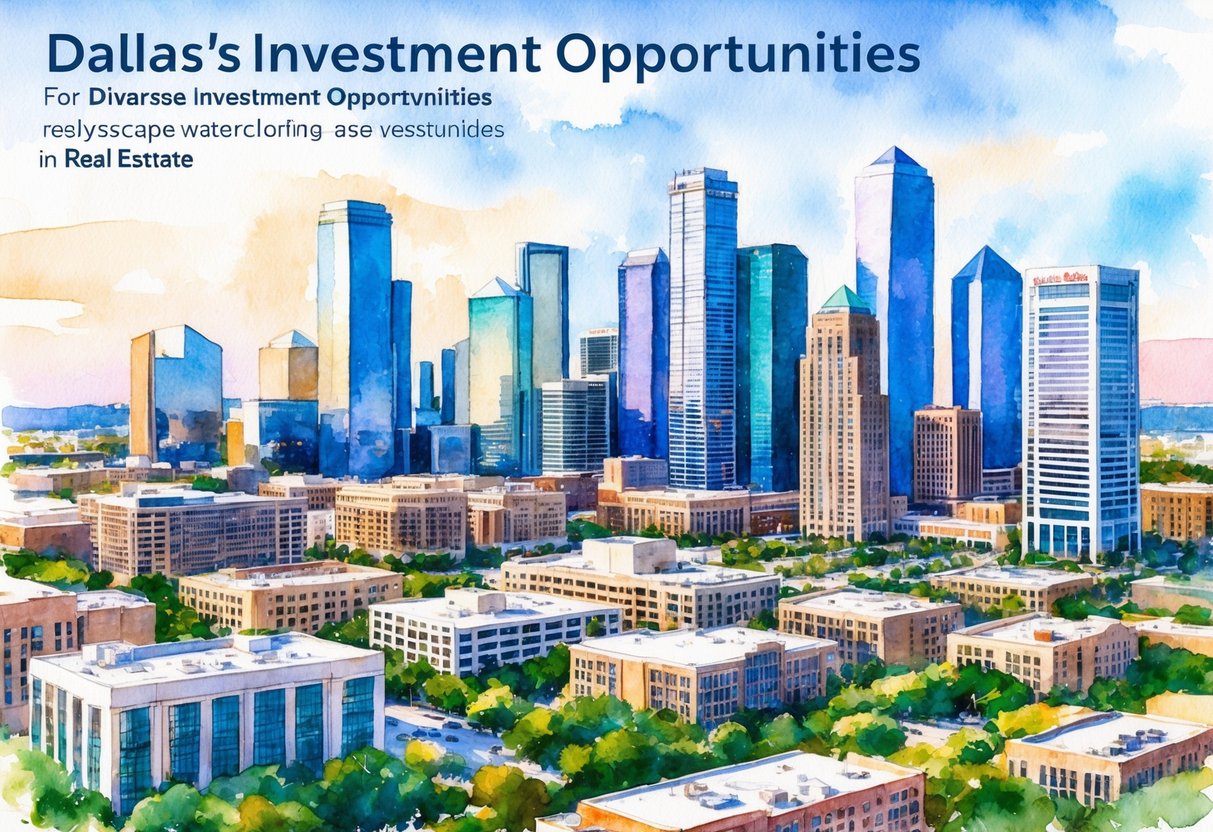
Dallas is more than just big highways and endless suburbs. From single-family homes to lively entertainment districts, my options run wide.
It’s really about picking my lane, knowing the risks, and figuring out what lines up with my goals.
Residential Real Estate Options
Dallas/Fort Worth’s residential market has plenty of variety. I see single-family homes in neighborhoods that attract both families and young professionals.
Places like Oak Lawn and Uptown are especially hot for investment. Job growth and steady demand keep tenants coming.
If short-term rentals seem appealing, certain Dallas neighborhoods draw travelers and business folks. That can mean higher returns, though I always double-check the latest rules before diving in.
Looking for affordable places or up-and-coming spots? The suburbs around Dallas have hidden gems that could appreciate nicely. Zillow lists lots of homes in Dallas marked as excellent investment opportunities, so there’s no shortage of options.
Commercial Property Prospects
Commercial real estate in Dallas draws everyone from big companies to startups. Office buildings and retail spaces in the busiest districts often bring in long-term tenants.
Tech companies are moving in, so there’s new demand for modern workspaces. Industrial and warehouse space is another area that’s growing, thanks to Dallas’s role as a transport hub.
Distribution centers and warehouses close to highways are getting more valuable. Before I jump in, I always check zoning and neighborhood plans because business districts can change fast.
Commercial deals usually take more research and cash up front than residential ones.
Multi-Family Investment Considerations
Multi-family buildings let me boost my income potential. Small apartment complexes or duplexes mean I’m not reliant on one tenant.
Dallas’s steady stream of new residents keeps rental demand high, especially downtown. Cash flow is a big reason investors like multi-family units.
Even after maintenance and management fees, well-located properties can stay profitable. Properties in the best Dallas investment areas give me a mix of current demand and future growth.
Entertainment and Lifestyle-Driven Investments
Dallas isn’t just business and suburbs—it’s packed with entertainment, sports, and arts. Short-term rentals near the American Airlines Center, Deep Ellum, or Bishop Arts District attract tourists and locals looking for a night out.
These spots can bring in higher nightly rates if I’m willing to handle more turnover. Zoning matters here, though—some neighborhoods are strict about short-term rentals.
Lifestyle-driven properties, like condos above trendy shops or lofts in old warehouses, appeal to renters who want more than just a place to sleep. Focusing on these unique properties can help me stand out.
With Dallas’s social and entertainment scenes still growing, I’m betting on returns that don’t always follow the slow pace of traditional real estate.
How to Start Investing in Dallas TX Real Estate
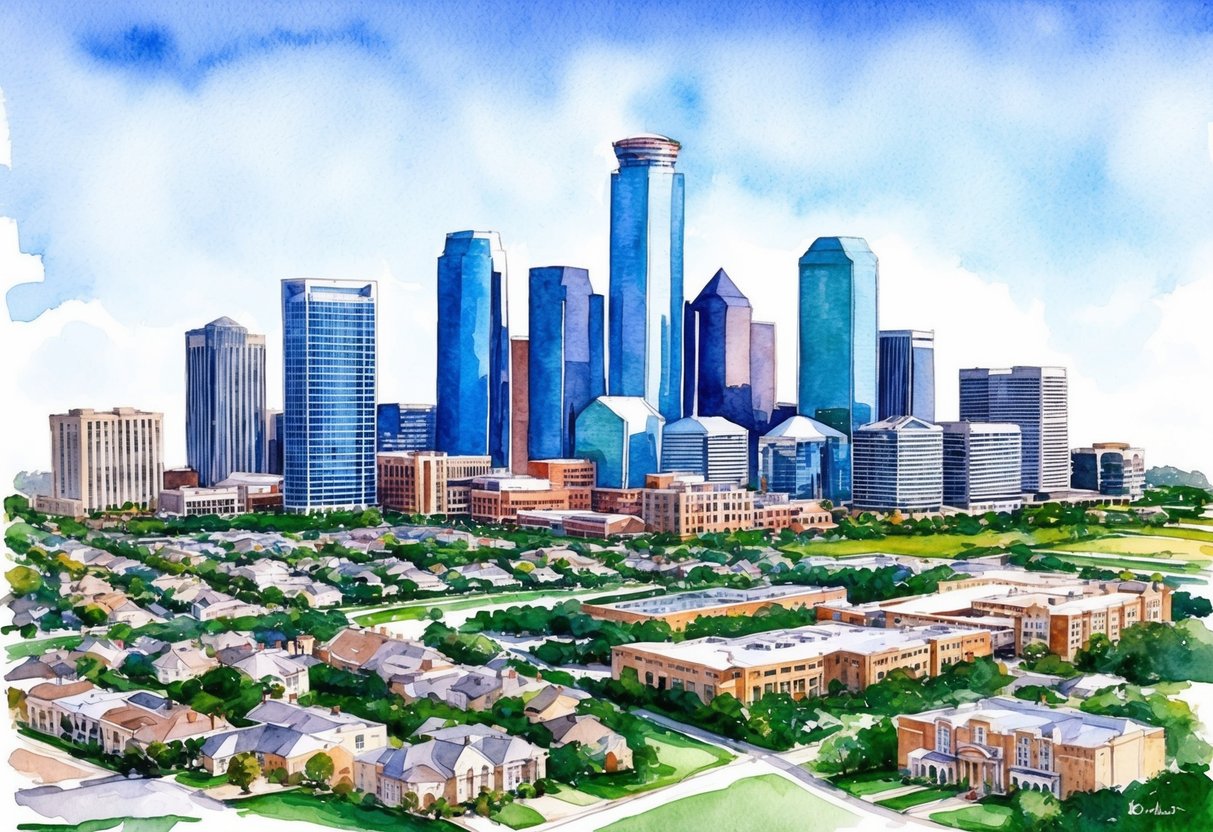
A lot of people in Dallas are turning to real estate investing to get more control over their money. By planning well, building relationships, and teaming up with skilled partners, I’ve found I can boost my chances of lasting success in the Dallas market.
Setting Goals and Budget
My first step in real estate investment is figuring out what I actually want. Am I trying to build passive income? Save for retirement? Maybe help my kids with college someday?
Being specific about my goal helps me pick the right property and strategy. I have to decide if I care more about cash flow, appreciation, or some mix of both.
Next, I take a hard look at my financial situation. How much do I have for a down payment? Can I handle a surprise roof leak or a few empty months without rent?
Setting a clear budget up front saves me from headaches later. Dallas property prices swing a lot depending on the neighborhood, so I compare similar homes and play around with online calculators or simple worksheets.
Whether I’m eyeing a single-family place or a small multi-unit, I try to stay realistic. Setting limits now keeps me calm when a tempting deal pops up.
Building a Local Investment Network
I don’t have to figure out the Dallas market by myself. Every smart real estate investor I know puts real effort into building a local support network. Why go it alone when others already know about off-market deals or classic rookie mistakes?
Meeting other investors, property managers, and contractors gives me a leg up. I go to meetups, join real estate groups, and keep in touch with local pros.
Online forums and social media are fine, but nothing beats actually meeting someone who’s closed a bunch of deals. These connections help me spot opportunities, find good help, and stay on top of market shifts.
I also think about working with mentors. Learning from real people who’ve invested in Dallas saves me a lot of trouble. This guide on investing in Dallas real estate has some solid advice on building relationships that matter.
Working with Real Estate Agents
An experienced Dallas real estate agent can be my secret weapon. Agents who specialize in investment properties know the neighborhoods, spot market shifts, and sometimes hear about deals before they’re public.
I always ask about an agent’s experience with investors and what types of properties they focus on. I want to see real examples of recent deals they’ve closed for investors like me.
A good agent helps me figure out fair value, negotiate better, and even flag future development that could boost my returns. The relationship doesn’t stop at closing—great agents keep me updated on market trends, tenant issues, and selling opportunities.
Working with the right agent often means the difference between a decent return and a fantastic one. For more, I check out in-depth Dallas investment guides.
Legal and Financial Considerations for Investors

Investing in Dallas/Fort Worth real estate comes with real advantages, but you’ve got to know the rules. A solid plan keeps me protected, compliant, and set up to benefit financially.
Understanding Local Laws and Regulations
Dallas has its own real estate laws, and they’re not always the same as other cities. City zoning, property codes, and rental rules all shape what I’m allowed to buy and do.
One missed rule could mean fines or a legal mess. Some neighborhoods are strict about short-term rentals like Airbnb. Licensing, safety standards, and tenant rights all matter.
If I want to skip the headaches, I keep up with the latest Dallas and Fort Worth rules for landlords and investors. I usually check city sites or ask for advice before closing on anything. WisdomTX breaks down Dallas real estate investment regulations in plain English.
Tax Implications and Incentives
If I’m honest, I care about the numbers. Texas doesn’t have a state income tax, but the property taxes here can surprise you. Depreciation, mortgage interest, and repair costs can lower my tax bill, if I remember to use them.
I always ask if there are local tax breaks for certain neighborhoods or for fixing up older properties. Dallas sometimes offers incentives for investing in specific areas or restoring historic buildings.
I talk to a tax pro who knows the Dallas rental market. Missing a deduction or grant could be the difference between profit and disappointment.
Privacy Policy for Real Estate Transactions
Privacy in real estate isn’t just about comfort—it’s legal protection. When I share my personal info in a deal, from my Social Security Number to banking details, I want to know exactly how it’s handled.
Texas requires disclosures about how data gets used during a sale or rental. Any real estate platform or agent should have a privacy policy I can actually understand.
If it’s confusing, I ask questions or walk away. Good privacy rules mean less stress about fraud or data misuse, which matters a lot these days.
Market Risks and Challenges in Dallas TX
Investing in Dallas real estate can be rewarding, but the hurdles are real. Housing markets never move in a straight line, and savvy investors keep an eye out for warning signs.
Economic Factors Influencing Investment
Dallas has an active job market and a growing population, which drives up home demand. But nothing’s risk-free, right?
This area’s known for fast development, but high interest rates can quickly shrink profits and raise mortgage costs. Lenders get picky during those times, so qualifying for a loan isn’t always easy.
Texas property taxes rank among the highest in the country. Even if I score a good deal, rising taxes can eat into my cash flow every year.
Tax policies—local and national—change, and that adds a layer of uncertainty. It’s not just about homes, either. Commercial buildings in DFW can struggle if companies downsize or switch to remote work.
If major employers cut jobs or leave, housing demand can slow. Interest rates, tax changes, and even cyber risks can throw off returns in ways you don’t always see coming.
Competition Among Investors
Dallas keeps drawing investors from all over the country. Why? The DFW area’s got growth, jobs, and a wild mix of neighborhoods.
That means plenty of opportunity, but also a fierce battle for the best deals. Competition drives up property prices, making strong returns a bit tougher to snag.
If I don’t act fast, someone else grabs the property. The more people in the game, the slimmer my shot at landing a rental that actually fits my goals.
Sometimes I end up settling for lower yields or taking on extra risk just to get my foot in the door. Big investors with deeper pockets throw down aggressive offers, which squeezes out smaller buyers.
I have to keep a sharp eye for value and stick to my strategy. Market saturation in Dallas sometimes means rents plateau or even drop in certain neighborhoods, especially if supply gets ahead of demand.
Staying ahead in Dallas takes patience, research, and honestly, the guts to walk away from deals that just don’t fit. Why chase someone else’s dream when I could carve out my own, one smart decision at a time?