
If you’re like me, you’ve probably wondered if there’s a smarter way to invest your money than just watching it sit in a retirement account. Have you looked at real estate in Charleston, West Virginia?
Charleston’s real estate market stands out as an affordable and promising option for investors looking to build lasting wealth.
I keep seeing families discover that owning property here isn’t just about shelter—it’s about creating cash flow and having real assets. The city offers a strong sense of community along with a wide variety of properties, from classic single-family homes to multifamily units and rental properties.
With home values around $150,000 and plenty of opportunity for steady returns, Charleston isn’t just on the map—it’s on the rise, as highlighted by platforms like Ark7 and recent market data.
Why settle for investment plans that move at a crawl? Real estate investing in Charleston opens doors, not only for financial growth but also for taking back control over your financial future.
With the right information and a little strategic thinking, turning frustration into success in the Charleston market feels more possible now than ever.
Key Takeaways
- Charleston, WV offers affordable and attractive real estate investment options
- Understanding the market and property types is key to success
- Smart strategies can help manage risk and boost long-term returns
Charleston WV Real Estate Market Overview
Real estate in Charleston, West Virginia, keeps shifting as home values rise, inventory expands, and neighborhoods evolve. When I dig into the numbers, I see both challenges and clear opportunities for investors willing to think differently.
Current Market Trends
Have you noticed how quickly home prices and supply can change? In March 2025, the median listing price in Charleston was $156,500, down 15.4% year over year—a market correction that could benefit buyers.
For investors, a lower price means less upfront cash and, potentially, a wider profit margin over time. Inventory has also increased, with about 281 homes listed in March, up 9.3% from February.
This signals more choices for buyers and less competition for each property. The average home value has climbed 6.6% within the past year, showing an underlying strength in Charleston’s real estate market despite the short-term dip in listing prices.
If you’re looking for signals of market mood, these numbers show a transition phase. The time could be right to get in before prices rebound or rental demand increases further.
For those of us watching the industry closely, these shifts are like flashing neon signs for opportunity. For more detailed numbers, see this Charleston, WV housing market report.
Key Neighborhoods in Charleston
Charleston isn’t one giant market; it’s a patchwork of different neighborhoods, each with its own story and investment profile. South Hills is known for its strong schools, mature trees, and stable home values, making it attractive to families and long-term tenants.
Kanawha City often draws healthcare workers due to its location near hospitals and medical offices. Downtown Charleston has pockets with historic homes, walkability, and a growing demand from young professionals wanting urban amenities.
Investing in East End means looking at up-and-coming areas where prices may be more affordable and future growth possible. Experienced landlords might target rentals near the University of Charleston, which offers steady student demand as long as you don’t mind tenant turnover.
I pay close attention to these neighborhoods rather than treating the city as a single market. It’s the pocket-level knowledge that protects my returns and opens up hidden deals.
Historic Growth and Future Projections
Charleston’s real estate market stands out within West Virginia for its mix of historic properties, affordability, and steady appreciation. The median home value of $145,300 in Charleston is well above the state average of $115,000, showing its resilience and appeal for families seeking both value and stability.
Over the past decade, home values have gradually climbed, outpacing many rural areas in the state. Ongoing downtown development and commercial investment are signs that key industry leaders see Charleston as a future hub.
But savvy investors know to examine trends and not just headlines. With the recent increase in inventory, I expect more price flexibility and negotiation room for buyers in the near term.
As infrastructure and local business continue to expand, I see above-average potential for long-term appreciation and reliable rental demand in the city, especially in revitalized neighborhoods. For more numbers and projections, see this 2025 Charleston housing market update.
Types of Properties Available in Charleston

When I look at investment opportunities in Charleston, I focus on single family and multi-family options. Both choices offer unique advantages depending on my strategy and long-term goals.
Single Family Homes
Single family homes in Charleston are in high demand from families, young professionals, and long-term tenants. The median home price is close to $145,300, which is higher than the West Virginia average but still affordable enough for investors looking to get started.
Neighborhoods with good schools and safe, walkable streets attract stable tenants willing to sign longer leases. These homes often need less hands-on management and typically have lower vacancy rates.
Appreciation over time is possible, but I also pay attention to the consistent rental income these homes can bring. Here are some key reasons investors like me consider single family homes:
- Easier to finance, especially for new investors
- Lower turnover compared to apartments
- Simpler to manage and maintain
- Good resale potential if needed
If my goal is a steady, lower-stress investment in Charleston real estate, single family homes are a solid pick. For detailed property listings, sites like Realtor.com have hundreds of Charleston homes for sale.
Multi-Family Investments
When I want to boost my cash flow and build wealth faster, I look at Charleston’s multi-family properties. These include duplexes, triplexes, and small apartment buildings.
While the purchase price is higher, I can collect rent from several tenants at once, which helps cover costs even if one unit sits vacant. Multi-family properties often appeal to experienced investors who want more control over income and expenses.
It’s a great way to scale up, but it requires more upfront capital and management skills. I’ve seen that multi-family real estate in Charleston can provide better returns and more tax advantages.
The benefits that make multi-family attractive are:
- Multiple income streams from one property
- Economies of scale with repairs and upgrades
- Potential for higher annual returns than single family homes
- Increased demand from renters looking for more affordable options
If building a real estate portfolio in Charleston is my plan, multi-family investments help me get there faster. For current options, LoopNet lists investment properties including apartments and duplexes right in the heart of the city.
Starting Your Real Estate Investing Journey
A strong investment plan begins by being clear about exactly what I want from real estate. My connections in Charleston can make or break a deal, so who I know matters just as much as what I know.
Defining Your Investment Goals
Before buying a single property, I need clarity about my purpose in the real estate industry. Am I looking for steady monthly cash flow, or do I want the long-term gains that come with appreciation?
Charleston offers a mix of affordable homes and historic properties, which means my choices must match my personal and financial goals. I should write down specific, measurable targets.
For example, do I expect my investment to fund my retirement, help pay for a child’s tuition, or simply create another stream of income? I break these down by type and timeline: short-term rentals, fix-and-flip, or holding for five years or more.
A brief table can help outline typical investment goals:
Goal Type
Example
Time Frame
Cash Flow
Rental property
Monthly, ongoing
Appreciation
Hold and sell later
5-10 years
Quick Profit
Fix-and-flip
6-12 months
Getting specific helps keep me committed, especially when the market shifts or repairs go over budget. This sense of purpose makes each decision much easier.
Building a Local Network
I do not invest alone. To find the best properties in Charleston, I connect with local real estate agents, property managers, and experienced investors.
The industry moves quickly, but those with relationships often get the first call on the best deals. I join investment clubs and attend workshops.
For beginners or if I want a refresher, there are online options like the Introduction to Real Estate Investing - Charleston, WV event. Reaching out to trusted contractors and inspectors in Charleston adds another safety net, saving me from surprise costs or bad investments.
I pay close attention to people’s reputations and reliability. When my network trusts me—and I trust them—we share leads, advice, and warnings.
Building the right team is just as important as finding the right property.
Financing Options for Charleston Investors
Charleston, WV offers a variety of ways to finance real estate investments. Finding the right approach can be the difference between a good deal and a great one.
Traditional Mortgages
When I first started looking at Charleston real estate, I checked out mainstream mortgage options through banks and credit unions. These traditional loans have longer terms and fixed or adjustable interest rates.
For those with high credit scores and solid job history, this can be a straightforward path. The loan-to-value ratio and down payment matter here.
Most banks want at least 20% down for investment properties, and they’ll check my debt-to-income ratio carefully. Closing costs, appraisal fees, and sometimes private mortgage insurance (PMI) eat into my budget, so I always calculate the real cost.
The biggest benefit is stability—knowing exactly what I’ll pay each month helps me plan long-term. But let’s be honest: if my debts are up or if I already own several properties, big banks might see me as “too risky.”
I always recommend checking if my investment outlook matches the predictability of a traditional mortgage.
Local Lender Programs
Local lenders in Charleston have a better understanding of the area’s real estate market. Credit unions and community banks may offer programs tailored for investors.
Sometimes, a smaller lender is more flexible about credit score or previous investing experience. What about local advantages?
Interest rates might not always be the lowest, but I’ve seen lenders provide personalized terms or consider unique income sources. They know Charleston’s neighborhoods and trends, which can help me get approvals based on the property’s value and rental opportunities rather than just my W-2.
Some local lenders even have loan officers who invest themselves. That kind of inside knowledge makes a difference when unexpected issues pop up.
Relationships matter—the ability to pick up the phone and talk to someone who knows my name can help speed up financing decisions.
Alternative Finance Solutions
If the traditional route feels limiting, Charleston’s real estate scene has creative options for getting deals done. Private money lenders and hard money investors come to mind.
These loans usually have higher interest rates, but the speed and flexibility can be crucial—especially for fix-and-flip projects or properties that need renovations before they can qualify for a bank loan. I like to weigh how quickly I need to close.
Some private lenders, like those at LendingOne, offer short-term mortgages with less paperwork. There are also plenty of hard money lenders in Charleston who focus on investment properties, with average loans hovering around $290,000.
Key benefits include:
- Fast approval times
- Less emphasis on personal credit
- Willingness to finance distressed properties
Terms are strict and fees are higher. Still, when time is money—especially in competitive markets—these solutions can open doors that banks just don’t.
Legal Considerations in West Virginia Real Estate
Navigating real estate laws in West Virginia can feel confusing, especially if you’re new to the Charleston market. Knowing exactly what the law allows—and what it doesn’t—can make or break an investment.
Getting the right advice and staying compliant is essential. I’ve learned that skipping this step is a shortcut to trouble.
Understanding State and City Regulations
When I look at investing in Charleston, I want to know the local rules. The West Virginia Real Estate Commission regulates most property transactions.
Not following their regulations could mean fines or losing deals. Charleston doesn’t have unique rules for investors beyond state law, but real estate—including wholesaling—is legal if I follow strict state guidelines.
For example, I can’t act as a licensed agent unless I actually have a license. One small mistake could turn into a major headache.
Tax requirements and contracts also have to follow both Charleston’s city codes and West Virginia’s laws. Am I keeping accurate records and reporting my income and expenses? If not, I might be setting myself up for audits or penalties.
Working With Local Real Estate Attorneys
Hiring an attorney who knows Charleston real estate is one of the best investments I’ve made. Sometimes I’m tempted to save money and do the paperwork myself—but is it worth the risk?
Lawyers understand state contract requirements and handle complex deals, title searches, and closing documents. A good attorney protects my interests, making sure all terms are clear, deadlines are met, and my rights are secure.
If a dispute comes up, I’ve got someone who knows how to resolve it under West Virginia law. I find local professionals through the West Virginia State Bar, which offers referrals to experienced real estate lawyers.
Skipping legal advice now could mean paying much more later if something goes wrong.
Property Management Strategies
Managing investment properties in Charleston, WV takes more than just collecting rent. Smarter systems create more predictable income and fewer headaches.
That means being proactive in every part of the property management process.
Screening and Securing Tenants
Want steady cash flow and fewer late-night phone calls? I start with strict tenant screening.
A detailed background check looks at credit history, income, rental history, and references. Good tenants protect my investment and lower the risk of evictions or property damage.
I use a checklist for every rental application:
- Proof of income (pay stubs, bank statements)
- Full credit report
- Contact previous landlords
- Employment verification
Charleston’s rental market isn’t as competitive as bigger cities, but I’ve learned not to cut corners. Even if a unit sits vacant longer, a quality tenant pays off in the long run.
I set clear lease expectations—rules, responsibilities, and penalties all in writing. When tenants know what’s expected from the start, I usually see fewer issues.
Maintenance Planning
Deferred maintenance can ruin cash flow and resale value. That’s why I build a maintenance plan before my first tenant moves in.
This means setting a budget and scheduling routine checks—spring HVAC tune-ups, gutter cleaning, and landscaping. I keep an emergency fund for urgent repairs and partner with reliable local contractors.
Why pay more later for rushed, poor-quality repairs? A simple repair log helps me track work done and spot repeat issues before they turn into big problems.
I like using professional property management when I can. Firms like Real Property Management Valley offer solutions for landlords who’d rather step back from the day-to-day.
Consistent upkeep protects my reputation as a landlord and keeps units filled, which is good for returns and peace of mind.
Mitigating Risks and Common Investment Challenges
Managing risks is a core skill if I want to get ahead in real estate. Smart investors avoid mistakes by using proven strategies and watching for local challenges that make Charleston, WV unique.
Dealing With Local Market Fluctuations
Real estate in Charleston, WV, like anywhere, doesn’t always go up in a straight line. Sometimes prices dip. Other times, demand stalls.
How do I keep my investments stable through these cycles? First, I research historical pricing trends and review recent sales data.
The more I study, the better I understand when values are likely to go up or down. I check vacancy rates often—high vacancy means my rental property might sit empty longer, which cuts into monthly cash flow.
Local industries, employers, and even infrastructure repairs can influence demand. For example, a big company moving to the area could boost home prices and rental demand, while job losses or plant closings might send values downward.
One way I lower my risk is by focusing on diverse property types—mixing residential, multi-family, and maybe some commercial. Spreading out investments means I’m not tied down to a single segment of the Charleston market.
You can dig into local trends and challenges by exploring investment guides like this 2025 analysis of the Charleston real estate market.
Avoiding Scams and Fraud
Unfortunately, real estate isn’t immune to scams and fraud. Someone’s always promising “guaranteed returns” or offering “too good to be true” deals.
If I see a listing that demands a big deposit before viewing, or the seller tries to rush me, I treat it as a red flag. I look up the agent’s license, check their reviews, and always see properties in person before exchanging any money.
I never send payments through untraceable methods. Writing clear contracts and using escrow services adds another layer of safety.
Simple checklist to avoid fraud in Charleston:
- Verify all ownership documents
- Double-check agent and company credentials
- Always use a reputable title company
- Communicate directly with parties—avoid unknown intermediaries
Protecting my money and my personal data helps keep my investing journey safe from scams. Taking these steps gives me more control and confidence when I decide to grow my real estate portfolio in Charleston.
Maximizing Returns on Your Investment
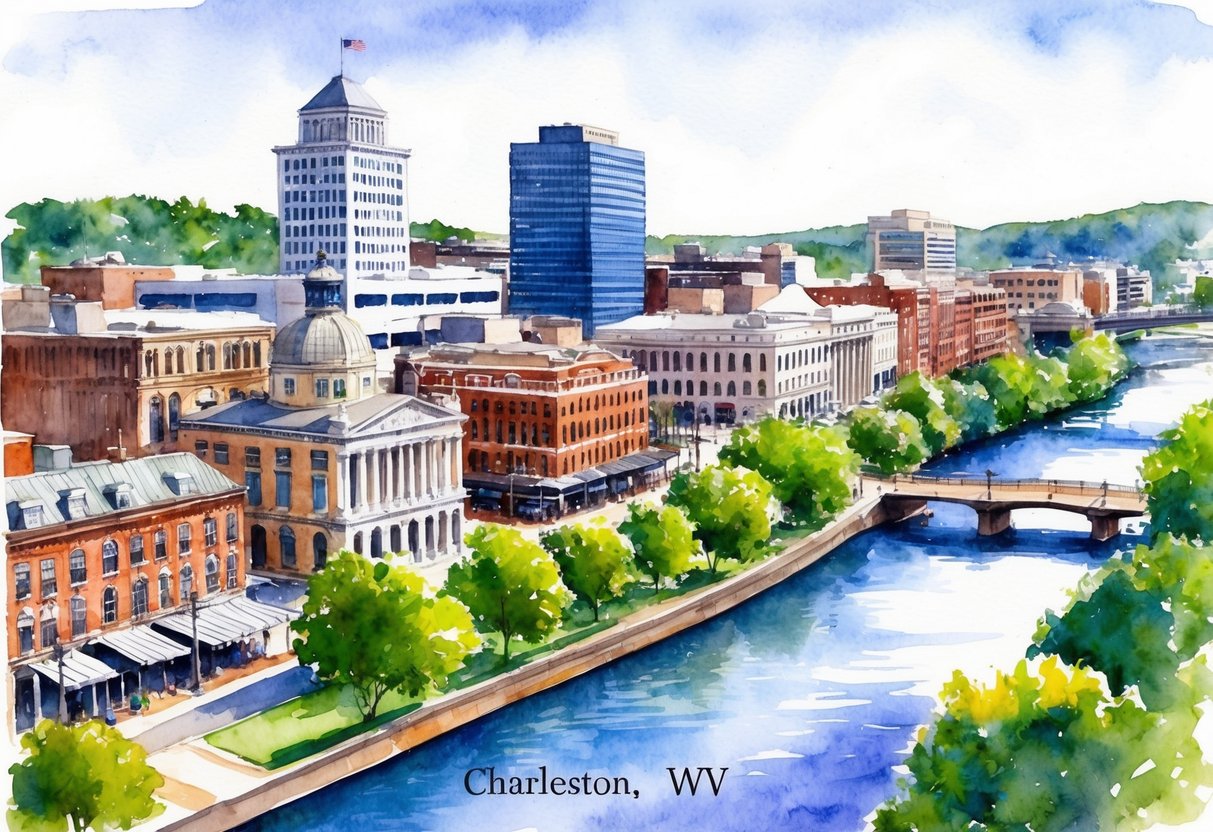
Getting the most out of real estate in Charleston means taking action, not just waiting for the market to do the work. I look for practical methods—like smart renovations and using local tax advantages—to boost profits and lower risk.
Renovation and Value-Add Opportunities
Ask yourself—if you bought a home for rental income, what could you change to charge more rent or cut long-term costs? I focus on renovations that renters in Charleston actually care about.
Modern kitchens, updated bathrooms, and energy-saving features top the list. These upgrades help my property stand out and can justify higher rents.
Even small improvements—painting, new floors, or smart thermostats—can pay off if I target what local tenants want. I avoid over-improving, though.
Spending $10,000 on granite countertops in a modest neighborhood rarely pays off. I’ve learned to balance costs.
A well-planned renovation should increase both the property value and monthly cash flow. I use a simple before-and-after cost/benefit table to stay on track:
Upgrade
Cost Estimate
Potential Rent Increase
Painted Interior
$1,200
$50/month
Bathroom Remodel
$6,000
$100/month
New Appliances
$2,500
$60/month
Tax Incentives and Benefits
Taxes can feel like a wall between me and profit, but smart real estate investors turn them into a bridge. Charleston, like the rest of West Virginia, has tax policies that reward investors who pay attention.
For example, I benefit from property tax deductions, mortgage interest write-offs, and depreciation. These tools lower my taxable income each year.
West Virginia also offers targeted incentives for certain renovation projects. If I restore a qualified historic property or invest in affordable housing, I might see state tax credits.
This lets me reinvest more of my earnings into my next deal instead of handing it over to the IRS. I work with a local CPA who knows Charleston’s environment.
Want to stay ahead? I recommend learning how local tax rules can impact your real estate investment returns in Charleston. Knowledge is power, and in this case, it pays me back every year.
Staying Informed and Leveraging Technology
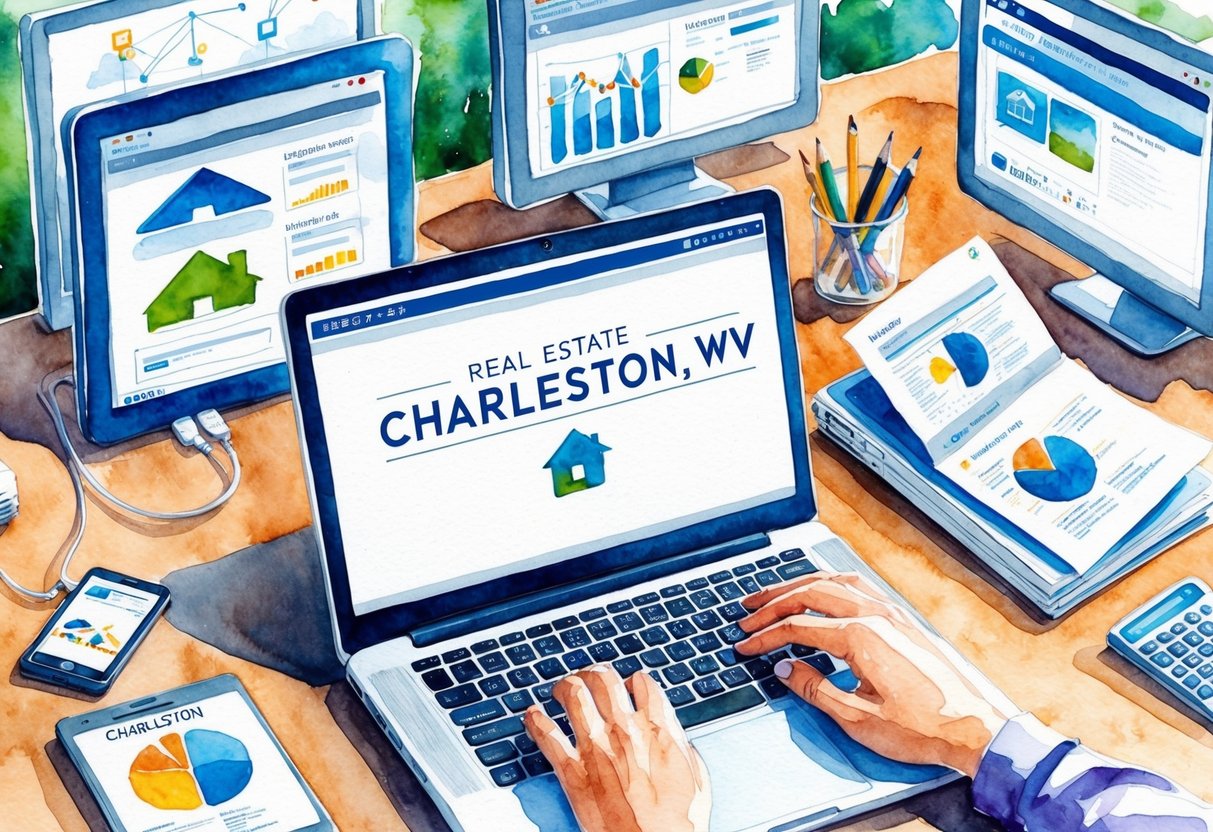
I’ve learned that flipping or investing in real estate takes more than just hard work and luck. Smart investors use the right technology, stay on top of the market, and keep their strategies both effective and ethical.
Here are some digital strategies and tools I use in Charleston, WV real estate investing.
Market Research Tools
Before I make any move, I want the numbers and history on my side. You won’t catch me buying a property without using market research tools that show trends, price history, and neighborhood data.
For Charleston, I lean on websites like Zillow, Redfin, and even county GIS mapping tools. They let me see sale histories and neighborhood comps at a glance.
I track economic indicators such as job growth, rental rates, and vacancy trends. Real estate investing is a business, and I treat it like one.
Many professionals use apps and platforms that analyze deals for cash flow and project returns. Platforms like Rentastic and Ark7 help me analyze financial statements and property performance, so comparing investment options feels less like guesswork.
I pay attention to trends in population shifts, new developments, and school ratings. One tip—keep a spreadsheet of your findings over time.
This reveals patterns that even seasoned agents might miss.
Impact of Digital Marketing
Digital marketing changed the real estate industry almost overnight. How do I stand out?
I focus on targeted online ads, email campaigns, and polished listings. I use video tours or 3D walkthroughs to show my property’s best features.
Quality photos and clear descriptions bring real buyers, not just browsers. I also use social media to reach local buyers and renters.
Sponsored posts on Facebook or Instagram can target people by location, age, and interests. Most of my leads now come from online platforms instead of old-school signs or print ads.
My website acts like a 24/7 salesperson. It gives updates, collects leads, and answers common questions even when I’m not available.
With the right digital tools, I build credibility in my market. Automation saves me hours each week.
If a property sits too long, I test new headlines, photos, or incentives instead of just dropping the price. Marketing isn’t about grinding harder—it’s about working smarter.
Ethical Use of Tracking Technologies
I see how common it is for real estate investors to rely on tracking tools like cookies, user metrics, and analytics. These tools show where website visitors click and how long they stick around.
They also highlight which listings people actually view. But just because I can gather this data doesn’t mean I should cross a line.
I use tracking in ways that respect privacy. My focus stays on improving user experience and making my site easier to navigate.
I let users know about cookies and give them real choices to opt in or out. For email marketing, I only send content to folks who’ve actually consented.
The ethical use of tech matters in a tight-knit city like Charleston. I avoid sharing or selling user data.
When I track digital behavior, I try to stay transparent and follow industry rules. This trust helps my brand stand out, even as online tools keep evolving.