
Camden, New Jersey might not be the first place that comes to mind for real estate investing, but it’s a hidden gem waiting to be discovered. I’ve been keeping my eye on this city, and let me tell you, there’s potential here that many investors are overlooking. Real estate investing in Camden, NJ offers impressive cash-on-cash returns, especially in more desirable neighborhoods.
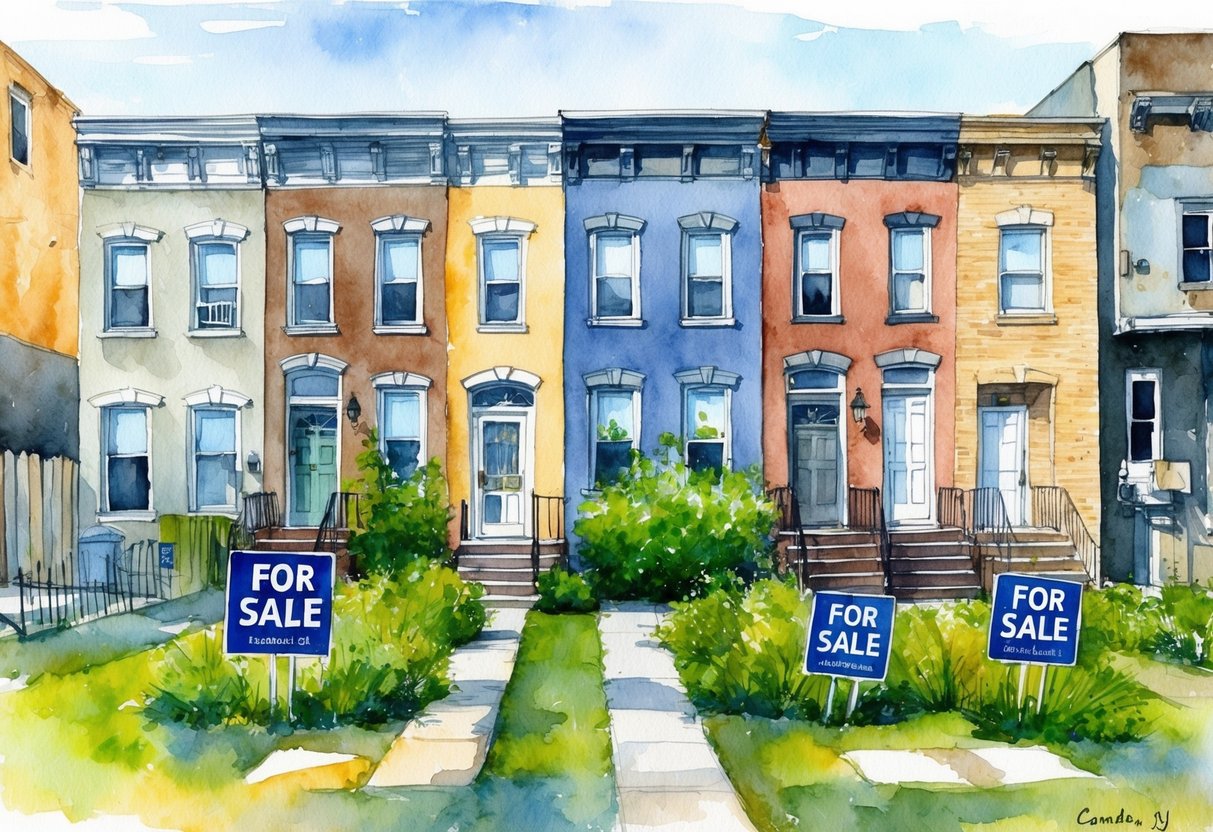
When I look at Camden, I see a city on the cusp of transformation. It’s not just about buying low and selling high; it’s about understanding the market and spotting opportunities others might miss.
Have you considered the impact of recent development projects on property values?
Or how the city’s proximity to Philadelphia could attract new residents looking for affordable housing options?
I’ve found that Camden’s real estate market is ripe for both property flipping and long-term rental investments. The key is to do your homework and know where to look.
Are you ready to explore the possibilities that Camden has to offer?
Key Takeaways
- Camden’s real estate market offers high cash-on-cash returns for savvy investors
- The city’s ongoing development and proximity to Philadelphia create unique investment opportunities
- Both property flipping and long-term rentals can be profitable strategies in Camden’s market
Understanding Camden’s Real Estate Market
Camden’s real estate market offers unique opportunities for investors. The area’s proximity to Philadelphia and ongoing development efforts are shaping market trends in interesting ways.
Overview of Camden County
Camden County’s real estate landscape is diverse. The county has seen population growth over the past decade, albeit at a slower pace than the state average. This growth impacts housing demand.
I’ve noticed a mix of urban and suburban areas in Camden County. Each neighborhood has its own character and investment potential.
Some areas are gentrifying, while others remain more affordable.
The county’s economy is evolving. New businesses are moving in, creating jobs and boosting housing demand. This shift is good news for real estate investors looking for appreciation potential.
The Role of Philadelphia in Camden Real Estate Trends
Philadelphia’s influence on Camden’s real estate can’t be overstated. The City of Brotherly Love is just across the Delaware River, making Camden an attractive option for commuters.
I’ve seen many people choose Camden for its lower cost of living compared to Philly. This trend is driving up demand for housing in Camden, especially in areas with easy access to transportation.
Philadelphia’s job market also affects Camden. As Philly’s economy grows, the spillover effect boosts Camden’s real estate values. Smart investors are taking note of this connection.
Current Market Conditions: Median Home Price and Housing Inventory
Camden’s housing market is heating up. The median home price in Camden has risen 7.2% compared to last year, reaching $150,000. This growth shows the market’s strength.
Housing inventory in Camden is tight. There were 37 homes sold in August, up from 31 last year. But homes are staying on the market longer – 47 days on average compared to 28 days last year.
What does this mean for investors? There’s potential for appreciation, but also more time to negotiate deals. The key is finding the right property in this competitive market.
Rental Market Dynamics: Rental Rate and Price to Rent Ratio
Camden’s rental market is worth watching. Rental rates have been on the rise, following the trend of increasing home prices. This is good news for investors looking for cash flow.
The price to rent ratio in Camden is favorable for landlords. With home prices still relatively low compared to rental income, investors can potentially earn solid returns.
I’ve found that many residents in Camden prefer renting. This creates steady demand for rental properties. Smart investors are capitalizing on this trend by offering quality rentals in desirable locations.
Remember, a successful rental strategy in Camden requires understanding local regulations and tenant needs. It’s not just about buying property – it’s about creating value for renters too.
Economic Indicators and Their Impact on Investment
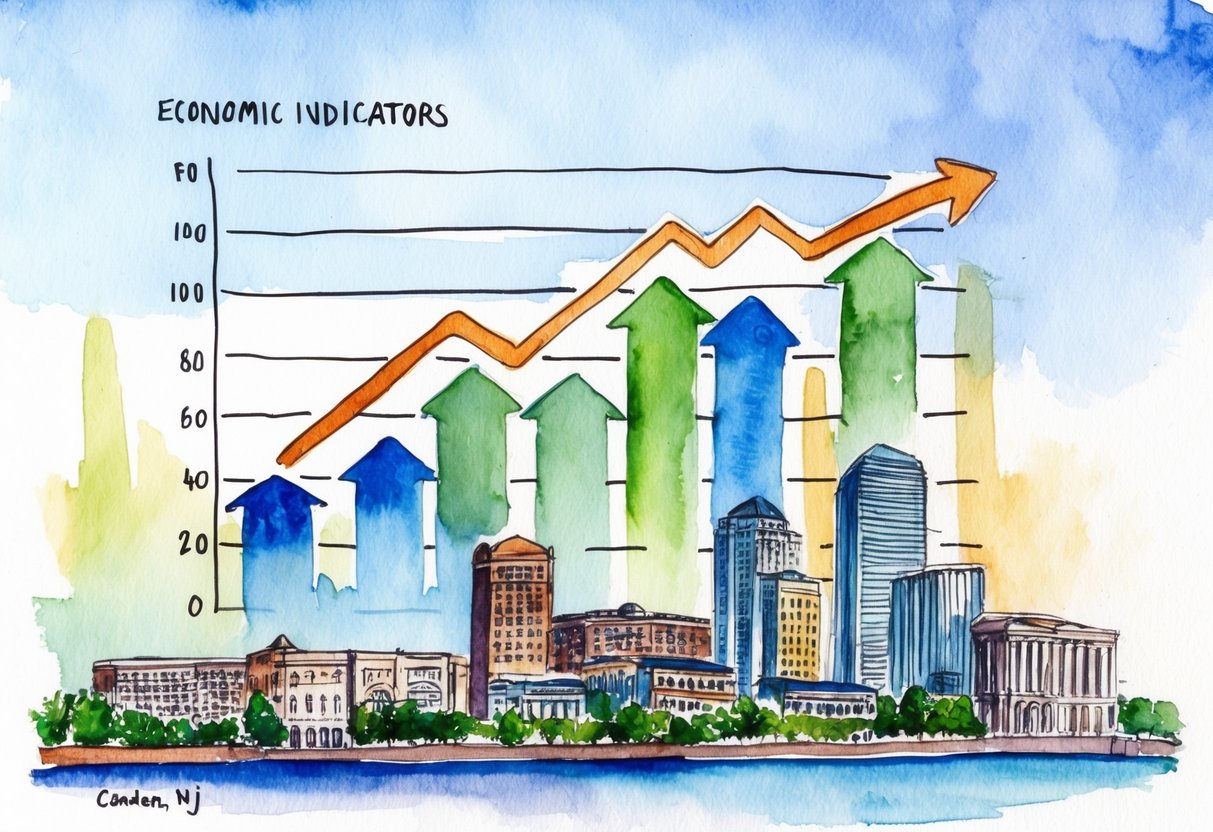
Camden’s economic landscape plays a crucial role in shaping real estate investment opportunities. Let’s explore key indicators that savvy investors should consider when eyeing this market.
Understanding Camden’s Unemployment Rate
Camden’s job market has seen ups and downs. The unemployment rate is a key factor I always examine. Why? It affects rental demand and property values.
High unemployment can lead to:
- Lower rental income
- Increased vacancy rates
- Potential property value decline
But there’s a flip side. As the job market improves, we might see:
- Rising demand for housing
- Opportunity for property appreciation
- Increased rental rates
I’ve found that tracking this metric over time gives me a clearer picture of Camden’s economic health and helps me time my investments wisely.
Household Income and Its Influence on Real Estate
Household income is the pulse of purchasing power in any market. In Camden, this indicator tells us what tenants can afford and shapes the rental landscape.
Key points to consider:
- Median household income trends
- Income distribution across neighborhoods
- Comparison to state and national averages
Camden’s income levels impact:
- Rent prices I can reasonably charge
- Types of properties in demand (luxury vs. affordable)
- Potential for long-term tenancies
I always ask: Are incomes rising? If so, it might signal a good time to invest in higher-end properties or renovate existing ones to command higher rents.
Population Metrics: Median Population Age and Employment Industry Diversity
Population dynamics can make or break an investment. In Camden, I look at two critical factors: age demographics and job sector variety.
Median age tells me:
- What types of housing are needed (family homes vs. smaller units)
- Potential for long-term population growth
- Likely trends in services and amenities
Industry diversity is equally important:
- Diverse job sectors = more stable economy
- Single-industry dominance = higher risk
I’ve learned that a younger population in a city with varied industries often leads to:
- Stronger rental markets
- More robust long-term growth
- Resilience during economic downturns
These factors help me gauge Camden’s potential for sustained real estate investment returns.
Investment Strategies for Camden Real Estate
Camden offers unique opportunities for real estate investors. Let’s explore some effective strategies to maximize returns in this market.
Long-Term Property Investment Approaches
I’ve found that patience pays off in Camden’s real estate market. Buying and holding properties can lead to significant gains over time. Why? Because Camden’s population growth rate has been steady, driving demand for housing.
Here are some long-term strategies I recommend:
- Focus on multi-family properties
- Invest in student housing near Rutgers University
- Look for fixer-uppers in up-and-coming neighborhoods
By renovating properties and holding them for 5-10 years, you can benefit from both rental income and appreciation. Have you considered the power of compound growth in real estate?
Analyzing Property Appreciation Rate
Understanding appreciation rates is key to smart investing. In Camden, I’ve noticed that certain areas are showing promising growth trends.
The city’s efforts to revitalize neighborhoods have boosted property values in select areas. For example, the waterfront district has seen significant improvements, making it an attractive option for investors.
To analyze appreciation rates:
- Study historical price trends
- Look at local development plans
- Consider proximity to public transport and amenities
Remember, past performance doesn’t guarantee future results. But by doing your homework, you can make informed decisions about where to invest.
The Benefits of Diverse Investment Properties
Don’t put all your eggs in one basket – this old saying applies to real estate too. I always advise investors to diversify their Camden portfolio.
Mix it up with:
- Single-family homes
- Multi-unit buildings
- Commercial properties
Each type of property comes with its own set of risks and rewards. Single-family homes might offer steady rental income, while commercial properties could bring higher returns but with more volatility.
By diversifying, you spread your risk and increase your chances of success. Have you thought about how different property types could complement each other in your portfolio?
Location Analysis within Camden
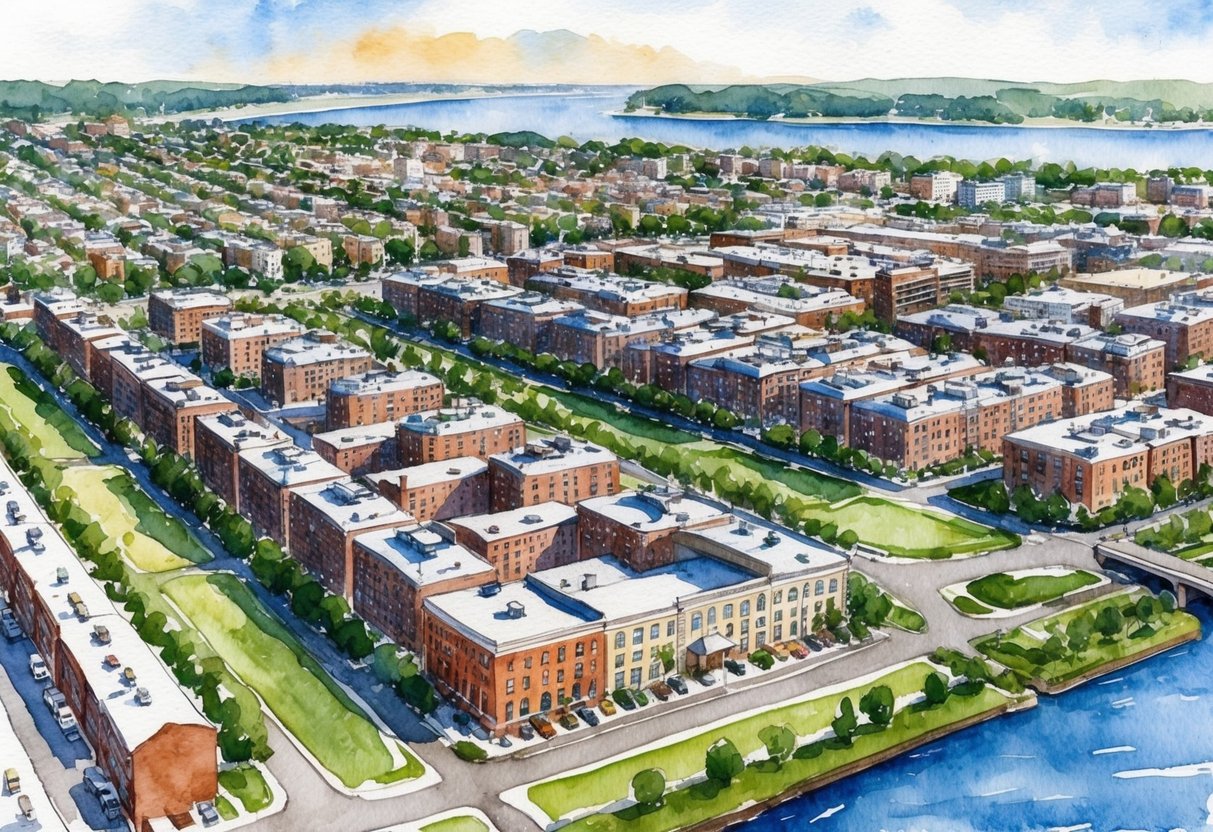
Camden’s diverse neighborhoods offer unique investment opportunities. Let’s explore some key areas that savvy real estate investors should consider.
The Appeal of Neighborhoods: Bloomfield and Northern Liberties-Fishtown
Bloomfield and Northern Liberties-Fishtown are up-and-coming areas in Camden. These neighborhoods have seen significant growth in recent years. Young professionals and families are moving in, attracted by lower prices and urban renewal projects.
I’ve noticed a trend of old warehouses being converted into trendy lofts. This creates great potential for buy-and-hold investors. Rental demand is strong, with many seeking affordable alternatives to pricier areas.
Are you looking for a mix of residential and commercial opportunities? These neighborhoods offer both. Small businesses are popping up, creating a vibrant local economy.
South Philadelphia and North Philadelphia Real Estate
South Philly and North Philly present contrasting investment landscapes. South Philly is known for its tight-knit communities and Italian market. It’s a stable area with steady appreciation.
North Philly, on the other hand, is in the early stages of revitalization. This means higher risk but potentially greater rewards. I’ve seen investors buy properties here at low prices and benefit from significant appreciation.
Both areas have a mix of single-family homes and multi-unit buildings. This diversity allows investors to tailor their strategy based on their goals and risk tolerance.
Central Locations: Center City and Camden Housing Prospects
Center City and Camden’s downtown area are the hearts of their respective cities. These central locations offer prime real estate opportunities for those willing to pay higher entry prices.
In Center City, luxury condos and high-end commercial spaces dominate. The rental market is strong, with many professionals seeking convenient city living.
Camden’s downtown is undergoing major redevelopment. This creates opportunities for investors to get in early on potentially transformative projects. Are you ready to be part of a city’s rebirth?
Both areas benefit from excellent public transportation and amenities. This makes them attractive to a wide range of tenants and buyers.
Infrastructure and Development in Camden

Camden’s infrastructure and development are changing rapidly. New projects are reshaping the city’s landscape and creating opportunities for savvy investors.
The Influence of Cooper University Hospital
Cooper University Hospital is a game-changer for Camden. It’s not just a medical facility; it’s an economic powerhouse. The hospital has sparked a flurry of development in the surrounding area.
Where there’s growth, there’s opportunity. New businesses are popping up to serve hospital staff and visitors. Housing demand is increasing, and property values near the hospital are on the rise.
Hospitals act like magnets, attracting other businesses and residents. It’s a cycle of growth that can lead to significant returns for those who get in early.
Walkability and Transit: Analyzing Camden’s Walk Score
Have you ever thought about how walkability affects property values? In Camden, it’s becoming increasingly important. The city’s Walk Score is improving, thanks to new infrastructure projects.
A higher Walk Score typically means higher property values. People are willing to pay more for convenience. They want to live where they can easily walk to shops, restaurants, and public transit.
Camden is investing in its walkability. New sidewalks, bike lanes, and public spaces are being built. These improvements make the city more attractive to residents and businesses alike.
For us investors, this is crucial information. Areas with improving Walk Scores often see property values increase. It’s another factor to consider when deciding where to invest in Camden.
Navigating the Buying Process

Investing in Camden, NJ real estate requires a strategic approach. I’ll guide you through finding properties and understanding what “under contract” means. These steps are crucial for success in this market.
Finding Properties for Sale
When I search for properties in Camden, I use a mix of online and offline methods. Real estate investment clubs are great for networking and finding deals. I also check local newspapers and drive around neighborhoods looking for “For Sale” signs.
Online platforms like Zillow and Realtor.com are helpful, but I find the best deals through local connections. I’ve built relationships with real estate agents who specialize in Camden. They often give me a heads-up on properties before they hit the market.
Here’s a quick checklist I use when evaluating properties:
- Location and neighborhood trends
- Property condition and renovation needs
- Potential rental income
- Local zoning laws and regulations
Understanding the Status: Under Contract
When a property is “under contract,” it means the seller has accepted an offer but the sale isn’t final yet. This is a critical phase in the buying process.
As an investor, I sometimes make backup offers on under contract properties. Why? Because deals can fall through. The initial buyer might not secure financing or the inspection could reveal issues.
Key points about under contract properties:
- The property is still technically for sale
- There’s usually a contingency period for inspections and financing
- Sellers might entertain backup offers
I always ask my agent about the specifics of the contract. Knowing the contingency deadlines can help me time my backup offer perfectly if I’m really interested in a property.