
Atlantic City, NJ offers a unique blend of opportunities for real estate investors. With its iconic boardwalk, casinos, and beaches, this coastal city has always attracted tourists and residents alike.
But what makes it a potentially lucrative market for savvy investors?

Atlantic City’s real estate market presents diverse investment options, from beachfront properties to commercial developments. As an investor, I’ve found that the city’s strategic location along the Jersey Shore and its proximity to major urban centers like Philadelphia and New York City add to its appeal.
This accessibility not only draws tourists but also potential long-term tenants and buyers.
When I look at Atlantic City’s real estate landscape, I see opportunities in various sectors. From vacation rentals to long-term residential properties, the market offers something for every type of investor.
The key is to understand the local dynamics, identify emerging trends, and position yourself to capitalize on the city’s ongoing development initiatives.
Understanding the Atlantic City Real Estate Market
The Atlantic City real estate market offers unique opportunities for investors. With its seaside location and entertainment attractions, the market has distinct characteristics that set it apart from other areas.
Key Market Indicators
Home prices in Atlantic City have seen a notable increase recently. As of August 2024, the median sale price reached $240,000, up 3.2% from the previous year.
This growth suggests a strengthening market.
Homes in Atlantic City are staying on the market longer than before. The average time to sell is now 97 days, compared to 76 days last year. This could mean more negotiating power for buyers.
The number of homes sold has decreased. Only 34 homes were sold in August 2024, down from 52 in the same month last year. This drop in sales volume is worth watching.
Historical Market Trends
Atlantic City’s real estate has had its ups and downs. The city’s fortunes have often been tied to its casino industry. When casinos thrived, so did the housing market.
In the past, foreclosures were a big issue here. They drove prices down and created opportunities for investors. But things have changed. The market has been slowly recovering.
Tourism and entertainment have always been key drivers. As these sectors fluctuate, so does the demand for housing and commercial properties.
Current Market Analysis
Today’s Atlantic City housing market shows signs of growth. The median home value has increased by 12.8% since last year. This is a significant jump that shouldn’t be ignored.
There are currently 441 homes for sale in Atlantic City. This inventory level gives buyers options while not flooding the market.
Looking ahead, experts predict continued growth. Housing prices are expected to rise by 4.4% by September 2025. This forecast is based on factors like tourism trends and developments in the hospitality sector.
I’ve noticed that investment opportunities in Atlantic City are diverse. From beachfront properties to commercial developments, there’s something for different types of investors. Have you considered what kind of property might fit your investment strategy?
Investment Opportunities in Atlantic City
Atlantic City offers a range of real estate investment options. The market has potential for those willing to look beyond the glitz of casinos. Let’s explore some key areas where savvy investors might find value.
Residential Properties
Atlantic City’s housing market presents interesting opportunities. Home values have risen significantly in recent years, with a 91.8% increase over the past five years. This growth outpaces many other markets.
What does this mean for us as investors? It signals potential for appreciation. But we need to be smart about where we put our money.
I’ve found that focusing on up-and-coming neighborhoods can yield good returns. Areas undergoing revitalization often offer better value.
Have you considered multi-family properties? These can provide steady cash flow from rentals.
Remember, location is key. Properties near the beach or boardwalk tend to hold their value better. But they also come with a higher price tag. It’s all about finding that sweet spot between cost and potential return.
Commercial Real Estate
The commercial sector in Atlantic City is evolving. As the city works to diversify its economy, new opportunities are emerging. But where should we be looking?
Retail spaces near high-traffic areas can be gold mines. Think about the millions of visitors Atlantic City attracts each year. They all need places to shop and dine.
Office spaces are another area to watch. As more businesses move in, demand for quality office real estate could rise.
I’m particularly intrigued by mixed-use developments. These combine residential, retail, and office spaces in one property.
Foreclosure rates in Atlantic City are worth noting. About 1.32% of properties are in some stage of foreclosure. This could mean opportunities to acquire properties at below-market prices.
Vacation Rentals
Atlantic City’s status as a tourist destination makes vacation rentals an attractive option. But how can we maximize our returns in this sector?
Beachfront properties are always in demand. They command higher rental rates, especially during peak seasons. But don’t overlook properties a few blocks inland. These can offer better value and still attract plenty of renters.
Short-term rental platforms have changed the game. They make it easier to market properties and manage bookings.
But we need to be aware of local regulations. Some areas have restrictions on short-term rentals.
I’ve found that properties with unique features tend to perform well. Think about offering amenities that stand out from the crowd. A rooftop deck with ocean views? That could be a real selling point.
Remember, vacation rentals require more active management than long-term rentals. Are we prepared to handle that, or should we factor in the cost of a property manager?
Financial Considerations for Investors

Investing in Atlantic City real estate requires careful financial planning. Let’s explore the key money matters you’ll need to consider before diving in.
Financing Options
Getting the right financing is crucial for your Atlantic City investment. Banks and lenders offer various loan options for property purchases, renovations, and new construction.
I’ve found that conventional mortgages work well for single-family homes, while commercial loans are better for larger properties.
Are you thinking about flipping houses? Hard money loans might be your best bet. They’re quicker to secure but come with higher interest rates.
For long-term investments, FHA loans can be attractive. They require lower down payments, making it easier to get started.
Remember, your credit score plays a big role in loan approval and rates. I always advise investors to keep their credit in top shape.
Interest Rate Trends
Interest rates can make or break your investment returns. In Atlantic City, rates have been fluctuating lately.
As of late 2024, we’re seeing rates around 6-7% for 30-year fixed mortgages. This is higher than the historic lows we saw a few years ago.
What does this mean for you? Higher rates can reduce your buying power. But don’t let that scare you off. I’ve seen investors succeed in all kinds of rate environments.
Keep an eye on the Federal Reserve’s actions. Their decisions often influence mortgage rates. If you’re planning to buy, consider locking in a rate when you find a good deal.
Property Taxes and Fees
Atlantic City’s property taxes can be a significant expense for investors. The average effective property tax rate in Atlantic County is about 2.5%.
Here’s a quick breakdown of fees you might encounter:
- Property taxes
- Insurance
- Homeowners association fees (if applicable)
- Utilities
- Maintenance costs
Don’t forget about the tourist-related fees if you’re investing in short-term rentals. These can add up quickly.
I always tell investors to factor these costs into their calculations. They can eat into your profits if you’re not careful.
Consider setting aside a portion of your rental income for these expenses. It’ll help you avoid cash flow issues down the line.
Navigating the Atlantic City Housing Market

The Atlantic City housing market offers unique opportunities for savvy investors. I’ve found that understanding the local trends and processes is key to success in this dynamic market.
Home Buying Process
When buying property in Atlantic City, I always start by getting pre-approved for a mortgage. This step gives me a clear budget and shows sellers I’m serious.
Next, I work with a local real estate agent who knows the area well.
Atlantic City’s real estate market has a mix of beachfront condos, single-family homes, and investment properties. I look at factors like proximity to the beach, casinos, and public transport when choosing a property.
Once I find a suitable home, I make an offer. In this market, it’s crucial to move quickly. Homes here sell after about 97 days on average, so there’s some room for negotiation, but don’t drag your feet.
Negotiating Deals
In Atlantic City, I’ve learned that negotiation is an art. The median home value has increased significantly in recent years, but there are still deals to be found.
I always start by researching comparable sales in the area. This gives me a solid baseline for negotiations. Don’t be afraid to ask for seller concessions, like covering closing costs or including appliances in the sale.
Remember, cash offers often have more leverage. If you can make a cash offer, you might be able to negotiate a better price. But even with financing, there’s usually room for negotiation in Atlantic City’s market.
Legal and Regulatory Compliance
Navigating legal and regulatory requirements is crucial when investing in Atlantic City real estate. I always hire a local attorney familiar with New Jersey property laws to review contracts and ensure compliance.
Key areas to consider include:
- Zoning laws
- Building codes
- Property taxes
- Flood insurance requirements
Atlantic City has specific regulations for short-term rentals, which is important if you’re considering using platforms like Airbnb. I make sure to check the latest ordinances before making any investment decisions.
It’s also wise to get a thorough home inspection. Many properties in Atlantic City are older and may require updates to meet current building codes. Factoring these potential costs into your budget can prevent surprises down the line.
Demographics and Market Impact
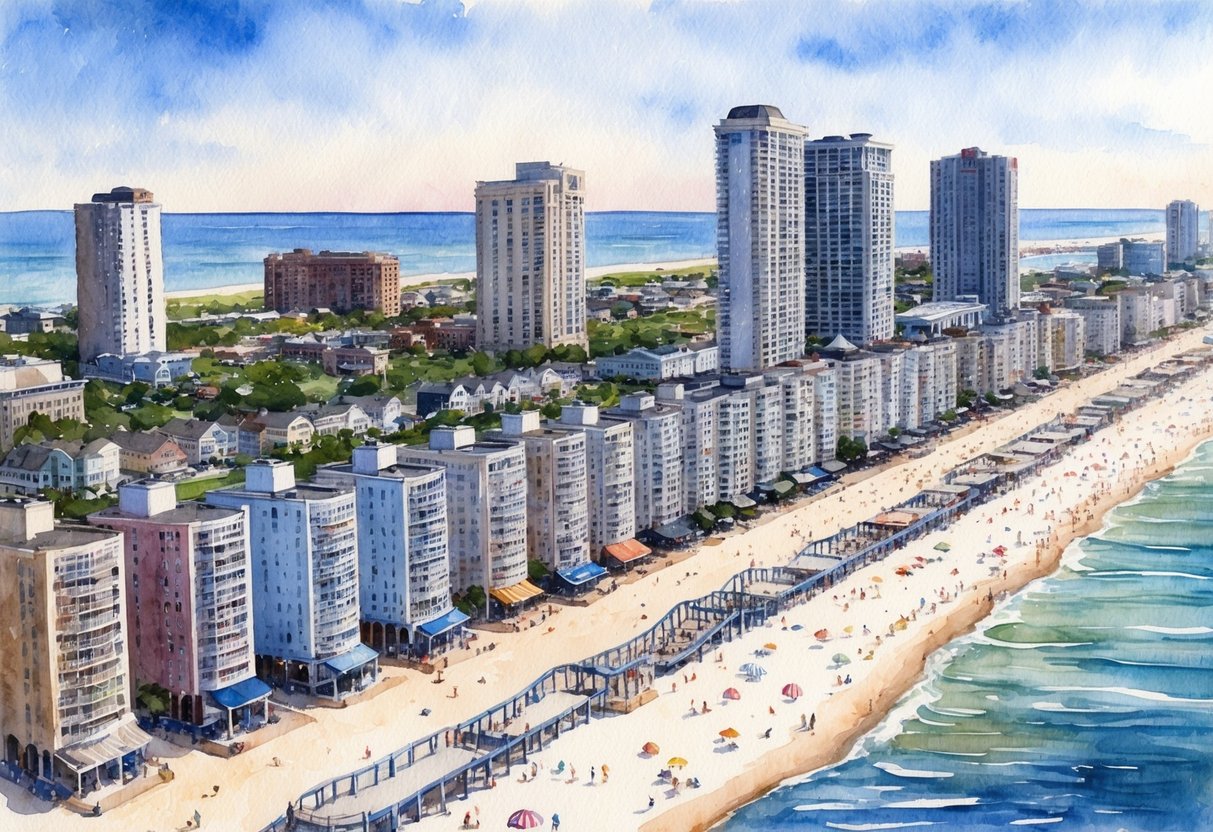
Atlantic City’s demographic landscape shapes its real estate market in fascinating ways. Let’s explore the key factors driving investment opportunities in this iconic coastal city.
Population Growth
Atlantic City’s population trends are a mixed bag for investors like me. The city has seen modest growth in recent years, but it’s not booming like some other markets.
A stable population can mean steady demand for housing, but it might not drive rapid appreciation.
I’ve noticed that seasonal fluctuations play a big role here. The summer months bring a surge of tourists and temporary workers, creating short-term rental opportunities. But what about the off-season? That’s when savvy investors can find bargains.
Are you thinking about the long-term potential? I am. The city’s efforts to diversify beyond gaming could attract new permanent residents, potentially boosting property values over time.
Economic Factors
Atlantic City’s economy is in transition, and that’s creating both risks and rewards for real estate investors. The casino industry isn’t the only game in town anymore. Have you considered the impact of new industries moving in?
Unemployment rates have been a concern, but I’m seeing signs of improvement. New developments, like the expansion of Stockton University’s campus, are bringing jobs and students to the area. This could mean increased demand for rentals and entry-level homes.
The median home value has jumped significantly, outpacing national averages. For investors, this trend might signal good appreciation potential. But it also means we need to be more selective in our purchases to ensure positive cash flow.
Neighborhood Development
I’m excited about the revitalization efforts happening in Atlantic City. Have you seen the changes along the Boardwalk? It’s not just about casinos anymore. New retail, dining, and entertainment options are breathing fresh life into the area.
The city’s strategic location along the Jersey Shore is a major asset. Beachfront properties continue to be in high demand, but don’t overlook inland neighborhoods. Some areas are seeing significant improvements in infrastructure and amenities.
What about up-and-coming neighborhoods? I’m keeping my eye on the Southeast Inlet area. The redevelopment plans there could transform previously overlooked parts of the city into prime real estate opportunities.
Maximizing Real Estate Investment Returns
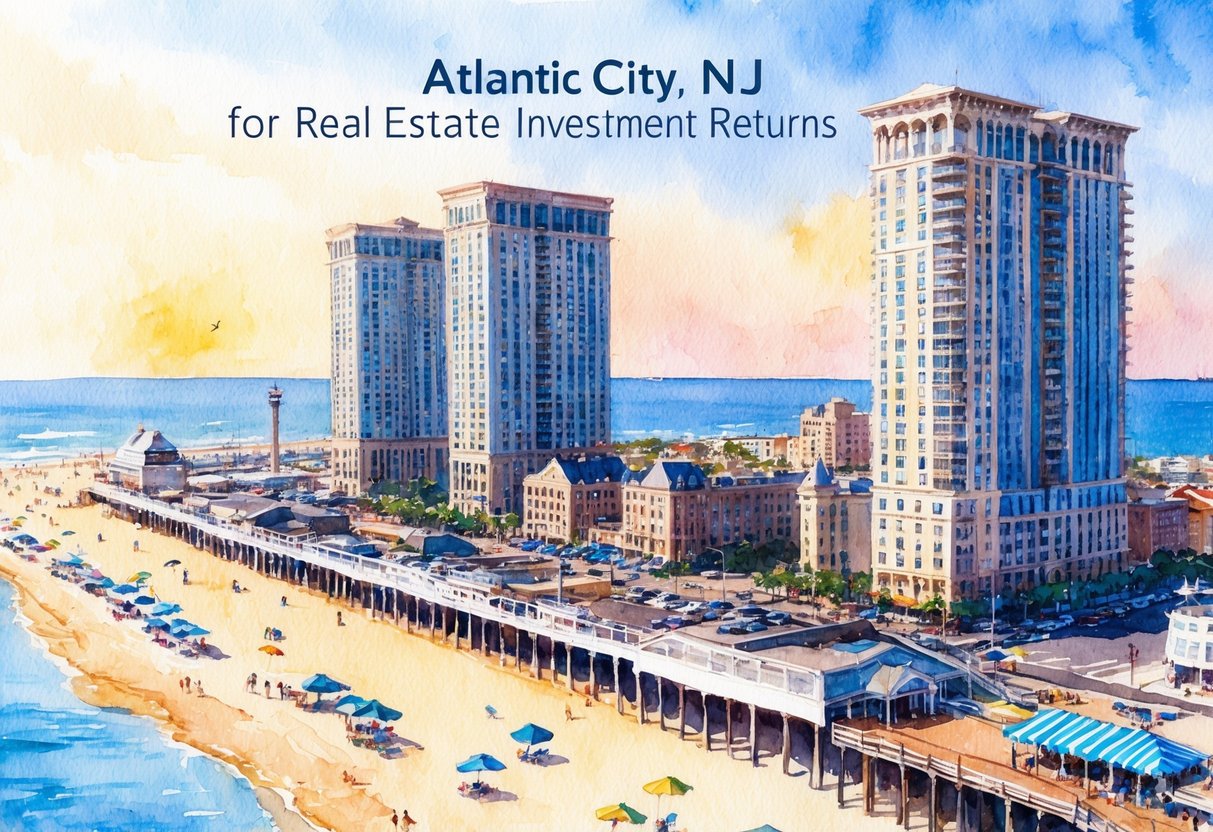
Atlantic City offers unique opportunities for real estate investors. I’ve found that focusing on smart strategies can significantly boost your returns in this market.
Rental Income Strategy
When it comes to rental income in Atlantic City, location is key. I recommend targeting properties near the Boardwalk or casinos for short-term rentals. These areas attract tourists year-round.
For long-term rentals, look at residential neighborhoods away from the tourist zones. These areas appeal to locals and offer more stable income.
Consider multi-family properties. They can provide multiple income streams from a single investment. I’ve seen investors do well with duplexes and small apartment buildings.
Don’t forget about seasonal rentals. Atlantic City’s summer crowds can bring in premium rates. But have a plan for the off-season too.
Property Management
Should you manage your Atlantic City property yourself or hire a company? I believe it depends on your goals and experience.
Self-management can save money, but it’s time-consuming. If you’re local and have the skills, it might be worth it.
For out-of-state investors or those with multiple properties, a management company is often best. They handle tenant issues, maintenance, and rent collection.
Look for managers with experience in Atlantic City’s unique market. They should understand local laws and the seasonal nature of the city.
Good property management can increase occupancy rates and tenant satisfaction. This leads to better long-term returns.
Exit Strategies
Having a clear exit strategy is crucial for any real estate investment.
In Atlantic City, I see several viable options. Flipping can work well in up-and-coming neighborhoods. Look for undervalued properties you can renovate and sell quickly.
Long-term appreciation is another strategy. Atlantic City’s real estate market is expected to grow in the coming years.
Consider a refinance strategy. As property values increase, you can pull out equity to invest in more properties.
For those nearing retirement, a 1031 exchange could be smart. This lets you defer taxes while moving into a different type of property.