Ann Arbor, Michigan is a hidden gem for real estate investors. I’ve seen firsthand how this vibrant college town offers unique opportunities to grow wealth through property.
The Ann Arbor real estate market has shown an impressive population growth rate over the last decade, outpacing both state and national averages. This trend bodes well for potential returns on investment.

Are you tired of the same old investment advice? I was too. That’s why I turned to real estate. Ann Arbor’s mix of students, professionals, and families creates a diverse rental market.
From cozy apartments near campus to spacious family homes, there’s demand across the board.
But is Ann Arbor truly safe for your hard-earned money? While no investment is without risk, Ann Arbor ranks in the 11th percentile for safety compared to other cities. This means your property - and tenants - are likely to be secure.
Plus, with the University of Michigan’s steady presence, there’s a built-in pool of renters year after year.
Understanding the Ann Arbor Real Estate Market
The Ann Arbor real estate market is a unique and dynamic landscape shaped by several key factors. Let’s explore the trends, university impact, and housing challenges that make this market tick.
Market Trends and Dynamics
Have you ever wondered why Ann Arbor’s real estate market seems to defy national trends? I’ve seen firsthand how this city’s housing market remains competitive, with homes receiving multiple offers and selling quickly.
The median sale price has climbed to $472K, showing a 1% increase from last year.
But what’s driving this growth? Population expansion and economic stability play crucial roles. Ann Arbor’s appeal to professionals, families, and students keeps demand high.
Is this market bulletproof? Not quite. Like any investment, it has its ups and downs. I’ve noticed that price per square foot has actually dipped 1.4% since last year. This tells me that buyers are becoming more discerning.
Impact of University of Michigan
Ever considered how a single institution can shape an entire real estate market? The University of Michigan is Ann Arbor’s beating heart, pumping life into the local economy and housing scene.
With thousands of students, faculty, and staff needing housing each year, the university creates a constant demand. This demand isn’t just for dorms – it’s for apartments, houses, and investment properties.
I’ve seen historic homes near campus fetch premium prices. Why? Location, location, location! Proximity to campus is golden for both students and faculty.
But here’s the kicker: this university influence also brings stability. Even during economic downturns, the student population remains relatively constant, providing a safety net for real estate investors.
Housing Affordability and Inventory
Now, let’s talk about the elephant in the room – affordability. Is Ann Arbor becoming a playground only for the wealthy? Not necessarily, but it’s a growing concern.
The median home price reflects the city’s desirability, but it also poses challenges for first-time buyers and middle-income families. I’ve seen this firsthand – the dream of homeownership is stretching further out of reach for many.
What’s exacerbating this issue? Low inventory. There simply aren’t enough homes to go around. This scarcity drives up prices and intensifies competition among buyers.
But here’s where opportunity knocks for savvy investors. Can you spot the potential in this tight market? I see a chance to provide affordable housing solutions, whether through renovations, new constructions, or creative living arrangements.
Investment Opportunities in Ann Arbor
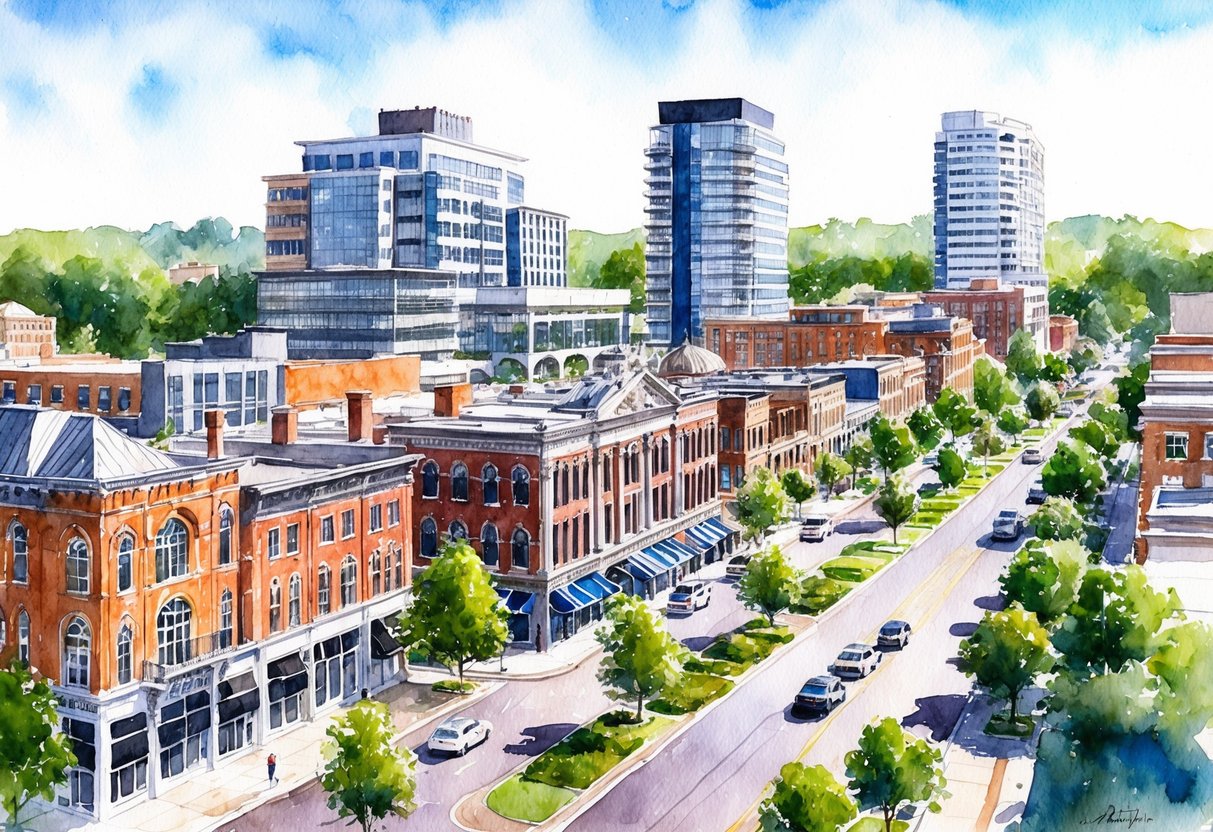
Ann Arbor’s real estate market offers exciting prospects for savvy investors. I’ve seen firsthand how this vibrant college town presents unique chances to grow wealth through property. Let’s explore some key areas where I believe smart money can thrive.
Rental Properties and Market
The rental market in Ann Arbor is dynamic, driven by a steady influx of students and professionals. I’ve found that properties near the University of Michigan tend to have high occupancy rates and strong rental yields.
Student housing is always in demand. Multi-bedroom houses or apartments within walking distance of campus can command premium rents.
For young professionals and families, I’ve noticed growing interest in newer apartment complexes with amenities like gyms and co-working spaces. These properties often have lower maintenance costs, which can boost your bottom line.
Don’t overlook the potential of short-term rentals. With Ann Arbor’s year-round events and conferences, platforms like Airbnb can provide lucrative opportunities for well-located properties.
Single-Family Homes vs. Multi-family Units
In my experience, both single-family homes and multi-family units can be solid investments in Ann Arbor. The choice often depends on your goals and resources.
Single-family homes:
- Appeal to families and long-term renters
- Can appreciate well in desirable neighborhoods
- May require more hands-on management
Multi-family units:
- Offer economies of scale for maintenance and management
- Can provide higher cash flow
- May be easier to finance due to their commercial nature
I’ve seen investors do well with single-family homes in family-friendly areas like Burns Park or Angell. For multi-family, areas closer to downtown or campus often perform strongly.
Remember, diversification is key. Why not consider a mix of both property types to balance your portfolio?
Identifying High-Demand Areas
Knowing where to invest is crucial. I’ve identified several high-demand areas in Ann Arbor that consistently attract tenants and appreciate in value.
Downtown Ann Arbor:
- Walking distance to shops, restaurants, and entertainment
- Popular with young professionals and empty nesters
- Limited supply keeps demand high
Near Campus:
- Always in demand for student housing
- Can command premium rents
- Look for properties that can be easily maintained
Up-and-Coming Neighborhoods:
- Areas like Water Hill and Lower Burns Park are gaining popularity
- Offer potential for significant appreciation
- May require some initial improvements
Have you considered the tech corridor along Plymouth Road? With major employers nearby, this area has seen growing demand for quality housing.
Remember, location isn’t everything. I always look for properties with unique features or improvement potential to maximize returns.
Financial Aspects of Real Estate Investing
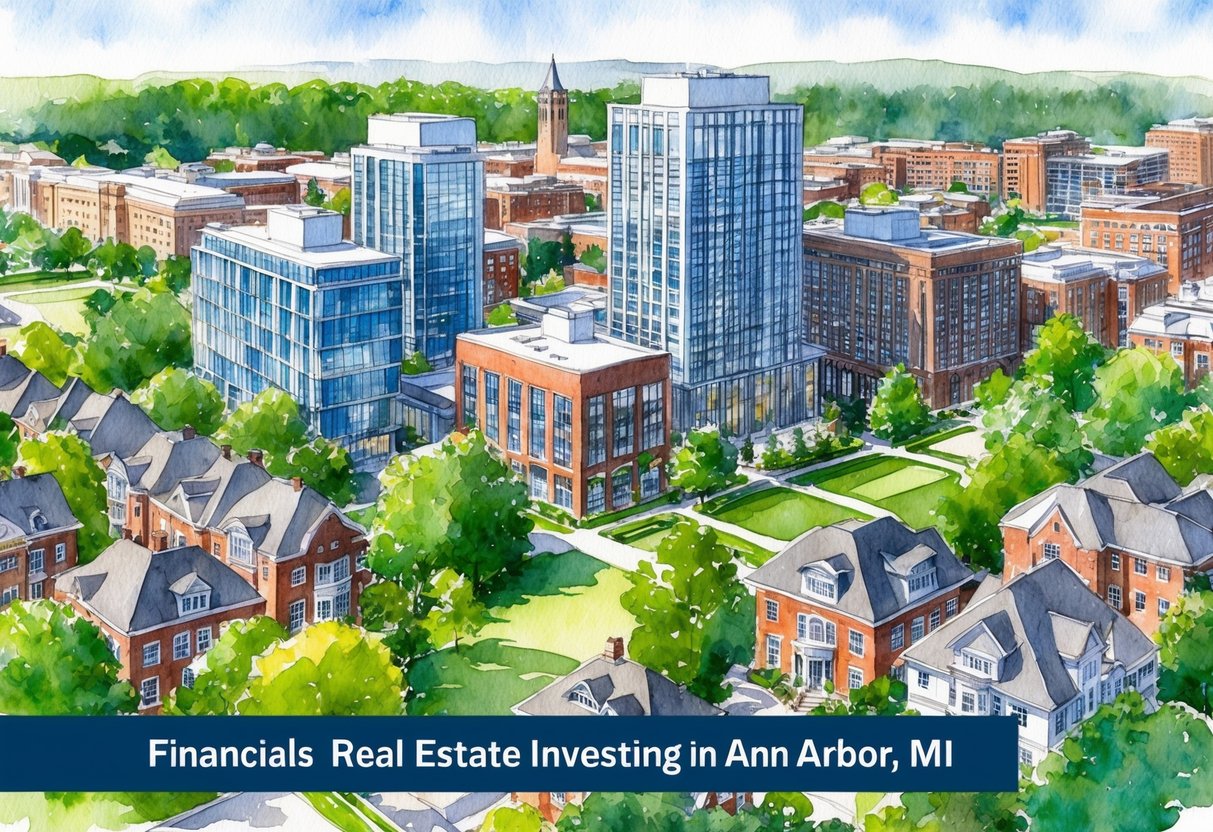
Real estate investing in Ann Arbor, MI can be a smart way to build wealth. I’ve found that understanding the financial components is crucial for success in this market.
Understanding Mortgages and Interest Rates
When investing in Ann Arbor real estate, getting the right mortgage is key. I’ve seen interest rates fluctuate, affecting purchasing power. It’s vital to shop around for the best rates and terms.
Fixed-rate mortgages offer stability, while adjustable-rate mortgages might start lower but carry risks. I always advise investors to consider their long-term strategy when choosing.
Here’s a quick comparison:
• Fixed-rate: Consistent payments, higher initial rates • Adjustable-rate: Lower initial rates, potential for increase
Remember, a lower rate can mean thousands saved over the loan’s life. Don’t be afraid to negotiate!
Analyzing Rental Income and Cash Flow
Ann Arbor’s real estate market offers solid rental income potential. I focus on cash flow – the lifeblood of any investment property.
To calculate cash flow:
- Estimate monthly rent
- Subtract mortgage payment
- Subtract other expenses
What’s left is your cash flow. Aim for positive cash flow from day one. It’s not just about breaking even; it’s about making money!
I always ask: Will this property pay for itself and then some? If not, is it worth the investment?
Property Taxes and Operating Expenses
Ann Arbor’s property taxes can be hefty. I’ve learned to factor these in carefully when evaluating investments. Operating expenses can also eat into profits if not managed well.
Common operating expenses include:
- Insurance
- Maintenance
- Property management fees
- Utilities (if not paid by tenants)
I estimate these costs at about 50% of the gross rent. This “50% rule” helps me avoid nasty surprises. It’s better to overestimate expenses and be pleasantly surprised than the other way around.
Working with Real Estate Professionals

Finding the right experts can make or break your Ann Arbor real estate investments. I’ve learned that partnering with skilled professionals is key to success in this market.
Choosing the Right Realtor
When selecting a realtor, I look for someone with deep knowledge of Ann Arbor’s neighborhoods. A good realtor should understand my investment goals and have a track record of successful deals.
I always ask potential realtors:
- How long have you worked in Ann Arbor real estate?
- What types of investment properties do you specialize in?
- Can you provide references from other investors?
A skilled realtor will go beyond what’s on Zillow and give insights into upcoming developments or changes that could affect property values.
The Role of Property Management Companies
Should I manage my properties myself or hire a company? This is a crucial question for any real estate investor.
Property management firms can handle:
- Tenant screening and leasing
- Rent collection
- Maintenance and repairs
- Legal compliance
I’ve found that good property managers in Ann Arbor know the local laws inside and out. They can help me avoid costly mistakes and keep my properties running smoothly.
But remember, management fees will impact your bottom line. I always weigh the cost against the time and stress saved.
Strategies for Long-Term Success
Investing in Ann Arbor real estate can be a smart move for building wealth over time. I’ve found that a few key strategies can make all the difference in achieving long-term success in this market.
Building a Diverse Investment Portfolio
When it comes to real estate investing in Ann Arbor, don’t put all your eggs in one basket. I recommend spreading your investments across different types of properties and neighborhoods.
This might include:
• Single-family homes in popular areas like Burns Park • Multi-unit buildings near the University of Michigan campus • Commercial properties in downtown Ann Arbor
By diversifying, you’re less vulnerable to downturns in any single market segment. Plus, it allows you to tap into various income streams.
Remember, each property type comes with its own set of risks and rewards.
Single-family homes may appreciate faster, while multi-units often provide steadier cash flow. Commercial real estate can offer higher returns but may require more hands-on management.
Creating Passive Income Streams
Who doesn’t want to make money while they sleep? That’s the beauty of passive income from real estate. In Ann Arbor, there are several ways to achieve this:
- Long-term rentals to students or professionals
- Short-term vacation rentals, especially during big events
- Commercial lease agreements with local businesses
The key is to choose properties that align with your investment goals and lifestyle.
Do you want steady monthly income or are you okay with seasonal fluctuations?
I’ve found that properties near the University of Michigan can be great for generating consistent rental income. The steady influx of students and faculty creates a reliable tenant pool.
Staying Informed on Local Market Changes
Ann Arbor’s real estate market is dynamic, influenced by factors like university growth, tech industry expansion, and local regulations. To stay ahead, I make it a point to:
• Attend city council meetings • Network with local real estate professionals • Monitor property value trends in different neighborhoods
Being informed helps me make smarter investment decisions.
For example, knowing about upcoming infrastructure projects can guide where I choose to invest next.
It’s also crucial to keep an eye on changes in zoning laws or rental regulations. These can significantly impact your investment strategy and potential returns.
Legal Considerations and Compliance

When investing in Ann Arbor real estate, I always stress the importance of understanding the legal landscape.
It’s not just about finding great deals - it’s about protecting your assets and staying on the right side of the law.
Did you know that 55% of Ann Arbor’s housing stock consists of rental units? This high percentage means we need to be extra vigilant about rental laws and regulations.
Here are some key legal aspects I pay attention to:
- Zoning laws
- Building codes
- Tenant rights
- Fair housing laws
- Property tax regulations
I’ve found that buying or selling real estate in Ann Arbor involves various legal aspects that require careful attention.
It’s not just about signing on the dotted line.
One question I often ask myself is: Am I fully compliant with local, state, and federal regulations? This simple check can save headaches down the road.
For rental properties, I make sure to:
- Use legally-compliant lease agreements
- Follow proper eviction procedures
- Maintain properties to required standards
Remember, legal compliance isn’t just about avoiding fines - it’s about building a sustainable, profitable real estate portfolio.
In my experience, staying informed and seeking professional legal advice when needed is always a smart investment.