There’s a lot of buzz about passive income, and affiliate marketing is often at the center of that conversation. It’s not just a side hustle; it can be a powerful way to grow your income with less hands-on effort. By harnessing affiliate marketing platforms, you can automate much of the process, turning a trickle of income into a steady flow. Imagine a setup that works for you around the clock, so you can focus on what truly matters in your life. Why spend hours managing every detail when technology can ease the burden?  I understand the frustration. You’ve worked hard, invested time and energy, yet the returns might not seem to match the effort. Many turn to affiliate marketing platforms hoping to tap into new ways to generate income. The good news is that these platforms can do more than just manage affiliate links or track sales. With the right tools, you can not only set up for success but also scale efficiently, reducing the daily grind. When I started using affiliate marketing platforms, the goal was to enhance my strategies without adding complexity. These platforms offer features like real-time insights, automated workflows, and seamless engagement. Whether it’s automating communication or optimizing payouts, each aspect contributes toward easing the entire marketing process. What does that mean for you? It means more freedom, more time, and potentially, more income. Ready to jump in?
Key Takeaways
- Affiliate platforms can automate and simplify income growth.
- It’s possible to set up successful strategies without extra complexity.
- Automation allows you more time while growing your revenue stream.
Understanding Affiliate Marketing
 Affiliate marketing is a powerful tool for generating income by promoting products or services in exchange for commissions. This method can provide a steady income stream and is supported by affiliate programs that track and enhance your marketing efforts.
Defining Affiliate Marketing
Imagine earning money while you sleep. Affiliate marketing is like having a sidekick that works for you 24/7. I promote someone else’s product and earn a commission when someone purchases through my special link. It’s a win-win. I don’t own the products; I merely suggest them to others. This model relies on successful conversions, meaning I need to understand the product’s target audience and preferences. The more I align with what they need, the higher my conversion rates.
The Role of Affiliate Programs
Affiliate programs are my support team. They offer the resources I need to succeed, like tracking tools and promotional materials. When I join an affiliate program, they often provide a dashboard to monitor sales, clicks, and earnings. These programs determine the commissions I earn, and it’s crucial to choose ones with favorable terms. Some programs offer tiered commission structures, encouraging me to boost sales further. Do they always guarantee success? No, but they provide a structured environment where I can thrive with dedication and strategy. Understanding the nuances of these programs helps me maximize potential and align with the right partners in the market.
Setting Up for Success
 To truly automate income growth through affiliate marketing, there are key steps to get started. Selecting the best platforms, aligning your strategy with goals, and optimizing for search engines and conversions will set a strong foundation.
Choosing the Right Affiliate Marketing Platforms
Selecting the ideal platform can transform your affiliate marketing efforts. Look at features and tools offered by different platforms. Do they provide intuitive dashboards? Is performance reporting available? These elements are crucial for managing campaigns effectively. Also, consider platforms that offer integration with existing tools you use. This can streamline efforts and reduce manual tasks. For example, platforms that connect with email marketing services can automate outreach campaigns. Finally, evaluate the platform’s network of affiliates. A strong network can lead to better partnerships and increased earnings.
Aligning Your Marketing Strategy
Aligning your marketing strategy with your overall goals is the next crucial step. What do you aim to achieve with affiliate marketing? Consider both short-term and long-term objectives. Clear goals will help tailor your approach. Leverage data to map your strategy. Analytics can reveal insights for aligning marketing initiatives more effectively. Focus on creating high-quality content that speaks to your audience. Engaging stories can drive better connections and conversions. Flexibility is key. Continuously re-evaluate your strategy, adapting as trends and technologies evolve.
Optimizing for SEO and Conversions
SEO and conversion rate optimization go hand in hand. Each element on your site should drive towards better visibility and higher conversions. Start by researching relevant keywords and incorporating them naturally into content. Landing pages are critical. Design them to be visually appealing and user-friendly. A/B testing different layouts, headlines, and calls to action can boost conversion rates significantly. Remember, quality content is vital. Create articles, videos, or podcasts that address your audience’s needs. This builds trust and improves search rankings.
Leveraging Affiliate Automation Tools
 Affiliate marketing automation offers efficient ways to improve income growth by streamlining tasks with cutting-edge technology. By using the right tools, I can increase productivity and focus on strategies that truly impact my business.
Understanding Automation in Affiliate Marketing
When it comes to automation in affiliate marketing, understanding the most recent innovations helps me take advantage of the tools available. Automating repetitive tasks like email campaigns, link tracking, and content scheduling saves time and reduces errors. Utilizing these solutions allows me to focus more on creative aspects and less on administrative duties. With many software options, choosing the right fit for my brand is crucial. Automation can help optimize campaign management and boost engagement with minimal manual effort. Who doesn’t want to save time and increase efficiency?
Key Tools for Affiliate Marketing Automation
What are the key tools for automating affiliate marketing today? AI-powered platforms drastically improve marketing efficiencies. Tools that handle tasks like performance tracking or fraud detection play significant roles in keeping operations smooth. For example, platforms like ClickUp offer features to customize and visualize my marketing plans. Using AI software enables better resource allocation. Some tools also simplify social media management, which is critical in today’s digital age. By scheduling posts, tracking interactions, and analyzing engagement, these tools make managing social channels less burdensome. Knowing which tools to use and how to implement them effectively can propel my affiliate marketing success.
Integrating AI and Machine Learning
How do AI and machine learning revolutionize affiliate marketing? These technologies provide insights that were once unimaginable. AI helps tailor marketing efforts by analyzing data to create personalized campaigns. With AI advancements, audience targeting is more precise, boosting conversion rates. Machine learning, on the other hand, helps in predicting trends and automating decision-making processes. When I integrate these technologies, I’m not just reacting to changes—I’m anticipating them. This proactive approach gives me a competitive edge and the ability to refine my strategies continuously. By embracing AI and machine learning, affiliate marketing becomes a powerful tool for revenue growth.
Enhancing Communication and Engagement
 To grow your affiliate marketing income effectively, communication and engagement play a crucial role. Building stronger relationships with your audience and affiliates can lead to better results and more income.
Effective Engagement Strategies
Why is engagement vital in affiliate marketing? The answer is simple: it builds trust and loyalty. To engage effectively, I focus on understanding my audience’s needs and providing value. Surveys and feedback forms can uncover their preferences and concerns. Interactive content like quizzes or polls also keeps them involved, sparking curiosity and conversation. I also use community building through forums or social media groups to strengthen ties. These platforms encourage participants to share, discuss, and stay connected. Regular updates and authentic stories can inspire trust, leading to more meaningful interactions.
Email Marketing and Automation
Email marketing remains a powerful tool for communication. It’s crucial to craft emails that resonate with my audience. Using segmentation, I tailor content to match the interests of different groups. This personalization makes my messages more relevant and engaging. Automation tools can streamline this process. With automated sequences, I can nurture leads with timely content, saving time while maintaining quality interactions. Platforms like Scaleo let you automate email campaigns effectively, ensuring no one slips through the cracks. Consistent engagement leads to more conversions.
Influencer and Affiliate Relationships
Collaborating with influencers can amplify my reach. Building strong relationships with them and affiliates is essential. I start by identifying those who align with my brand’s values and audience. Once connections are made, I communicate openly about goals and expectations, fostering a partnership rather than a transaction. Regular check-ins ensure that our objectives align and any issues are addressed promptly. Tools such as Reditus BV can help manage these relationships efficiently. These partnerships expand my reach, driving both engagement and revenue growth.
Monitoring and Improving Performance
 In the world of affiliate marketing, performance monitoring is crucial. Understanding how your campaigns are performing helps you make informed decisions to maximize income. It’s about using data to make smarter choices, optimizing efforts, and driving better results.
Tracking and Analytics Tools
When it comes to tracking performance, tools like Google Analytics are invaluable. They provide real-time tracking of visitor interactions, helping me understand traffic sources and user behavior. These insights allow me to see what works and what doesn’t. Many platforms offer built-in analytics features that simplify this process. By using these tools, I can gather detailed performance metrics to guide my efforts. The goal is to continuously monitor and refine strategies to increase conversions and revenue.
Assessing Campaign Performance
How do I know if a campaign is successful? By assessing key performance metrics. Important indicators include click-through rates, conversion rates, and the return on investment (ROI). I ask myself, are campaigns meeting my expectations? Am I getting a good ROI? This analysis helps me determine which strategies need adjustment. By focusing on these metrics, I can uncover strengths and weaknesses, allowing me to prioritize which areas to improve for better outcomes.
Adjusting Strategies Based on Data
Data-driven decisions are at the heart of effective affiliate marketing. After reviewing performance analytics, I adjust my strategies to boost results. This might mean reallocating budget to better-performing channels or A/B testing ad creatives. Let the data guide your actions. It’s a constant cycle of testing, learning, and improving. By adapting to what the data reveals, I can ensure I’m on the right track to achieving my income goals. This proactive approach is key to sustainable growth and success in affiliate marketing.
Maximizing E-Commerce Potential
 When it comes to maximizing e-commerce potential, adopting the right strategies and understanding the importance of direct-to-consumer marketing can be transformative. These approaches help drive growth and ensure your efforts align with customer needs and preferences.
E-Commerce Strategies for Affiliates
Why do some e-commerce businesses succeed while others struggle? The answer often lies in leveraging smart affiliate marketing strategies. By choosing the right affiliate partners, I create opportunities for significant income growth. It’s important to focus on those who genuinely align with your brand values and products. Utilizing platforms that provide features like tracking, reporting, and payment automation can simplify management tasks. This makes scaling your efforts easier. Many e-commerce platforms offer robust tools to streamline affiliate management, making it simpler to monitor sales and commissions efficiently. Consistent communication with affiliates to share promotional methods or updates also boosts engagement and commitment.
Direct-to-Consumer Marketing
Do you really understand what your customers need and want? In the e-commerce world, direct-to-consumer (DTC) marketing puts me in closer touch with customers. This connection helps in building personal relationships and understanding buyer behavior more accurately. A successful DTC strategy involves data-driven decisions. By analyzing customer interactions, I learn which products resonate most and adapt my offerings accordingly. Customers today expect seamless shopping experiences, from browsing to checkout. Ensuring that your e-commerce platform is user-friendly and mobile-optimized makes all the difference. Additionally, personalized marketing, through targeted emails or customized shopping suggestions, can elevate customer satisfaction and loyalty.
Scaling and Automating Affiliate Campaigns
 Scaling and automating affiliate campaigns can seem daunting, but with the right approach, it’s within reach. By focusing on smart campaign management and leveraging powerful automation tools, I can streamline operations and boost profitability.
Building Scalable Campaigns
To build scalable campaigns, I start with clear goals and KPIs. Understanding what I want to achieve helps in designing a campaign structure that can grow. I use affiliate marketing platforms that provide robust analytics to track performance and make informed adjustments. Choosing the right partners is key, as they need to have an established presence and audience reach. Creating engaging content also plays a significant role. I focus on crafting compelling offers and promotional materials that resonate with my target audience. Testing and optimizing continuously allows me to identify what works best, ensuring that campaigns remain cost-effective.
Utilizing Workflow Automation
Workflow automation is vital for managing repetitive tasks like tracking sales, calculating commissions, and generating reports. By using automation tools, I can free up time to focus on strategy rather than being bogged down by manual tasks. These tools also enhance accuracy, reducing the risk of human error in data handling. For ad campaigns, automation allows me to schedule and coordinate posts across platforms, ensuring consistent engagement with my audience. Campaign management becomes much smoother when tasks are automated, such as sending out targeted email campaigns tailored to the audience’s interests. By leveraging these capabilities, I create a seamless experience and drive continuous growth in my affiliate marketing endeavors.
Ensuring Compliance and Fraud Protection
 Navigating the world of affiliate marketing requires vigilance against fraud and strict adherence to guidelines. By focusing on these aspects, we can safeguard our affiliate marketing efforts and ensure sustainable growth.
Implementing Fraud Protection Mechanisms
Fraud protection is essential in affiliate marketing to shield your earnings from deceitful activities. Who wants to lose hard-earned money to fraudulent schemes? I know I don’t. Implementing robust fraud protection tools can help catch suspicious activities early on. These tools track irregular traffic patterns and detect fake sales generated by bots or false clicks. Using several detection techniques, such as monitoring IP addresses and geographic inconsistencies, helps mitigate risks. Automation software can streamline this process, allowing you to focus on expanding your affiliate networks without constantly worrying about potential threats. Building a relationship with your affiliates is also key. Regular communication and monitoring can identify if any unusual activity suddenly spikes. Trust, after all, is a cornerstone of any successful endeavor, right? Ensuring secure transactions keeps the pathway clear for genuine profit-making opportunities.
Adhering to Affiliate Marketing Guidelines
Compliance isn’t just a legal obligation; it’s a blueprint for ethical and effective marketing. Meeting industry standards and legal norms ensures we stay on the right path. One crucial element is transparency. Always disclose affiliate relationships clearly. People appreciate honesty, don’t they? Maintaining transparency builds trust with your audience and partners. Affiliated marketing programs should have written agreements outlining the roles and responsibilities of both parties. These agreements can help prevent misunderstandings and reinforce a commitment to integrity. Staying updated on changing regulations is also vital. Regularly reviewing guidelines can safeguard your business from penalties. Using compliance tools helps in making sure that you adhere to necessary regulations, particularly in areas concerning privacy and data protection.
Optimizing Affiliate Recruitment and Onboarding
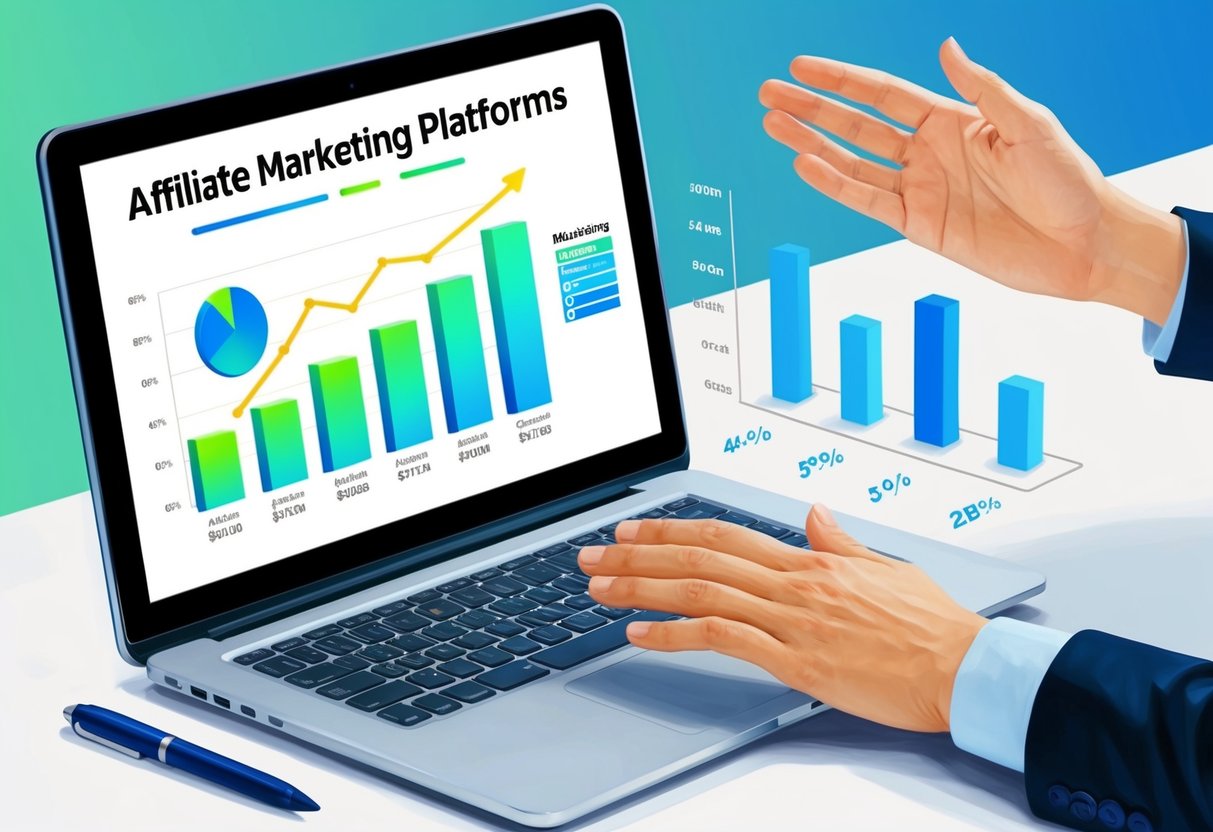 When it comes to affiliate marketing, finding the right partners and welcoming them effectively is key to driving success. I’ll delve into the ways to recruit quality affiliates and how to bring them on board efficiently.
Strategies for Recruiting Quality Affiliates
Finding the right affiliates can sometimes feel like searching for a needle in a haystack. The first step is to identify affiliates who align with your brand values and market needs. I often search for enthusiastic content creators or existing customers passionate about my product. According to the Referral Rock Blog, engaging with content creators who are genuinely interested in your offerings can build a strong affiliate base. Additionally, it’s crucial to avoid over-reliance on existing affiliate networks. While they offer convenience, they might limit your options in selecting affiliates who truly match your goals. Instead, consider platforms that provide flexibility and allow personal relationship building. Tools like Refersion help automate and optimize the recruitment process, which means more time to focus on other business strategies.
Effective Onboarding Processes
Once the right affiliates are on board, my focus shifts to onboarding them effectively. A streamlined onboarding process ensures affiliates understand their role and have the tools necessary to succeed. First, I provide clear and concise training materials that outline expectations, commission structures, and promotional strategies. This helps avoid any confusion down the road. I also use affiliate management platforms to automate many onboarding tasks, which saves time and reduces errors. For example, Scaleo.io suggests using software solutions that automate the partner onboarding process, allowing me to onboard new affiliates quickly and efficiently. This seamless process guarantees that affiliates are ready to hit the ground running, ultimately contributing to income growth more effectively.
Streamlining Payouts and Reporting
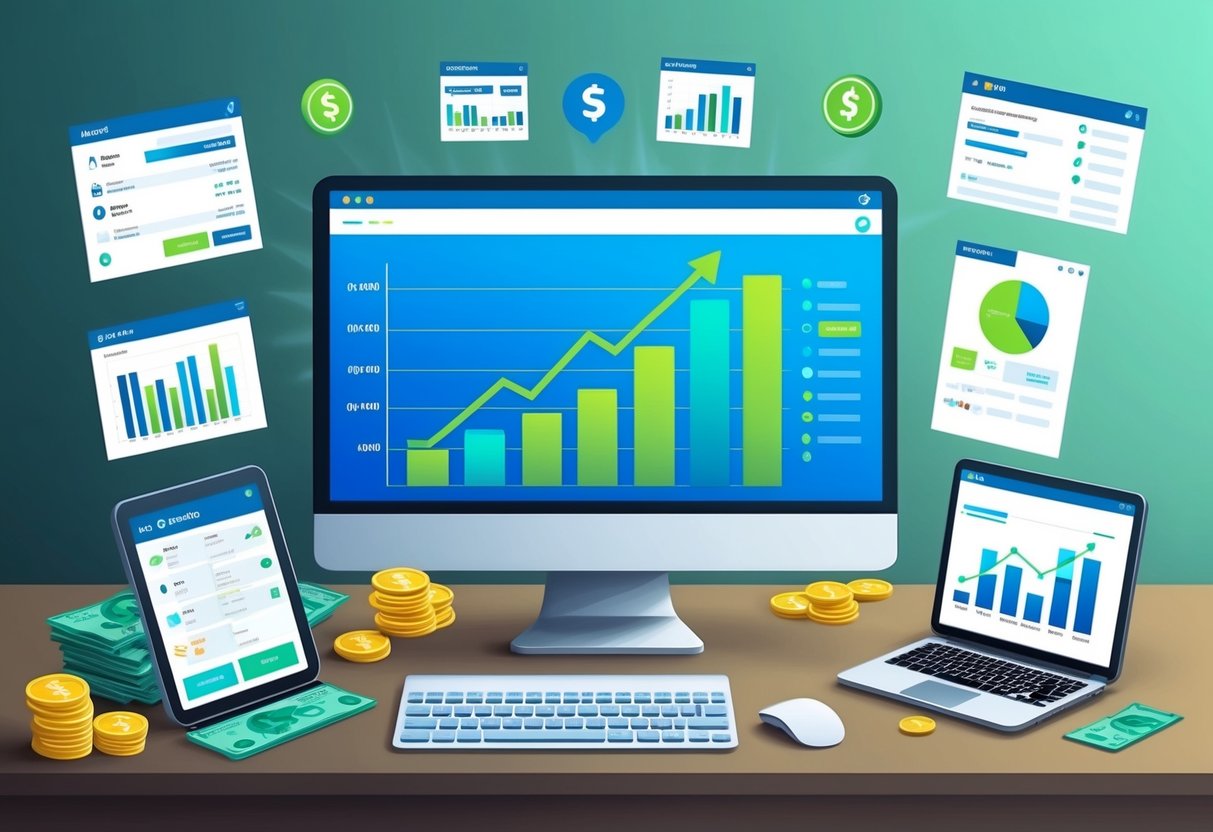 Managing payouts and accessing up-to-date reports are key to success in affiliate marketing. By automating these tasks, I save time and reduce errors, while gaining insights that help me optimize my strategies.
Payout Management Strategies
It’s vital to establish clear, consistent methods for managing payouts. Automating this process ensures that every partner receives their payment on time. Solutions like automated payment gateways streamline transactions, cutting down on manual tasks. I recommend using platforms that handle various currencies and comply with international payment standards. This flexibility simplifies operations and builds trust with partners, which is crucial for fostering long-term relationships. Overall, automation aids in maintaining a reliable payout system that keeps affiliates motivated and engaged.
Real-Time Reporting and Updates
In an ever-changing market, having access to real-time reporting is crucial. I need to know how my campaigns are performing at any given moment. This information empowers me to make informed decisions, focusing on strategies that work and adjusting those that don’t. Automated systems provide regular campaign updates, making complex data easily accessible. Consider leveraging tools that integrate reporting with your affiliate platform. What are the benefits? First, it minimizes the time spent on gathering and analyzing data. Second, it gives timely insights that can dramatically improve campaign outcomes. In short, real-time reporting keeps me agile and informed, ensuring that I’m always ready to adapt to the latest market demands.