
Expanding your dividend portfolio to include international markets might seem daunting, but it can open up a wide range of opportunities.
By diversifying your investments with international dividend stocks, you can reduce risk and increase potential income.
Imagine tapping into the growth of foreign companies while benefiting from different economic cycles and industry trends.

International markets offer access to high-quality dividend-paying companies that may not be available domestically. This means you can find stocks with attractive yields and stable financials from around the globe.
The trick is knowing where to look and understanding the factors that can affect these investments, such as currency fluctuations and varying market regulations.
Having a clear strategy is key to succeeding in international dividend investing.
Do you have specific investment goals or a risk tolerance that guides your decisions?
It’s important to match these to the right stocks and choose appropriate investment vehicles.
Using a mix of carefully selected international dividend stocks and funds can help you reach financial goals, providing much-needed peace of mind.
Key Takeaways
- Diversifying your portfolio with international dividend stocks reduces risk.
- Choose stocks that align with your investment objectives.
- Use a strategy that fits your risk tolerance and financial goals.
Understanding Dividends and International Markets

Expanding your dividend portfolio into international markets can open up new opportunities. It can increase income through global dividend stocks and enhance diversification, which is crucial for managing risk.
The Role of Dividends in Investment Income
When I think about investment income, dividends are a key player. These are regular payments companies make to shareholders, usually from their profits.
For many of us, they provide a reliable income stream, especially during retirement. Who wouldn’t want extra cash flowing in from simply owning stocks?
Dividends are not just random handouts. They reflect a company’s profitability and stability. Some firms strive to increase their dividends consistently, making them attractive for income-focused investors.
This strategy helps build a dependable income source over time, with dividends often used to reinvest in more shares, amplifying growth.
Overview of International Dividend Markets
Exploring global markets provides a broader range of opportunities. Why limit yourself to domestic stocks when other markets might offer higher yields?
Countries such as those in Europe and Asia tend to have favorable policies for dividend payments.
Emerging markets also present opportunities. They can offer attractive yields and potential growth, although sometimes with higher risks. International equity allocations can improve returns, compared to just sticking with U.S. stocks.
Understanding the different rules, tax implications, and economic conditions in these markets can be challenging. However, it’s worth the effort. Staying informed can lead to smart investing in these international areas.
Benefits of Diversification Through International Dividend Stocks
Diversification is a tried-and-true strategy. By spreading investments across international dividend stocks, I reduce the risk of relying on a single economy or currency. This approach can make my portfolio more resilient to local market downturns.
Investing globally allows me access to varied dividend yields and potentially higher returns. Different regions perform differently based on their economic conditions.
Combining stocks from different countries not only spreads out risk, but also enables access to industries and innovations unique to each region. This broad approach strengthens my portfolio, offering growth potential while maintaining steady income.
Assessing Your Investment Objectives
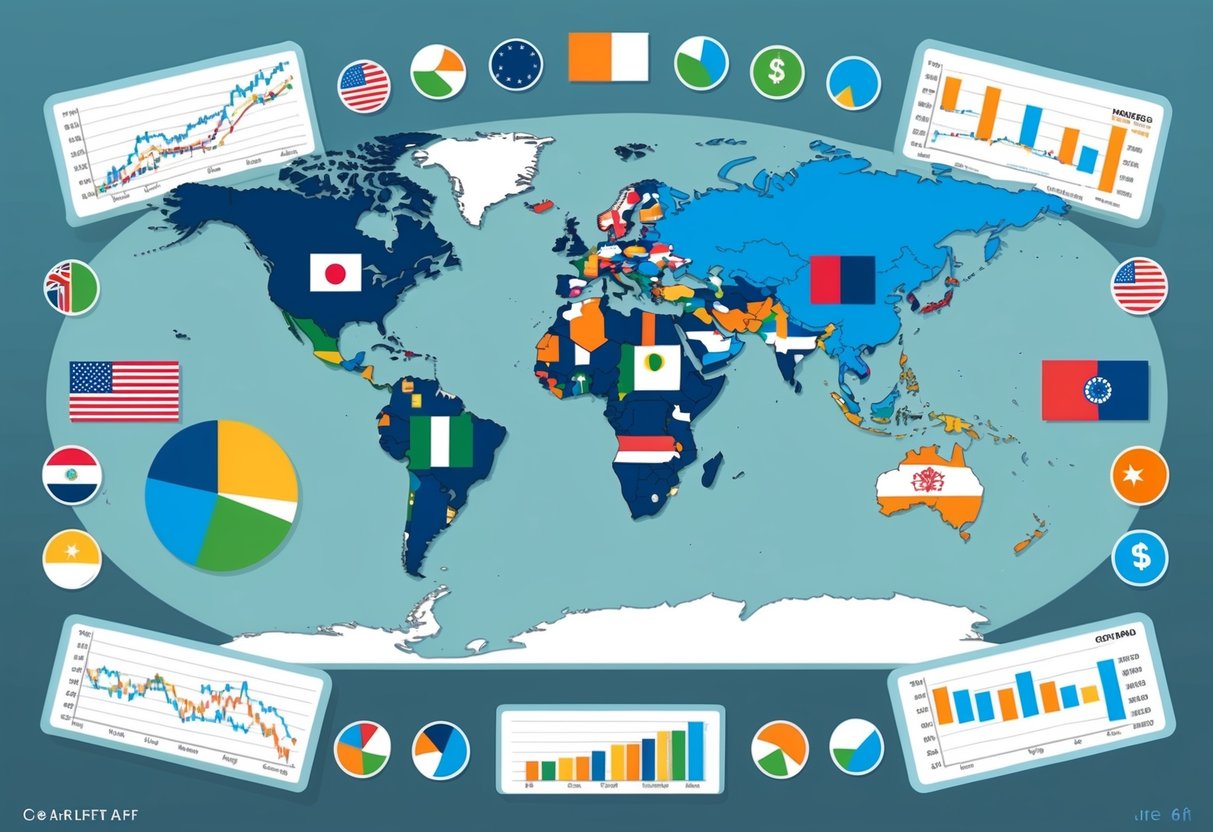
When expanding a dividend portfolio internationally, it’s vital to consider how these investments fit into your long-term plans and how they can manage various risks. Let’s dive into how you can align your objectives with global opportunities while safeguarding your assets.
Aligning International Dividend Investing with Long-Term Financial Goals
Have you thought about what you really want to achieve with your investments? Maybe you’re aiming for a comfortable retirement or perhaps you’re looking to fund your children’s education.
Investing in international dividends can be a strategic move for meeting these long-term goals.
Diversifying with international stocks can potentially increase your returns over time. Different countries have various economic cycles, and by investing across these regions, you can tap into growth areas not available in your domestic market. Are you prepared to explore these opportunities?
Consider your risk tolerance. You need investments that fit your level of comfort while also aligning with your financial aspirations.
By setting clear objectives, such as targeting specific yield percentages or capital growth, you can better assess which international opportunities suit your goals. Keep your eye on the prize and adjust your portfolio to ensure it remains on track with your ambitions.
Risk Management and Reduction Strategies
Worried about the risks involved in international investing? You’re not alone. Risk management is crucial when broadening your portfolio across borders.
You can start by spreading investments across a range of industries and regions to reduce vulnerability to local economic downturns.
Creating a balanced portfolio is like building a safety net. Consider investing in economies with stable political environments and strong fiscal policies to help mitigate threats.
International markets can be unpredictable, but by carefully researching each investment, you can make informed decisions that balance risk and reward.
Think about using hedging strategies to protect against currency fluctuations, which can impact your returns.
By understanding and applying these methods, you can cushion your portfolio against unexpected changes in the market, keeping your financial goals within reach.
Choosing the Right International Dividend Stocks

When looking to grow my dividend portfolio globally, I focus on three main factors: dividend growth rate and yield, market capitalization with business practices, and ESG criteria. These elements guide my choices, helping to select companies that align with my investment goals.
Analyzing Dividend Growth Rate and Yield
Why should I care so much about the growth rate and yield? These numbers tell me how consistently a company increases its dividends over time and what kind of income I can expect. I scrutinize companies with a solid track record of rising dividends.
An ideal company shows a balance between a stable, possibly increasing, dividend yield and a healthy growth rate. It’s about finding a sweet spot. A company with a low current yield might seem unattractive, yet if it shows high growth potential, it could be a goldmine. These indicators help in assessing future income stability.
Evaluating Market Capitalization and Business Practices
Deciding on international dividend stocks means examining market capitalization. Large-cap companies generally offer stability and lower volatility. Meanwhile, mid-cap stocks can provide growth opportunities.
I look for companies known for sound business practices, which can reflect resilience and reliability.
I also pay attention to their global strategies. Are they expanding wisely, managing operations efficiently, and leading their sector globally? These factors influence long-term stability and success in international markets.
Considering ESG Criteria in Stock Selection
Corporate responsibility matters to me. That’s where ESG (Environmental, Social, and Governance) criteria come in. Companies that prioritize sustainability, ethical practices, and strong governance structures often demonstrate resilience.
How does a company treat its employees and the environment? Strong ESG practices can lead to better risk management and, potentially, higher returns. They also align with personal values, supporting firms that contribute positively to the world. So, choosing stocks meeting these criteria balances both ethical considerations and financial growth.
Mitigating Risks in International Dividend Investing

Investing in international dividends can be rewarding, but it’s essential to be aware of the risks involved. By understanding how to manage currency fluctuations and political instability, you can better protect your investments.
Understanding Currency Risks and Political Volatility
Currency risk is a significant factor in international dividend investing. When investing abroad, the value of local currency can impact the returns. For instance, if the foreign currency strengthens against your home currency, you may receive higher returns. On the flip side, a weakening foreign currency can reduce your gains.
Political instability is another challenge. Changes in government or policy can lead to economic uncertainty, affecting markets and investments. In some regions, these shifts can happen suddenly and without warning.
Keeping informed about political climates in countries where you invest is crucial. Diversifying your investments across several regions can also help manage these risks.
Inflation Impact and Currency Exchange Rates
Inflation can erode the value of dividends in foreign markets. It’s essential to factor in inflation rates of the countries you’re investing in.
Higher inflation can mean that your earnings have less purchasing power. On the other hand, countries with low inflation might offer more stable returns.
Currency exchange rates are closely tied to inflation. They can fluctuate due to various factors, including economic policies and market trends.
Investors should monitor these rates because unfavorable changes can impact the actual income received from dividends. Using hedging strategies might help offset some of these risks, providing more stability to your portfolio.
Investment Vehicles for International Dividends
When it comes to international dividend investing, there are numerous paths to consider. Each offers its unique benefits and challenges, especially when thinking about growth and stability.
Pros and Cons of ETFs vs. Individual Stocks
Why choose an ETF over individual stocks, or vice versa?
ETFs, like the BlackRock International Dividend ETF, provide a basket of international dividend stocks. This diversification can lower risk. Imagine spreading your bets across Europe, Asia, and beyond without buying each stock individually.
Individual stocks, on the other hand, let me handpick promising firms. But this approach requires more research and involves higher risk, as I might not have the same level of diversification. Consider the time and expertise needed as well, before diving into this world.
Assessing Charges, Expenses, and Distribution Yields
Are you aware of how fees can eat into your profits? Every investment counts, especially the hidden ones.
ETFs typically showcase an all-in-one expense ratio which is relatively lower. It’s essential for me to compare these ratios across different options.
Individual stocks might appear to have no fees, but trading costs are real.
What about distribution yield? This is the cash flow back to me. Understanding distribution yield helps in evaluating the real return on an investment. It’s about balancing upfront costs with ongoing income.
Active vs. Passive Management of Dividend Portfolios
Which management style suits me best, active or passive?
With active management, skilled fund managers aim to outperform the market. They scrutinize data and trends, making strategic choices that may offer higher returns.
In contrast, passive management follows an index, targeting market averages. It’s less hands-on, possibly leading to lower fees. It’s like setting a cruise control for my investment vehicle, allowing me to focus on other life priorities.
Both choices hinge on my risk tolerance and involvement desires.
Each option in international dividends offers its unique advantages. My decision should reflect my financial goals and life situation. Which path will I choose to grow my wealth?
Strategies to Enhance Returns on Your Dividend Investments

As an investor in dividend stocks, you might be looking for ways to maximize your returns. There are two key strategies to focus on: optimizing tax efficiency for international dividend payments and reinvesting dividends to accelerate portfolio growth. Let’s explore each one.
Optimizing Tax Efficiency for International Dividend Payments
Did you know that taxes can eat away at your dividend returns?
It’s crucial to understand how international dividends are taxed.
Many countries impose a withholding tax on dividends paid to foreign investors. This can vary widely—from as low as 5% to as high as 30%.
To combat this, I suggest first looking into tax treaties between your country and the one issuing the dividends.
These treaties often lower the withholding rate, potentially saving you a significant amount.
Be sure to fill out the necessary paperwork to claim these benefits.
Next, consider using a tax-advantaged account, like an IRA, to hold your international dividend stocks.
These accounts can defer or even eliminate your tax liability, letting your investments grow unimpeded for years.
Reinvesting Dividends to Accelerate Portfolio Growth
Reinvesting dividends might be one of the best-kept secrets in investing.
Why let those payments sit idle?
By automatically reinvesting dividends, you can buy more shares without putting in additional cash. This strategy allows your portfolio to grow faster due to the power of compounding.
You might wonder how to set this up.
Many brokerages offer automatic reinvestment plans.
I recommend checking if your broker provides this service, as it’s often free and can significantly enhance your long-term returns.
For those who are hands-on, consider manually reinvesting dividends.
This way, you can decide where to allocate resources, optimizing your portfolio even further. Reinvesting can lead you closer to your financial goals, potentially paying for life’s big expenses.
Seeking Alpha in International Dividend Portfolios

Expanding a dividend portfolio internationally requires strategic thinking and an eye for untapped potential.
An active approach involves continuously identifying new opportunities and emerging markets to achieve substantial returns.
Adopting an Active Approach to International Dividend Selection
When diving into international markets, it’s crucial to adopt a proactive investment strategy.
Why sit back and hope for dividends when you can seek out high-yield opportunities?
By actively researching different countries, I uncover companies with strong dividend payouts and stable growth.
I regularly attend webinars, read financial reports, and even connect with local financial experts.
This helps me to understand not just numbers but the economic environment and regulatory landscapes in these countries.
It’s all about finding the right mix of risk and reward that suits my financial goals.
Identification of Emerging Opportunities in Global Markets
Emerging markets can offer a goldmine of opportunities in the dividend space.
Countries in Asia or Latin America, for instance, often house companies with high growth potential and increasing dividends.
I focus on industries that are booming, like technology or renewable energy, because these sectors are where innovation is driving growth.
I also consider political and economic stability. Markets might be growing, but they need to be reliable.
It’s all about balance—finding a reliable payout without exposing my portfolio to unnecessary risk.
By staying informed and strategic, I can seize these emerging opportunities effectively for my dividend portfolio.