
Downsizing for retirement isn’t just about moving to a smaller home. It’s an emotional journey that many people face as they transition into a new life chapter.
I understand the mixed feelings that come with the topic, ranging from excitement about a fresh start to anxiety about leaving behind a place filled with memories.
Balancing these emotions can be challenging, yet it’s important to approach this change with the right mindset.

Shifting into a smaller space doesn’t mean losing connection to cherished memories. Instead, it’s an opportunity to focus on what truly matters and to declutter what you’ve outgrown. Embracing the emotional side of downsizing can lead to a more fulfilling retirement experience.
Recognizing and preparing for the emotional upheaval can turn a stressful process into a time of personal growth.
Imagine building a support system to ease this transition. By connecting with those who have gone through similar experiences, you gain perspective and encouragement.
This process is not just about letting go but finding joy in new beginnings. Join me as we explore empowering strategies to navigate these emotional waters, making the journey of downsizing a rewarding one.
Key Takeaways
- Downsizing offers a chance to refocus on what matters.
- Emotional preparation eases the stress of moving.
- Building a support system fosters a positive transition.
Understanding the Emotional Impact of Downsizing
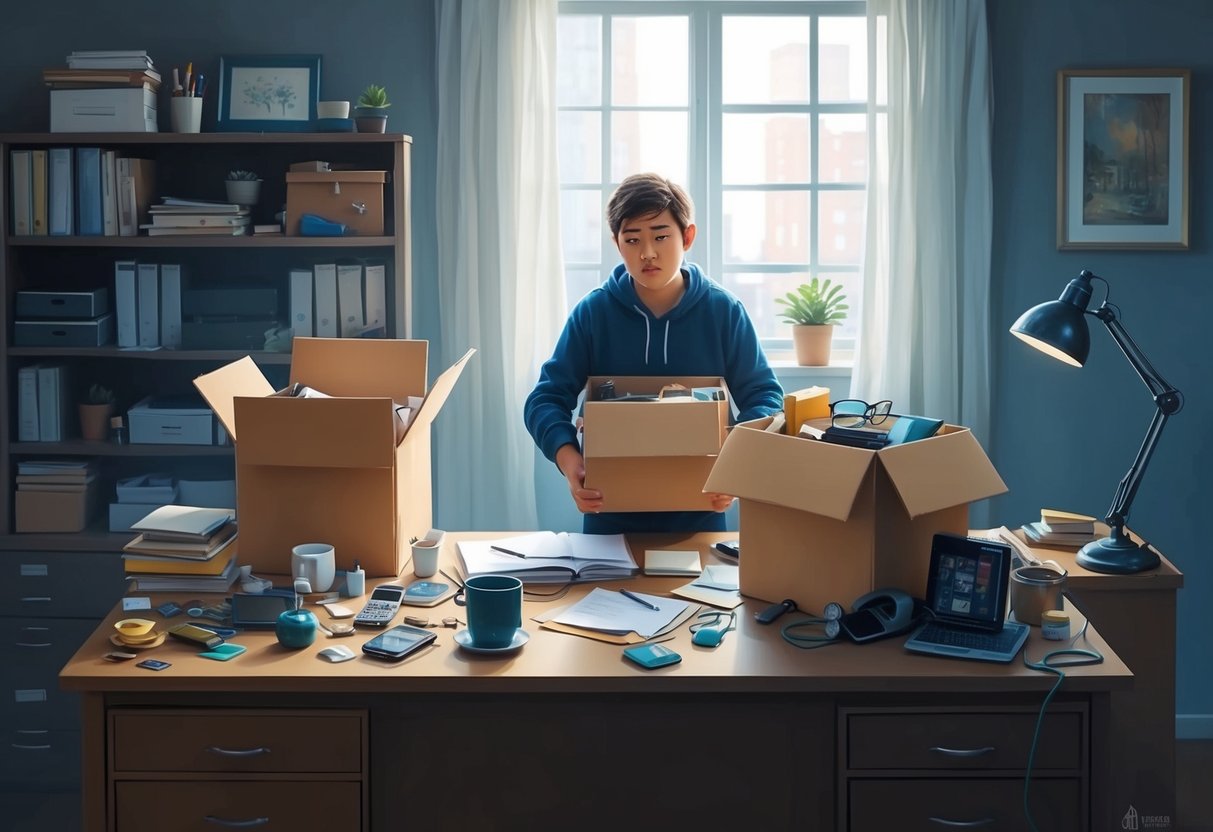
Downsizing for retirement is more than just getting a smaller house. It’s an emotional journey involving grief and stress.
Sentimental items and changes in living space can create feelings of sadness. Below, I explore these emotions and how to manage them effectively.
Acknowledging Grief and Sadness
When I think about moving from a larger family home to a smaller space, I feel a mix of emotions. How do you deal with the grief of leaving behind a place filled with memories?
The shift often brings sadness tied to saying goodbye to familiar spaces and moments. It’s like parting with a piece of life that will never return. This grief can be intense, sometimes much like losing something deeply personal.
Recognizing these emotions is the first step. I let myself feel the sadness and understand it’s a natural part of the process.
Seeking comfort in talking to family can also help, as they likely share similar feelings. Creating a keepsake box of important mementos or photos can also make the transition easier. By cherishing these items, I keep the connection to those cherished memories alive.
Addressing Stress and Anxiety
Downsizing introduces numerous changes, which can lead to stress and anxiety. I often worry about whether the new place will feel like home. Can I manage without all the space I’m used to?
These thoughts can be overwhelming. The new environment requires adjustments and adapting to a different lifestyle.
To tackle this, planning is crucial. I find that creating lists of what to move, what to store, and what to discard reduces some of the stress.
Visualizing the new living space and planning how to arrange things helps as well. Seeking advice from those who have gone through similar changes can also provide comfort and practical tips. By taking concrete steps, I reduce the anxiety that uncertainty brings.
The Importance of Memories and Heirlooms
Memories hold a significant place in my heart, linked to the items accumulated over a lifetime. How do I decide which cherished belongings to keep?
Each piece often comes with a memory that feels too precious to let go. While it may not be possible to keep everything, deciding thoughtfully can ensure the most meaningful items are preserved.
I sort items based on emotional connections and practicality. It helps to ask if the item truly enriches my life or if it can be shared with family members who might appreciate it.
Maintaining a digital archive of photos of certain items can also provide comfort. By focusing on what truly matters, I preserve memories while embracing the new chapter of my life.
Planning Your Move

Deciding to downsize can feel like a mountain to climb, but breaking it down into smaller steps can make the process smoother. By starting early and considering all your options, you’ll be ready for a fresh, new chapter.
Starting the Downsizing Process
Why not tackle this with intention? First, evaluate what you truly need.
Take stock of your belongings and separate them into categories like “keep,” “donate,” and “sell.” This streamlining not only reduces clutter but also paves the way for easier relocation.
It’s essential to set a timeline. Give yourself deadlines for each step—tidying up, organizing, and packing. This keeps the process from dragging on and becoming overwhelming.
Why do it alone? Ask for help from friends or family. They can offer fresh perspectives and hands-on assistance. Together, the process becomes more manageable and less stressful.
Choosing the Right Housing Options
When downsizing, picking the right home is crucial. You might consider a cozy apartment, a smaller house, or even a retirement community. It depends on your preferences and lifestyle.
Think about accessibility and convenience. Do you want to be near amenities like medical centers, grocery stores, or parks? Prioritize locations that fit your daily routines and long-term needs.
Financial considerations are key. Analyze property costs and ongoing expenses like maintenance fees. Your goal is to move to a place that not only suits your needs but also aligns with your budget.
Working With a Senior Move Manager
Ever considered a senior move manager? These professionals specialize in making relocations less stressful. By handling the details, they allow you to focus on what truly matters—retiring happily.
They assist with organizing, packing, and even unpacking. Their experience means the job gets done efficiently, saving you time and energy.
Also, they offer emotional support. Downsizing can be emotionally tough, but having someone knowledgeable and understanding by your side eases the transition.
Taking advantage of a senior move manager’s expertise can make the entire moving process a smoother, more pleasant experience. Their support allows you to step confidently into your new home.
Building a Support System

Navigating the emotional side of downsizing during retirement can be an intense experience. By leaning on a network of personal and professional support, this transition can become less daunting. Let’s explore how to build a strong support system.
Relying on Friends and Family
Did you know that friends and family often serve as the cornerstone of a robust support system? When I’m facing the emotional hurdles of downsizing, I lean on my loved ones.
They provide not only practical help but also emotional reassurance. Packing up years of memories can bring an avalanche of emotions, and having familiar faces nearby eases this burden. I find it’s crucial to communicate openly about my needs.
Sometimes, organizing joint decluttering sessions can make the process more enjoyable. This shared experience not only speeds up the work but also creates new memories to cherish. By involving friends and family in this part of my life, I strengthen my personal connections while tackling a challenging task.
Utilizing Professional Organizers
Have you ever considered hiring a professional organizer? These experts offer a fresh perspective and strategic approach that can transform a chaotic environment into a haven of order. I’ve found that professional organizers are invaluable in managing the physical and emotional aspects of downsizing.
They help me focus by creating a clear, actionable plan tailored to my specific situation. Professional organizers are skilled at decluttering, allowing me to identify which items to keep or discard. Their guidance often reduces stress and helps me maintain a sense of control.
Additionally, their experience in similar transitions means they can anticipate emotional triggers and address them sensitively. Partnering with a professional can make what seems like an overwhelming task feel manageable and efficient.
Connecting with New Communities
Isn’t creating new connections exciting? For me, joining communities of like-minded individuals can make downsizing less isolating and more fulfilling. Community centers, local clubs, or online groups provide opportunities to meet people going through similar experiences.
These connections offer emotional support while opening up avenues for sharing resources and advice. I often engage in group activities or workshops that are relevant to my new lifestyle, which helps me adapt more quickly.
Such communities can provide insights into the local area if I’ve moved into a different neighborhood. Participating in these groups helps me feel grounded and eases the transition, creating a sense of belonging and support in my new chapter.
Fostering Emotional Well-Being

Transitioning into retirement often involves emotional adjustments. It’s crucial to maintain a sense of purpose and keep relationships strong. Discovering new passions can also enhance emotional well-being.
Finding Purpose After Moving
Retirement and downsizing can leave you wondering what comes next. Have you thought about how you’ll fill your days? Exploring new opportunities can bring meaning.
Volunteering is one way to engage with others while contributing to your community. Consider joining local clubs or organizations, which can introduce you to people with similar interests.
Setting goals is also important. Whether it’s learning a new skill or planning a small home project, these activities help maintain a sense of purpose. Purpose drives emotional well-being, giving you a reason to get up and embrace each day.
Maintaining Identity and Relationships
Your identity is closely tied to your roles and relationships. Are you worried about losing touch with who you are? Staying connected with family and friends is essential.
Regular phone calls, video chats, or visits can nurture these bonds. Maintaining old traditions or creating new ones with loved ones can reinforce your sense of identity.
If your past work defined you, consider ways to stay involved or leverage your skills in retirement. For example, mentoring others can provide a fulfilling connection to your professional life without the daily grind.
Cultivating New Passions
Retirement offers a chance to explore interests you might not have had time for before. What hobbies or activities excite you?
Trying something new not only adds joy but also improves emotional well-being. Gardening, painting, or playing a musical instrument can be fulfilling and invigorating.
Engaging in social hobbies can also create new friendships and expand your social circle. Take part in community classes or events where you can meet like-minded individuals. Exploring these passions brings zest and enriches life, adding layers of happiness to your retirement journey.
Practical Considerations of Downsizing

When downsizing for retirement, making choices about possessions, adapting to a new living space, and understanding financial benefits are crucial. These steps help ease the transition to a more manageable home and provide potential financial relief.
Deciding What to Keep and Let Go
Downsizing means making tough decisions. What do I really need? Sentimental items can be hard to part with.
I suggest starting with a list of essentials. Categorize belongings as must-haves, maybes, and donations or sales. For sentimental items, ask yourself: Does this bring joy or merely take up space?
Consider whether an item fits the lifestyle you envision for retirement. Items that don’t serve a purpose may be best left behind. Using digital solutions, like taking photos of items with memories, can help ease the emotional burden of letting go.
Adjusting to a Smaller Home
Moving to a smaller home requires a mindset shift. Space will be limited, so organization is key.
I focus on furniture that serves multiple purposes—such as a table with storage—to maximize functionality. Get creative with storage solutions, like under-bed containers and wall-mounted shelves.
Think about the layout of the home. Prioritize rooms where you’ll spend the most time, like the living and kitchen areas. Open floor plans can make a smaller space feel larger and more welcoming. Is the layout going to be comfortable and convenient for my retirement years? These are important questions to consider.
Financial Benefits of Downsizing
The financial advantages of downsizing can be significant. By reducing living expenses, more funds might free up for the retirement lifestyle you’ve envisioned.
Smaller homes often mean lower monthly bills and maintenance costs. This can translate into substantial savings over time.
What would I do with extra savings? Travel more, invest, or contribute to a retirement fund?
Downsizing can also allow me to release equity by selling my current home, turning stored value into accessible cash. This shift isn’t just about saving money—it’s about making my money work better for me during retirement.