

Retirement is often seen as a time to relax and enjoy the fruits of our labor. Yet, does it sometimes feel more like a looming storm cloud? Many of us find the prospect of navigating this new chapter filled with anxiety and uncertainty. How do we even prepare for such a transition? By embracing gratitude, we can transform these feelings into a sense of peace and clarity. Gratitude is not just a fluffy feel-good concept; it’s a powerful tool that can shift our perspective on retirement and ease our worries. Imagine seeing retirement not as an end but as an exciting next stage of life. Practicing gratitude allows us to focus on what we have, rather than what we fear we might lose. This mindset helps in managing anxiety and enhancing our mental health. The magic of gratitude is its ability to rewire our thinking, encouraging us to cherish the present and look forward to the future with positivity. Can practicing gratitude truly change the way we face retirement issues? People have found that incorporating gratitude into daily life can also improve physical health and emotional well-being, making it easier to cope with life’s challenges. Adopt gratitude exercises and watch how they address negative thought patterns. Over time, you might notice a decrease in anxiety, allowing you to enjoy this phase of life to the fullest.
Key Takeaways
- Gratitude reduces retirement anxiety by changing focus from worries to appreciation.
- Regular practice of gratitude improves mental and physical health.
- Embracing gratitude helps manage negative thoughts and enhances peace of mind.
Understanding Retirement Anxiety
 Retirement anxiety is a common experience as people transition from years of work to a new lifestyle. It often involves worries about finances, identity, and purpose. The emotional toll can be significant, and understanding its effects is crucial for navigating this life change effectively.
Symptoms and Causes of Anxiety in Retirement
I often find that retirement anxiety shows up in different ways. Some people experience restless nights or constant worry about money. There’s a fear of outliving savings, leaving behind a career, or dealing with daily structure loss. It’s like stepping into the unknown, and for many, that can be unsettling. These symptoms often stem from stress hormones like cortisol, which increase when facing uncertainty. They contribute to a range of physical and emotional issues. This isn’t just about feeling nervous; it’s a mix of negative emotions and stress that can lead to serious problems. Some people may even develop anxiety disorders as their feelings become overwhelming. Understanding these roots helps to find ways to manage and reduce these feelings effectively.
The Impact of Retirement on Mental Health
Retirement isn’t always the golden years we imagine. It can affect mental health significantly without proper planning and support. The sudden shift from a busy career to a relaxed lifestyle can lead to feelings of loss or lack of purpose. This can cause generalized anxiety disorder for some, with persistent worry impacting overall well-being. Research suggests that ongoing anxiety can cause inflammation in the body, which affects health. The absence of daily work routines might make individuals feel isolated or disconnected from what brings them happiness. These changes highlight the need for intentional action to maintain mental health and embrace this new phase of life effectively.
The Science of Gratitude
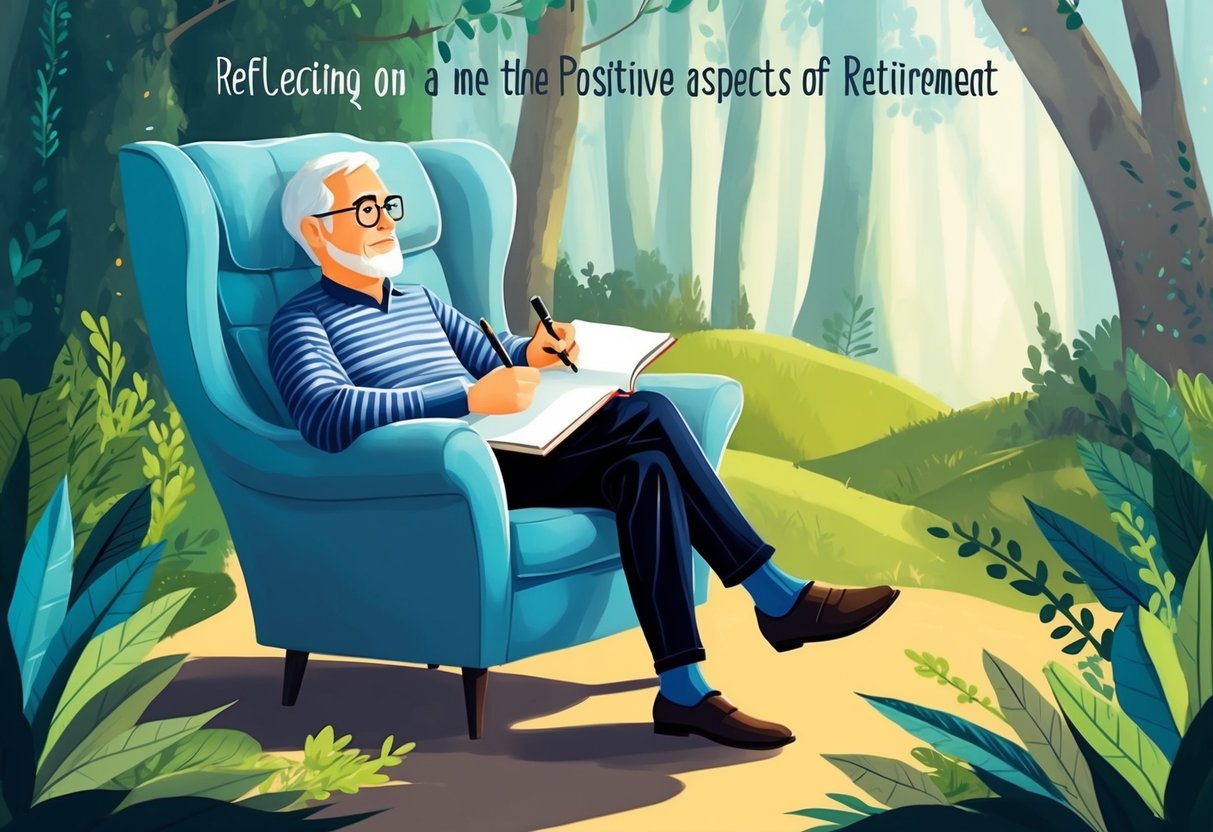 Gratitude is more than just feeling thankful. It’s a powerful tool that can enhance emotional well-being and boost happiness. By influencing the brain and neurotransmitters like dopamine and serotonin, gratitude creates a cascade of positive emotions.
How Gratitude Affects the Brain
Have you ever wondered how simple thoughts of thankfulness can change your brain? It turns out that gratitude activates regions of the brain associated with the production of dopamine and serotonin. These are the chemicals that make us feel good and happy. When we practice gratitude regularly, these areas in the brain become more active, leading to a more positive outlook on life. Think of gratitude as a mental workout. Like exercise strengthens muscles, gratitude strengthens neural pathways. Over time, this not only reduces stress and anxiety but also enhances our ability to cope with life’s challenges. Isn’t it amazing that a small shift in thinking can have such a big impact on our emotional health?
Gratitude’s Influence on Neurotransmitters
Why does gratitude have such a powerful effect? It’s all about neurotransmitters. When you express gratitude, your brain releases dopamine, a key player in motivation and reward. This surge boosts your mood and encourages you to seek out more positive experiences. Gratitude also elevates serotonin levels, which help regulate mood and emotional state. Together, these neurotransmitters help create a cycle of positivity. Regularly acknowledging and expressing gratitude leads to increased dopamine and serotonin production, making us feel happier and more content. Imagine how building this habit could transform the way you approach daily life and even retirement planning.
Gratitude and Physical Health
 Gratitude can greatly impact physical health by influencing bodily functions. It can have effects on blood pressure and cortisol levels, as well as reducing inflammation. These health benefits can be significant when working towards a healthier, more balanced lifestyle.
Effects of Gratitude on Blood Pressure and Cortisol
Did you know that feeling grateful can physically affect your body? Gratitude practices have been shown to lower blood pressure, a key indicator of heart health. By focusing on the positive aspects of life, individuals may experience a calming effect, helping to stabilize heart rates and potentially prevent hypertension. Additionally, stress-related hormone cortisol can be reduced by practicing gratitude. High cortisol levels are often linked with stress and anxiety, impacting many aspects of health. When I take time daily for gratitude exercises, like noting things I’m thankful for, I find that my stress levels decrease. This decline in cortisol can lead to improved emotional well-being and better physical health, similar to benefits gained from physical exercise.
Gratitude and Inflammation Reduction
Inflammation is a natural response by the immune system, but chronic inflammation is linked to various diseases. Gratitude practices can help manage this by promoting a more positive mindset. Studies suggest that being thankful can reduce markers of inflammation in the body. I have seen how gratitude can ease inflammatory responses, which means fewer health issues related to inflammation in the long run. By maintaining a gratitude journal, I can focus on positive experiences, decreasing stress and possibly leading to reduced inflammatory responses. The simplicity of this practice means it’s easy to incorporate into everyday life, potentially offering benefits without the need for additional medication or supplements.
Practical Gratitude Exercises
 Practicing gratitude can be a powerful way to ease retirement anxiety and add a sense of peace to daily life. By focusing on the positives, we shift our mindset and embrace each moment with a clearer perspective.
Keeping a Gratitude Journal
Have you ever thought about starting a gratitude journal? It’s a simple habit that can transform your mindset. Every night, I write down three things I’m thankful for in my journal. It helps me reflect on the day and appreciate the small joys that often go unnoticed. Writing in a gratitude journal doesn’t require much time. Spending just a few minutes jotting down your thoughts can start your day on a positive note or help you unwind before sleep. It’s a great tool for focusing on the present moment and reducing anxiety. This habit helps build resilience and encourages a positive attitude, making those nagging worries about retirement a bit lighter.
Mindfulness and Gratitude Practices
How often do we stop to appreciate the here and now? Mindfulness combined with gratitude is like a breath of fresh air. Practices like deep breathing and meditation allow me to slow down and notice life’s simple pleasures. When I practice mindfulness, such as deep breathing, I focus on the present. This helps me to let go of past regrets and future worries. Integrating gratitude into these moments amplifies the benefits, shifting my attention from what stresses me to what I appreciate. This dual approach can be a powerful strategy to combat anxiety, making the journey toward retirement more fulfilling and less stressful.
Improving Emotional Coping Skills
 Life changes can be challenging, especially around retirement. It’s normal to feel anxiety, but focusing on improving emotional coping skills like compassion and managing negative emotions can make a big difference.
Cultivating Compassion and Empathy
Why does compassion matter? Feeling compassion for yourself and others can reduce anxiety and frustration. I try to start my day with a small exercise: reflecting on what I’m grateful for. Even simple things count, like a sunny morning or a friendly neighbor. This practice helps me shift my focus from what’s stressing me out to what makes life meaningful. Empathy allows us to connect deeply with others, fostering positive emotions. By listening actively and openly, I find it easier to understand different perspectives. This reduces misunderstandings and creates a supportive environment. Practicing compassion and empathy not only improves my relationships but also strengthens my ability to cope with emotional challenges.
Managing Negative Emotions and Anxiety
When anxiety strikes, how can you manage it effectively? Stress and negative emotions can feel overwhelming, but simple coping tools help. Deep breathing is one such tool. Just a few minutes of slow, deep breaths can calm the nervous system. I count to four as I breathe in, pause, then exhale counting to four again. This technique helps lower anxiety levels. In addition, it’s beneficial to identify triggers for anxiety. When I know what’s behind my stress, I can work towards addressing it. Journaling also helps—it lets me express feelings and observe patterns in my emotions. These approaches not only help manage negative emotions but also promote a more balanced and peaceful mind.
Addressing Negative Thought Patterns
 We all know that shifting our mindset can be a game-changer, especially for those feeling anxious about retirement. Tackling negative thoughts requires practical tactics and understanding of one’s own mental habits.
Challenging and Reversing Negative Thoughts
Have you ever caught yourself in a spiral of negative thinking? This happens when doubts and anxieties take center stage. To tackle this, I often begin by identifying these thoughts as they arise. Naming them—such as feelings of guilt or insecurity—helps reduce their power. Habit reversal training is a powerful tool. This involves replacing negative thoughts with positive affirmations. I might remind myself of past successes whenever doubt creeps in. Reflecting on moments of gratitude can also change the narrative, providing a sense of calm and reassurance. It’s like flipping a mental switch from negative to positive. By challenging these thoughts directly, it’s possible to break free from the patterns that fuel anxiety.
Techniques to Break the Cycle of Rumination
Rumination can become a trap that stops us from enjoying the present. Have you ever found yourself replaying scenarios over and over? One technique I use is setting specific “worry time” each day. This limits how long I dwell on these thoughts. Instead of letting them intrude all day, they have their moment—and no more. Another technique involves mindfulness and grounding practices. Simple exercises, like focusing on each breath or engaging fully in an activity, help divert my mind from anxious thoughts to the here and now. Journaling is also effective, where I write down what bothers me and then reflect on any solutions or positives I overlooked. Combining these approaches, I can disrupt rumination and cultivate a more peaceful mindset.
Incorporating Gratitude Into Daily Life
 Incorporating gratitude into your daily routine can significantly ease retirement anxiety by shifting focus from worries to positive emotions. Practicing gratitude helps foster a mindful perspective, bringing contentment in simple moments.
Simple Acts of Appreciation
Have you ever considered how small gestures can transform your day? Simple acts of appreciation can have a profound impact. I suggest starting each morning by acknowledging three things you are grateful for. They could be as basic as the morning coffee or a kind nod from a neighbor. Another easy method is to show gratitude to others. A “thank you” note or an unexpected compliment can enhance not just the receiver’s mood but also your own. Try incorporating this into daily interactions at work or home. Expressing appreciation can create a positive atmosphere, encouraging more of it in return. Gratitude enhances my happiness and influences how I see challenges and setbacks. Over time, these simple acts can lower stress and foster positive emotions.
Building a Sustainable Gratitude Routine
Building a gratitude routine doesn’t need to be complicated. What if you set aside just five minutes each day? Reflecting on things that bring you joy or peace can be an effective strategy. Keep a journal. Write down thoughts of thankfulness regularly. It encourages mindfulness and helps me track the positive aspects of my life. This practice can have lasting impacts on mental health by reducing anxiety and depression, highlighted in the article on mental wellness and gratitude. Consider pairing gratitude with daily activities, like daily walks or quiet ideas before bedtime. Routines like these become second nature, enriching my perspective and making it easier to navigate uncertainties. Wouldn’t you like that sense of calm as you approach retirement?
Overcoming Barriers to Gratitude
 Embracing gratitude isn’t always easy, especially when dealing with emotions like guilt or facing significant life changes. Let’s navigate how to practice gratitude effectively even when obstacles arise.
Dealing With Guilt and Forgiveness
Guilt can be a powerful emotion that clouds gratitude. It often lingers when we haven’t forgiven ourselves or others. I’ve found that starting with forgiveness can pave the way for gratitude. Why hold onto guilt when it only pulls us back? To tackle guilt, I make a list of things I feel guilty about and start addressing them one by one. This might involve having difficult conversations or simply forgiving myself. This practice clears my mind and opens up space for gratitude. It’s not about ignoring guilt but rather transforming it into a more positive force.
Gratitude When Coping With Loss and Change
Loss and change are part of life, but they can make gratitude seem like a distant dream. I understand how these situations can shake your foundation. When facing loss, whether it’s a loved one or a life phase, it’s important to lean into gratitude slowly. In these moments, I start small. Maybe it’s appreciating the support of friends or the strength to get through another day. These small gratitudes can expand, helping ease anxiety and even insomnia. Throughout change, gratitude serves as a grounding force, reminding us of what remains constant amid the chaos. These practices don’t remove the pain of loss or the discomfort of change, but they offer a beacon of light. They help us reset our focus on the positive aspects of life, strengthening our ability to cope.