

Navigating the world of healthcare planning feels like a daunting task, doesn’t it? We’re all trying to make the best decisions for our futures, especially when it comes to our health. So, why not let employer benefits play a vital role in this journey? They offer hidden advantages and can become a cornerstone of a sound healthcare strategy. While financial advice often focuses on saving and investing, many forget the potential of using benefits wisely. I’m here to show you how these benefits can offer unexpected support and peace of mind. Whether it’s augmenting your healthcare planning or creating a solid safety net, leveraging what your employer provides can be a game changer.
1) Tax-Free Health Savings Accounts
 Have you ever thought about how much money slips through your fingers because of taxes? When it comes to healthcare, every cent saved is crucial. That’s where Health Savings Accounts (HSAs) come into play. HSAs offer a great opportunity to save on taxes while planning for medical expenses. HSAs aren’t just about saving for immediate needs. They provide a powerful way to manage healthcare costs in retirement. Contributions to an HSA are tax-deductible, which directly lowers your taxable income. Can you think of a better way to reduce taxes while preparing for future healthcare costs? With many employers offering high-deductible health plans, having an HSA becomes an even more strategic choice. You don’t just get tax-free contributions, but the money in the account grows tax-free as well. Investing your HSA can lead to substantial savings over time, especially when you let the funds grow for long-term needs. Here’s the best part: withdrawals from an HSA for approved medical expenses are also tax-free. This triple tax benefit—contributions, growth, and withdrawals—makes HSAs an attractive option. Why miss out when you could be maximizing your savings for now and the future? The flexibility of HSAs allows them to be used for a wide range of expenses, from prescriptions to vision care. As you approach retirement, having a well-funded HSA can relieve some worries about covering medical costs without depleting other savings. Using an HSA can make healthcare less of a burden. Making sure you contribute as much as you can to your HSA every year can really pay off. It’s like planting a small tree today and reaping a forest tomorrow. Isn’t it time to start exploring what an HSA can do for you?
2) Flexible Spending Account Options
 Have you ever considered how a Flexible Spending Account (FSA) could change your financial approach to healthcare? FSAs allow you to set aside pre-tax dollars for eligible medical expenses. This includes things like prescriptions, co-pays, and even some over-the-counter medications. Why let Uncle Sam take a bigger chunk when you can leverage those funds? Using an FSA effectively reduces your taxable income. Saving money on taxes can free up cash that might just make it easier to manage other expenses on the horizon. FSAs also come with a few considerations. It’s important to know the rules about “use it or lose it” provisions. Most FSAs require you to use the funds within the plan year, or you risk losing unspent money. Some employers offer a grace period or let you carry over a small amount, but it’s crucial to confirm the terms. Are you ready to have more control over your healthcare spending? When you budget these costs ahead of time, you prevent surprises and can ensure that you have money for both expected and unexpected medical needs. FSAs aren’t just about healthcare costs. They can also cover dependent care expenses, which can be a significant relief for working parents. Imagine having a way to handle daycare or summer camp costs with pre-tax earnings. Choosing to use an FSA is a strategic move in financial planning. Who wouldn’t want to save money while also gaining the peace of mind that your medical expenses are covered? Understanding how to navigate these options can play a pivotal role in enhancing your financial flexibility. If you’re looking to maximize your employer benefits, this is an option worth exploring. Learn the details, plan wisely, and make these accounts work for you. Is there a better way to stretch your hard-earned dollars?
3) Employer-Sponsored Wellness Programs
 Employer-sponsored wellness programs are a smart way to boost your healthcare planning. These programs provide a range of benefits tailored to support both physical and mental health. Have you ever considered how much difference a gym membership or a mindfulness session could make in your life? Companies are investing in wellness to keep their workforce healthy and productive. From fitness classes to nutritional guidance, these programs often cover activities aimed at improving overall well-being. At times, they even include unique perks like access to massage therapy or first-aid training. Wellness programs can also ease financial burdens. Many employers offer discounts on sports gear or cover memberships at local gyms. Such benefits not only save money but can also encourage a healthier lifestyle. Who wouldn’t want to save some cash while getting fit? Virtual wellness options are gaining popularity too. In today’s flexible work environment, having access to digital wellness resources makes it easier to engage in health initiatives. Whether working from home or at the office, you can attend workshops and fitness classes online. Staying proactive about health with these programs enhances long-term financial security. With better health comes reduced medical bills and fewer sick days. Isn’t it empowering to know you can improve your health while potentially increasing your savings?
4) Access to Telemedicine Services
 Have you ever felt the squeeze of balancing work, health, and family? I know I have. That’s where telemedicine comes into play, offering a flexible solution for managing healthcare without leaving your home. Imagine having access to doctors right from your living room. How convenient is that? Telemedicine services can save both time and money. Think about the hours spent waiting in a doctor’s office, plus the drive there and back. With telemedicine, you eliminate that hassle. Many employers are offering it as a part of their benefits package, which means lower costs for consultations and even prescriptions. Telemedicine isn’t just for common ailments. It’s a robust system that can also provide mental health support. This can be a game-changer for those of us balancing stressful schedules. Some employers are now covering behavioral health through telemedicine options, making it easier to access the support we might need. With telemedicine, healthcare becomes more accessible not just for full-time employees but also for part-time and seasonal workers. Employers often pay a group rate, allowing more people access to these essential services at a lower cost. This is a win-win situation for us all. The future of healthcare is at our fingertips. As more companies embrace telemedicine, it may be wise to see what options your employer provides. Ask yourself how such services could change the way you and your family manage health.
5) Discounted Gym Memberships
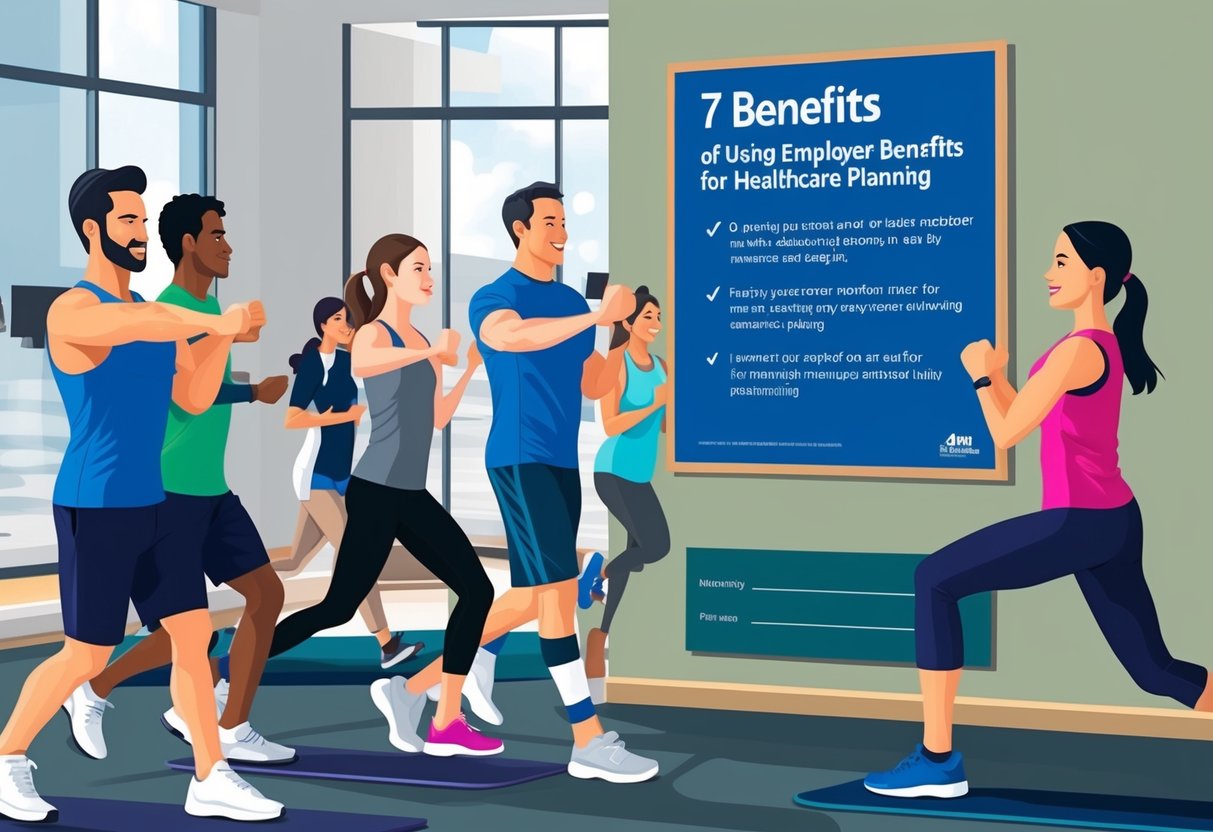 Have you ever noticed how a gym membership can feel like a luxury? Many companies offer discounted gym memberships as part of their benefits package, and it’s not just about saving money. It’s about investing in your health and well-being. Imagine having the chance to work out whenever you want without worrying about the cost. That’s what these discounted memberships offer. Access to health and fitness resources means you can focus on your fitness goals without financial stress. It’s like having a personal wellness fund supporting you. When employees are healthy, they tend to be more productive and miss fewer workdays. That’s a win-win for both employees and their employers. Regular physical activity reduces stress and boosts energy, improving work performance. These memberships usually come at a lower cost, making high-quality gym facilities more affordable than ever. Typically, the average monthly gym membership costs between $40 and $70, but with corporate benefits, that becomes an even smaller investment. You can find more on the cost analysis of gym memberships here. For those of us over 40, keeping active is crucial. It supports not just physical health but mental clarity, essential for sound financial decision-making. Plus, it’s a great way to connect with others, share experiences, and build a sense of community. Are you considering whether these benefits align with your lifestyle? Think about how it fits into your healthcare planning. Besides saving money on membership fees, it might save you on healthcare costs in the long run. And let’s face it, every penny saved is a penny earned.
6) Mental Health Support Programs
 Have you ever wondered about the power of mental health support programs in the workplace? I’ve seen firsthand how these programs can transform not just individuals but entire organizations. Offering access to mental health resources helps reduce stress and improve well-being among employees. When workers feel supported, they often perform better and are more engaged in their roles. Think about the pressures life can heap on you. Balancing work, family, and finances isn’t always easy, right? Mental health support programs provide employees with tools like counseling and stress management workshops. They can make all the difference when life gets overwhelming. In my experience, having these resources can take a burden off employees’ shoulders. It’s fascinating to watch how companies investing in mental health see a shift in their work environment. People start feeling safer to express their concerns and share ideas. This often results in increased creativity and productivity. Is it possible that by taking care of mental health, we are actually taking care of business? I believe so. Offering mental health benefits isn’t just a perk – it’s a strategy for success. Employers who understand this see reduced absenteeism and turnover. Simply put, happy, healthy employees stick around longer. The question is, why wouldn’t every company want to seize this opportunity? When you take action to support mental health, it certainly pays off in ways beyond just the financial.
7) Preventive Care Incentives
 Have you ever wondered why some people seem to stay healthier longer? It’s not just luck; it often comes down to taking advantage of preventive care incentives offered by employers. These programs are designed to keep you on top of your health game. Preventive care incentives can include free screenings, vaccinations, and regular health check-ups. These services help catch potential health issues early, saving time, money, and stress down the line. Imagine the peace of mind knowing you’re actively managing your well-being. Employers often provide educational workshops to highlight the importance of these benefits. It’s not just about awareness—it’s about understanding how to make the most of what’s available to you. This can be a game-changer in health planning. Incentives might come in various forms, such as discounts on insurance premiums or contributions to health savings accounts. Why not take advantage of opportunities that could have long-term financial benefits? It’s about making smart choices now to save later. Regular communication from your employer can emphasize how preventive care contributes to overall well-being. It’s a simple but effective strategy to stay invested in your health. Could this not be a wise step toward securing a healthier future? One approach that works well is combining education with incentives. This means learning about the benefits, followed by tangible rewards for participation. Employers know that this combination can lead to a more engaged and healthier workforce. Consider what’s available at your workplace. Are there incentives you’re not using? Taking full advantage of preventive care options today could translate into significant savings and a healthier lifestyle tomorrow. Why leave these benefits on the table when they’re designed to serve you?
Understanding Employer Benefits for Healthcare
 Navigating employer benefits can seem complex, but it’s crucial for maximizing healthcare planning. When we break it down, it appears less daunting and more like an opportunity to enhance personal financial and health security.
Overview of Typical Employer-Provided Benefits
You might be surprised by how varied employer benefits can be. Beyond basic health insurance, many companies offer dental and vision coverage, flexible spending accounts (FSAs), and health savings accounts (HSAs). These benefits often come with enrollment options that let you tailor them to suit your specific needs. Employers might even provide wellness programs, which can include gym memberships or discounts on health-related products and services. Some even offer telemedicine options. Understanding these benefits can help you choose the right combination to suit your health needs and financial situation.
How Employer Benefits Integrate With Personal Health Plans
How do employer benefits fit with personal health plans? This question often pops up when reviewing your options each year. Employer benefits often serve as the foundation, while personal health plans can fill in the gaps. You can use HSAs or FSAs, for instance, to manage out-of-pocket expenses not covered by your primary plan. Coordinating employer-provided insurance with personal plans allows for greater flexibility and coverage. This integration can mean having better access to specialists or services not covered by a single plan. By aligning these resources wisely, you can improve your health management without breaking the bank.
Strategic Planning for Healthcare Using Employer Benefits
 When it comes to healthcare planning, using employer benefits can offer distinct advantages. These benefits can be tailored to meet your personal needs and provide financial perks that might not be available through individual plans. Let’s explore how you can align these benefits with your healthcare requirements and maximize their financial potential.
Aligning Benefits With Personal Healthcare Needs
Have you ever wondered if your current healthcare plan meets your actual health needs? Aligning your employer-provided benefits with personal healthcare requirements is crucial. Often, employer plans offer customizable options. This means you can choose coverage for specific areas such as mental health, chronic conditions, or preventive care. For example, many plans allow for a variety of add-ons, which can be tailored to families, individuals, or even specific health concerns. This flexibility helps to ensure that your plan directly supports your unique health priorities, providing peace of mind and bolstering overall well-being.
Financial Advantages of Employer Plans
Why pay more when you can get more for less? Employer plans often come with built-in financial advantages like reduced premiums and lower deductibles compared to individual market plans. This is because employers typically negotiate better rates with insurers. Additionally, contributions made by your employer can significantly offset costs. What’s more, these plans may include health savings accounts (HSAs) or flexible spending accounts (FSAs), allowing you to set aside pre-tax dollars for medical expenses. This means extra savings that can have a profound impact on your long-term financial health, especially as you plan for retirement.