

Navigating the world of Medicaid can seem daunting, especially with state-specific rules that vary significantly. You might wonder why these differences exist and how they affect you or your loved ones. Understanding these nuances could make a crucial difference in financial planning and healthcare coverage. As someone who’s been baffled by the array of options, I know the importance of getting clear explanations. While traditional advice might leave you feeling stuck, exploring these state-specific insights can reveal opportunities you didn’t know were available. Let’s delve into what makes each state’s regulations unique and why they matter.
1) Eligibility Requirements Vary by State
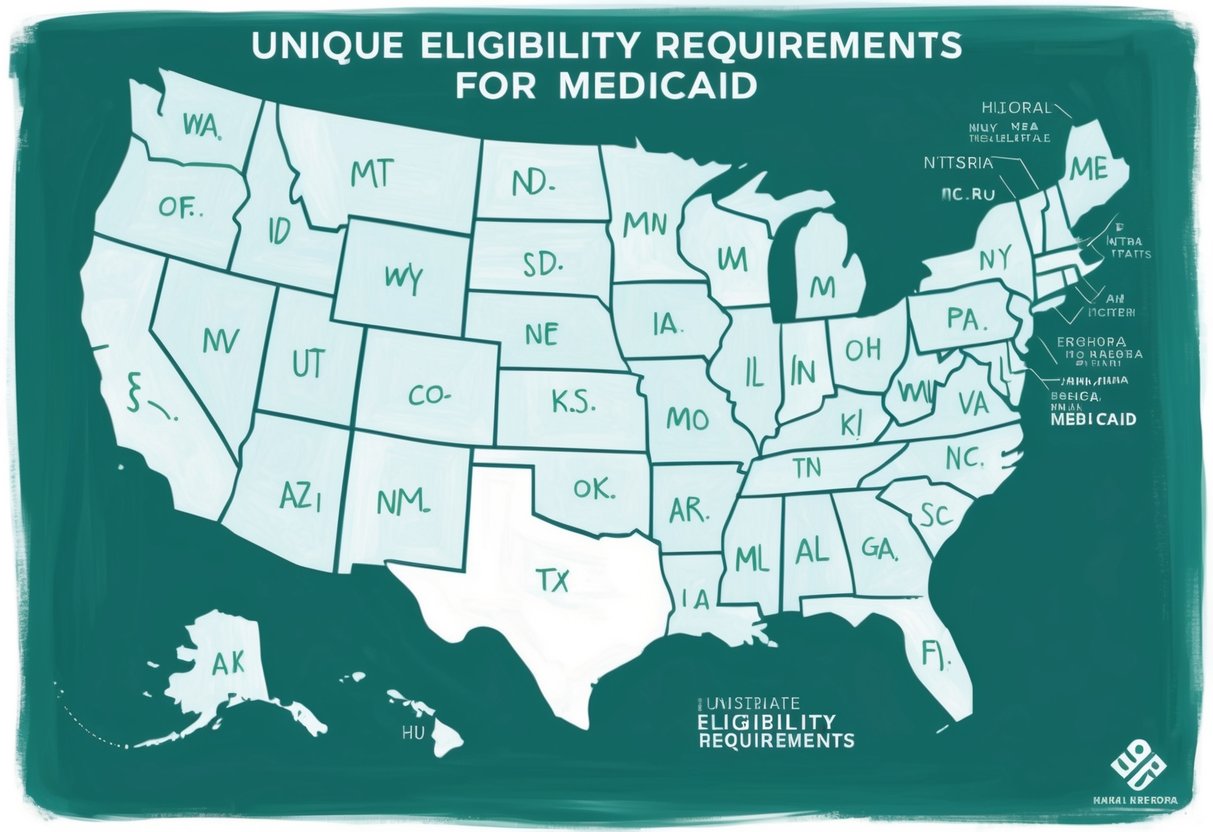 I’ve often found that the nuances of Medicaid can be like a maze. What works in one state might not apply in another. Have you ever wondered why this is the case? It comes down to how Medicaid is structured. Each state administers its own program, leading to a tapestry of unique eligibility rules. States have the autonomy to decide on their specific income limits and asset criteria. Some states might set generous income caps, while others are stricter. For instance, income limits can vary significantly, impacting whether someone qualifies for benefits. You shouldn’t assume that what’s true in one area applies to another. There’s often more to it than just income. Asset limits also play a significant role. One state might allow you to have a certain amount in savings or property, while its neighbor has different thresholds. This complexity requires careful planning and sometimes an adjustment of expectations. Different states also have their own processes for applying and qualifying. While many provide online applications, others might require more paperwork or in-person visits. Understanding these processes can help you navigate the system more efficiently, reducing your stress and frustration. Rules and benefits can extend beyond simple numbers. Some states go further by offering additional programs or services for specific groups, like seniors or people with disabilities. This diversity means that Medicaid can be a lifeline for some, while others may need to explore different options. Curious about your state’s specifics? Visiting resources like Medicaid Planning Assistance might shed some light on the detailed criteria you need to meet. Knowledge is power, and knowing your state’s requirements can keep you a step ahead in planning for your future.
2) Income Limits Differ Regionally
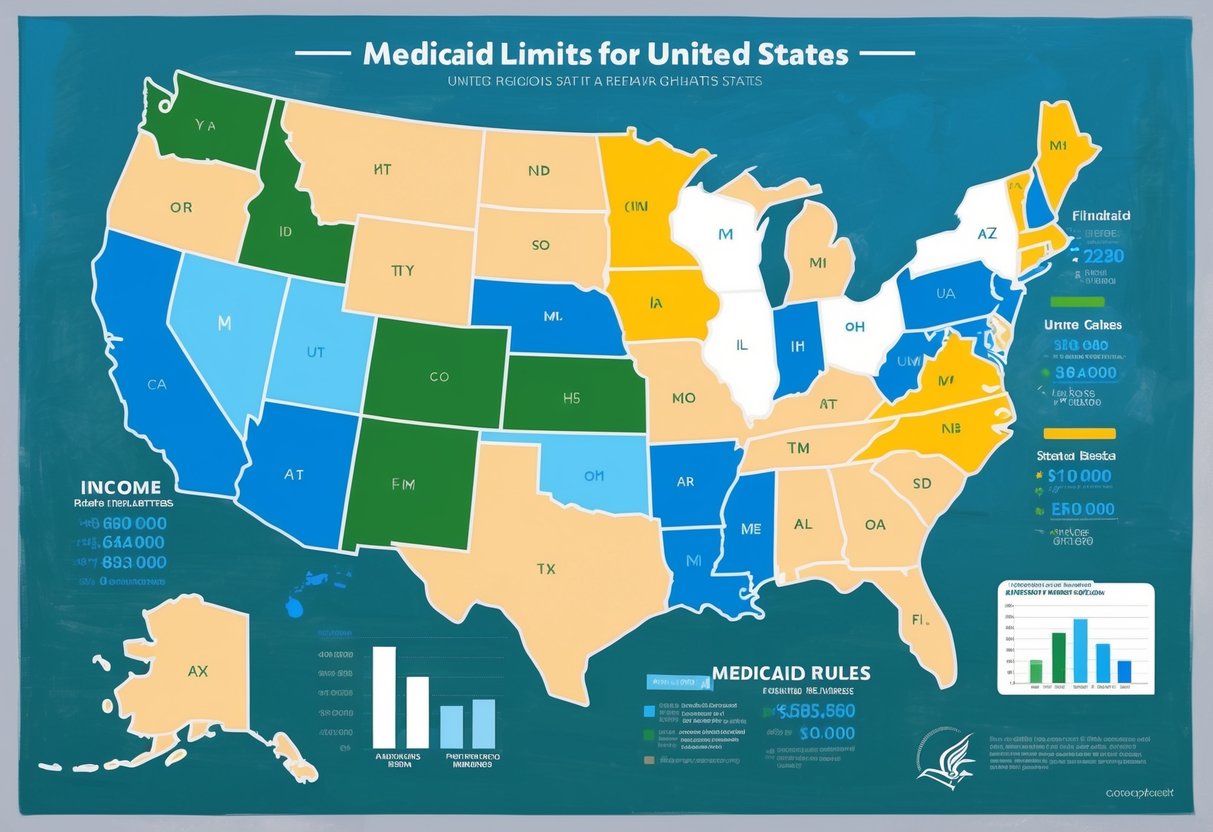 When it comes to Medicaid, income limits are like the unspoken twist in a financial plan. They vary not just by the state but also by different circumstances. Ever wondered why this disparity exists? States have their own rules to determine who qualifies for Medicaid. Picture a family of four in Alabama. If they earn less than $3,650 a month, they meet the income qualifications for Medicaid for their children. This number can be vastly different if you move to another state. For instance, Medicaid allows no set income limit for certain services like Kansas Medicaid Waivers. Here, income over $2,829 must go towards the cost of care, showing how state-specific adjustments can affect financial planning. Why should this matter to you? Because understanding these limits could impact how you manage your healthcare costs. It’s bewildering how two spouses can be allowed up to $3,000 as a couple under certain Medicaid rules in some states. Yet, there isn’t always a Community Spouse Resource Allowance, as seen in some eligibility guidelines. Each state puts its own spin on what income qualifications mean for its residents. This creates a unique landscape where one size does not fit all, and I need to navigate these waters carefully. Wouldn’t you agree that the variation in income limits might influence how you plan your finances? In many ways, these regional differences extend beyond mere numbers. They challenge us to question how flexible our financial strategies are. This isn’t about making radical changes but understanding the rules so that we can make informed decisions that benefit us and our families.
3) Asset Transfer Rules Affect Eligibility
 Have you ever wondered why asset transfers can impact your Medicaid eligibility? It’s all about the five-year look-back period. This rule checks any transfers you’ve made for less than market value during the five years before applying. Why is this important? If assets are given away during this time, you might face penalties. So, what does this mean for homeowners like you and me? Owning a home isn’t always a barrier to qualifying. In some cases, homes are considered noncountable assets up to a certain value. This can be a relief when planning for long-term care, but there are specific rules to follow. Did you know that transferring assets to a spouse or setting up an irrevocable funeral trust might also avoid penalties? These strategies can be part of a well-planned approach to protect assets legally. Each state has nuances, and it’s crucial to navigate these differences effectively. Why take chances with something as important as eligibility? Learning the ins and outs of these rules can provide peace of mind. Make sure you’re aware of how state-specific regulations might affect you. Understanding asset transfer rules requires vigilance and smart planning. The choices we make now can have a long-lasting impact on our Medicaid eligibility. Making informed decisions means taking control of your future, ensuring that your hard-earned assets are protected.
4) Application Processes Are State-Specific
 Have you ever noticed how different state’s rules can be like navigating a maze? Medicaid’s application process is a prime example of this variability. Each state has its own unique set of rules and procedures. This means that what works in one state might not apply at all in another. Take a moment to consider how these differences impact applications. Some states offer a streamlined, single application for Medicaid and programs like SNAP and TANF all at once. In other places, separate applications might be mandatory, depending on the programs you apply for. Workers in each state must also be ready to handle these unique scenarios. They occasionally confront challenges unique to their area, ensuring every individual’s needs are met correctly. Even in states with streamlined processes, there’s still a demand for enrollment assistance. For instance, Arizona has made strides by offering a unified application that supports multiple assistance programs. This effort helps cut through the red tape and makes life a bit easier for those navigating the process. All these variations mean that I need to be aware of the specific rules in my state. Navigating the system requires understanding these differences and staying informed. Isn’t it empowering to know how to tackle such complexities head-on?
5) Medicaid Waiver Programs Vary Widely
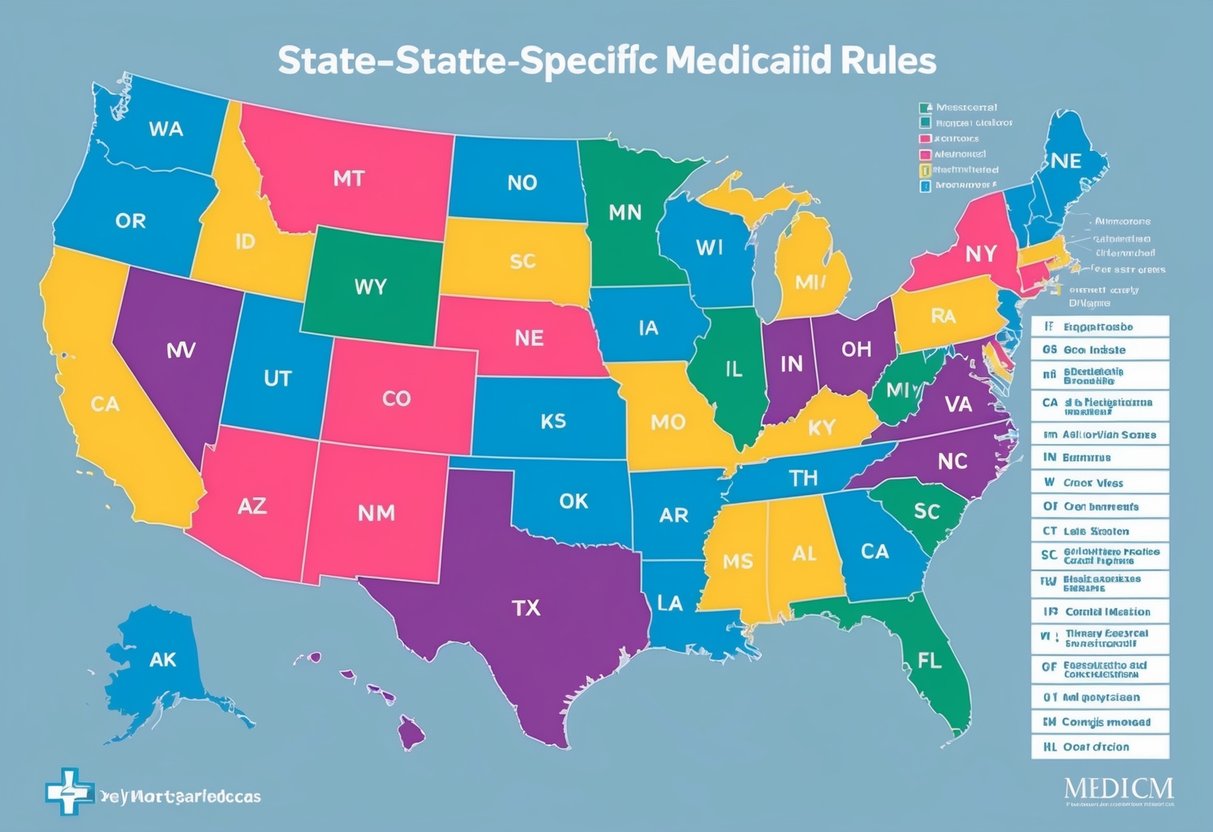 Did you know that Medicaid waiver programs can differ drastically from state to state? It’s true. These waivers allow states to test different approaches to providing Medicaid services. This means what works in one state might not be happening in another. It’s like a financial adventure, where each state decides its own path. The flexibility of these programs means states can tailor Medicaid to their unique needs. For example, some states focus on expanding coverage to more people. Others might prioritize providing specific services, like mental health care or home-based care for the elderly. Keeping up with these changes can feel overwhelming. But it’s essential for making informed decisions, especially if you or a loved one depend on Medicaid. In this landscape, knowledge is power. Why does this matter to you? Understanding your state’s waiver programs can offer insight into what services you can access. Perhaps there are options you haven’t considered that could ease your financial burdens during retirement or when helping family. I’ve seen firsthand how a good grasp of these programs makes a difference. Several people I know have found unexpected benefits that significantly improved their financial planning. Remember, with Medicaid waivers, the devil is in the details. Each state’s approach can affect how much you pay out of pocket or what services you or your family can use. Are you ready to navigate this complex but crucial landscape? Embrace the challenge, as it may unlock potential benefits you didn’t know about.
6) Estate Recovery Rules Differ by State
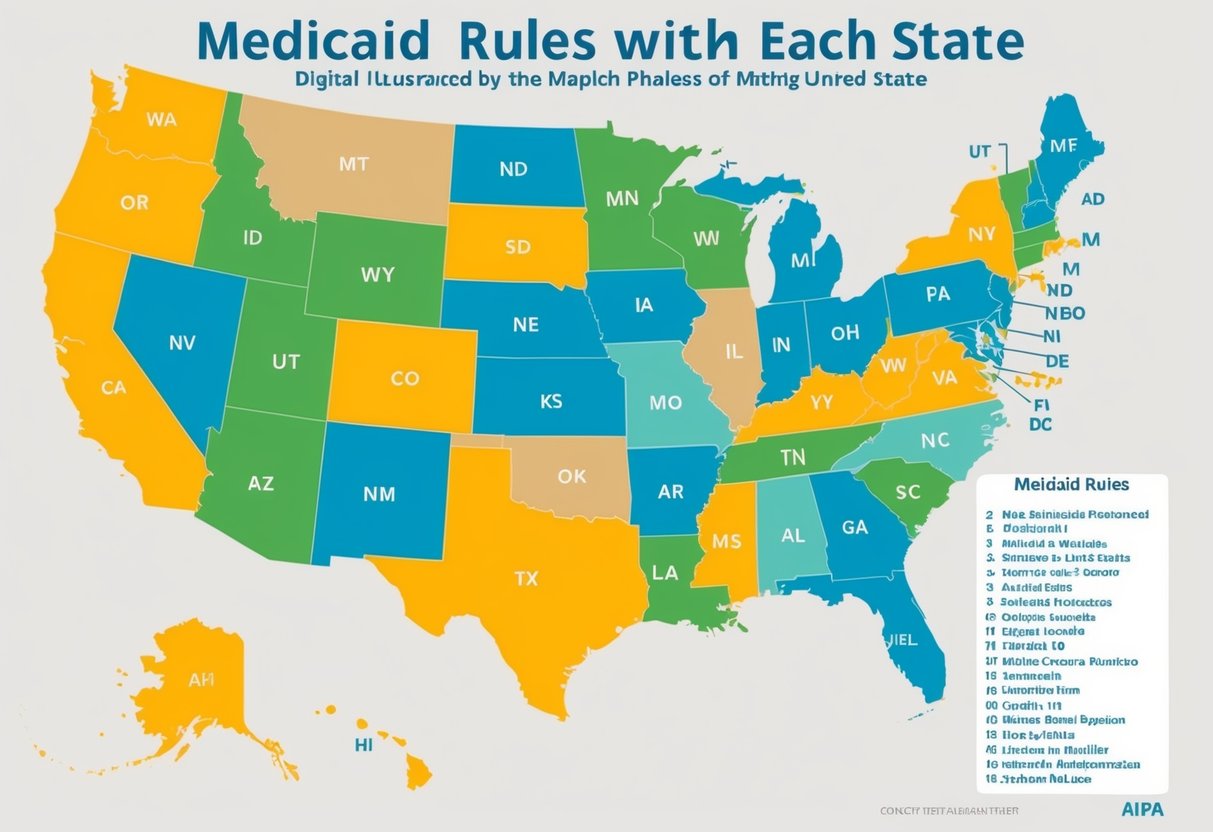 Have you ever thought about how the Medicaid Estate Recovery Program might affect your family? It’s something many don’t consider until it’s too late. Each state takes its own approach to estate recovery, which can make navigating the system confusing. Why does estate recovery vary from state to state? While federal guidelines lay the groundwork, states have the freedom to create specific rules and policies. This includes deciding which assets can be recovered and establishing exemptions. It’s like playing a game where each state has its own unique rules. Some states attempt to recoup costs for various Medicaid services beyond just nursing home care. It’s essential to know the specific recovery process in your state, as it can impact your estate plans significantly. Understanding these differences can help prevent potential financial pitfalls. Perhaps you’re thinking about how to best protect your assets. Knowing the ins and outs of your state’s regulations can make all the difference. By becoming familiar with state-specific rules, you can better prepare for the future. Planning is crucial, especially for people over 40 who are starting to worry about retirement and providing for their families. Taking a proactive approach can help ease those worries, allowing you to focus on what truly matters—your life and your loved ones. Medicaid estate recovery might seem daunting, but knowledge is power. With a clear understanding of how your state handles recovery, you’re in a better position to protect what you’ve worked so hard for. How do you plan to tackle this challenge?
Understanding State-Specific Medicaid Rules
 Navigating Medicaid can feel like solving a complex puzzle. Each state has unique rules that affect eligibility and application processes. Understanding these can empower you to make informed decisions about healthcare access.
Eligibility Criteria
Ever wonder why eligibility varies by state? The key lies in each state’s specific income limits and asset rules. For instance, income levels for qualifying can depend on household size and composition. Some states also have different asset thresholds, which can include properties or savings. What’s more, some states expand Medicaid beyond the federally mandated groups, like children and pregnant women, to cover more adults. This can significantly influence your access to benefits. It’s crucial to check your state’s specific income limits; detailed information is available on state-specific fact sheets.
Application Procedures
Applying for Medicaid isn’t a one-size-fits-all process. States have different application methods, such as online, in person, or via mail. An efficient way is to use the state’s Medicaid portal, which often provides step-by-step guidance and required documents. Timing is essential. Know that each state has its processing times, and missing deadlines can delay or deny benefits. Be prepared with necessary paperwork like income verification and identification. Tracking your application is also crucial, often possible through the state’s Medicaid website. For more details, you can explore resources and state overviews that offer further insights into specific procedures.
Coverage Variations Across States
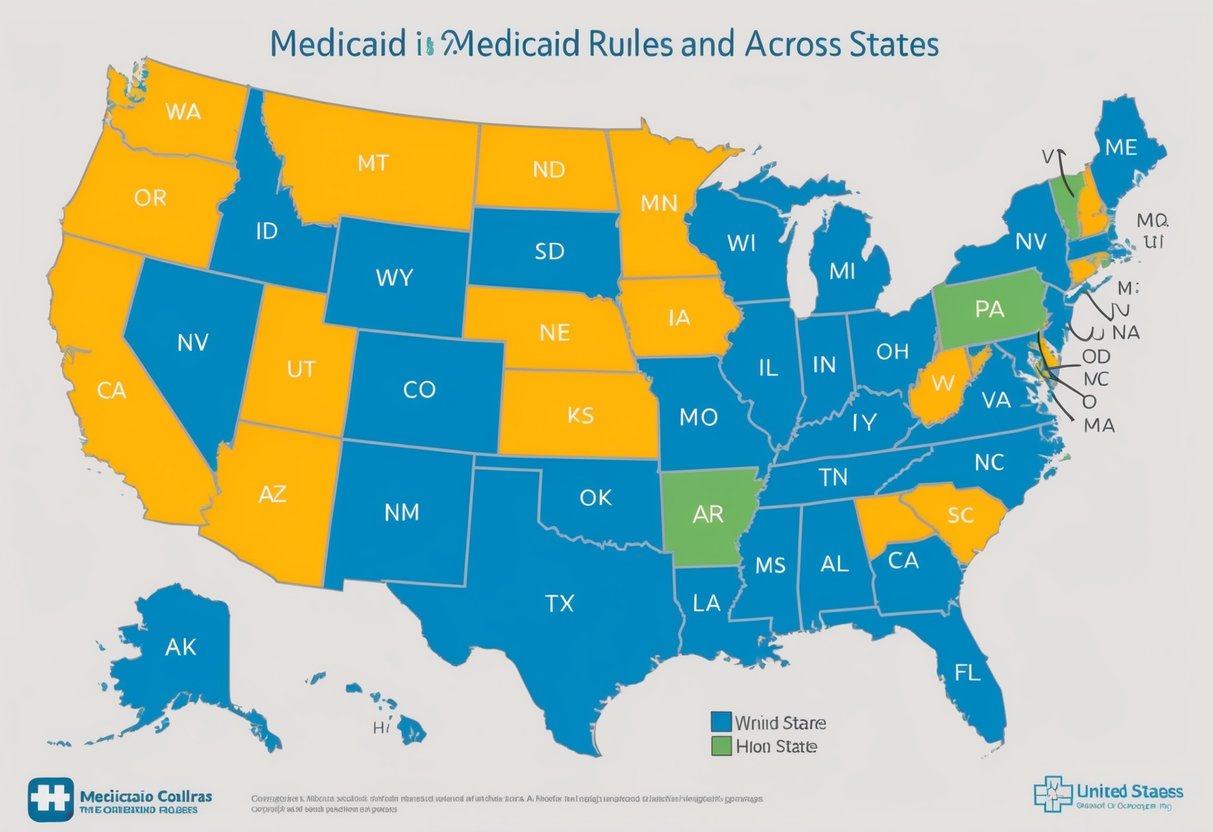 Do you ever wonder why Medicaid rules are so different depending on where you live? This happens because each state customizes its Medicaid program within federal guidelines. Let’s explore what this means for you.
Mandatory and Optional Benefits
Every state must provide certain mandatory benefits to Medicaid recipients. These include services like hospital stays, doctor visits, and nursing home care. Yet, beyond these basics, states have the freedom to offer a range of optional benefits. For instance, some states choose to cover dental services, physical therapy, or prescription drugs, while others do not. It’s always smart to check what your state offers, as it can greatly impact your healthcare costs and options. This flexibility allows states to tailor their programs based on their budget and population needs. Why accept less than what you deserve when these benefits are out there?