
Facing a chronic illness can be daunting, not just physically and emotionally, but financially as well. How do you prepare for such an impact that can shake your financial stability? The challenge is real, and the costs can be unexpected and overwhelming if not managed properly.  I’ve seen firsthand how planning ahead can make a monumental difference. It’s crucial to understand the financial considerations that come with managing a chronic condition to protect your hard-earned assets. This understanding allows us to make informed decisions that can ensure a more secure financial future, even in the face of medical uncertainties.
1) Create a Detailed Budget Plan
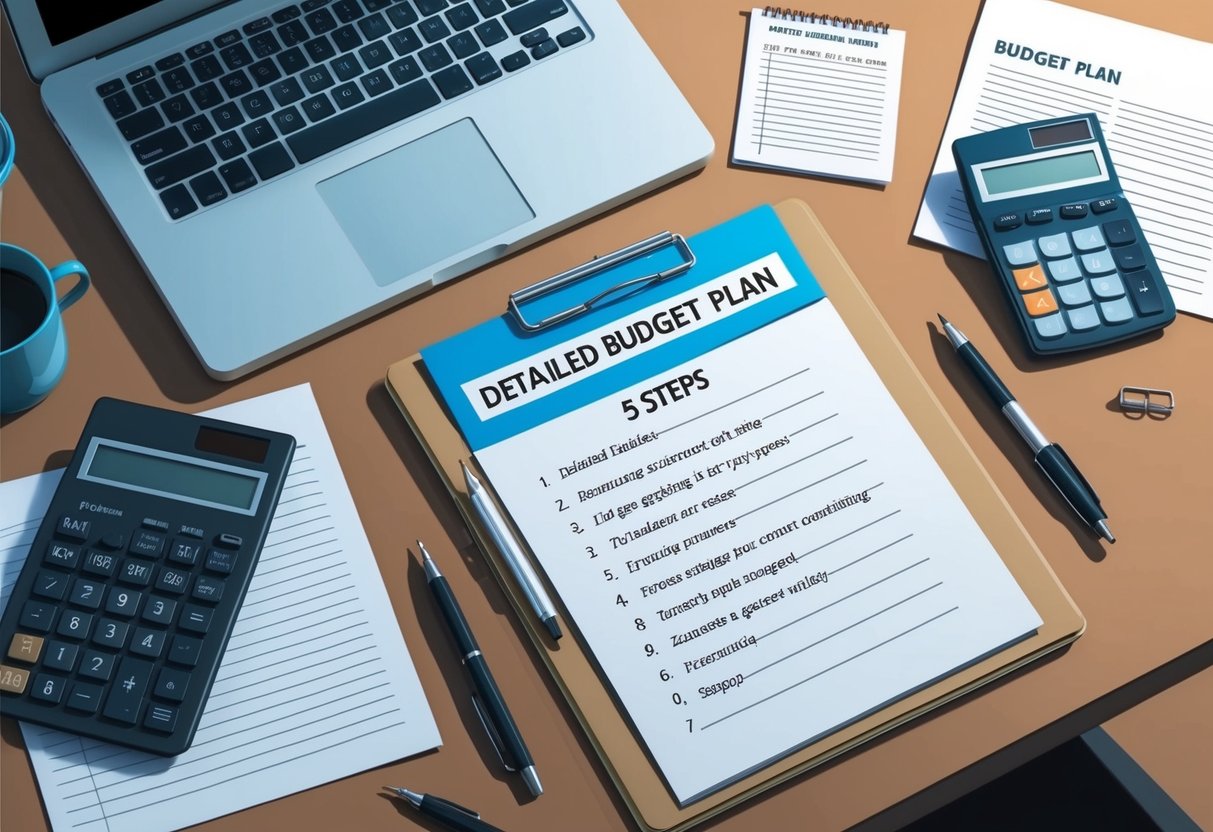 Why is a detailed budget crucial when dealing with chronic illness? It’s about taking control of your financial future. With medical bills often unpredictable, planning is essential. I start by gathering all medical expenses. This includes doctor visits, medications, and any ongoing treatments. It sounds simple, but compiling these costs into one place is the key to making sense of your financial situation. Tracking these expenses monthly is like having a financial safety net. It lets me see patterns in my spending, which helps in anticipating future costs. When I know what’s likely to happen, I’m less shocked by unexpected expenses. Ever considered breaking your budget into categories? I find it effective to separate necessities like medications from occasional costs like specialist visits. Doing this helps me allocate funds more effectively and prevents overspending in any one area. An easy way to manage this is by using budgeting apps or simple spreadsheets. They make it possible to monitor expenses without the fuss. Plus, you can easily update them as things change. I often revisit my budget plan whenever there’s a change in my health needs. Thinking ahead is crucial. What if my medical costs increase? Building a small buffer in my budget gives me peace of mind. Even if it’s just a little, having this cushion reduces stress if there’s a sudden hike in expenses.
2)Research Long-term Disability Insurance
 Have you ever thought about what might happen if you couldn’t work for an extended period? Long-term disability insurance could be the safety net you need. It replaces a portion of your income if you become unable to work due to a serious illness or injury. This peace of mind might be exactly what you need. When researching, I look at what’s offered through my employer. Employer-provided plans can be a good start. They often offer group rates, which can be more affordable. But, remember to review the terms and conditions. Make sure it covers enough of my income to sustain my lifestyle if the worst happens. What about private insurance? Exploring this option could provide more tailored coverage. It often fills the gaps that employer plans don’t cover. I compare policies carefully, evaluating the amount I would receive and the duration of the benefits. Some plans might pay until I retire, while others only for a few years. If I choose to supplement my employer plan with a private one, I ensure that they complement each other. The goal is to have a well-rounded security package. Who wouldn’t want the best of both worlds? Finally, I make it a priority to know the definitions used in my policy. Terms like “own occupation” versus “any occupation” can significantly impact what is covered. Paying attention to these details helps me avoid surprises when filing a claim. This thorough understanding is essential for making the most of my coverage.
3) Understand Social Security Benefits
 Navigating Social Security can feel overwhelming, especially when facing a chronic illness. But what if I told you it’s a crucial part of your financial puzzle? Social Security benefits can provide a safety net, helping to offset some of the financial strains. Did you know these benefits aren’t just for retirees? They also cover disability and provide crucial support during life’s unexpected turns. It’s essential to know what you’re entitled to and how to access these benefits effectively. Creating a my Social Security account is a smart move. It puts the control of your benefits at your fingertips, whether you’re at home or on the go. There’s no need to stand in long lines at a government office anymore. Have you ever thought about how these benefits fit into your long-term financial strategy? When facing a chronic illness, understanding the interplay between Social Security and other income sources, like long-term disability plans, can be life-changing. This might include monthly payments from former employers or other investments. Being informed about programs like Medicaid, Medicare, and Social Security Disability Income (SSDI) is equally important. These programs provide health coverage that can be essential when managing a chronic condition.
4) Establish an Emergency Fund
 Do you have an emergency fund ready for those unexpected moments? It’s like having an umbrella when you sense rain coming. Without it, unexpected expenses can feel like a heavy downpour when you least expect it. An emergency fund is your first line of defense. It keeps your financial life stable. I recommend setting aside enough to cover three to six months of living expenses. This might seem daunting, but starting small can build consistency. Picture this: a sudden medical bill or an urgent car repair. These can strain your savings. By having a fund, you aren’t forced to depend on credit or making tough financial decisions. It’s all about having quick cash on hand when life takes an unexpected turn. You don’t need to start big. Begin with a modest goal, maybe $500 or $1,000. Reaching these smaller milestones keeps you motivated to save more. As you continue, every dollar strengthens your financial safety net and boosts your confidence. Don’t overthink where to keep this fund. A simple savings account might be best, since it lets you access money quickly in emergencies. Remember, this isn’t about earning interest; it’s about being prepared. Staying disciplined with your fund is key. Regular contributions, even small ones, add up. Set regular automatic transfers to make saving a habit. It’s like keeping an umbrella in your car at all times—you hope not to use it, but it’s there if needed. For more insights and specific steps, check out how to create a strong financial safety net. It might just give you the peace of mind you’re seeking.
5) Explore Medical Savings Accounts
 Have you considered the potential benefits of medical savings accounts? These accounts can be a game changer when it comes to managing the financial impact of chronic illness. Think about Health Savings Accounts (HSAs). If you’re enrolled in a high-deductible health plan, HSAs offer a tax-advantaged way to save specifically for medical expenses. Contributions are made pre-tax, and the growth and withdrawals for qualified expenses are tax-free. What about if you’re nearing Medicare age? That’s where a Medicare Advantage Medical Savings Account (MSA) could come in. This account combines a high-deductible health plan with a medical savings account. It’s designed to cover out-of-pocket healthcare costs while offering tax benefits. Check out how these accounts work with your existing insurance. An important step is to review the eligibility requirements. Not everyone can open an HSA. For instance, if you’re enrolled in Medicare, contributing to an HSA isn’t an option. But don’t let that limit you—explore other financial vehicles that may suit your situation. Consider how much funds you might need to set aside. It’s crucial to plan how regularly you’ll contribute to these accounts. Having a solid contribution plan helps maximize the tax advantages while ensuring you’re prepared for any medical expenses that come your way. Explore options with insurance providers or financial planners who understand your needs and can offer insights. They might help you make informed decisions about your financial future and give peace of mind amidst the challenges of managing chronic illness.
Government Programs
Government programs can be a lifeline. Have you considered options like Medicaid or Medicare if eligible? These programs assist with medical costs and often cover what private insurance might not. In some states, Medicaid expansion provides additional support for people living with chronic illnesses. Explore if you qualify for Supplemental Security Income (SSI) or Social Security Disability Insurance (SSDI). These programs offer financial assistance to those unable to work due to illness. Snap, previously known as food stamps, can also help ease the strain of medical expenses by offsetting living costs. Contact local agencies or non-profits to seek guidance on navigating these programs. They can simplify the often complex enrollment processes and provide necessary support.