
Estate planning can seem like a complex puzzle, particularly when it stretches across state lines. Each state has its own unique set of laws that impact your estate, making the process more challenging. Why should you care about these differences? Because understanding them can save your family from unexpected legal hurdles down the road.  Navigating these variations is not just about following a checklist. It’s about safeguarding the legacy you’ve worked hard to build. After all, you’ve spent years accumulating assets and want to ensure they are distributed according to your wishes. This article will shine a light on these differences and how they might affect your future plans.
1) Probate Process Variations
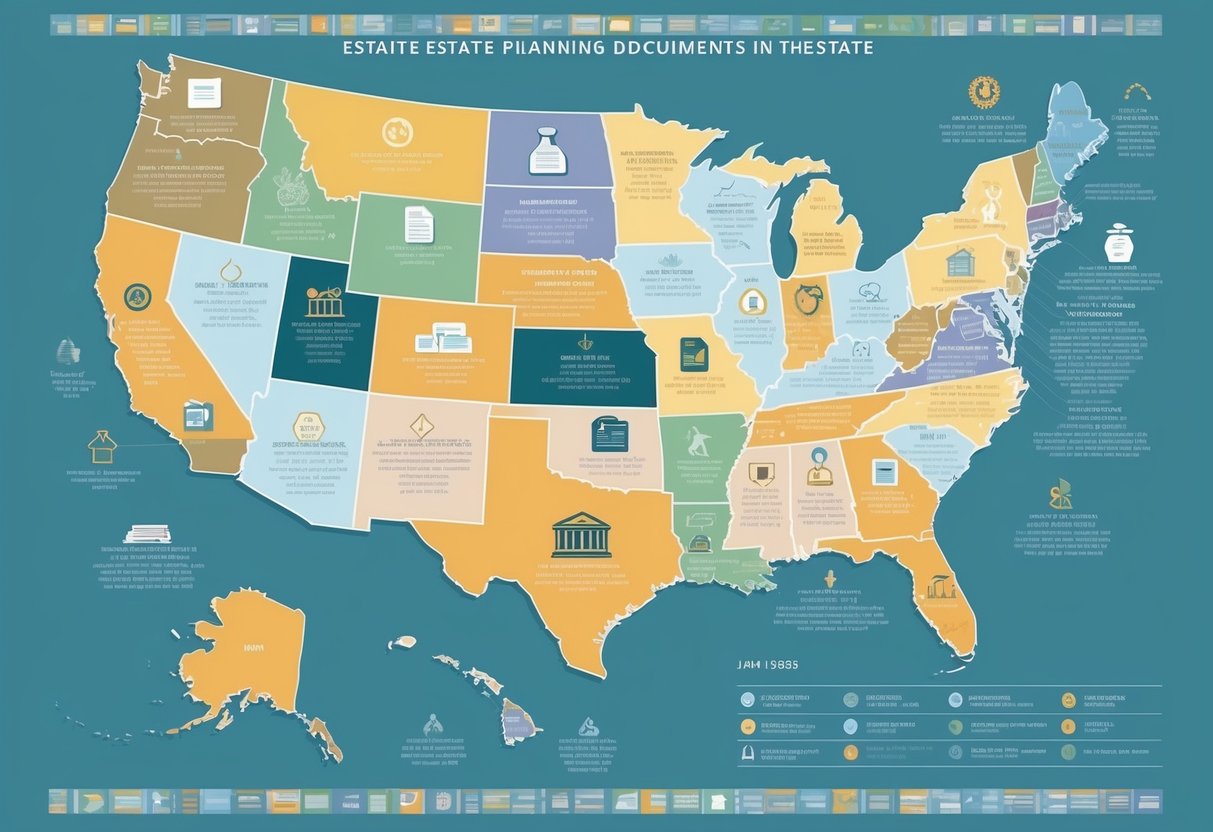 Have you ever tried to settle an estate and been surprised by how different the process is from state to state? The probate process is one area where these differences can be especially confusing. Understanding these variations is key to making estate planning smooth and efficient. Each state in the U.S. has its own probate laws. Some states have adopted the Uniform Probate Code (UPC), which aims to simplify the process and make it consistent across state lines. In states like Colorado and Montana, the UPC can offer a more streamlined experience. This can help reduce costs and avoid lengthy procedures. In contrast, many states stick with their own unique probate regulations. This can lead to a more complicated process, making it important to know the specifics of each state’s laws. For example, the definition of a “small estate” can vary, impacting how quickly and easily an estate is settled. Community property versus common law states add another layer of complexity. In community property states, assets acquired during marriage are generally considered jointly owned by both spouses. This can greatly affect how an estate is divided during probate. On the other hand, common law states may handle these assets differently, potentially complicating asset distribution. Different timelines and costs across various states can impact the probate process too. Some states offer a faster probate process, while others may have longer waiting periods and higher expenses. This can be frustrating and time-consuming if you’re trying to settle an estate efficiently.
2) State-Specific Inheritance Taxes
 When it comes to estate planning, understanding each state’s inheritance taxes can be key. Did you know that some states don’t even have an inheritance tax? Yet, others make it a part of their tax landscape, directly impacting your financial legacy. In states with inheritance taxes, who pays these taxes? It’s the beneficiaries, not the estate. This means if you’re planning to leave assets to loved ones, they might receive less than expected. The rate can depend on the beneficiary’s relationship to the deceased. For instance, New Jersey and Kentucky are examples of states with inheritance taxes. In these places, certain beneficiaries, like siblings or distant relatives, might see higher tax rates compared to direct descendants like children. Why does this matter? It can influence how you distribute your estate. Consider those unique quirks that might not make headlines. Inheritance taxes vary not just in rates, but in exemptions. Some states might offer exemptions to certain beneficiaries or for specific asset types. This can be a game-changer in planning your estate strategy. It’s crucial to have a strategy that accommodates these taxes. How can you ensure your loved ones benefit fully from your estate? One strategy might be to gift assets during your lifetime, potentially minimizing the tax burden.
3) Trust Laws Differences
 Trust laws can vary widely from one state to another. Have you ever wondered why some states are more popular for setting up trusts? It’s all about the laws that govern these financial tools. Some states offer significant tax advantages. For example, certain states have no income tax on trust earnings. This can lead to better returns for you and your beneficiaries over time. Asset protection is another key difference. Some states have laws that provide strong shields against creditors, which can be incredibly valuable if you’re in a high-risk profession. Take a look at South Dakota, which is often noted for its favorable trust laws and strong protections. Setting up a trust can also offer increased privacy. States like Delaware allow for confidential trust settlements, so your financial matters can remain discreet and away from the public eye. I also see variations in how trusts are managed and administered. Some states require trustees to be state residents or even hold their meetings within the state. This can influence how you choose your trustees and where you ultimately decide to establish a trust. Thinking about control over your assets? States differ in how much control you can exercise over your trust’s terms. Some places are more flexible, letting you adjust trust conditions as your needs change, which can be a vital feature for effective estate planning.
4) Community Property vs. Common Law
 When it comes to estate planning, understanding property laws is key. Have you ever wondered why property division seems so different when crossing state lines? It’s all about whether you live in a community property state or a common law state. In community property states, assets acquired during a marriage are considered equally owned by both spouses. Can you see how this might simplify things? Everything earned or bought during the marriage is split right down the middle. Not every state follows this, though. Only nine states, like Texas and California, adhere to these rules. Now, let’s look at common law states. In these states, property ownership is determined by whose name is on the title. If you buy a house and only your name is on the deed, it belongs to you, not your spouse. Does that make things more complicated for married couples? Estate planning in a community property state can have some perks. Couples might enjoy tax benefits. For instance, the cost basis of property gets a step-up when one spouse passes away. This can mean lower taxes when the property is sold later. You might not see the same benefits under common law. It’s important to know how moving from one type of state to another can impact your assets. For instance, when moving from a community property state to a common law state, your community property usually retains its status, but it’s not always clear-cut.
5) Executor Duties Variation
 Have you ever thought about how executor duties can change from one state to another? It’s surprising how these variations can affect estate planning. In some states, executors might find themselves dealing with stricter rules around the distribution of assets. This could mean more paperwork and possibly a delay in closing the estate. It’s important for executors to know what they’re stepping into before they begin. Taxes are another area where states differ. Executors may need to handle varying tax forms and face different filing deadlines. Missing a deadline might result in penalties, adding stress to what is already a challenging role. Also, consider how laws about notifying beneficiaries differ. Some states require all beneficiaries to be notified at specific times, while others offer more flexibility. This requirement impacts communication and might affect how quickly decisions can be made. Some states might even have unique rules about the executor’s ability to sell real estate or other high-value assets. This can determine how easily an executor can liquidate assets to pay debts or distribute proceeds among heirs.
Legal Formalities
 Navigating estate planning across different states can be tricky due to various legal formalities. Critical differences often arise in documentation requirements and the rules governing witnesses and notaries.
State-Specific Documentation Requirements
Each state sets its own rules on the documents needed for estate planning. While a basic will is recognized everywhere, the details can vary. For example, some states might require an advanced directive or a living will, while others don’t. Ever heard of Transfer on Death (TOD) deeds? They’re legal in some states like Ohio, but not everywhere. It’s important to know which documents each state mandates. This ensures your estate plan meets local standards and is enforceable. Keeping a checklist of state requirements can help track what’s needed as you plan. Being thorough in this step avoids potential legal challenges later. Are you prepared to handle these state-specific demands? Being aware of the required paperwork is essential to creating a solid estate plan.
Variations in Witness and Notary Rules
Witness and notary requirements can significantly impact how estate documents are formalized. Some states might need two witnesses for a will, while others permit just one. What about a notary? In some places, notarization isn’t required unless a self-proving will is desired. This step can affect the will’s acceptance in probate court. Having outdated or improperly witnessed documents can lead to complications. Imagine the potential heartbreak of a will being contested simply because it lacked the right signatures. Are you confident your documents meet these standards? Understanding the unique witness and notary rules in each state ensures your estate planning process runs smoothly and effectively.
Tax Implications
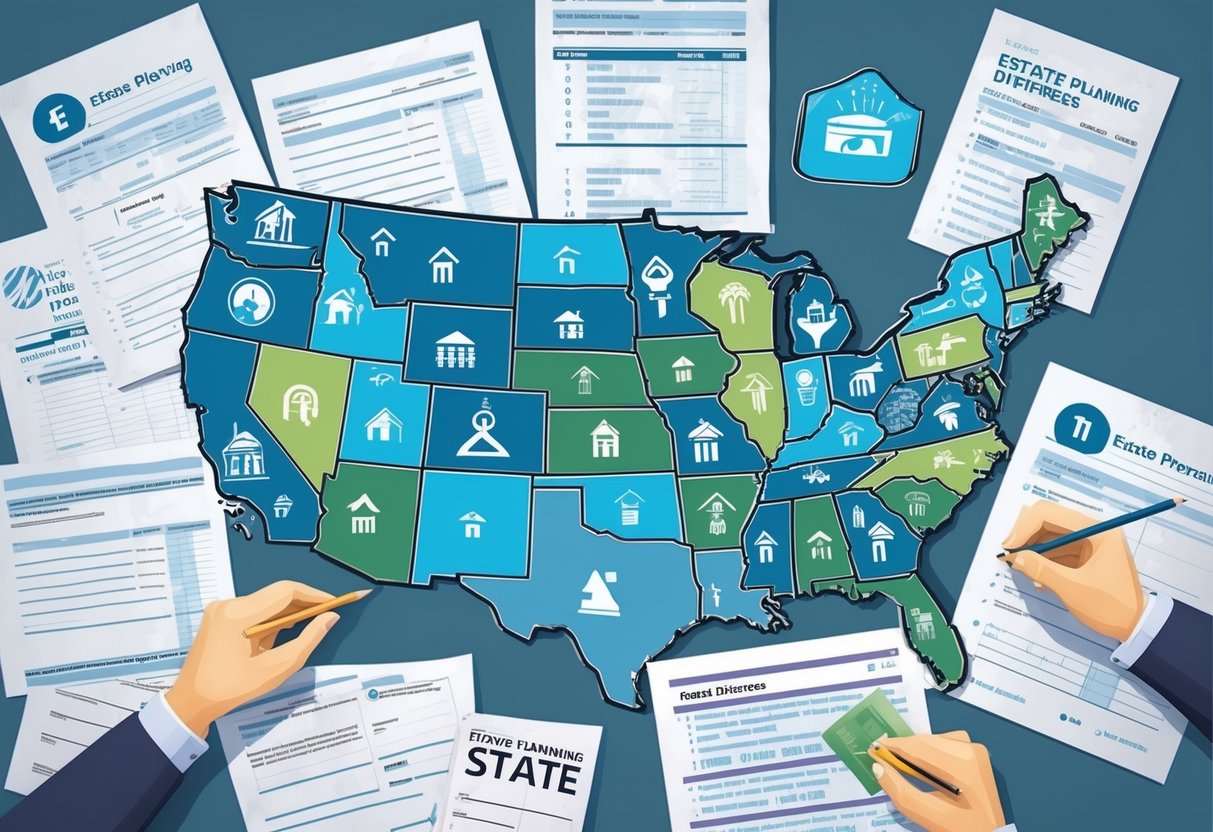 Estate planning is a critical aspect of securing your financial future and ensuring your assets are distributed according to your wishes. One must consider how tax laws vary across states. These differences can influence the size of your estate and what your heirs receive. Let’s explore these critical differences.
State Estate Tax Laws
Did you know that estate tax laws can vary significantly from state to state? This means the estate planning strategy that works in one state might not suffice in another. Some states impose their own estate taxes in addition to the federal estate tax. Twelve states, plus Washington D.C., have their own estate taxes, with rates that can climb as high as 16% or more. For example, in a state like Massachusetts, you might face an estate tax if your estate value exceeds $1 million. This can have a significant impact on what you leave behind for your heirs. Planning effectively can reduce these taxes, potentially saving a substantial portion of your estate from erosion. How prepared are you if you need to deal with high estate taxes?
Impact of Inheritance Tax Variations
Inheritance taxes add another layer of complexity. Unlike estate taxes, which are paid from the estate itself, inheritance taxes are paid by the person who inherits assets. Only six states currently levy inheritance taxes, but the implications can still be quite burdensome depending on where you reside. For instance, an heir receiving a large inheritance in Iowa might face a hefty tax bill. It’s crucial to understand not just if these taxes are applicable, but also how they can vary based on the heir’s relationship to the deceased and the amount inherited. Each state has its own rules about exemptions and rates. Are you aware of how these rules might affect your beneficiaries’ financial future?