
Wealth distribution in the United States is a hot topic that often sparks heated debates. As someone who’s studied financial trends for years, I’ve seen the landscape of wealth change dramatically.
The top 1% of Americans now own 32.3% of the nation’s wealth, while the bottom 50% hold just 2.6%. This stark contrast raises questions about economic fairness and opportunity.
I’ve noticed that many people feel left behind in today’s economy. They work hard, save diligently, but still struggle to get ahead. Does this sound familiar? You’re not alone.
The wealth gap has been widening since the 1990s, with the richest Americans seeing their share of wealth grow while others have stagnated or declined.
But what does this mean for you and your family’s financial future? That’s what we’ll explore in this article. We’ll look at the factors driving wealth inequality and what you can do to position yourself for success in this changing economic landscape.
Key Takeaways
- The wealth gap in America has widened significantly over the past few decades
- Economic policies and structural factors play a crucial role in shaping wealth distribution
- Understanding wealth dynamics can help individuals make informed financial decisions
Historical Context of Wealth Distribution
The story of wealth in America is one of ups and downs. It’s a tale that affects every one of us, from the richest to the poorest. Let’s look at how money has moved around in our country over time.
Great Recession Impacts
The Great Recession hit us hard. I saw many friends lose their homes and jobs.
From 2007 to 2009, the richest 1% of Americans actually grew their share of the nation’s wealth. Can you believe it? While most of us struggled, they got richer.
But it wasn’t all bad news. Some people used this time to start new businesses. They saw opportunity in the chaos. What can we learn from them?
The recession changed how we think about money. It made us more cautious. We started saving more. But did it really change wealth inequality in the long run?
Intergenerational Transfers and Upward Mobility
Now, let’s talk about the American Dream. Is it still alive? Can our kids still do better than us?
Upward mobility isn’t what it used to be. More and more wealth is staying in the same families. Rich parents? You’re more likely to be rich too. Poor parents? It’s harder to climb that ladder.
But why? Part of it is inheritance. Another part is education. Rich families can afford better schools and tutors. They have connections too. It’s not just about money, it’s about opportunities.
What does this mean for you and your kids? How can we create more chances for everyone to succeed?
Current State of Wealth Inequality
Wealth inequality in the U.S. remains a pressing issue, with stark differences across demographic groups. Recent data shows some improvements, but significant gaps persist.
Survey of Consumer Finances
The Survey of Consumer Finances (SCF) is a key tool for understanding wealth distribution. It’s conducted every three years by the Federal Reserve. The latest data from 2022 gives us a snapshot of American finances.
What does it tell us? Wealth inequality remains high, but there’s been some positive movement. I’ve seen that the top 1% of households still hold a large chunk of the wealth pie. But their share actually dipped slightly from 2019 to 2022.
Why does this matter? It shows that wealth can shift, even if slowly. But we’re far from an equal playing field.
Median Household Wealth
Median household wealth is a crucial indicator. It tells us how the typical American family is doing financially.
Recent data shows some good news. Median wealth for all racial groups increased from 2019 to 2022. Black families saw a 66% jump in median wealth, reaching $45,000.
But let’s not celebrate too quickly. The wealth gap is still enormous. White families had a median wealth of $285,000 in 2022. That’s over 6 times higher than Black families.
What does this mean for you? Understanding these gaps can help you position yourself financially.
Educational Attainment and Wealth
Education plays a big role in wealth accumulation. But it’s not a silver bullet.
Higher education is linked to higher wealth. College graduates tend to have more assets and earn more over their lifetimes. But student debt can offset some of these gains, especially early in careers.
Here’s a question to ponder: Is taking on student debt worth it for wealth building? The answer isn’t always clear-cut. It depends on your field, career prospects, and how you leverage your degree.
I’ve seen that even with similar education levels, racial wealth gaps persist. This suggests other factors are at play in wealth inequality.
Structural Factors Influencing Wealth Accumulation
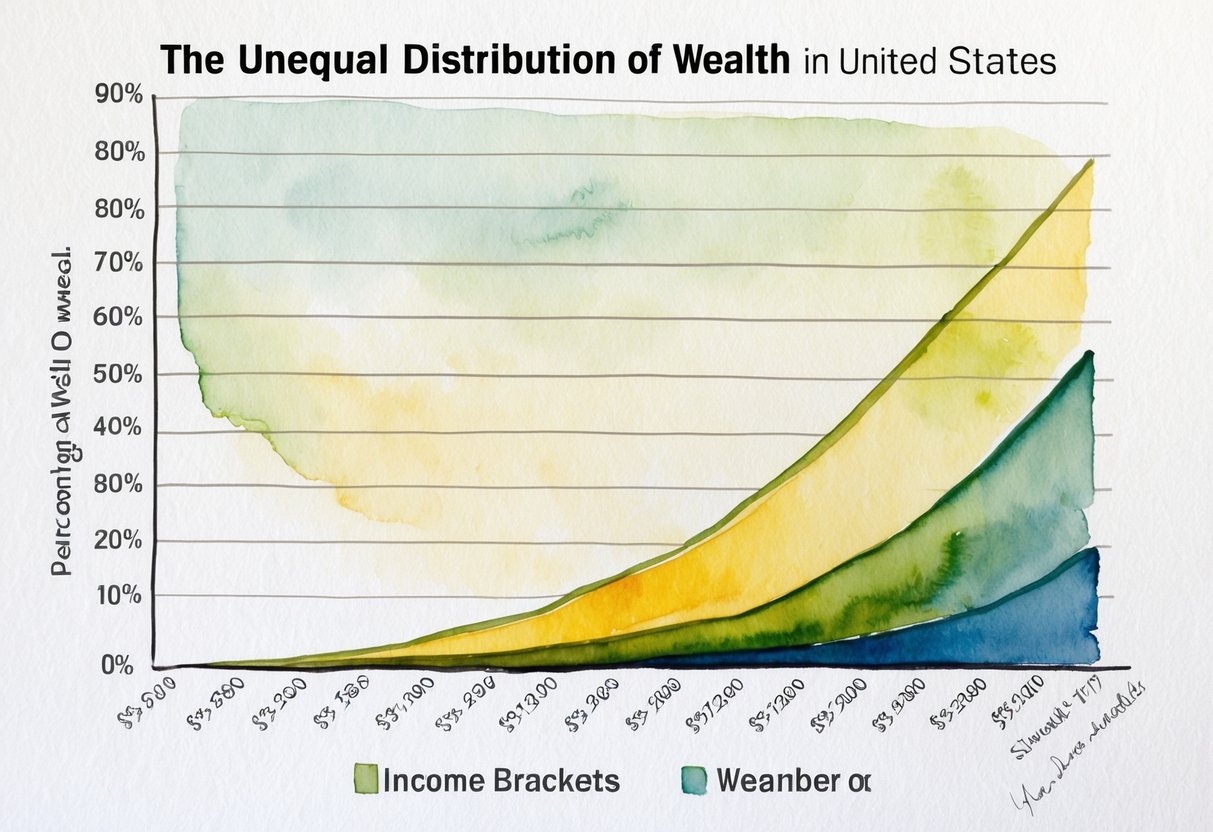
Wealth accumulation in the United States is shaped by several key structural factors. These elements work together to create a complex landscape where some thrive while others struggle to build and maintain wealth.
Financial and Non-Financial Assets
When it comes to building wealth, it’s not just about the cash in your bank account. Financial assets like stocks, bonds, and mutual funds play a huge role. But did you know that non-financial assets are just as crucial?
Let’s break it down:
- Financial assets: Stocks, bonds, savings accounts
- Non-financial assets: Real estate, vehicles, collectibles
I’ve seen many people focus solely on their 401(k) while ignoring the potential of other investments. Are you making this mistake too?
Wealth accumulation isn’t just about inheritance anymore. The industries generating wealth are changing. This shift opens up new opportunities for those willing to adapt and learn.
Homeownership Rates and Home Equity
Owning a home has long been considered the American Dream. But is it still the key to building wealth? Let’s look at the facts.
Homeownership rates have fluctuated over the years. For many, a home is their largest asset. Home equity can be a powerful tool for wealth creation. But it’s not without risks.
Consider this:
- Home equity can be tapped for other investments
- Property values can appreciate over time
- Mortgage interest provides tax benefits
But remember, a house is not just an investment. It’s where you live. Are you balancing the emotional and financial aspects of homeownership?
Retirement Savings and Social Security Benefits
Retirement might seem far off, but it’s never too early to start planning. Your future self will thank you.
Retirement savings and Social Security benefits are crucial components of wealth for many Americans. But are they enough?
Key points to consider:
- 401(k)s and IRAs offer tax advantages
- Social Security provides a baseline income
- Personal savings can fill the gaps
Have you calculated how much you’ll really need in retirement? Many people underestimate this figure.
The landscape of retirement is changing. Social mobility in the US is still possible, but it requires strategic planning and action. Are you ready to take control of your financial future?
The Wealth Gap amongst Racial and Ethnic Groups
The wealth gap between racial and ethnic groups in the United States is stark and persistent. I’ve seen how this divide impacts families’ financial security and opportunities across generations.
Racial Wealth Disparities
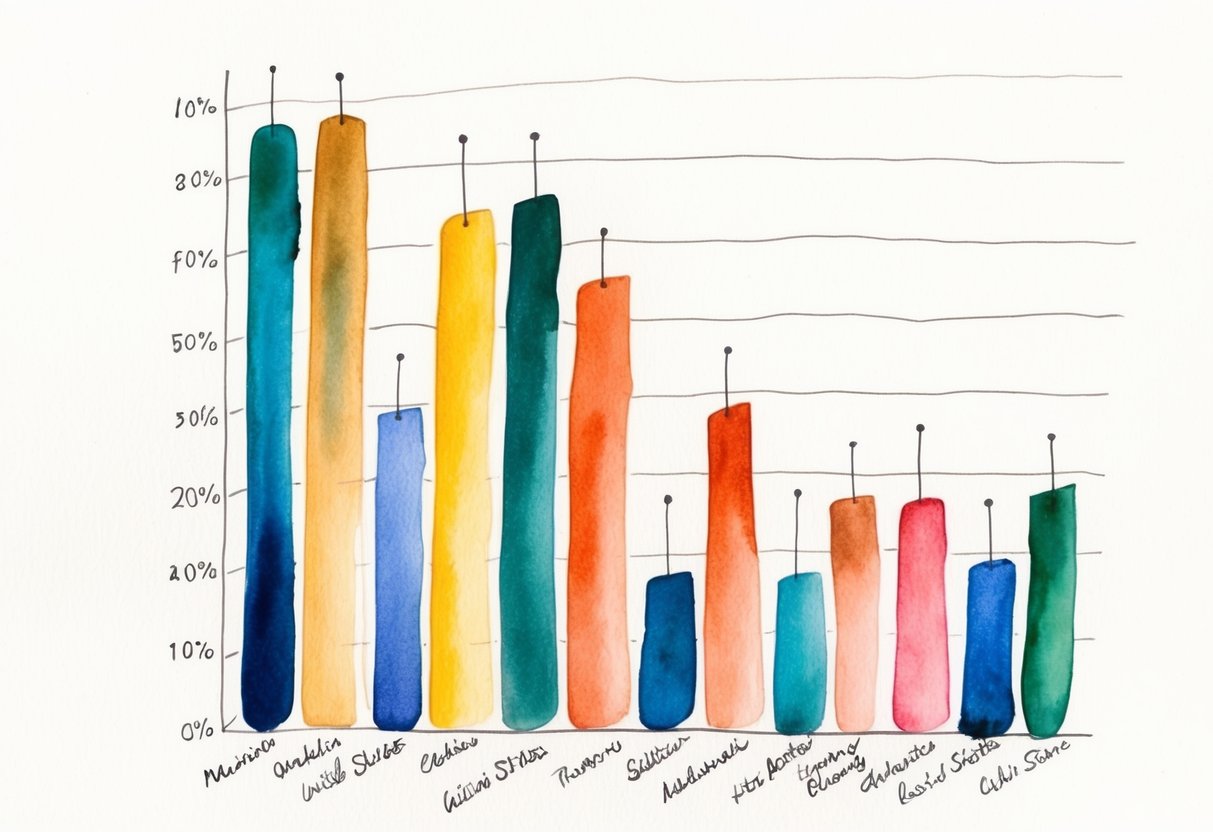
Did you know that Asian households had a median net worth of $320,900 in 2021, while White households had $250,400? That’s a significant difference, but it pales in comparison to the gap with other groups.
Hispanic households had a median net worth of just $48,700. Even more concerning, Black households had only $27,100. This means the typical White family has over 9 times the wealth of the typical Black family.
These disparities have real consequences. Wealth provides a cushion against financial shocks and opens doors to education, homeownership, and entrepreneurship. Without it, families struggle to build long-term financial security.
Black and Hispanic Household Wealth
I’ve observed how historical factors and ongoing inequalities contribute to the wealth gap for Black and Hispanic families. Despite some recent gains, the absolute wealth gap has actually widened.
Black and Hispanic households earn about half as much as White households on average. But their wealth is only 15-20% of White wealth levels. Why such a big difference?
Factors like lower homeownership rates, less access to high-paying jobs, and fewer inherited assets all play a role. Many Black and Hispanic families also carry more debt relative to their assets.
What can be done to close this gap? Policies addressing discrimination in housing, education, and employment could help. But individuals must also focus on building assets and financial literacy within their communities.
Economic Mobility and Demographic Changes
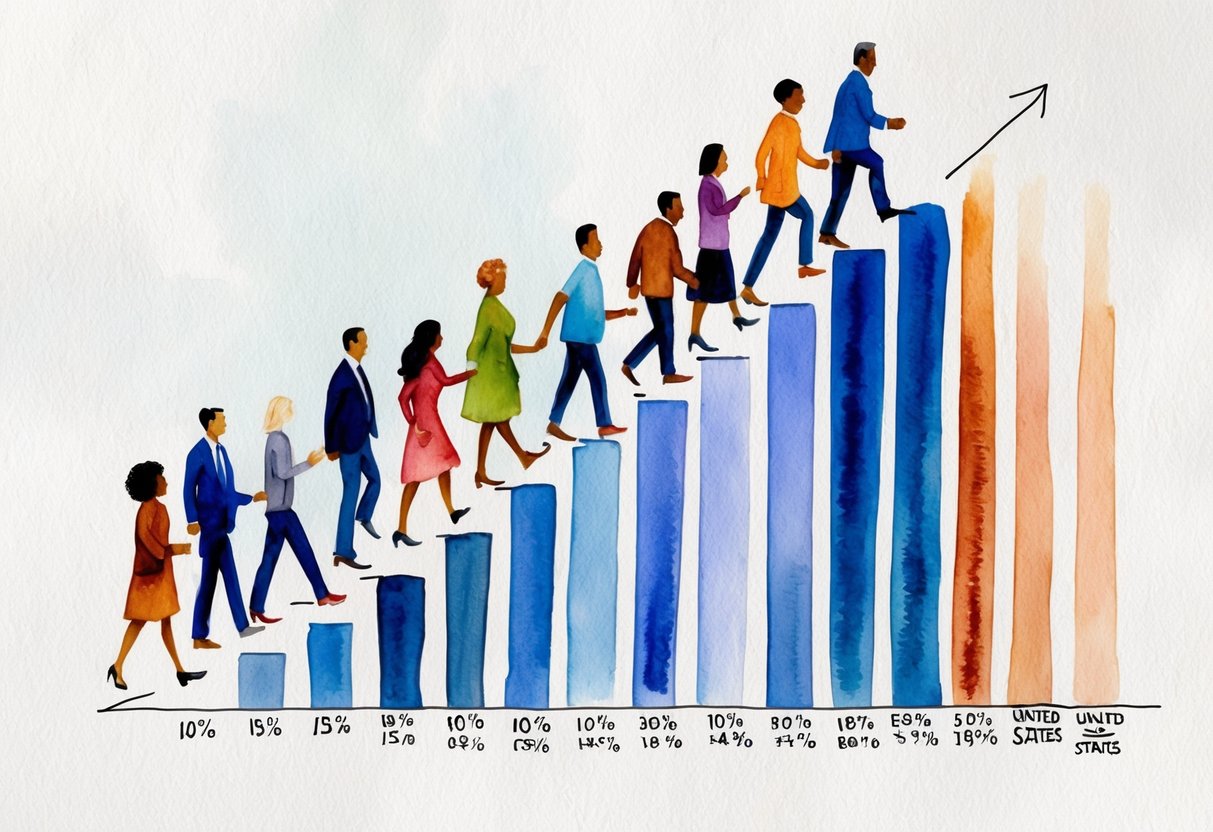
The landscape of wealth in America is shifting. I’ve seen how age and opportunities shape people’s financial futures. Let’s explore how these factors impact our wallets and our nation’s economic health.
Aging Populations and Wealth
As our population grays, wealth concentrations are changing. Did you know that older families own a larger slice of the wealth pie? It’s true. Many of us in our 40s and beyond have had more time to accumulate assets.
But here’s the rub: this wealth isn’t evenly spread. Some of us have built substantial nest eggs, while others struggle to make ends meet. Why? It often comes down to factors like:
- Career choices
- Investment decisions
- Inheritance
The gap between the haves and have-nots tends to widen as we age. It’s a trend I’ve observed that raises important questions about fairness and opportunity in our society.
Economic Equity and Opportunities
So, how do we level the playing field? It’s a question I’ve grappled with for years.
Economic mobility - the ability to climb the financial ladder - is key.
But here’s the catch: mobility has been slowing down. Why? I see a few factors at play:
- Education costs
- Job market changes
- Access to financial resources
These barriers hit some demographic groups harder than others. Black families, for instance, own just 2% of total household wealth despite making up 11% of households. That’s a stark disparity.
What can we do about it? I believe creating more pathways to wealth is crucial. This might include:
- Improving financial education
- Expanding access to investment opportunities
- Addressing systemic inequalities
By tackling these issues, we can work towards a more equitable economic future for all Americans.
Concentration of Wealth
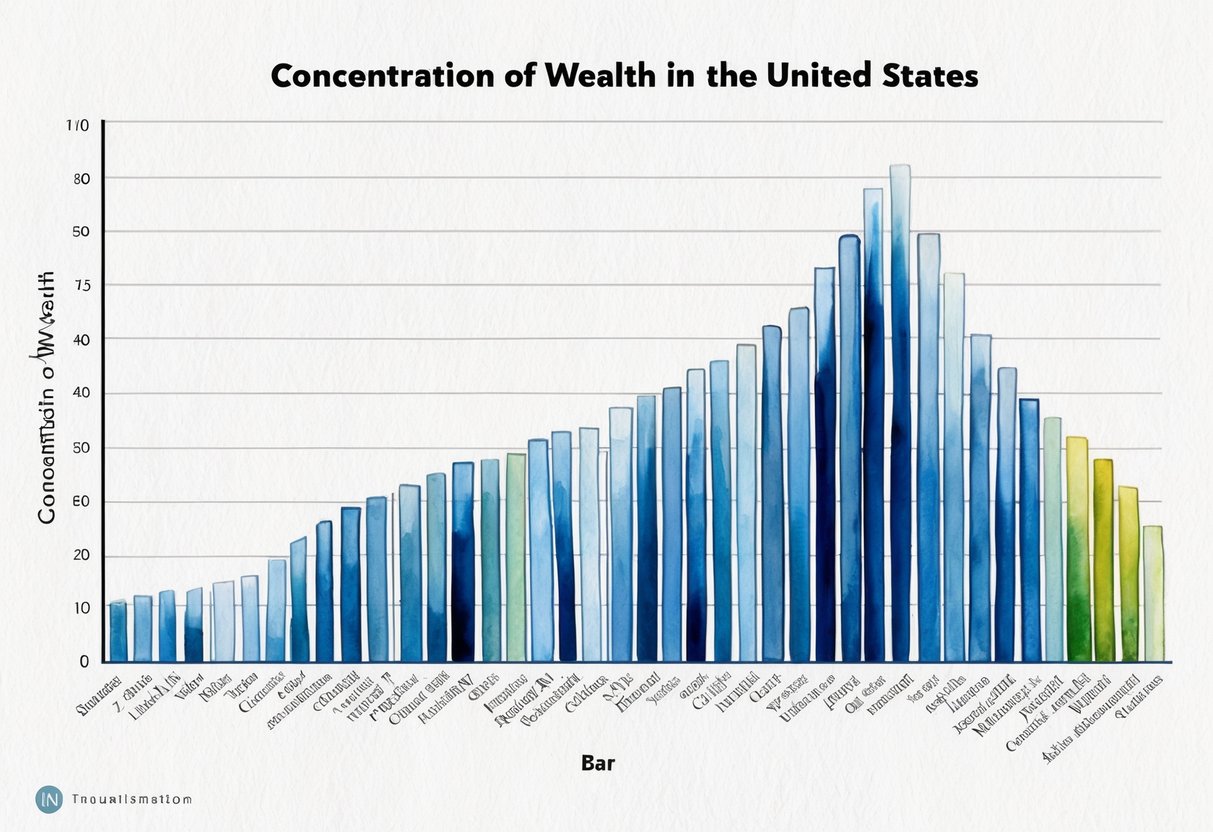
The gap between the rich and poor in America keeps growing wider. Let’s look at how wealth is distributed and why it matters for all of us.
Top 1 Percent versus Bottom Half
Did you know that the top 1% of Americans now own more wealth than the entire bottom 90% combined? It’s true. In 2024, 67% of the total wealth in the U.S. was owned by just the top 10%. That’s a staggering amount of money concentrated in very few hands.
What about the bottom half? They’re struggling to get by. The poorest 50% of Americans own only about 2% of the country’s wealth. That means millions of hardworking people have little to no savings or assets.
I’ve seen this play out time and time again. While the rich get richer, the average person finds it harder to get ahead. Is this the American dream we were promised?
Wealth Disparities Trends
The wealth gap isn’t a new problem, but it’s getting worse. Since 1990, the share of wealth owned by the top 0.1% has grown from 9% to 14%. That’s the biggest jump across all wealth brackets.
Meanwhile, the middle class is shrinking. The 50-90% bracket has seen the greatest decline in their share of wealth. Why? Stagnant wages, rising costs, and fewer opportunities to build real wealth.
What’s driving this trend? I believe it’s a combination of factors:
- Tax policies favoring the wealthy
- Unequal access to education and high-paying jobs
- The power of compound interest working for those who already have money
Are you on the right side of this wealth divide? If not, what can you do to change your financial future?
Government Policies and Wealth Distribution
Government policies play a big role in how wealth is spread out in the US. These policies can either widen or narrow the gap between the rich and everyone else. Let’s look at what the experts say and how taxes affect wealth inequality.
Congressional Budget Office Insights
The Congressional Budget Office (CBO) gives us a clear picture of how money is spread out in America. They look at how much people earn, what benefits they get, and what taxes they pay. I’ve seen their reports, and they’re eye-opening.
The CBO shows us that the rich keep getting richer. Over the past few decades, the top earners have seen their wealth grow much faster than everyone else. It’s like they’re playing a different game.
But it’s not just about income. The CBO also looks at things like health care and food stamps. These can make a big difference for people with less money.
Tax Policies and Wealth Inequality
Now, let’s talk taxes. Have you ever wondered why some billionaires pay less in taxes than their secretaries? It’s all about how our tax system is set up.
The way we tax different types of income can make wealth gaps bigger. For example, money made from investments often gets taxed less than money you earn from a job. Guess who tends to have more investments? You got it - the wealthy.
I’ve seen how changes in tax rates can shake things up. When top tax rates go down, the rich often end up keeping more of their money. This can lead to even more wealth inequality.
But it’s not all bad news. Some tax policies, like the Earned Income Tax Credit, can help boost incomes for working families. It’s about finding the right balance.
Financial Stability and Wealth
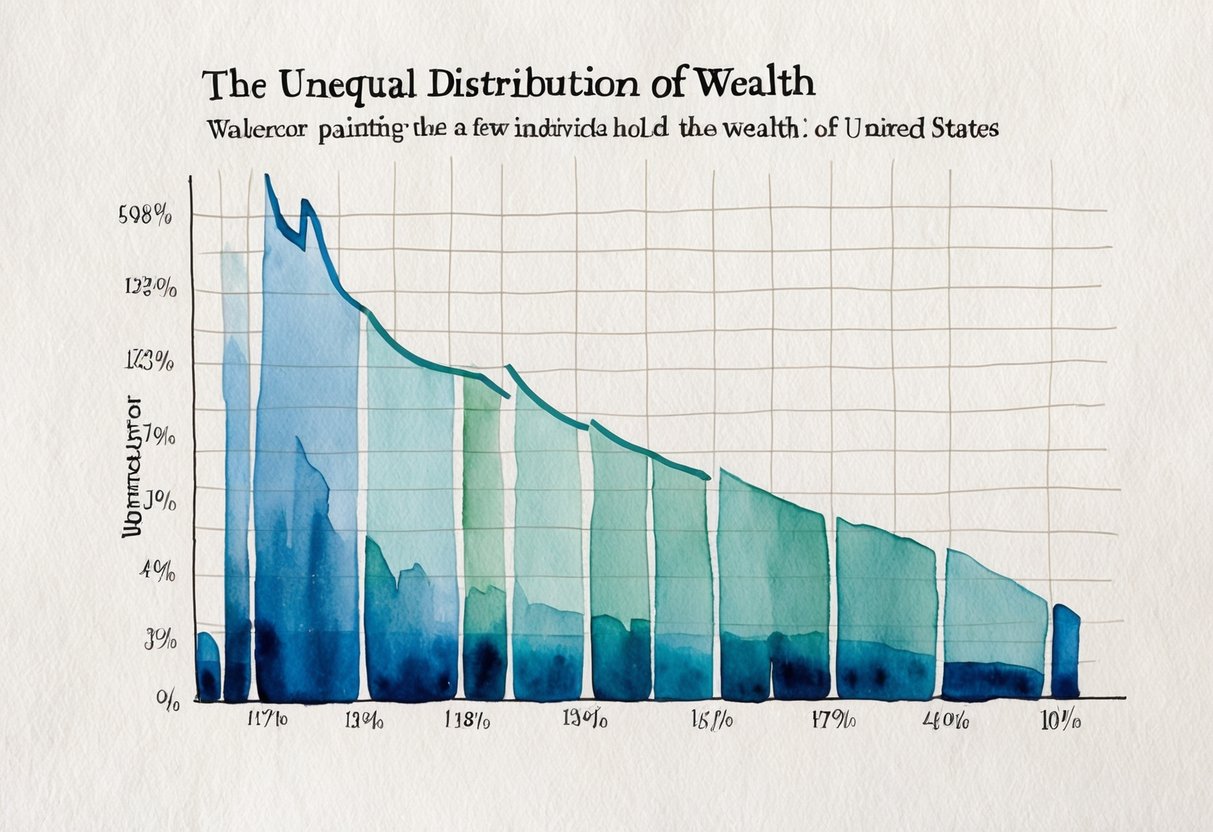
Money talks, but wealth whispers. I’ve seen how financial stability can make or break a person’s future. Let’s explore the key factors that shape our financial security and net worth.
Financial Accounts and Investments
Have you ever wondered what really makes up your wealth? It’s not just the cash in your wallet. Marketable wealth includes stocks, bonds, and real estate. These assets can grow over time, unlike the money sitting in your checking account.
I always tell my clients to diversify. Don’t put all your eggs in one basket. Spread your investments across different types of accounts:
- 401(k)s and IRAs for retirement
- Brokerage accounts for stocks and bonds
- Real estate for long-term appreciation
Remember, it’s not about how much you make, but how much you keep. Smart investing can turn a modest income into substantial wealth over time.
Impact of Economic Crises
Economic storms can shake even the sturdiest financial foundations. Take the coronavirus pandemic for example. It hit many households hard, wiping out savings and investments.
But here’s the interesting part: not everyone felt the pain equally. Those with diversified portfolios and emergency funds weathered the storm better. It’s a stark reminder of why financial stability matters.
Inflation is another silent wealth-eater. Your inflation-adjusted wealth might be shrinking even as your account balance grows. That’s why I always stress the importance of investments that outpace inflation.
Looking Ahead
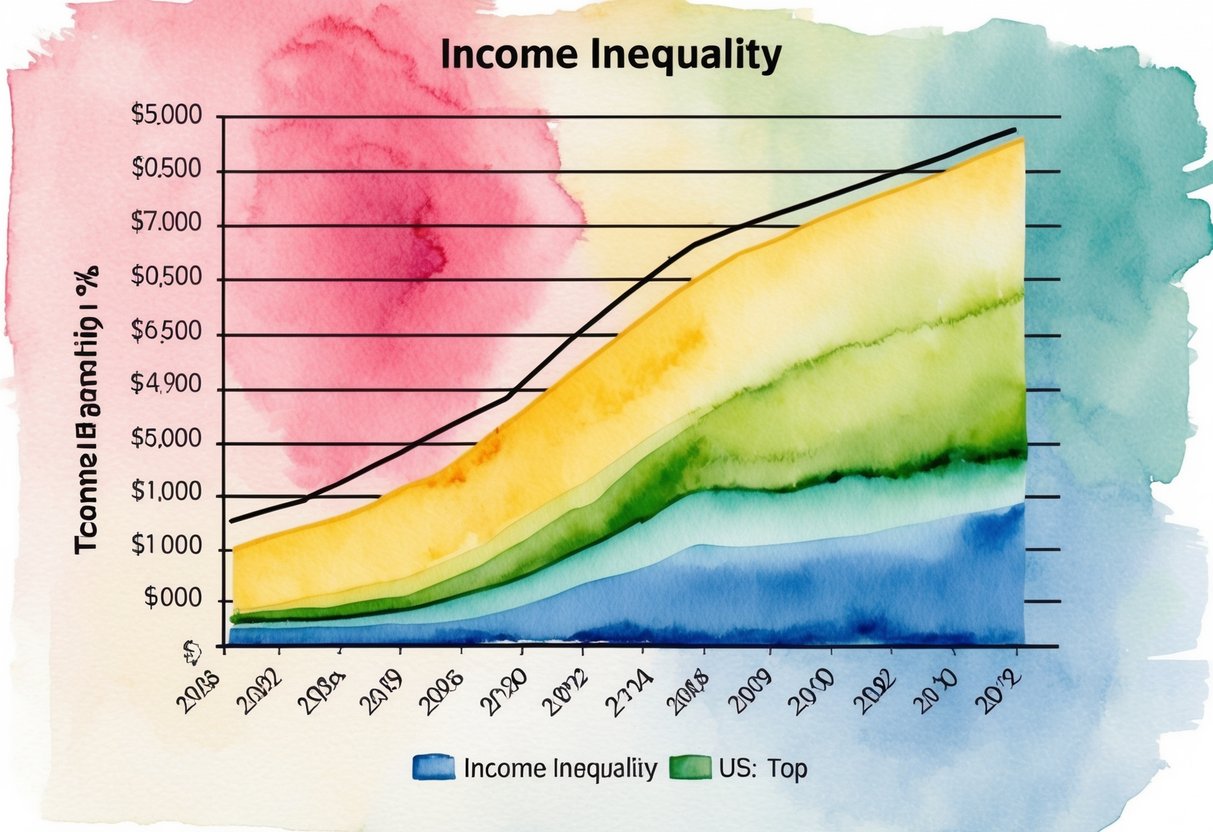
The future of wealth distribution in the United States is poised for significant shifts. Economic policies, technological advancements, and changing demographics will reshape how wealth is created and shared across society.
Predicting Wealth Trends and Redistribution
I foresee a continued widening of the wealth gap in the coming years. The top 1% is likely to increase their share of total wealth even further, while the middle class may struggle to keep pace. Why? Because the wealthy have more leverage to invest in high-growth areas like technology and real estate.
But here’s the kicker - could this trend reverse? I believe it’s possible. As younger generations push for change, we might see:
- Increased focus on financial education in schools
- More accessible investment platforms for average Americans
- A shift towards employee ownership models in businesses
These changes could help bridge the gap and create more opportunities for wealth building across income levels.
Policy Shifts and Potential Outcomes
What if we saw major policy changes aimed at wealth redistribution? I’m talking about things like:
- Wealth taxes on ultra-high-net-worth individuals
- Stricter regulations on Wall Street and big tech
- Universal basic income programs
These policies could dramatically reshape the wealth landscape. But would they work as intended?
On one hand, they might help level the playing field and reduce income inequality. On the other, they could potentially stifle innovation or lead to capital flight.
The key is finding a balance.
How can we create policies that encourage wealth creation while ensuring more Americans have a shot at financial success?