
Stamford, Connecticut offers exciting opportunities for real estate investors. I’ve seen many people build wealth through smart property investments in this vibrant city.
The local market has some unique qualities that make it stand out.

The median home value in Stamford is higher than both the state and national averages, indicating strong potential for appreciation and rental income. This creates an attractive environment for those looking to grow their real estate portfolio.
But like any investment, it’s crucial to understand the market dynamics and key factors that drive success.
Are you ready to take your financial future into your own hands? Real estate investing in Stamford could be your path to financial freedom.
Let’s explore why this market might be the perfect fit for your investment goals.
Key Takeaways
- Stamford’s real estate market offers strong potential for appreciation and rental income
- Understanding local market dynamics is crucial for successful property investments
- Working with experienced professionals can help navigate Stamford’s unique real estate landscape
Understanding Real Estate Investment in Stamford
Investing in Stamford real estate offers unique opportunities and challenges. The market here has distinct characteristics that savvy investors should know.
The Appeal of Stamford Real Estate
Stamford’s real estate market is a hidden gem. I’ve seen firsthand how this city attracts both residents and businesses.
Its proximity to New York City makes it a prime location for commuters.
The city boasts a strong job market, with major corporations setting up shop here. This drives demand for housing and commercial spaces.
Have you considered the potential of investing in a market with such robust economic foundations?
Stamford’s waterfront properties are particularly appealing. They offer stunning views and lifestyle amenities that command premium prices. But don’t overlook inland areas - they often provide better value for investors on a budget.
Key Real Estate Trends in Fairfield County
Fairfield County, including Stamford, has seen some interesting trends lately. Property values have been on the rise, outpacing many other areas in Connecticut. This appreciation makes real estate here an attractive long-term investment.
The rental market is also strong. Many young professionals prefer renting in Stamford to buying in pricier New York City. This creates opportunities for investors in multi-family properties or condos.
Commercial real estate in Stamford is worth watching too. The city’s efforts to attract businesses have led to increased demand for office and retail spaces. Could this be an untapped opportunity for diversifying your real estate portfolio?
Investing in Stamford real estate requires careful consideration of location. Like any market, some areas perform better than others.
Analyzing Stamford’s Real Estate Market
Stamford’s real estate market offers unique opportunities for savvy investors. The city’s housing trends and financial factors create an intriguing landscape for those looking to build wealth through property.
Assessing Home Prices and Market Performance
Stamford’s housing market is hot right now. The median home price has jumped to $725,000, a whopping 31.3% increase from last year. This growth outpaces many other markets I’ve seen.
High prices can be a double-edged sword. On one hand, they signal strong demand and potential for appreciation. On the other, they might limit cash flow from rentals.
I always ask myself: “Is there still room for growth, or are we at the peak?”
Homes in Stamford are selling fast, averaging just 33 days on the market. This quick turnover suggests a competitive environment. For investors, this means being ready to act fast when opportunities arise.
Interpreting Mortgage Rates and Property Taxes
Mortgage rates play a crucial role in real estate investing. While I can’t predict future rates, I always keep an eye on trends.
Higher rates can cool down a hot market, potentially creating buying opportunities for those with cash reserves.
Property taxes in Stamford are another key factor to consider. Connecticut’s taxes tend to be higher than the national average.
As an investor, I factor these costs into my calculations. High taxes can eat into profits, but they often correlate with better public services, which can maintain property values.
Crucial Factors for Property Investment

Investing in Stamford real estate requires careful consideration of key factors that can make or break your investment. Let’s explore two critical elements that savvy investors must pay attention to.
The Impact of Population Growth
Population growth is a game-changer in real estate. I’ve seen it transform sleepy towns into bustling hubs of opportunity.
In Stamford, the population has been growing steadily. Why does this matter to you as an investor?
More people means more demand for housing. It’s simple supply and demand. When demand rises, so do property values and rental rates.
Are you positioning yourself to take advantage of this trend?
But it’s not just about numbers. Who’s moving in? Young professionals? Families? Retirees? Each group has different housing needs.
I always look at the demographics behind the growth. It helps me predict which types of properties will be in high demand.
Importance of Location and Leasing Opportunities
Have you heard the old saying, “Location, location, location”? It’s a cliché for a reason.
In Stamford, location is king. But what makes a good location?
I look for:
- Proximity to amenities
- Access to public transportation
- Quality of local schools
- Future development plans
These factors don’t just affect property values. They’re crucial for leasing opportunities too.
A well-located property is easier to rent out and often commands higher rents.
Think about it. Would you pay more to live near the train station or in a top school district? Many people would.
That’s why I always consider the leasing potential when evaluating a location.
Investment Property Types in Stamford
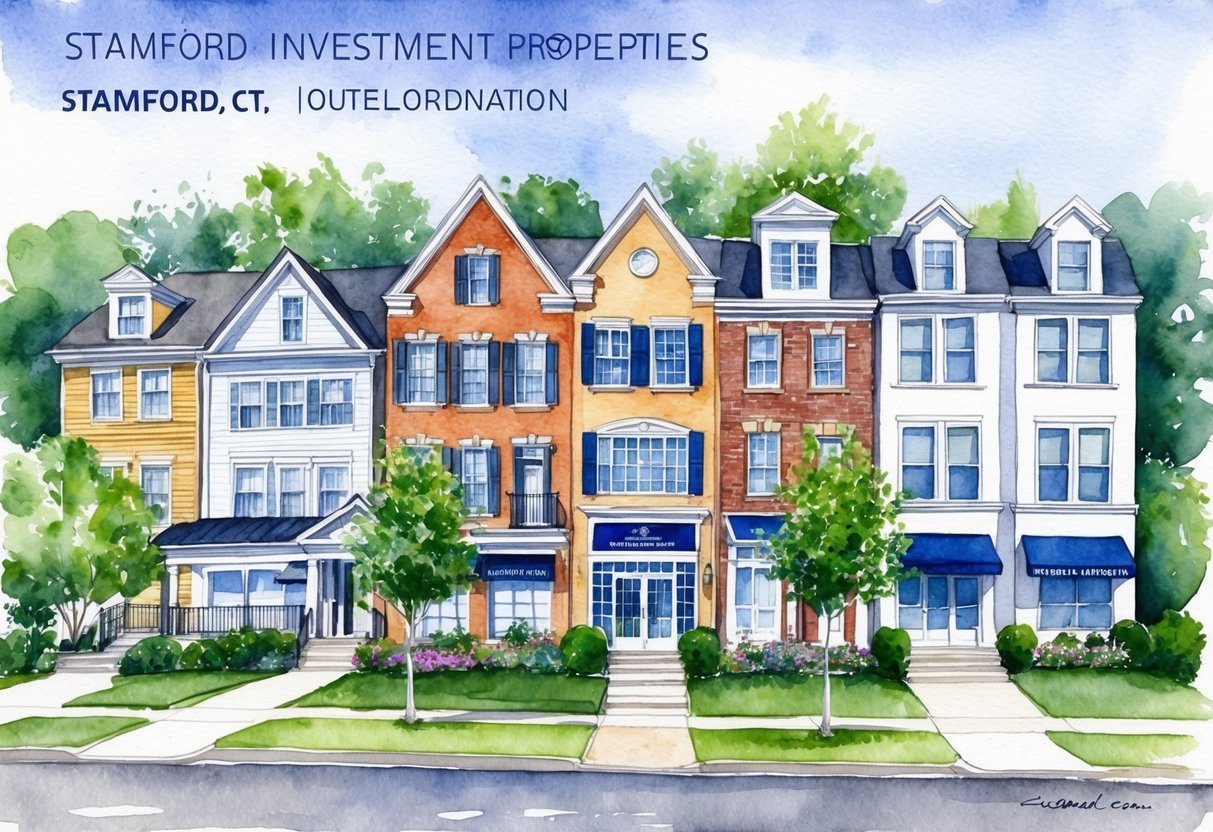
Stamford offers diverse real estate opportunities for savvy investors. Let’s explore the options that could boost your portfolio and cash flow.
Single vs Multi-Family Units
When it comes to investment properties in Stamford, I’ve found that both single and multi-family units have their merits.
Single-family homes can be easier to manage and often appreciate well over time. But have you considered the potential of multi-family units?
Multi-family properties, like duplexes or small apartment buildings, can generate more income streams. They’re a great way to spread risk and boost cash flow. Plus, living in one unit while renting out the others can be a smart move for new investors.
In Stamford, I’ve seen many legal two-family dwellings that offer flexibility. These can be perfect for house hacking or creating steady rental income.
Identifying Opportunities with Homes for Sale
Spotting good deals in Stamford’s real estate market requires a keen eye. I always start by looking at homes for sale in different neighborhoods.
The Cove section, for example, is sought after and could offer solid returns.
What makes a property a good investment? I look for:
- Undervalued homes in up-and-coming areas
- Properties needing minor renovations
- Homes near public transport or major employers
Don’t overlook foreclosures or short sales. These can be goldmines if you’re willing to put in some work.
Remember, the key is to buy low and add value.
Have you considered off-market properties? Stamford has 4,676 off-market investment properties that might not be on your radar. These hidden gems can often be snagged at better prices with less competition.
Financial Dynamics for Real Estate Investors

Real estate investing in Stamford, CT requires a solid grasp of financial strategies. I’ve found that understanding funding options and long-term investment approaches are key to success in this market.
Understanding Lenders and Funding Options
When it comes to funding real estate deals in Stamford, I’ve learned that options are plentiful.
Traditional banks offer mortgages, but they’re not the only game in town. Have you considered private money lenders? They can be more flexible and faster to work with.
For larger projects, I’ve seen investors turn to real estate investment banks like CenterCap Group. These firms specialize in structuring complex deals.
Here’s a quick breakdown of common funding sources:
- Conventional mortgages
- FHA loans
- Hard money lenders
- Private equity partners
- Crowdfunding platforms
Each option has its pros and cons. I always ask myself: Which one aligns best with my investment goals?
The Buy and Hold Strategy
Buy and hold is a classic strategy I’ve used in Stamford’s real estate market. It’s all about playing the long game. Why? Because Stamford’s property values have been appreciating steadily over the years.
The key is finding properties with strong rental potential. I look for areas near major employers or with good school districts. These factors attract long-term tenants.
Here’s what I consider for a buy and hold investment:
- Cash flow potential
- Property appreciation trends
- Local economic indicators
- Maintenance costs
Remember, patience is crucial. Are you prepared to weather market fluctuations? The real payoff often comes years down the line.
Working with Real Estate Professionals
Real estate investing in Stamford, CT requires partnering with skilled professionals. They can make or break your investment journey, so choosing wisely is key.
Role of Real Estate Agents and Attorneys
Real estate agents are your eyes and ears on the ground. They know the Stamford market inside out.
A good agent will:
- Find properties that match your investment goals
- Negotiate deals to get you the best price
- Handle paperwork and coordinate with other parties
I always say, “Your network is your net worth.” This applies to real estate attorneys too. They’re crucial for:
- Reviewing contracts to protect your interests
- Ensuring clear property titles
- Handling complex legal issues that may arise
Have you ever wondered why some investors seem to always find the best deals? It’s often because they’ve built strong relationships with these professionals.
Upholding Integrity in Transactions
Integrity isn’t just a nice-to-have in real estate - it’s essential. As an investor, your reputation is everything.
When working with agents and attorneys, I insist on:
- Full transparency in all dealings
- Honest communication about property conditions
- Fair treatment of both buyers and sellers
Remember, what goes around comes around. Treat others with respect, and you’ll build a network that supports your long-term success.
Are you ready to add value and build relationships in Stamford’s real estate market? It starts with choosing the right professionals to work with.
Navigating Stamford’s Unique Market Challenges

Stamford’s real estate market has its own quirks that investors need to understand. Let’s look at one key factor that can make or break your investment strategy.
Dealing with Average Days on Market
Have you ever wondered how long it takes to sell a house in Stamford? The average days on market can tell us a lot about the local real estate scene.
In Stamford, CT, this number fluctuates based on market conditions.
I’ve noticed that homes in Stamford are selling faster than in previous years. This is great news for sellers, but what does it mean for investors like us?
A shorter time on market often indicates a hot market. It can lead to:
- Higher competition among buyers
- Quicker turnover for fix-and-flip projects
- Less room for negotiation on price
But don’t let this scare you off. I see opportunity here.
With the right strategy, you can use this to your advantage. How? By being prepared to move quickly when you find a good deal.
Remember, in real estate, timing is everything. The key is to have your financing ready and your team in place. This way, when you spot a gem, you can act fast.
Optimizing Real Estate Investment Strategies

Smart investing in Stamford’s real estate market requires a strategic approach. I’ve found that success hinges on thorough research and finding the right properties.
Comprehensive Research and Analysis
I always start by diving deep into Stamford’s market data.
What are the current trends? Which neighborhoods are on the rise? I look at recent sales, rental rates, and economic indicators. This helps me spot opportunities others might miss.
I also pay close attention to local real estate investment market trends.
Are there new developments planned? How about changes in zoning laws? These factors can greatly impact property values.
Don’t forget to analyze the competition. What are other investors doing? Where are they buying? This info can guide your strategy or help you find untapped niches.
Identifying and Securing Investment Properties
Once I’ve done my homework, it’s time to find those golden opportunities.
I keep an eye out for properties that align with my investment goals.
Are you looking for quick flips or long-term rentals?
Networking is key.
I build relationships with local real estate agents, property managers, and other investors. They often know about deals before they hit the market.
When I find a promising property, I act fast. In Stamford’s competitive market, hesitation can cost you.
But I never skimp on due diligence. I always get a thorough inspection and run the numbers carefully.
Have you considered using a 1031 exchange to grow your portfolio?
It’s a great way to defer taxes and reinvest your profits.