Rochester, Minnesota is a hidden gem for real estate investors. I’ve seen many cities, but this one stands out. Why? It’s got a unique blend of stability and growth potential.

The city’s economy is rock-solid. Rochester’s real estate market offers diverse investment opportunities, backed by major employers like Mayo Clinic and IBM. This means steady demand for housing. But here’s the kicker - it’s not just about stability. There’s real potential for appreciation too.
Are you looking for single-family homes or modern developments? Rochester’s got both. Plus, there’s a thriving rental market. Students, medical professionals, and tech workers all need places to live. That spells opportunity for savvy investors like us.
Key Takeaways
- Rochester’s economy is driven by healthcare and tech, creating a stable base for real estate investments
- The market offers a mix of property types, from single-family homes to modern developments
- Rental demand is strong due to the presence of major employers and educational institutions
GPT-Paragraphs/GPT-4/Rochester MN Real Estate Investing 12.md
Understanding the Rochester Real Estate Market
The Rochester real estate market offers unique opportunities for savvy investors. I’ve found that understanding key trends and dynamics is crucial for success in this growing Midwest city.
Current Market Trends
Rochester’s real estate scene is heating up. The market is somewhat competitive, with homes often selling quickly. What’s driving this? The city’s strong economy, anchored by major employers like Mayo Clinic and IBM.
I’ve noticed a mix of property types available. Single-family homes, modern developments, and commercial properties all present diverse options. This variety is great news for investors looking to diversify their portfolios.
The city’s growth in healthcare and technology sectors is attracting new residents. This influx is boosting demand for housing. Are you ready to capitalize on this trend?
Median Listing Price Dynamics
Rochester’s housing prices are on the move. The average house price hit $317K recently, marking a 3.8% increase from last year. This upward trend is promising for potential investors.
But here’s the kicker - Rochester still offers relatively affordable options compared to larger metro areas. This affordability, combined with rising prices, creates a sweet spot for investors.
I’ve seen steady appreciation in property values here. It’s not a skyrocketing market, but rather one with consistent, sustainable growth. Isn’t that exactly what smart investors look for?
Demand and Supply Insights
Rochester’s housing supply is tight. The market had just a 1.6-month supply of homes recently, down from 2.1 months before the pandemic. This limited inventory is fueling competition among buyers.
What does this mean for investors? Properties are moving fast. Homes often receive multiple offers, and some even sell above list price. It’s a seller’s market, but smart buyers can still find opportunities.
The rental market is also robust. With a strong job market attracting newcomers, demand for rentals remains high. Have you considered adding a rental property to your investment mix?
Types of Properties Available in Rochester
Rochester offers a diverse range of real estate options for savvy investors. I’ve seen firsthand how different property types can yield varying returns. Let’s explore the main categories you’ll encounter in this market.
Family Homes
Single-family homes are the backbone of Rochester’s real estate market. I’ve found that these properties often attract long-term tenants, making them a stable investment choice. Many of these homes feature spacious kitchens, multiple bedrooms, and fenced-in yards - amenities that families value.
What makes Rochester unique? Its mix of historic charm and modern developments. You’ll find quaint bungalows in established neighborhoods alongside newer constructions in growing areas. This variety allows investors to target different tenant demographics.
Are you considering fixer-uppers? Rochester has those too. With some sweat equity, you could transform an older home into a high-value rental property.
Condos and Townhouses
Condos and townhouses in Rochester cater to a different market segment. These properties often appeal to young professionals, small families, or retirees looking to downsize. Why? They offer lower maintenance living without sacrificing comfort.
Many of these units come with amenities like:
- Fitness centers
- Community pools
- Shared green spaces
I’ve noticed that condos near Mayo Clinic are particularly popular. They provide convenient housing for medical staff and patients’ families. This proximity can translate to higher rental rates and steady demand.
Multi-Family Units
For those looking to scale their investments quickly, multi-family properties in Rochester present an interesting opportunity. These buildings range from duplexes to small apartment complexes.
Why consider multi-family units? Simple math: more units mean more rental income from a single property. Plus, you’re spreading your risk across multiple tenants.
Rochester’s strong job market, driven by healthcare and technology sectors, ensures a steady stream of renters. This demand can lead to lower vacancy rates for well-managed multi-family properties.
Have you thought about house hacking? Living in one unit while renting out the others can be a smart way to offset your mortgage and build equity.
Identifying Investment Opportunities
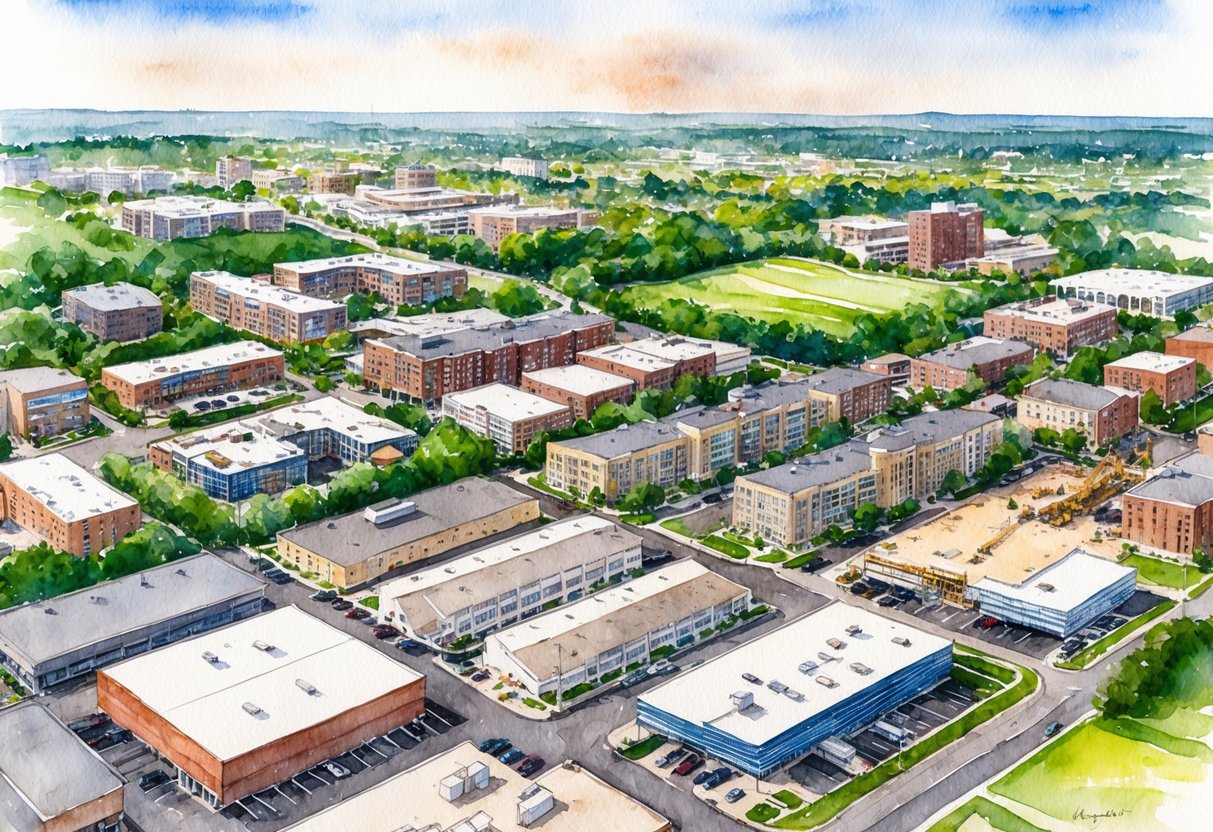
Rochester’s real estate market is full of hidden gems. I’ve found some great ways to spot lucrative deals that many investors overlook. Let’s explore three key strategies I use to find prime investment properties in this growing Minnesota city.
Foreclosures and Short Sales
I always keep an eye out for foreclosures and short sales in Rochester. These can be goldmines for savvy investors. Banks often want to offload these properties quickly, which can mean big discounts. I’ve seen foreclosures sell for up to 30% below market value in some Rochester neighborhoods.
But here’s the catch - you need to act fast. These deals don’t stay on the market long. I recommend building relationships with local real estate agents who specialize in distressed properties. They can give you a heads up on upcoming listings before they hit the market.
Don’t forget to do your homework, though. I always inspect these properties carefully. Sometimes the savings on purchase price can be eaten up by needed repairs.
Off-Market Listings
Off-market properties are another secret weapon in my investment arsenal. These are homes that aren’t publicly listed but are still for sale. How do I find them? Networking is key.
I’ve built connections with local real estate agents, property managers, and even other investors. They often know about properties before they hit the market. Sometimes, homeowners want to sell quietly without the hassle of a public listing.
Direct mail campaigns can also uncover hidden gems. I’ve had success sending letters to homeowners in target neighborhoods, expressing interest in buying their property. It’s amazing how many people are willing to sell if approached the right way.
Emerging Neighborhoods
Want to know where the next hot investment area will be? I look for emerging neighborhoods in Rochester. These are areas on the cusp of growth and development.
I pay attention to city planning meetings and local news. Are there new businesses moving in? Infrastructure improvements planned? These can be signs of an up-and-coming area.
Rochester’s real estate market is diverse, with opportunities in various neighborhoods. I’ve had success investing near major employers like Mayo Clinic and IBM. The steady influx of workers creates consistent rental demand.
Don’t forget about student housing opportunities near Rochester Community and Technical College. With careful research, you can spot the next neighborhood boom before prices skyrocket.
Financial Aspects of Real Estate Investing

Real estate investing in Rochester, MN offers unique financial opportunities. I’ve found that understanding the numbers, exploring funding options, and maximizing tax benefits are key to success in this market.
Calculating ROI
When I invest in Rochester real estate, I always start by crunching the numbers. Return on Investment (ROI) is my North Star. Here’s how I break it down:
- Purchase price + renovation costs
- Estimated rental income
- Operating expenses (taxes, insurance, maintenance)
- Potential appreciation
I aim for properties that can yield at least a 6-8% annual return. The Rochester housing market has shown steady appreciation, which can boost long-term ROI.
But here’s a question: Are you factoring in all the hidden costs? Many investors forget about vacancy rates and property management fees. I always set aside 5-10% for unexpected expenses.
Understanding Financing Options
Financing can make or break a deal. In Rochester, I’ve used several strategies:
- Conventional mortgages: Best for primary residences or first-time investors
- FHA loans: Great for multi-unit properties if you plan to live in one unit
- Hard money loans: Ideal for quick flips, but come with higher interest rates
Have you considered partnering with other investors? The Rochester real estate market offers diverse investment opportunities, from single-family homes to commercial properties.
I always recommend shopping around for rates. Local credit unions often offer competitive terms for investment properties.
Tax Implications and Benefits
Smart investors know that real estate can be a tax haven. Here are some benefits I’ve taken advantage of in Rochester:
- Depreciation deductions
- Mortgage interest write-offs
- Property tax deductions
- 1031 exchanges to defer capital gains
Did you know that investing in certain areas of Rochester might qualify for additional tax incentives? The Destination Medical Center initiative offers potential benefits for investors contributing to the city’s growth.
I always work with a tax professional who understands real estate investing. They can help navigate the complex tax landscape and maximize your returns.
Working with Real Estate Professionals

Real estate professionals can be crucial allies in your Rochester, MN investment journey. They bring local market knowledge, negotiation skills, and legal expertise to the table. Let’s explore how to make the most of these partnerships.
Choosing a Real Estate Agent
Finding the right agent is key to success in Rochester’s market. I look for agents with a track record in investment properties. Why? They understand an investor’s unique needs.
Local expertise is crucial. Does the agent know Rochester’s neighborhoods inside out? Can they spot up-and-coming areas?
I always ask for referrals from other investors. A good agent should have a network of satisfied clients. Don’t be shy about interviewing multiple agents. It’s your money on the line, after all.
Remember, Rochester’s real estate market is unique. An agent who knows its ins and outs is worth their weight in gold.
Legal Considerations and Contracts
Investing in real estate isn’t just about finding good deals. It’s about protecting yourself legally. That’s where a real estate attorney comes in handy.
Why do I always work with a lawyer? They catch things I might miss. Contracts can be tricky, and laws change often.
In Rochester, zoning laws and property regulations matter. A good attorney will help navigate these waters. They’ll review purchase agreements, ensure proper disclosures, and protect your interests.
Don’t skimp on legal advice. It’s cheaper than a lawsuit down the road. Trust me, I’ve seen investors learn this the hard way.
The Role of a Property Manager
Ever wondered how successful investors manage multiple properties? The secret: a good property manager.
In Rochester, property management can make or break your investment. They handle day-to-day operations, freeing you to focus on strategy.
What should a property manager do? They’ll find and screen tenants, collect rent, and handle maintenance. In winter, that’s a big deal in Minnesota!
A skilled manager knows local laws and keeps your property compliant. They’ll also help set competitive rents based on market trends.
Is it worth the cost? I say yes. Good management can increase your property’s value and your peace of mind.
Strategies for Successful Real Estate Investment

Investing in real estate can be a powerful way to build wealth. Let’s explore some proven strategies that can help you succeed in the Rochester, MN market.
Buy and Hold
Buy and hold is a classic strategy that can generate steady income. I’ve found it’s perfect for patient investors looking for long-term gains. Here’s how it works:
- Purchase properties in growing areas of Rochester
- Rent them out to reliable tenants
- Collect monthly cash flow
- Wait for property values to appreciate
This approach allows you to benefit from both rental income and property value increases. It’s like having your tenants pay off your mortgage while your asset grows in value. Isn’t that a sweet deal?
But remember, being a landlord comes with responsibilities. You’ll need to manage tenants, handle repairs, and stay on top of local regulations. Are you ready for that commitment?
Fix and Flip
For those with a knack for renovation, fix and flip can be an exciting and profitable strategy. Here’s the basic process:
- Find undervalued properties
- Renovate to increase value
- Sell for a profit
The key is to buy low and sell high. But it’s not as simple as it sounds. You need a good eye for potential and solid renovation skills. Can you spot a diamond in the rough?
In Rochester, look for older homes in desirable neighborhoods. The local real estate market has plenty of opportunities if you know where to look.
Remember, time is money in this game. The longer you hold the property, the more it costs you in carrying expenses. Can you complete renovations quickly and efficiently?
House Hacking
House hacking is a clever way to get started in real estate investing, especially if you’re on a tight budget. Here’s how it works:
- Buy a multi-unit property
- Live in one unit
- Rent out the others
This strategy lets you use rental income to cover your mortgage and living expenses. It’s like getting paid to live in your own home! Isn’t that a game-changer?
In Rochester, look for duplexes or small apartment buildings. These can be great starter investments. Plus, you’ll gain valuable experience as a landlord.
But be prepared for close quarters with your tenants. Can you handle the lack of privacy and potential late-night maintenance calls?
Real Estate Investment Trusts (REITs)
REITs offer a hands-off approach to real estate investing. They’re perfect if you want the benefits of real estate without the hassles of property management. Here’s what you need to know:
- REITs are companies that own and operate income-producing real estate
- You can buy shares of REITs on the stock market
- They provide regular dividend payments
REITs give you exposure to real estate markets beyond Rochester. You can diversify your portfolio with just a small investment. Isn’t that a smart way to spread your risk?
But remember, you’ll have less control over your investments compared to direct property ownership. Are you comfortable with that trade-off?
To get started, look into REITs that focus on residential or commercial properties. Do your research and choose ones with solid track records and good management teams.
Navigating Challenges and Risks

Real estate investing in Rochester, MN can be rewarding, but it’s not without its hurdles. I’ve seen many investors face setbacks due to unforeseen challenges. Let’s explore some key areas where caution is needed.
Market Volatility
The Rochester housing market can be unpredictable. I’ve noticed prices fluctuate based on factors like economic conditions and local developments.
What happens when a major employer downsizes? It can impact home values and rental demand. I always keep an eye on Mayo Clinic and IBM, as they’re big players here.
Interest rates are another wild card. When they rise, it can cool buyer demand and affect property values. I’ve seen investors get caught off guard by sudden market shifts.
To stay ahead, I monitor local economic indicators and national trends. Diversifying across different property types can also help cushion against volatility.
Regulatory Compliance
Navigating laws and regulations is crucial in real estate investing. Rochester has its own set of rules that can trip up unwary investors.
Zoning laws determine how you can use a property. I’ve seen investors buy buildings only to discover they can’t use them as planned.
Rental regulations are another minefield. Rochester has specific requirements for landlords. Are you familiar with the rental licensing process? What about lead paint disclosures?
Tax laws add another layer of complexity. Property taxes, capital gains, and depreciation rules can significantly impact your returns.
I always recommend working with local experts who know the ins and outs of Rochester’s regulations. It’s saved me from costly mistakes more than once.
Risk Management Practices
Smart investors don’t just hope for the best - they plan for the worst.
I’ve developed strategies to protect my investments over the years.
Insurance is your first line of defense. Are you covered for natural disasters? What about liability protection?
I make sure my policies are up-to-date and comprehensive.
Building a cash reserve is crucial. I aim for at least six months of operating expenses. It’s a lifesaver during unexpected vacancies or major repairs.
Regular property inspections can catch small issues before they become big problems.
I schedule them quarterly for peace of mind.
Diversification is key. I spread my investments across different neighborhoods and property types. It helps balance risk and opportunity in the Rochester real estate market.
Have you considered forming an LLC? It can provide an extra layer of asset protection.
I’ve found it invaluable in my investing journey.