Raleigh-Durham, NC is a goldmine for real estate investors. I’ve seen many markets, but this area stands out. Why? It’s growing fast and has a strong job market.
These factors make it perfect for rental properties.
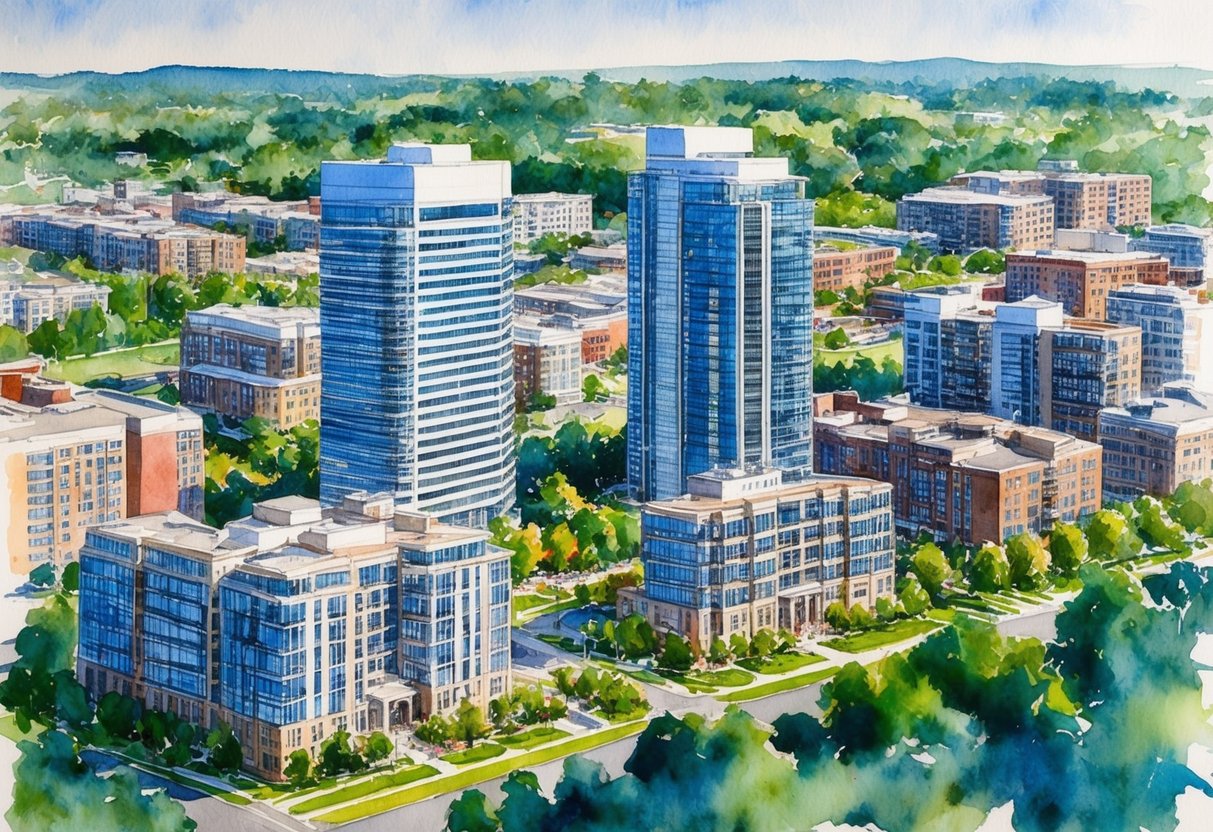
Investing in Raleigh-Durham real estate can provide steady cash flow and long-term appreciation. The area’s population is booming, with Raleigh alone growing by nearly 16% in recent years.
This growth drives demand for housing, pushing up both property values and rental rates.
Are you wondering where to start? I’ve found that areas like Brier Creek offer a mix of housing options, from single-family homes to condos.
Its proximity to Research Triangle Park makes it a hotspot for tech professionals seeking housing. But that’s just one of many promising areas in this dynamic market.
Key Takeaways
- Raleigh-Durham’s strong job market and population growth fuel real estate demand
- Diverse neighborhoods offer various investment opportunities for different budgets
- Understanding local trends and regulations is crucial for successful investing in this market
Understanding the Raleigh-Durham Real Estate Market
The Raleigh-Durham area is a hotbed for real estate investment. I’ve seen firsthand how the region’s unique combination of economic factors and growth trends create exciting opportunities for savvy investors.
The Impact of Research Triangle Park on Housing Demand
Research Triangle Park (RTP) is a game-changer for the local real estate market. This massive research and development hub attracts top-tier companies and talented professionals.
What does this mean for you as an investor? High-paying jobs lead to increased housing demand.
RTP employs over 55,000 workers. These aren’t just any jobs - we’re talking about high-tech, well-compensated positions. As a result, home values in Raleigh have skyrocketed by 35.7% in just one year.
That’s the kind of growth that can supercharge your investment returns.
But here’s the kicker: RTP’s influence extends beyond just housing prices. It’s created a robust rental market too.
Are you ready for this? The median rent for a single-family home in Raleigh is now $1,820, up 10.2% year-over-year. Can you see the potential here?
Population Growth and Its Effects on Real Estate
Have you ever wondered why some real estate markets boom while others bust? In Raleigh-Durham, population growth is the secret sauce. The area’s economic vitality and job opportunities are drawing people in droves.
This influx of new residents is putting pressure on the housing market. In Durham, the average home value has hit $407,798, up 5.3% in just one year.
But here’s what’s really interesting: homes are getting snapped up fast, often going pending in around 8 days.
What does this mean for you? It’s simple: high demand and quick sales. If you’re thinking about flipping properties, this market could be your golden ticket.
Or if you prefer a buy-and-hold strategy, the steady appreciation and strong rental market make Raleigh-Durham an attractive option.
Key Areas in the Raleigh-Durham Market
The Raleigh-Durham area offers a diverse range of investment opportunities. I’ve identified some prime locations that combine economic growth, academic influence, and residential appeal.
Economic Hubs and Academic Institutions as Drivers
Research Triangle Park (RTP) is the beating heart of the region’s economy. It’s home to major employers like IBM and Cisco. This tech hub draws talent and fuels demand for nearby housing.
Duke University in Durham and UNC in Chapel Hill are more than just schools. They’re economic powerhouses. These institutions create a steady stream of jobs and attract bright minds to the area.
Morrisville, nestled between Raleigh and Durham, is booming. It’s close to RTP and the airport, making it a hot spot for young professionals. Have you considered the potential of investing near these economic engines?
Emerging Neighborhoods in Raleigh-Durham
North Hills in Raleigh is transforming rapidly. It’s becoming a “city within a city” with new apartments, offices, and shops. The mix of live-work-play makes it attractive to young renters.
Downtown Durham is experiencing a renaissance. Old tobacco warehouses are now trendy lofts and startup offices. The food scene here is exploding. Could this be the next big thing for property investors?
East Raleigh is on the rise. It’s more affordable than other parts of the city, but that’s changing fast. New developments are popping up, bringing in young families and professionals.
Established Residential Communities
Cary stands out as a family-friendly suburb. It’s known for great schools and low crime rates. Many tech workers choose to live here, driving up property values.
Northeast Raleigh offers a mix of established neighborhoods and new developments. It’s popular with families and has easy access to major highways.
Chapel Hill isn’t just a college town. It’s home to many professors and professionals. The charming downtown and excellent schools make it a stable market for long-term investments.
Investing in Different Types of Properties
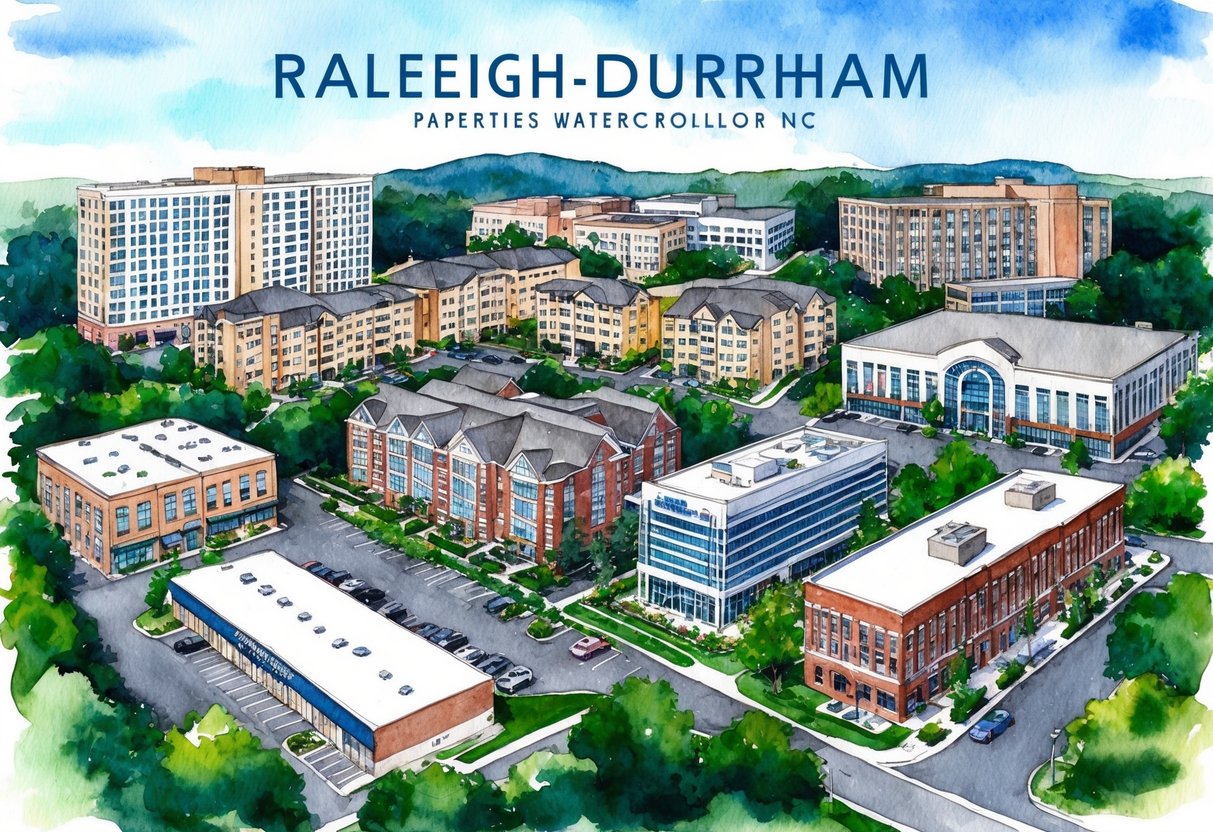
When it comes to real estate investing in Raleigh-Durham, there’s a world of opportunities waiting to be explored. Each property type offers unique advantages and challenges. Let’s dive into the specifics of single-family homes, multi-family dwellings, and commercial real estate.
Assessing Single-Family Homes
Single-family homes are often the go-to choice for new investors. Why? They’re easier to understand and manage.
In Raleigh-Durham, the median home price is attractive compared to other major metro areas. This makes entry more accessible.
But here’s the kicker: appreciation potential. As the area grows, so does property value. I’ve seen homes in desirable neighborhoods double in value over a decade. Isn’t that the kind of growth we’re all after?
Maintenance is simpler too. One roof, one HVAC system. It’s straightforward. Plus, tenants in single-family homes often stay longer. They treat the property like their own home. Less turnover means more stable income for you.
Prospects of Multi-Family Dwellings
Multi-family properties are where the real cash flow magic happens. Think about it - multiple rent checks from one property. Sounds good, right?
In Raleigh-Durham, multi-family investments are gaining traction. Why? Population growth. More people means more renters. It’s simple supply and demand.
The initial cost is higher, sure. But so is the potential return. Vacancy is less of a concern too. If one unit is empty, others are still generating income. It’s a buffer against financial hiccups.
Management can be more complex. More units mean more maintenance. But with the right systems in place, it’s manageable. And the economies of scale? They’re in your favor.
Commercial Real Estate Opportunities
Commercial real estate in Raleigh-Durham? It’s a different ball game. Higher risk, but potentially higher rewards. The area’s booming job market makes it ripe for commercial investment.
Office spaces, retail locations, industrial properties - each has its niche. The key? Understanding the local market trends. Which industries are growing? Where are businesses setting up shop?
Leases are typically longer in commercial real estate. That means more stable income. But it also means adapting to changing business needs. Can your property evolve with the times?
Commercial properties often appreciate faster than residential. But they’re also more sensitive to economic shifts. It’s a balancing act. Are you ready to play?
Financial Insights for Raleigh-Durham Investors

Investing in Raleigh-Durham real estate offers promising opportunities. The area’s strong housing market and rental demand create potential for both appreciation and steady income.
Analyzing the Raleigh-Durham Housing Market Data
The Raleigh-Durham area is booming. Home values in Durham have risen 5.3% over the past year, reaching an average of $407,798. This growth shows the market’s strength.
What does this mean for investors? It’s a sign of long-term appreciation potential. The median sale price in Durham stands at $382,333 as of March 2024. Homes are selling quickly, often going pending in just 8 days.
In Raleigh, the market is equally robust. It’s ranked as a top 10 emerging housing market for investors. This ranking is based on economic vitality, housing market strength, and quality of life.
Calculating Return on Investment
How can we turn these market insights into profitable investments? Let’s break it down.
Rental income is a key factor. In Raleigh, the median rent for single-family homes is $1,820, up 10.2% year-over-year. This growth in rental rates can boost your cash flow.
To calculate ROI, consider:
- Purchase price
- Rental income
- Operating expenses
- Potential appreciation
For example, a property in Wilson’s Mills, with a median sale price of $282,000, could offer a good entry point. Factor in the area’s growth and rental demand to estimate your potential returns.
Remember, location matters. Areas like Brier Creek offer diverse housing options and proximity to job centers, potentially increasing your rental demand and property value.
Quality of Life and Real Estate Valuation
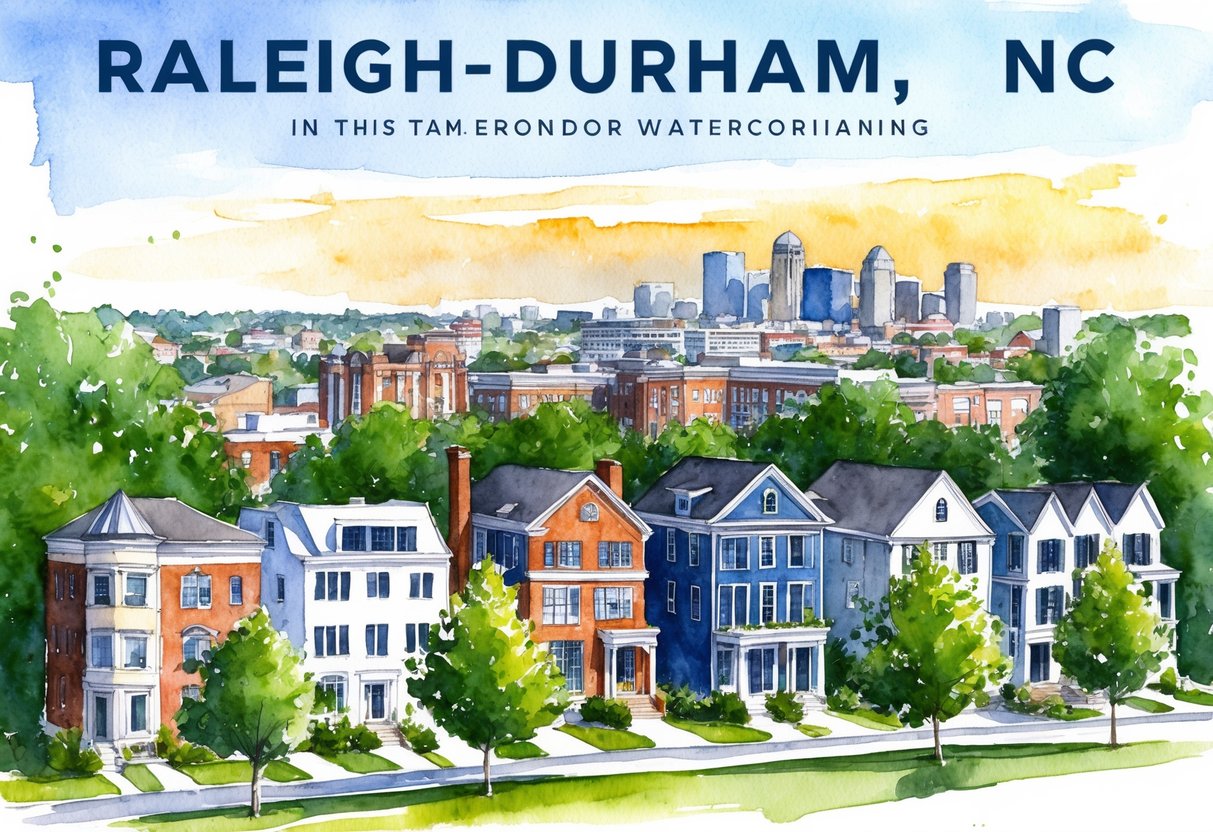
The Raleigh-Durham area offers an exceptional quality of life that directly impacts real estate values. I’ve seen firsthand how lifestyle factors and amenities can drive property demand in this region.
Lifestyle, Amenities, and Property Demand
Have you ever wondered why some neighborhoods command higher prices? In Raleigh-Durham, it’s all about the lifestyle. The area boasts top-ranked schools, thriving job markets, and cultural attractions that make it a magnet for families and professionals.
I’ve noticed that areas with easy access to parks, shopping, and dining tend to see stronger property values.
For example, neighborhoods near the Research Triangle Park often fetch premium prices due to their proximity to major employers.
Transportation is another key factor. Areas with good public transit or quick highway access tend to be in high demand. I always advise my clients to consider commute times when evaluating potential investments.
What about future growth? Raleigh’s ongoing urban development projects are creating new hotspots for real estate. Savvy investors should keep an eye on upcoming infrastructure improvements that could boost property values in surrounding areas.
Strategic Investment Practices in Raleigh-Durham
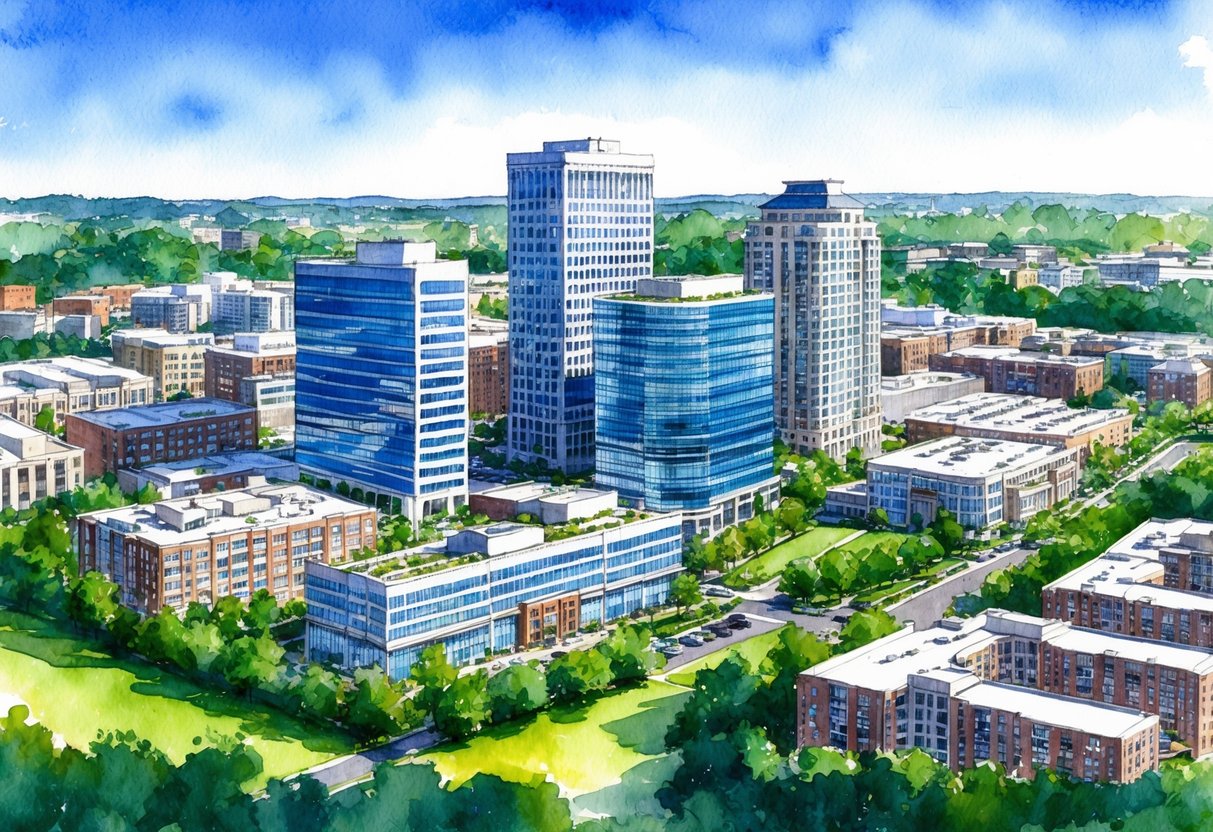
The Raleigh-Durham area offers exciting opportunities for real estate investors. I’ve found that success here comes from smart strategies and a deep understanding of the local market.
Building a Diverse Real Estate Portfolio
In Raleigh-Durham, I’ve seen firsthand how a diverse portfolio can lead to greater returns. Why put all your eggs in one basket? Investors are buying 1 in 4 homes in Raleigh, showing the area’s potential.
I recommend looking at:
- Single-family homes in growing suburbs
- Multi-family units near universities
- Commercial properties in business districts
Each type of property carries its own risks and rewards. By spreading your investments, you’ll be better protected against market fluctuations.
Long-Term vs. Short-Term Investment Strategies
When it comes to real estate investing in Raleigh-Durham, timing is everything. I’ve learned that both long-term and short-term strategies can be profitable here.
For long-term growth, I focus on areas with strong job markets and population growth.
Home values in Raleigh have increased by 35.7% over the last year, making it a prime location for buy-and-hold strategies.
Short-term investors might consider:
- Fix-and-flip properties in up-and-coming neighborhoods
- Vacation rentals near popular attractions
- Student housing options with higher turnover
Remember, the key is to match your strategy with your financial goals and risk tolerance. What’s your investment timeline?
Navigating Legal and Regulatory Considerations

When investing in Raleigh-Durham real estate, it’s crucial to understand the legal landscape. I’ve found that knowing the rules can make or break your investment success.
Understanding Zoning Laws
Zoning laws in Raleigh-Durham can be tricky. They determine how you can use a property. I always check these laws before buying.
In some areas, you can’t turn a single-family home into a multi-unit rental. That could ruin your investment plans!
The city often updates these rules. I make it a habit to stay informed. It’s smart to check with local authorities about current zoning laws.
Want to build or renovate? You’ll need permits. Don’t skip this step! It can save you from costly fines later.
Tax Implications for Real Estate Investors
Taxes can eat into your profits if you’re not careful. But they can also offer benefits. It’s all about knowing the rules.
I’ve learned that rental income is taxable. But you can deduct many expenses. These might include property taxes, mortgage interest, and repair costs.
Capital gains tax is another big factor. If you sell a property for more than you paid, you’ll owe this tax. But there are ways to reduce it.
Have you heard of a 1031 exchange? It lets you defer taxes by reinvesting in a similar property. It’s a powerful tool for growing your real estate portfolio.
Remember, tax laws change. I always work with a local tax pro to stay on top of things. It’s worth the cost to avoid costly mistakes.
Trends and Forecasting for Raleigh-Durham Investors
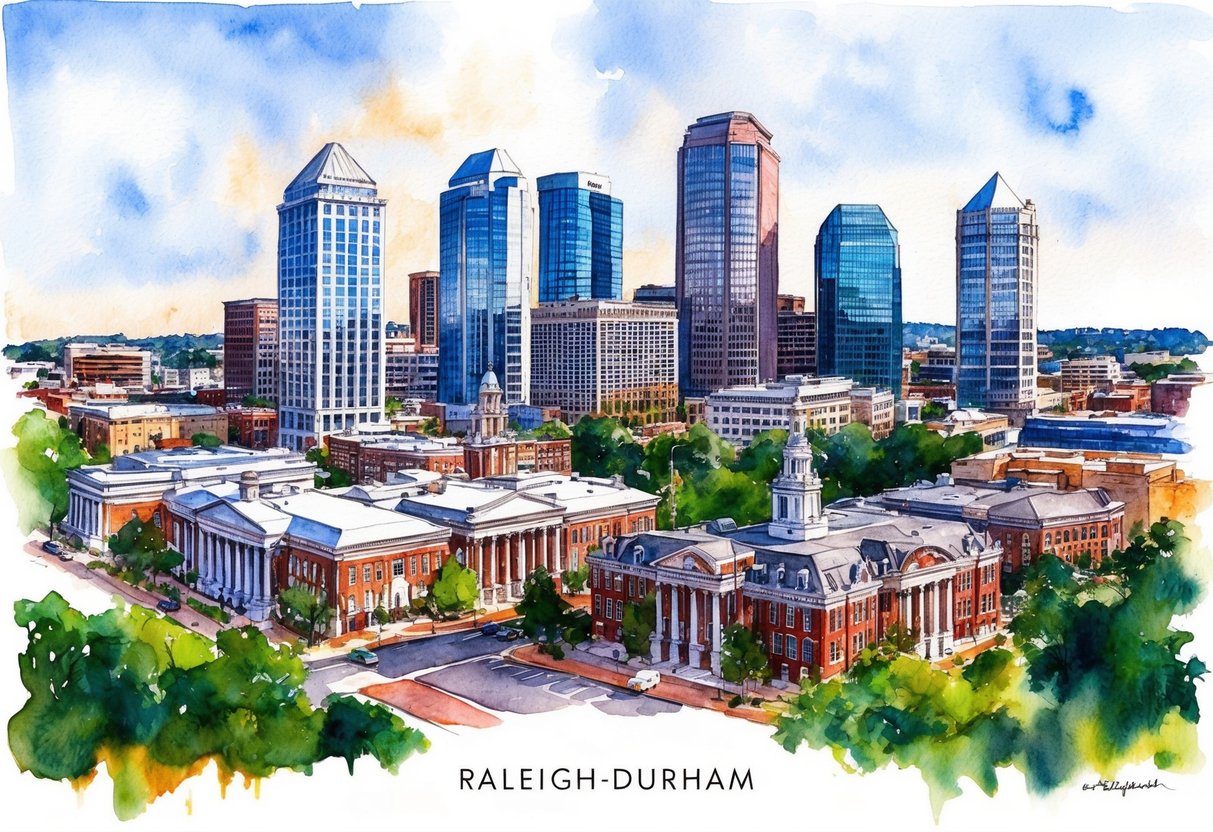
The Raleigh-Durham area is a hotbed for real estate investment. I’ve seen impressive growth here, driven by strong economic factors and population trends. Let’s dive into what this means for savvy investors.
Anticipating Market Shifts
Have you noticed how quickly the Raleigh-Durham market is evolving? I sure have. The median home price in Raleigh has hit $427,000, a 5.2% jump from last year. That’s a clear sign of a robust market.
But here’s the kicker - home sales are slowing down a bit. What does this mean for us as investors? It’s a perfect time to snag properties before prices climb higher.
I’m also keeping my eye on the rental market. With average rents in Raleigh around $2,108, there’s solid cash flow potential for buy-and-hold investors.
Adapting to Changes in the Housing Market
So, how do we play this market? I always say, follow the jobs. The Raleigh-Durham area is a magnet for tech companies and startups. This influx of high-paying jobs is fueling housing demand.
But here’s where it gets interesting. Durham’s home values are up 5.3% over the past year, hitting an average of $407,798. Properties are moving fast, often pending in just 8 days.
What’s my strategy? I’m looking at up-and-coming neighborhoods. Areas that are on the cusp of gentrification often offer the best long-term appreciation potential. Remember, in real estate, we make our money when we buy, not when we sell.
Resource Guide for Existing and Prospective Investors
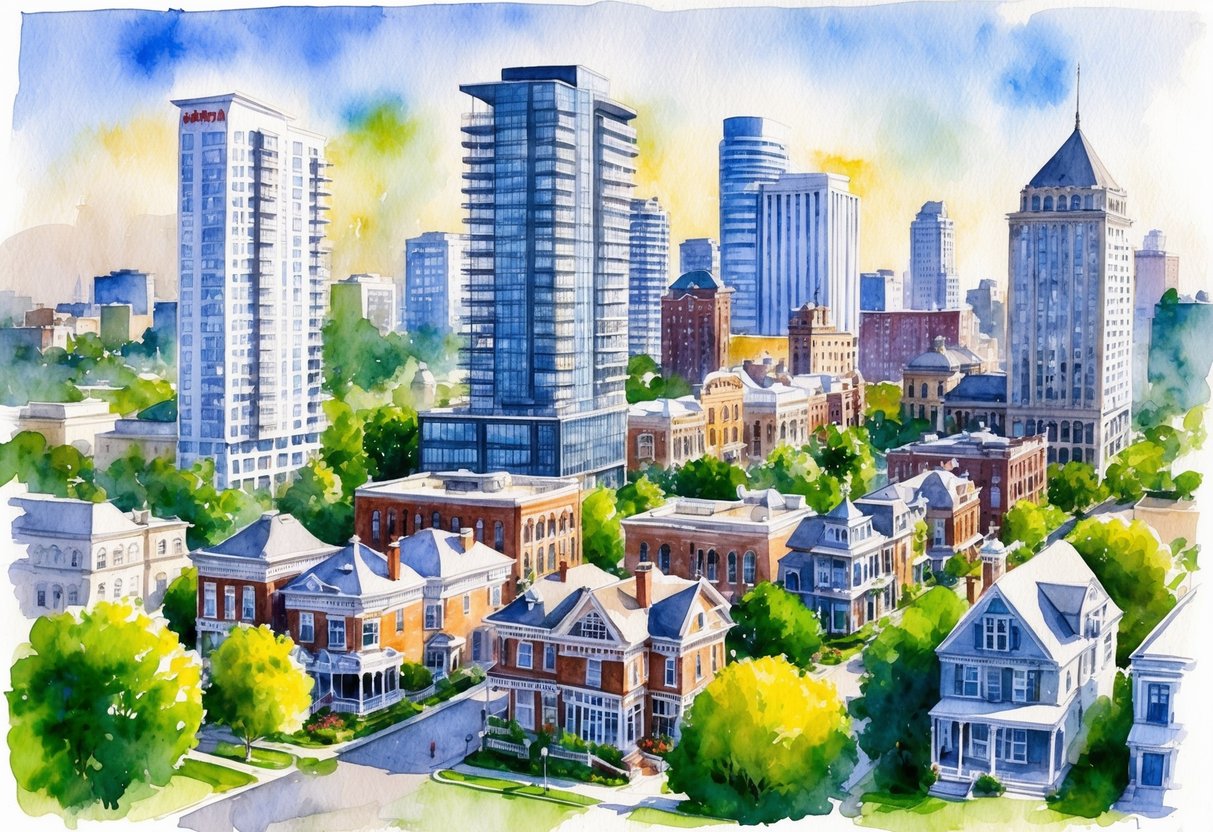
Raleigh-Durham offers a wealth of resources for real estate investors. I’ve compiled key information to help you navigate the local market and build your network.
Local Real Estate Resources
The Triangle Real Estate Investors Association is a goldmine for investors like us. They host regular events, including lunch and learns and deal exchanges. These gatherings are perfect for staying up-to-date on market trends and finding potential deals.
Are you looking for investment hotspots? Brier Creek is a neighborhood worth checking out. It’s close to Research Triangle Park, making it attractive to tech workers.
For those eyeing more affordable options, consider Wilson’s Mills. It’s about 26 miles southeast of Raleigh and offers lower entry prices for investment properties.
Investment Support and Networking
Have you ever felt overwhelmed by property management? I’ve been there.
Luckily, local property management companies can handle tasks like tenant screening and maintenance.
Networking is crucial in this business.
Why not join investment groups focused on the Research Triangle Park area? You’ll meet like-minded individuals and potentially find partners for future deals.
Don’t forget about online resources.
Real estate forums and social media groups specific to Raleigh-Durham can provide valuable insights and connections.
Have you explored these virtual communities yet?