
Most people spend years working, saving, and following the typical advice—put your money in stocks, bonds, maybe a 401(k). But what if there’s a better path, one with the potential for real growth and freedom?
I’ve found that real estate investing in Philadelphia, PA gives me real control over my financial future, letting me build wealth on my own terms.
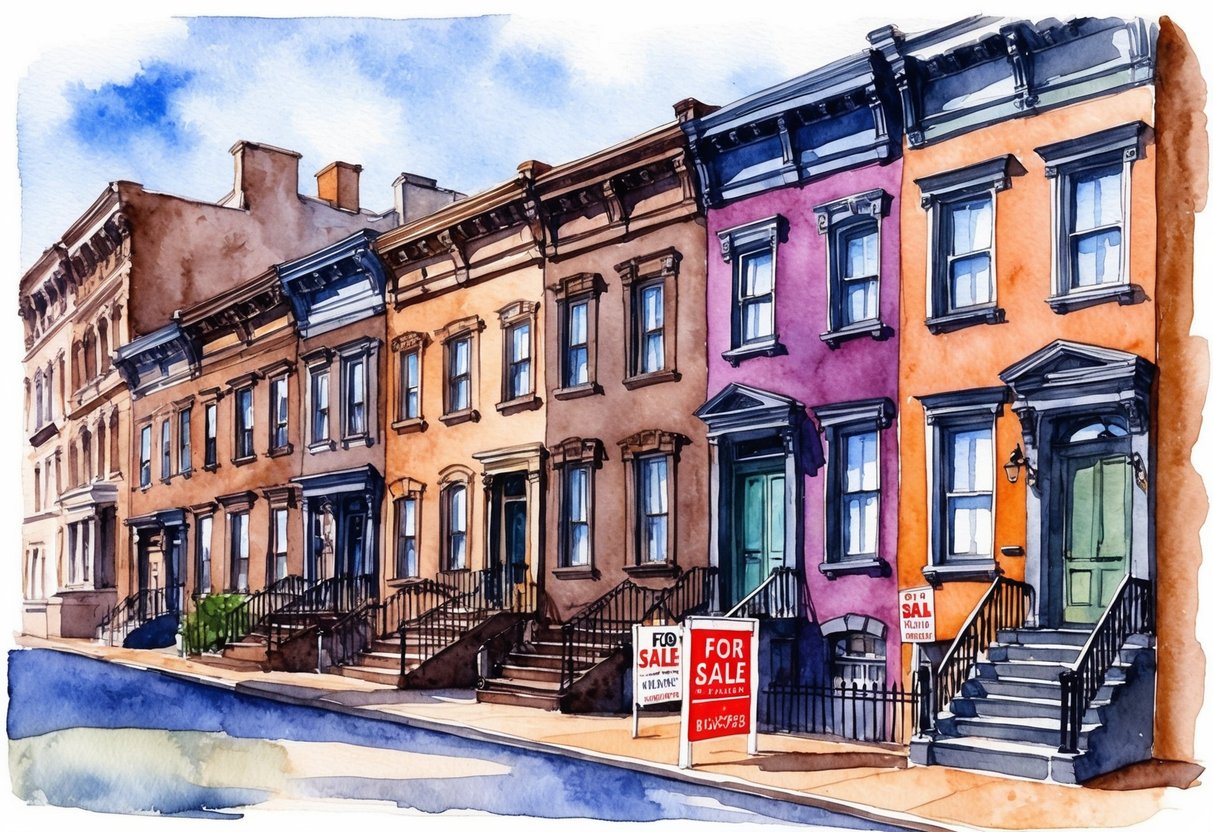
Philadelphia’s real estate market is full of promising neighborhoods that aren’t on every headline, but offer steady rental income and price growth. Fishtown, Brewerytown, and Chestnut Hill are a few of the areas people are talking about for investment right now.
Demand for rentals remains high, and homes here often cost less than in other big cities, making it easier to get started. Want to know why more investors are choosing Philadelphia for rental properties?
Explore the best neighborhoods for real estate investing at sites like Philadelphia’s best places to invest in real estate 2025 and see what’s possible when you look beyond traditional options. Are you ready to take back control of your money and start investing in real assets, not just ideas?
The rules have changed, but the opportunity is still here for those willing to learn what’s working now.
Key Takeaways
- Philadelphia offers strong real estate potential outside of traditional investments.
- Top neighborhoods provide steady rental income and growth opportunities.
- Success comes from understanding local trends, strategies, and legal steps.
Understanding the Philadelphia Real Estate Market
In Philadelphia, real estate is more than just buying property—it’s about making strategic moves with your money. I want to show you what’s actually happening in this housing market, not just play by outdated rules.
Let’s break down the facts and patterns that drive results.
Market Overview
I see Philadelphia as an active market with options for many types of investors. There are established neighborhoods like Center City and fast-rising areas such as Fishtown and Brewerytown.
Both seasoned and first-time property buyers can find openings here. The city’s median home price is currently around $250,000.
This figure puts Philadelphia well below other Northeast cities like New York and Boston, which helps my dollars stretch farther. Single-family homes, rowhouses, and condos dominate the listings.
I also notice rental demand is strong, driven by a large student population and young professionals moving in. Philadelphia’s central location on the East Coast keeps its market lively.
It’s easy to reach New York, Washington, D.C., and other big cities, which draws new residents and jobs.
Recent Trends and Data
In the past year, home prices in Philadelphia have dropped by about 9% compared to the previous year. For example, the median sale price recently settled at about $250,000, making entry easier for those who have been priced out elsewhere.
The average time a home spends on the market has decreased, which shows that listings are moving quickly. Multiple-offer situations are common in popular neighborhoods.
Inventory remains limited, so buyers and renters need to act fast and be well-prepared. From rental properties to fix-and-flip deals, I see opportunities for both passive investors and those eager to be more hands-on.
Rental yields are higher than the national average in many Philadelphia zip codes. That allows for stronger cash flow.
Job Growth and Economic Influences
Philadelphia isn’t just about historic landmarks or sports teams. In my experience, job growth directly shapes the strength of the real estate market.
Health care, education, and the tech sector are leading the way here. Major employers include the University of Pennsylvania, Comcast, and Jefferson Health.
They’re driving population growth, and that’s boosting both rental and home buying activity. The city’s focus on biotech and medical research creates high-paying jobs, which helps support values in desirable neighborhoods.
The regional economy is diversified. When one industry slows, others keep the city stable.
I pay close attention to these shifts because job growth is often the “X factor” behind steady demand for both rentals and homes for sale. As more residents find solid careers in Philadelphia, this real estate market remains a place where money can work smarter—not just harder.
Key Neighborhoods for Real Estate Investing

Philadelphia’s real estate market offers a mix of longtime favorites and rising stars. While some neighborhoods have seen steady growth for years, others are just starting to attract investor attention with affordable pricing and strong rent potential.
Emerging Investment Hotspots
When I look for new opportunities, I focus on areas that show signs of growth but haven’t yet hit their peak. In Philadelphia, neighborhoods like Fishtown and Brewerytown stand out.
Fishtown’s rapid transformation comes from its mix of trendy restaurants and modern developments, which keeps attracting young professionals. Brewerytown is a prime example of how quickly a neighborhood can change its reputation.
This area is seeing more renovated townhomes and new businesses, which often leads to higher property values over time. Other spots like Olde Kensington and Port Richmond are gaining interest for their mix of affordability and location near Center City.
Investors who want to stay ahead of the curve should keep an eye on neighborhoods such as Strawberry Mansion, which offers lower home prices and the potential for long-term appreciation. If I want to play it safer while still catching momentum, Chestnut Hill’s stability attracts steady demand and remains popular for families and retirees.
For a full list of places grabbing attention, I recommend reviewing Philadelphia’s best places to invest in real estate in 2025.
Comparing Neighborhood Profiles
Let’s break down some of the differences in key neighborhoods to help make smart investment choices.
Neighborhood
Typical Home Value
Main Draw
Growth Outlook
Fishtown
Mid to High
Vibrant, Trendy
Strong, Increasing
Brewerytown
Moderate
Up-and-Coming
Good, Rapid Change
Olde Kensington
Affordable-Moderate
Proximity to Downtown
Rising
Chestnut Hill
High
Established, Stable
Stable, Reliable
Port Richmond
Affordable
Easy Access, Growth
Upward Trajectory
Strawberry Mansion
Lower
Affordable Entry Point
High Potential
Fishtown is ideal for those wanting quick returns and a lively atmosphere, but it’s not the cheapest spot to enter. Brewerytown and Olde Kensington sit at a lower price point while still holding promise for future appreciation.
Chestnut Hill always attracts buyers who want a safe bet, even if growth is slower. Port Richmond and Strawberry Mansion are places where I can buy in for less and possibly see greater upside in the future, especially as development spreads north.
I always ask—am I searching for stability, or am I willing to wait for future gains?
Investment Strategies in Philadelphia
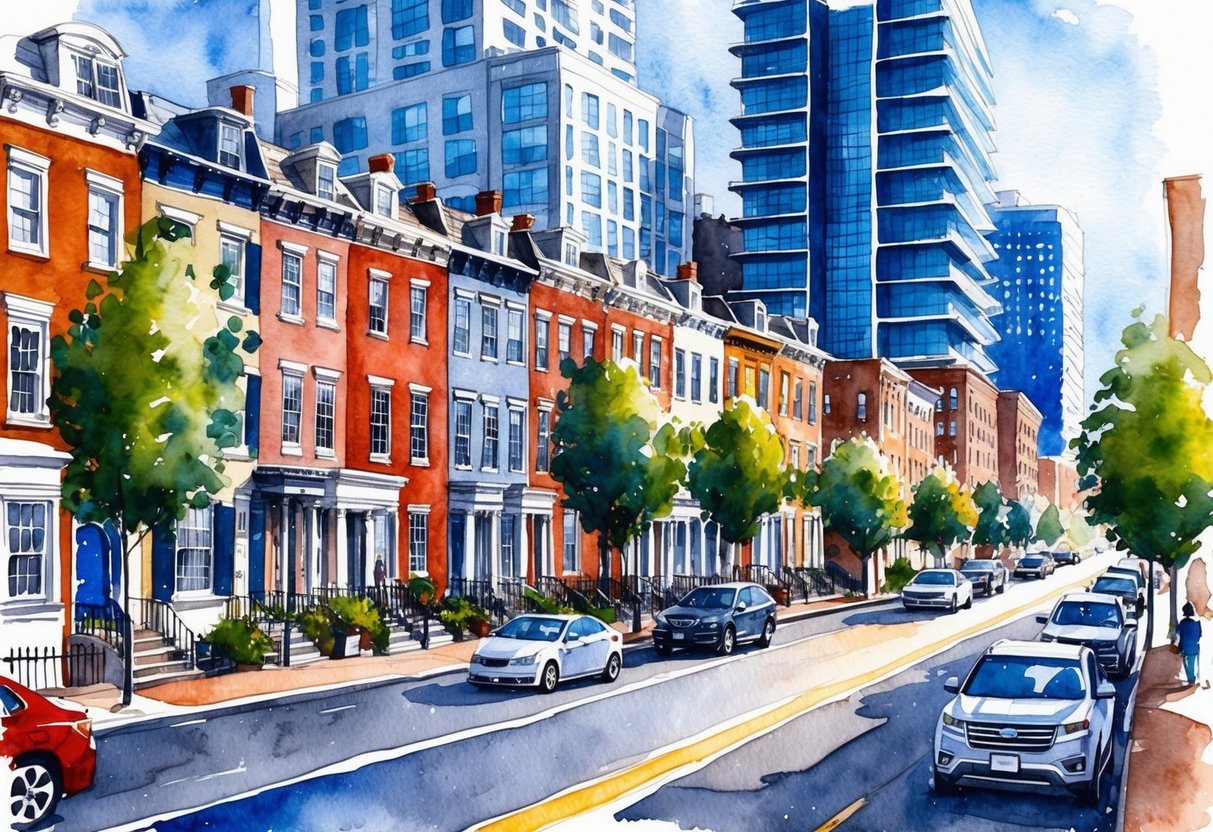
Building wealth through real estate in Philadelphia calls for a clear plan of action. By picking the right neighborhoods and using proven approaches, I’ve seen real gains and fewer surprises.
Buy-and-Hold Approach
When I buy and hold property, I focus on long-term gains rather than quick profits. This makes sense in neighborhoods like Fishtown, Brewerytown, or Chestnut Hill, where home values have steadily risen over the years.
As prices increase and the area gets more popular, equity builds—sometimes quietly, sometimes quickly—but always steadily. My buy-and-hold method means I am not chasing trends.
I want real, lasting growth. I pay close attention to property taxes, school zones, and the needs of new families moving in.
I look for spots where employers are hiring or where city plans hint at more public transport. These details make all the difference.
Tip: I always run the numbers. I want cash flow from rent, but I also want to see the value rise over five or ten years.
I avoid emotionally driven purchases. If a deal doesn’t make sense today, I don’t expect it to magically become great tomorrow.
Rental Housing Investments
Rental housing is in demand across much of Philadelphia. With key neighborhoods like Olde Kensington and Port Richmond welcoming new residents, rental properties here fill up fast.
In some areas, families want more space, while in others, young professionals want modern apartments with quick commutes. I consider what renters truly need: safe surroundings, reliable maintenance, parking, and access to public transit.
I make upgrades that actually raise rents, like updated kitchens and in-unit laundry. Strategic renovations can boost both cash flow and property value, as many investors are finding.
Institutional investors often buy up multi-unit buildings, but as an individual investor, I know smaller units can compete. By offering local expertise and responsive service, I stand out from bigger companies and keep my rental income steady year after year.
Financing Philadelphia Real Estate Investments

When I look at Philadelphia real estate, I see a unique mix of opportunity and challenge. Getting the right financing is often the difference between building wealth and staying stuck in place.
Mortgage Rates and Options
Let’s be honest: mortgage rates can feel like a moving target. They change with the economy and even a small bump can mean hundreds more each month.
In Philadelphia, I often see both fixed-rate and adjustable-rate mortgages used for investment property. With a fixed-rate mortgage, I lock in my payment.
I know exactly how much I’ll owe each month, which helps with planning—even as property values shift. On the other hand, adjustable-rate mortgages start off with a lower rate, but after a few years, the rate can change.
If interest rates go up, so does my payment.
Key things I keep in mind:
- Down payment: Lenders often want 15% to 25% for investment homes.
- Credit score: Higher scores get better rates. Below 700? I expect tougher terms.
- Loan limits: Large investments might need a jumbo loan, with even stricter approval.
It’s important to compare several lenders and see who offers the most competitive rates. I check out local specialists like Innovative Mortgage Brokers who understand the Philly market.
Leveraging Financial Services
Bank loans aren’t my only play here. There are several financial services that make funding real estate deals easier for investors like me.
Hard money loans and private lenders might have higher interest rates than banks, but they offer speed and flexibility that traditional loans sometimes can’t match. If I’m trying to grab a property below market value or fund renovations quickly, these options might make sense.
This is especially true for short-term flips. Some companies specialize in helping people get the funds needed for both acquisition and construction, which is key when I’m targeting undervalued properties for a quick turnaround.
I’ve learned that the right financial advisor or consultant can help map out the smartest way to grow my real estate portfolio, something firms like Atlis Real Estate focus on. Choosing the right financial tool means balancing risk and reward.
Am I looking for speed, stability, or long-term gains? The answer shapes every financing move I make.
Legal Considerations and Leasing in Philadelphia
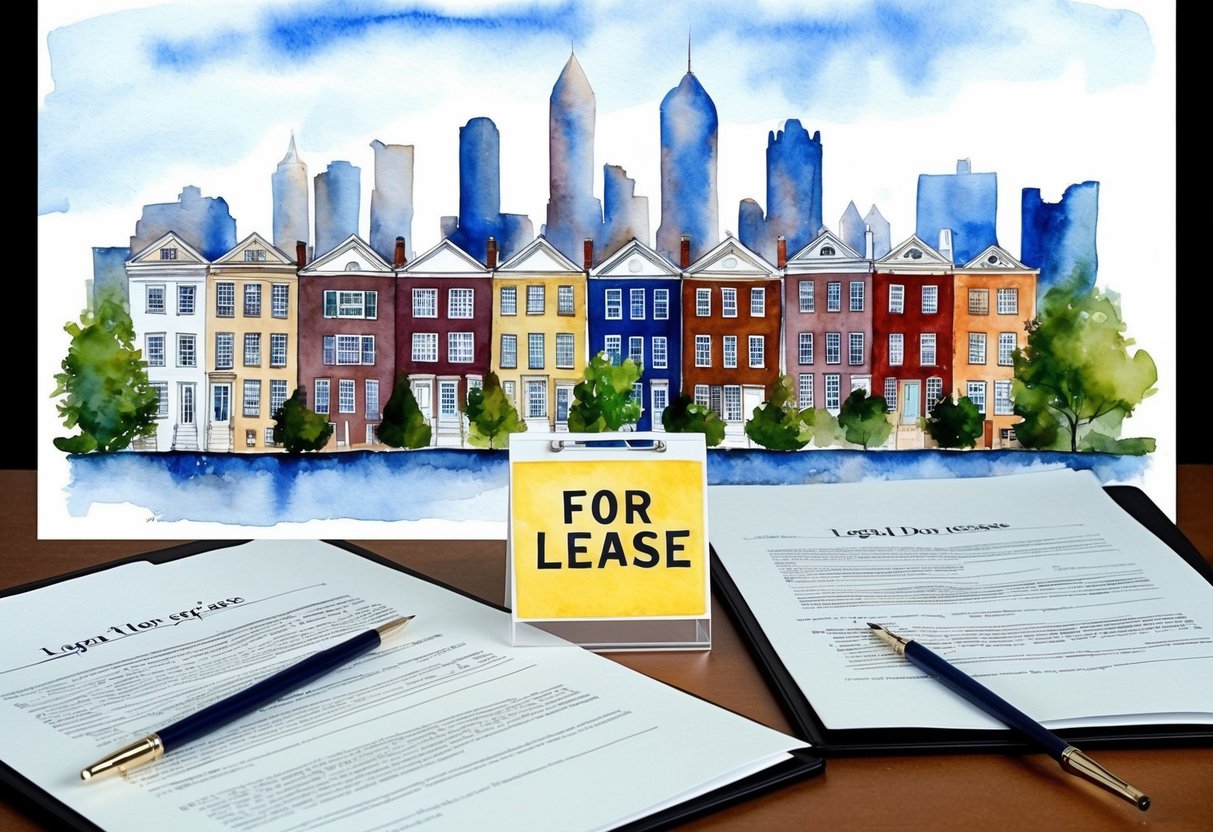
There’s a lot more to real estate than just picking out a property. Sure, the numbers matter, but legal rules and lease terms can make or break a deal—sometimes faster than you’d expect.
Understanding Lease Agreements
Leases in Philadelphia aren’t just generic fill-in-the-blank contracts. A solid lease spells out the rental length, monthly payment, and what happens if either side wants out early.
I always pay close attention to details like who’s responsible for repairs and how much notice is needed to end things. The required disclosures are a big deal too.
Philadelphia’s lead paint disclosure laws apply to most properties built before 1978. Security deposits are capped at two months’ rent for the first year, then drop to one month after that.
That setup protects both my interests and the tenant’s. Many landlords add clauses about late fees, pet rules, or subletting.
Every line in a lease can affect my bottom line, so I make sure to understand every word before I sign or draft anything. For more specifics, check out this guide to Philadelphia rental law.
Regulations for Homeowners and Investors
Philadelphia’s rental market has promise, but it comes with rules you can’t ignore. I always get a rental license before I list any property.
Skip that, and you’re asking for fines. The city also needs a Certificate of Rental Suitability—proof that the place meets safety standards.
Eviction isn’t nearly as simple as TV makes it look. State and local laws set strict timelines for non-payment or lease violations.
Landlords have to return security deposits within 30 days of move-out and provide an itemized list if they make deductions. Investors also need to keep an eye on zoning restrictions, especially if they want to expand or renovate.
Philadelphia’s zoning rules shape what kinds of properties you can rent and how you can use them. If I actually understand these legal details, I can protect my investment and maybe even sleep a little better at night.
Dive deeper into these legal and zoning essentials in this Philadelphia real estate law overview.
Commercial Real Estate Opportunities

Philadelphia’s commercial real estate market can offer steady income and long-term value. With the right plan, I might find opportunities that beat traditional investments on yield.
Retail Space Investment
Retail spaces pop up in busy shopping corridors and neighborhood strips all over the city. These spots attract a steady stream of customers and often come with long-term leases.
If I land a well-placed retail property, I could count on reliable tenants and steady cash flow.
Key benefits of investing in retail space:
- Potential for stable, long-term tenants
- Exposure to high foot traffic
- Visibility for continued demand
But not all retail spaces are equal. Some areas near Center City or established suburbs see more demand and stability, while others might struggle with vacancies.
Working with experienced Philadelphia commercial real estate brokers helps me target properties that fit my risk tolerance and financial goals. If I focus on popular neighborhoods, maybe I’ll see a better return.
Mixed-Use Properties
Mixed-use properties bring together residential units and commercial spaces—think apartments sitting above retail shops, or offices right next to restaurants.
With this setup, I get to diversify my rental income streams. If one part sits empty for a while, rent from another can help cover the bills.
Philadelphia neighborhoods have really leaned into mixed-use development. The result? Lively, walkable communities where people can live and work without a crazy commute.
These properties attract renters who crave convenience and business owners eager to stay close to their customers.
When I invest in mixed-use real estate, I feel like I’m riding a wave that’s shaping the future of city life.
Reliable commercial agents, like CBRE in Philadelphia, help me spot mixed-use opportunities with high occupancy and steady rental demand.
If I focus on properties in popular districts, my odds of long-term success go up. At least, that’s the hope!