
New Orleans, the city of jazz and vibrant culture, offers exciting opportunities for real estate investors. I’ve seen many folks build wealth through smart property investments in this unique market.
With its rich history and strong tourism industry, New Orleans attracts both short-term renters and long-term residents.
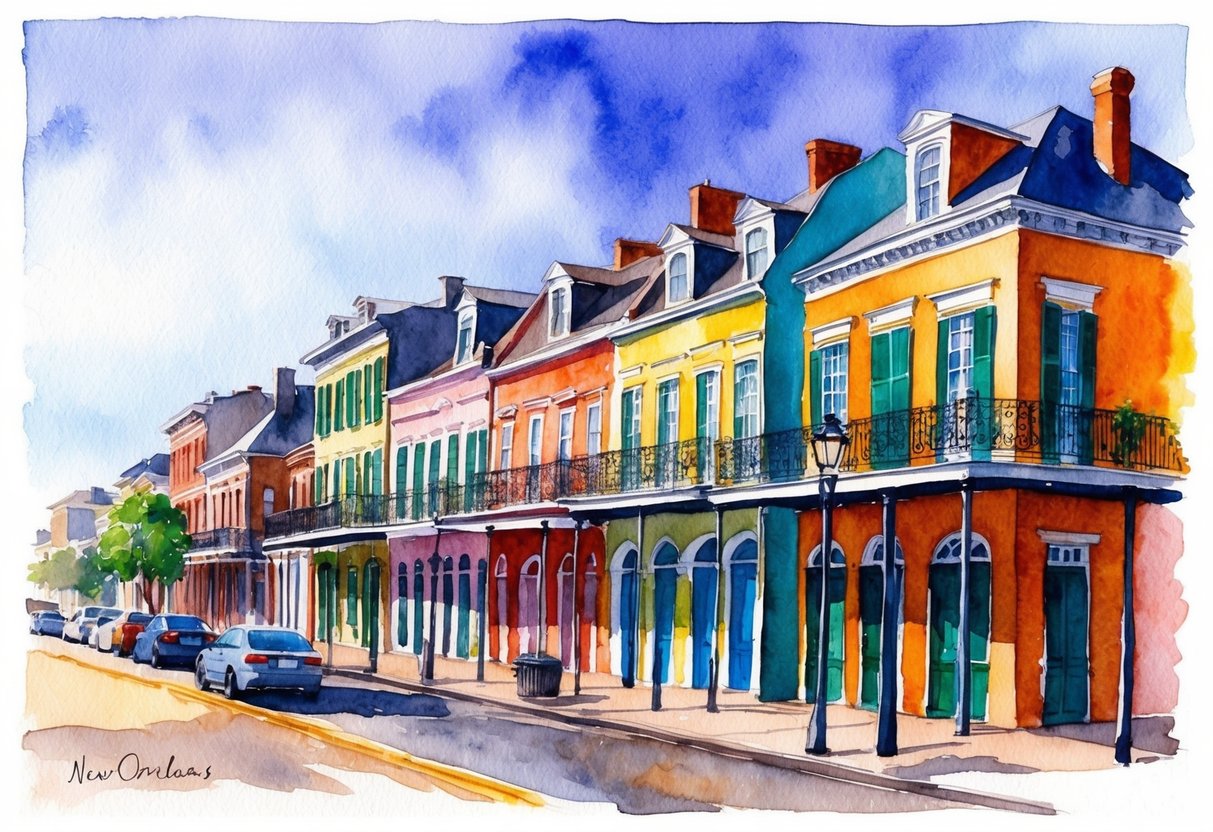
The New Orleans real estate market offers diverse investment options, from historic homes to modern apartments, with potential for appreciation and rental income.
I’ve found that properties in popular neighborhoods like the French Quarter or Garden District can yield high returns, especially when rented out to tourists. But don’t overlook up-and-coming areas where property values may rise quickly.
Investing in New Orleans real estate isn’t without challenges. The city’s unique geography and climate mean you need to consider flood risks and insurance costs. But with careful research and the right strategy, these hurdles can be overcome.
Key Takeaways
- New Orleans offers diverse real estate investment opportunities with strong potential for appreciation and rental income
- Consider both popular tourist areas and emerging neighborhoods for the best returns
- Factor in unique local considerations like flood risks and insurance costs when investing
Understanding New Orleans Real Estate Market
The Big Easy’s real estate market is a unique blend of history, culture, and opportunity. Let’s explore the current values, prime investment spots, and market trends that make New Orleans a fascinating place for property investors.
Current Property Values
New Orleans property values have seen some interesting shifts lately. The median home sold price in September 2024 was $324,981, which is down 1.4% from the previous year.
This slight dip might worry some, but I see it as a potential opening for savvy investors.
Why? Because real estate is all about timing and value. When prices soften, opportunities emerge. Think about it - could this be your chance to snap up properties at a discount?
In my experience, temporary dips often precede future growth. Keep an eye on neighborhoods like Lakeview, where family-friendly amenities could drive demand.
Popular Neighborhoods for Investment
New Orleans offers a smorgasbord of investment options. But where should you focus your attention? Let’s break it down:
- French Quarter: The heart of tourism, perfect for short-term rentals.
- Mid-City: Up-and-coming area with potential for appreciation.
- Algiers: Affordable with a small-town feel, great for long-term rentals.
Each area has its own flavor. The French Quarter might offer higher returns but comes with more management headaches. Mid-City could be your diamond in the rough. And Algiers? It’s where patient investors might find hidden gems.
Have you considered which neighborhood aligns with your investment goals?
Trends in the Real Estate Market
Market forecasts for New Orleans are cautious, with predictions of slight declines into 2025. But remember, successful investors don’t just follow trends - they anticipate them.
One key trend I’m watching is the shift in buyer preferences post-pandemic. More folks are seeking homes with extra space for home offices or outdoor areas. This could make properties in less dense areas more attractive.
Another factor to consider is the city’s efforts to improve infrastructure. How might this affect property values in different neighborhoods? Smart investors are always thinking two steps ahead.
Are you ready to spot the opportunities others might miss in this changing market?
Types of Real Estate Investments
New Orleans offers a variety of real estate investment options. I’ve found that diversifying across different types can help balance risk and potential returns. Let’s explore some key investment categories in the Big Easy.
Non-Commercial Use Properties
Single-family homes are a popular choice for New Orleans investors. These properties can provide steady rental income and potential appreciation. I’ve seen success with renovating older homes in historic neighborhoods like the Garden District.
Vacation rentals are another option, given the city’s tourism appeal. Short-term rentals in areas near the French Quarter can yield higher returns, but they require more active management.
Multi-family properties, like duplexes or small apartment buildings, can offer economies of scale. I’ve noticed these investments work well in up-and-coming areas where young professionals are moving.
Real Estate Funds and Opportunity Zone Funds
For hands-off investors, real estate funds pool money to invest in multiple properties. These funds can provide diversification and professional management.
Opportunity Zone Funds are a newer option in New Orleans. These funds invest in designated areas to spur economic development. They offer tax benefits, but it’s crucial to understand the rules.
I’ve found that researching fund managers’ track records is key. Look for funds with a solid history of returns and transparent reporting.
Investment Properties
Commercial real estate can be lucrative in New Orleans. Office spaces in the Central Business District attract corporate tenants. Retail properties in tourist areas can command high rents.
Industrial properties, like warehouses near the port, are worth considering. The city’s shipping industry creates demand for these spaces.
Have you thought about mixed-use developments? I’ve seen success with buildings that combine retail on the ground floor with apartments above. These properties can provide multiple income streams.
Remember, each investment type has its own risks and rewards. What’s your risk tolerance? Your answer will guide your choices in the New Orleans real estate market.
The Investment Process
Investing in New Orleans real estate requires a strategic approach. I’ll guide you through the key steps to find, analyze, and purchase properties that can build your wealth.
Finding Prospective Properties
I always start my property search by exploring multiple listing services. These platforms offer a wide range of options, from fixer-uppers to turnkey properties.
Networking is crucial. I’ve built relationships with local real estate agents who often know about off-market deals. These can be hidden gems!
Don’t forget about driving around target neighborhoods. I’ve spotted many “For Sale By Owner” signs this way. It’s old-school, but effective.
Online resources are invaluable too. I regularly check websites that list foreclosures and bank-owned properties. These can offer great value if you’re willing to put in some work.
Analyzing Investment Potential
Once I’ve found a property, I dive into the numbers. I always calculate the potential return on investment (ROI) before making any decisions.
Here’s a simple formula I use:
- Annual Rental Income - Annual Expenses = Net Operating Income (NOI)
- NOI ÷ Purchase Price = Cap Rate
I aim for a cap rate of at least 6% in New Orleans. Anything lower, and I keep looking.
Location is key. I focus on areas with strong rental demand, like the Central Business District for young professionals.
Don’t forget to factor in repair costs and potential vacancies. These can eat into your profits if you’re not careful.
Property Purchasing Strategies
Cash is king in real estate investing. If you have it, use it. Cash offers often win in competitive markets.
But what if you don’t have the full amount? I’ve used several financing options successfully:
- Conventional mortgages
- FHA loans (for owner-occupied multi-units)
- Hard money loans for quick flips
Consider partnering with other investors. I’ve pooled resources to buy properties I couldn’t afford alone. It’s a great way to start building your portfolio.
Always get a professional inspection. I’ve avoided costly mistakes by uncovering hidden issues before purchasing.
Remember, the goal is to buy low and add value. Look for properties you can improve to increase rent or resale value.
Legal and Financial Considerations

Investing in New Orleans real estate requires understanding key legal and financial aspects. Let’s explore the essential elements you need to know to make informed decisions and protect your investments.
Understanding Real Property Law
Real property law in New Orleans has unique features. I’ve found that knowing these laws is crucial for successful investing.
The city follows civil law traditions, different from most U.S. states. This affects property rights and transfers. For example, Louisiana uses the term “immovable property” instead of “real estate.”
Are you familiar with servitudes? These are similar to easements in other states. They can impact your property use and value.
Zoning laws in New Orleans are strict, especially in historic districts. Always check local regulations before buying or renovating.
Financing Your Investment
Getting the right financing can make or break your investment. I’ve seen many investors succeed by choosing wisely.
Traditional mortgages are available, but investment properties often require larger down payments. Typically, expect 20-25% down.
Have you considered owner financing? It’s more common in New Orleans than in many other markets.
Hard money loans can be useful for quick purchases or renovations. But be cautious - interest rates are usually higher.
Local banks often offer better terms for New Orleans properties. They understand the market better than national lenders.
Tax Implications and Incentives
Understanding taxes can save you thousands. New Orleans offers some unique opportunities.
Property taxes in Orleans Parish are relatively high. But there’s good news - historic property renovations may qualify for tax freezes.
Have you heard about opportunity zones? Parts of New Orleans qualify, offering significant capital gains tax benefits.
Rental income is taxable, but you can deduct many expenses. Keep detailed records of all property-related costs.
State and federal historic tax credits can offset renovation costs. This is especially valuable in New Orleans’ many historic neighborhoods.
Remember, tax laws change. Always consult a local tax professional for the most up-to-date advice.
Leveraging Technology for Real Estate Investment
Technology is changing the game for real estate investors. I’ve seen firsthand how the right tools can give you an edge in finding and analyzing properties. Let’s explore some key ways to use tech to your advantage.
Using IDX Information
IDX (Internet Data Exchange) is a game-changer for property searches. It lets me access the most up-to-date listings directly from the MLS. This means I can spot new opportunities faster than ever.
I use IDX to set custom search criteria. This helps me zero in on properties that match my investment goals. For example, I can filter by price, neighborhood, or potential rental income.
IDX also provides detailed property information. I can view photos, floor plans, and even virtual tours. This saves me time by helping me narrow down properties before scheduling in-person visits.
Real Estate APIs
APIs (Application Programming Interfaces) are powerful tools for gathering and analyzing data. I use them to pull in information from multiple sources.
One way I leverage APIs is for market analysis. I can quickly gather data on property values, rental rates, and market trends. This helps me make more informed investment decisions.
APIs also allow me to automate parts of my research process. I’ve set up systems that pull in data on things like local school ratings, crime statistics, and upcoming development projects.
By using APIs, I can get a more comprehensive view of potential investments. This helps me spot opportunities that others might miss.
Automated Email Alerts
Email alerts are a simple but effective tool in my investment strategy. I’ve set up alerts for new listings that match my criteria.
These alerts notify me as soon as a property hits the market. In a competitive area like New Orleans, this can give me a crucial head start.
I also use email alerts to stay informed about market changes. For example, I get notifications about price drops or changes in zoning laws.
By automating these alerts, I ensure I never miss an opportunity. It’s like having a personal assistant keeping an eye on the market 24/7.
Property Management and Maintenance
Investing in New Orleans real estate can be lucrative, but it requires careful management and upkeep. I’ve found that working with the right professionals and staying on top of maintenance are key to success.
Choosing a Property Management Company
When I look for a property management company in New Orleans, I focus on experience and local knowledge. HRI Management is a great example. They manage over 4,000 properties across five states and have deep roots in New Orleans.
I always ask potential managers about their tenant screening process, rent collection methods, and maintenance protocols. It’s crucial to find a company that aligns with my investment goals.
Some questions I like to ask:
- How do you handle emergency repairs?
- What’s your average vacancy rate?
- How often do you inspect properties?
Maintaining Investment Properties
Regular maintenance is vital for protecting my real estate investments in New Orleans. The humid climate can be tough on buildings, so I’ve learned to be proactive.
I schedule annual inspections for:
- Roof condition
- HVAC systems
- Plumbing
- Pest control
Quick response to tenant issues is also important. Happy tenants mean longer leases and steady income. I make sure my property manager has a reliable network of contractors for various repairs.
Setting aside 1-2% of the property value annually for maintenance has served me well. It helps avoid surprise expenses and keeps my properties in top shape.
NORF Companies in New Orleans
NORF (Naturally Occurring Retirement Facilities) are becoming increasingly popular in New Orleans. These properties cater to older adults who want to age in place.
I’ve found that investing in NORF properties can be rewarding. They often have:
- Lower turnover rates
- Stable long-term tenants
- Opportunities for value-add improvements
When considering NORF investments, I look for:
- Accessibility features
- Proximity to healthcare facilities
- Community amenities
Champs Real Estate & Property Management has experience with various property types in New Orleans, including those suitable for NORF development. Their local expertise can be valuable when exploring this niche market.