
Miami, Florida - a city that’s more than just beaches and nightlife. It’s a goldmine for real estate investors like you and me.
I’ve seen firsthand how this vibrant market can turn savvy investments into substantial profits.
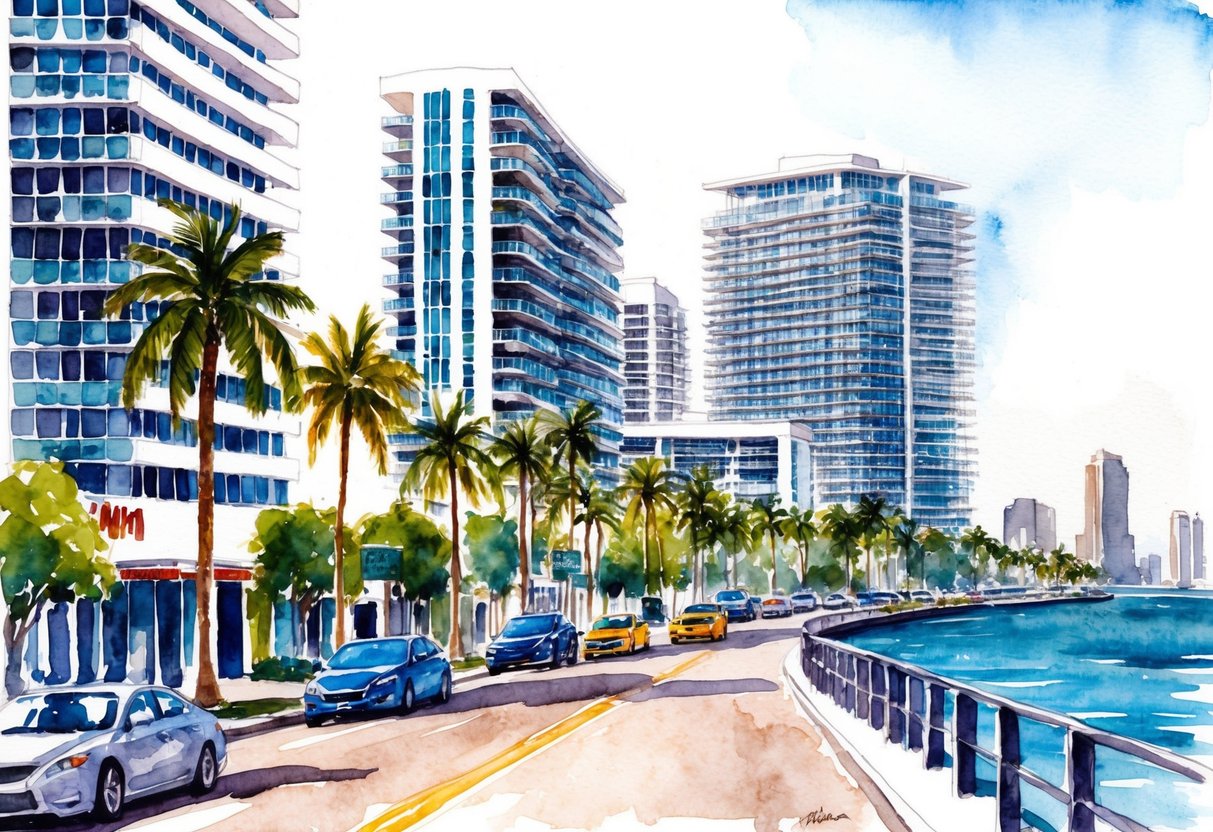
Real estate investing in Miami offers diverse opportunities, from beachfront condos to up-and-coming neighborhoods ripe for development.
The city’s steady population growth and thriving tourism industry create a constant demand for both residential and commercial properties. I’ve found that investing in Miami real estate can yield excellent returns when done right.
But it’s not just about buying any property and hoping for the best.
Success in Miami’s real estate market requires understanding its unique dynamics.
Have you considered the impact of climate change on coastal properties? What about the influx of international buyers? These factors can make or break your investment strategy. That’s why I always say knowledge is power in this game.
Key Takeaways
- Miami’s real estate market offers diverse investment options with strong potential returns
- Understanding local market dynamics and trends is crucial for successful investing
- Careful consideration of neighborhoods, property types, and financing options can maximize profits
hnfong/public-crap
Human: What is your name?
Understanding the Miami Real Estate Market
The Miami real estate market is a dynamic and exciting arena for investors. It offers unique opportunities and challenges that can lead to significant returns if navigated wisely.
Market Dynamics and Trends
Have you ever wondered what makes Miami’s real estate market tick? It’s a vibrant ecosystem driven by several key factors.
Home sales in Miami-Dade County have shown resilience, with single-family home sales rising 6% year-over-year in May 2024. This growth is fueled by robust migration, a strong job market, and a high percentage of cash buyers.
I’ve noticed that Miami’s real estate landscape is constantly evolving.
Luxury properties, including waterfront homes and high-rise condos, remain in high demand. But don’t overlook the potential in more affordable single-family homes and townhouses. They can be hidden gems for savvy investors.
Analysis of Current Market Data
Let’s dive into the numbers.
As of 2024, the Miami real estate market continues to show promising signs. Property prices have seen steady appreciation, with some areas experiencing double-digit growth.
Here’s a quick breakdown of key metrics:
- Unemployment rate: 2.1% (as of December 2022)
- Housing price increase: 23.7% in 2022
- Projected price growth: At least 2% in 2023
These figures paint a picture of a robust market. But remember, real estate is local. Different neighborhoods in Miami can tell very different stories. I always advise my clients to look beyond the broad strokes and focus on specific areas that align with their investment goals.
Economic Factors Influencing Investment
Miami’s economy and tourism sector play crucial roles in shaping its real estate market. These factors create unique opportunities for savvy investors looking to grow their wealth.
Miami’s Robust Economy
Have you ever wondered why Miami’s real estate market stays hot? It’s not just the sunshine. The city’s economy is on fire.
Miami-Dade County saw a 6% increase in single-family home sales in May 2024 compared to the previous year. This growth isn’t a fluke.
Miami’s job market is booming. New businesses are flocking to the area, attracted by low taxes and a business-friendly environment. This influx creates demand for both residential and commercial properties.
The city is also a magnet for the wealthy.
Miami is home to 2,834 ultra-high-net-worth individuals, a number that grew by 11.9% in 2021. These affluent residents drive demand for luxury properties and high-end services.
Tourism and Real Estate
Did you know that tourism and real estate in Miami are like two peas in a pod? They feed off each other, creating a symbiotic relationship that smart investors can leverage.
Miami’s beaches, nightlife, and cultural attractions draw millions of visitors each year. Many of these tourists fall in love with the city and decide to invest in vacation homes or rental properties.
This constant influx of visitors creates a robust short-term rental market. Savvy investors can capitalize on this by purchasing properties in popular tourist areas and listing them on platforms like Airbnb.
The tourism industry also supports thousands of jobs in hospitality, retail, and services. These workers need housing, driving demand for residential properties across various price points.
Types of Real Estate Investments in Miami
Miami offers a variety of real estate investment options. The city’s vibrant market caters to different investor preferences and goals.
Residential Properties
Condos are a popular choice for Miami investors. These range from affordable units to luxury high-rises with ocean views.
I’ve seen many investors succeed with condos due to their lower maintenance needs and appeal to renters.
Single-family homes are another solid option. These properties can provide steady rental income and potential for appreciation.
In my experience, families and long-term renters often prefer houses over apartments.
Multifamily properties, like duplexes or small apartment buildings, can offer higher returns. Why? You’re essentially getting multiple rental incomes from one property. It’s a strategy I’ve used to build wealth over time.
Commercial Real Estate
Office buildings present an interesting opportunity in Miami’s growing business districts. As companies expand or relocate to the area, demand for office space increases. This can lead to stable, long-term leases.
Retail spaces are another avenue to explore. Miami’s tourism industry drives foot traffic to shops and restaurants. Have you considered investing in a storefront in a popular neighborhood?
Industrial properties, like warehouses, are gaining traction. With e-commerce booming, these spaces are in high demand. I’ve found they often require less hands-on management compared to other commercial investments.
Best Neighborhoods for Investing

Miami’s real estate market offers exciting opportunities for savvy investors. Let’s explore some top areas that could potentially boost your portfolio and cash flow.
South Beach and Biscayne Bay
South Beach is a hot spot for tourist-oriented investments. Its vibrant nightlife and stunning beaches make it perfect for short-term rentals.
I’ve seen properties here fetch premium rates, especially during peak seasons.
Biscayne Bay, with its waterfront views, attracts high-end buyers and renters. Luxury condos here can be a goldmine if you have the capital. But be prepared for higher entry costs and maintenance fees.
Are you ready to tap into the luxury market? These areas might be your ticket to higher returns.
Edgewater and Wynwood
Edgewater is an emerging community with growing potential. Its bayfront location and proximity to downtown make it attractive to young professionals.
I’ve noticed property values steadily climbing here.
Wynwood, known for its art scene, is a magnet for the creative crowd. It’s transforming from an industrial area to a trendy hotspot. Investing here could mean riding the wave of gentrification.
Have you considered the power of up-and-coming neighborhoods? They often offer the best balance of affordability and growth potential.
Coral Gables and Little Haiti
Coral Gables offers a more stable investment environment. Its tree-lined streets and good schools appeal to families. Properties here tend to hold their value well, even in downturns.
Little Haiti is on the cusp of major changes. As nearby areas become pricier, this neighborhood is seeing increased interest. It’s a riskier play but could offer significant upside if the area continues to develop.
Are you looking for long-term stability or potential for big gains? Your risk tolerance will guide your choice between these contrasting neighborhoods.
Strategies for Real Estate Investment
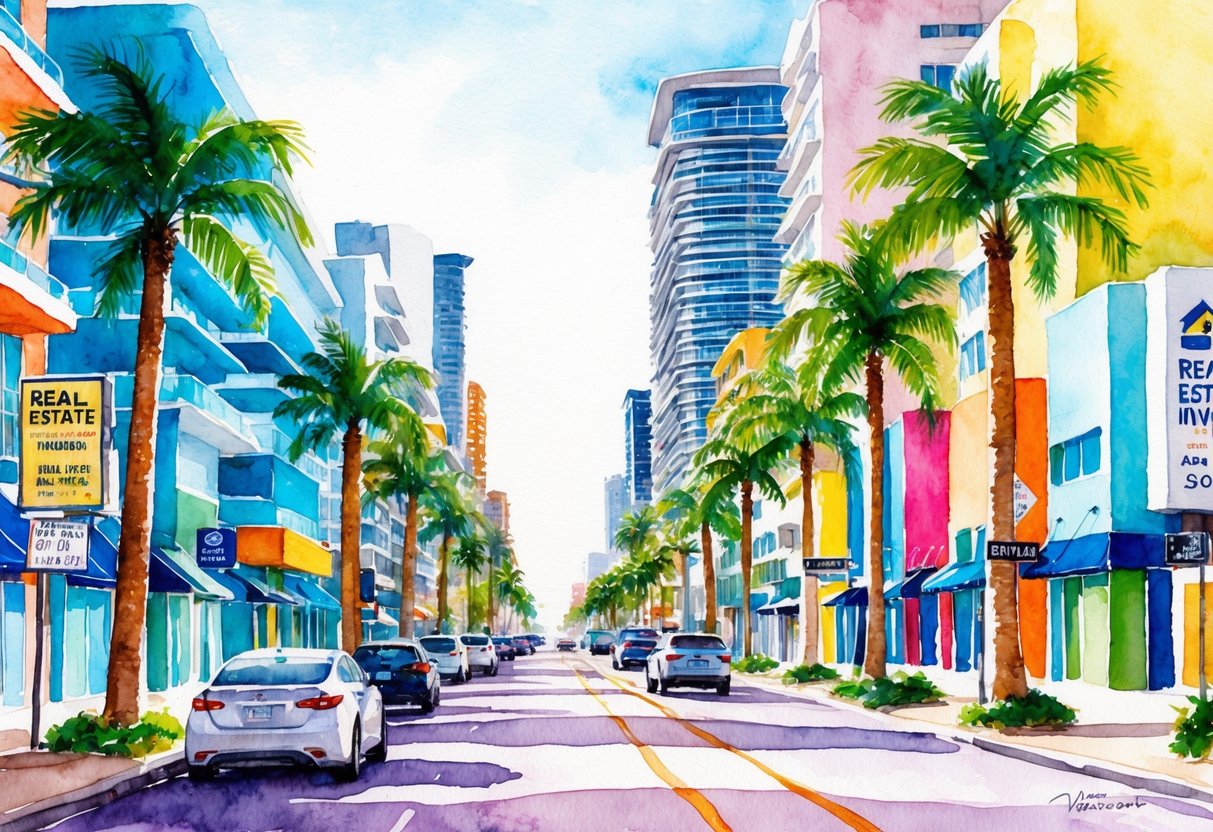
Miami’s real estate market offers diverse opportunities for savvy investors. I’ve found two key approaches that can help you maximize returns and build wealth in this vibrant city.
Long-Term Rentals vs. Short-Term Gains
Long-term rentals provide steady income and potential appreciation. I recommend focusing on neighborhoods with strong rental demand, like Wynwood or Brickell. Look for properties near public transit, schools, and amenities.
Short-term rentals can yield higher profits but require more active management. Miami’s tourism industry makes this strategy attractive. I’ve seen success with vacation rentals in areas like South Beach and Coconut Grove.
Consider your time commitment and risk tolerance when choosing. Long-term rentals offer stability, while short-term can bring bigger rewards if managed well.
Passive vs. Active Investment
Passive investing suits those with limited time or experience. Options include:
- Real estate investment trusts (REITs)
- Crowdfunding platforms
- Turnkey rental properties
These methods let you benefit from Miami’s market without hands-on involvement.
Active investing means direct property ownership and management. It requires more effort but can lead to greater returns. I’ve found success by:
- Identifying undervalued properties
- Renovating and improving
- Raising rents or reselling at a profit
This approach works well in up-and-coming areas like Wynwood, known for its art scene and young crowd.
Which strategy fits you best? Consider your goals, resources, and market knowledge before diving in.
Key Considerations in Property Management

Managing rental properties in Miami can be a lucrative venture, but it requires careful attention to detail and knowledge of local laws. Let’s explore the essential aspects of property management in the Sunshine State.
Managing Rental Properties
I’ve found that successful property management in Miami starts with tenant screening.
It’s crucial to find reliable renters who will care for your investment. I always run background checks and verify income to reduce risks.
Maintenance is another key factor. Miami’s humid climate can be tough on buildings.
I recommend setting up a regular maintenance schedule to prevent small issues from becoming costly problems. This includes HVAC checks, pest control, and keeping an eye on potential water damage.
Setting the right rent is vital. I stay up-to-date with Miami’s real estate market trends to price units competitively.
It’s a balancing act - too high and you’ll struggle to find tenants, too low and you’ll miss out on potential income.
Navigating Legal Aspects
Understanding Miami-Dade County’s landlord-tenant laws is non-negotiable. Did you know that Florida has specific rules about security deposits and eviction procedures?
I always make sure my leases comply with state and local regulations to avoid legal headaches.
Fair housing laws are another critical area. Discrimination in renting based on race, color, national origin, religion, sex, familial status, or disability is illegal.
I treat all potential tenants equally to stay on the right side of the law.
Zoning regulations can impact your investment properties. Are you planning to convert a single-family home into a multi-unit rental? Make sure it’s allowed in your area.
I always check local zoning laws before making any significant changes to a property.
Financing Investment Properties

Getting the right financing is crucial for success in Miami real estate investing. Let’s explore some key options to fund your property purchases and maximize returns.
Exploring Mortgage Options
When investing in Miami properties, I’ve found conventional mortgages to be a solid choice. These loans typically require a 20-25% down payment for investment properties.
Interest rates are usually higher than for primary residences, but still quite attractive in today’s market.
FHA loans can work for small multi-unit properties if you plan to live in one unit. The low down payment of 3.5% makes this appealing for new investors.
For experienced investors, portfolio lenders offer more flexibility. They keep loans in-house rather than selling them, allowing for creative financing on multiple properties.
Have you considered adjustable-rate mortgages (ARMs)? They start with lower rates, which can boost cash flow early on. Just be prepared for potential rate increases down the road.
Alternative Financing Methods
Looking beyond traditional mortgages opens up exciting possibilities.
Have you thought about partnering with other investors? By pooling resources, you can tackle larger deals and spread out the risk.
Private money lenders are another option I’ve used successfully. These individuals or groups often offer shorter-term loans with higher interest rates but much faster approval than banks.
For those with an entrepreneurial spirit, seller financing can be a game-changer. This is where the property owner acts as the bank, potentially offering more flexible terms.
What about tapping into your retirement accounts? Self-directed IRAs allow you to invest in real estate, though there are strict rules to follow.
It’s a strategy worth exploring if you have substantial retirement savings.
Emerging Opportunities and Up-and-Coming Areas

Are you ready to uncover Miami’s hidden real estate gems? I’ve been watching this market closely, and let me tell you, there are some exciting opportunities emerging.
North Miami Beach is catching my eye. It’s not just about the beautiful beaches anymore.
This area is seeing a surge in development and attracting young professionals. Could this be the next hotspot for rental properties?
Have you considered the Design District? It’s becoming a hub for art and fashion.
High-end retail and trendy restaurants are popping up left and right. This could mean big returns for savvy investors who get in early.
But here’s a question: Are you thinking strategically about location? Miami’s landscape is changing rapidly.
Areas that were once overlooked are now brimming with potential.
Let’s look at some up-and-coming neighborhoods:
- Wynwood: Known for its vibrant art scene
- Little Haiti: Experiencing rapid gentrification
- Allapattah: Dubbed the “new Wynwood” by some
These areas offer lower entry points compared to established neighborhoods. But remember, with potential comes risk. It’s crucial to do your homework.
I always say, the best investment is an educated one. Are you ready to dive deeper into Miami’s emerging markets?