
Lowell, Massachusetts - a city with a rich industrial history - is now catching the eye of savvy real estate investors. I’ve seen firsthand how this former mill town is transforming into a hotbed of opportunity.
The median sale price of homes in Lowell was $445,000 as of October 2024, showing a slight dip of 3.9% from the previous year. This could signal a prime entry point for investors.
Are you wondering if Lowell is the right place for your next real estate venture? Let me tell you, the housing market in Lowell is very competitive.
Homes here typically receive about 6 offers and sell in around 20 days. This quick turnaround suggests a strong demand, which is music to an investor’s ears.
But what makes Lowell special? It’s not just the numbers. The city’s ongoing revitalization, its proximity to Boston, and the presence of UMass Lowell all contribute to its appeal. These factors create a diverse rental market, from students to young professionals and families.
Have you considered the potential of multi-family properties or investment opportunities in this vibrant city?
Understanding Real Estate Investing in Lowell, MA
Investing in Lowell’s real estate market offers unique opportunities. The city’s growth and development make it an attractive option for savvy investors looking to diversify their portfolios.
The Role of the Canadian Real Estate Association (CREA)
You might wonder why I’m mentioning a Canadian organization for investing in Lowell, MA. Well, CREA’s influence extends beyond borders. Their practices often set standards that impact North American real estate markets, including Lowell.
CREA promotes ethical practices and professional standards. This affects how I approach my investments in Lowell. Their guidelines on transparency and fair dealing help me build trust with local partners and clients.
I’ve found that understanding CREA’s role gives me an edge. It helps me spot trends and best practices that might soon influence the Lowell market.
Navigating the Multiple Listing Service (MLS)
The MLS is my go-to tool for finding great deals in Lowell. It’s a database of property listings that gives me a comprehensive view of the market.
I use the MLS to:
- Compare prices
- Analyze property features
- Track market trends
Lowell’s housing market is competitive. Homes receive multiple offers and sell quickly. The MLS helps me stay ahead of the curve.
By mastering the MLS, I can spot opportunities faster than other investors. This is crucial in a market where timing is everything.
Importance of Digital Accessibility for Investors
Digital accessibility isn’t just about compliance – it’s about reaching more potential buyers and tenants. As an investor, I’ve learned that making my online listings accessible opens doors to a wider audience.
I ensure my property websites are easy to navigate for everyone, including those with disabilities. This approach has helped me tap into markets others might overlook.
Lowell’s population growth makes accessibility even more important. By considering all potential renters or buyers, I maximize my investment’s potential.
Digital accessibility also improves my web experience for all users. This leads to better engagement and potentially faster property turnover.
Evaluating the Lowell Property Market
The Lowell property market offers exciting opportunities for savvy investors. Let’s dive into current listings and recent sales data to uncover the hidden gems in this market.
Current Listings in Lowell
Lowell’s real estate market is buzzing with activity. The median home sale price in Downtown Lowell was $348K last month, up 7.1% from last year. That’s a healthy increase, but still affordable compared to nearby cities.
I’ve noticed a mix of property types available. From cozy single-family homes to multi-unit buildings, there’s something for every investment strategy.
Here’s a quick breakdown of what I’m seeing:
- Single-family homes: Starting around $300K
- Multi-family properties: From $400K to $700K
- Condos: Some units under $200K
Are you wondering about rental potential? Many listings mention “great investment opportunity” or “perfect for owner-occupant or investor.”
Analyzing Recently Sold Homes Data
Let’s look at the numbers. In Q4 2022, 186 deals closed in Lowell, down 28% from the previous year. This could mean less competition for buyers like us.
The median sale price hit $377K, up 7% year-over-year. That’s a solid appreciation rate. But here’s the kicker - the median sale price per square foot in Downtown Lowell jumped 27.4% since last year.
What does this mean for us? Properties are becoming more valuable, but there might be room for negotiation with motivated sellers.
I’ve noticed some interesting trends in recently sold homes:
- Renovated properties selling at a premium
- Multi-family homes moving quickly
- Some bargains in up-and-coming neighborhoods
Remember, past performance doesn’t guarantee future results. But understanding these trends can help us make smarter investment decisions.
Professional Guidance and Representation

When investing in real estate in Lowell, MA, getting expert help can make a big difference. I’ve seen how the right guidance can lead to better deals and fewer headaches.
The Significance of Hiring a Realtor®
Why go it alone when you can have a pro on your side? A Realtor® brings a wealth of knowledge to the table. They know the local market inside and out. This means they can spot good deals and warn you about potential pitfalls.
Realtors® have access to the Multiple Listing Service® (MLS®). This tool gives them the latest info on properties for sale. It’s like having a secret weapon in your search for the perfect investment.
But it’s not just about finding properties. A good Realtor® can help you:
- Negotiate better prices
- Navigate complex paperwork
- Understand local laws and regulations
Understanding the Realtor® Logo and MLS® Branding
Have you ever wondered about that little “R” symbol next to “Realtor”? It’s not just for show. The Realtor® logo is a mark of trust and professionalism. When you see it, you know you’re working with someone who follows a strict code of ethics.
The MLS® brand is another symbol to look out for. It stands for Multiple Listing Service®. This is a powerful tool that real estate professionals use to share information about properties.
By working with a Realtor® who has access to the MLS®, you get:
- Up-to-date listings
- Accurate property details
- A wider range of options
Remember, in real estate investing, knowledge is power. And with a Realtor®, you’re tapping into a wealth of expertise.
Accessibility and Accommodation in Real Estate
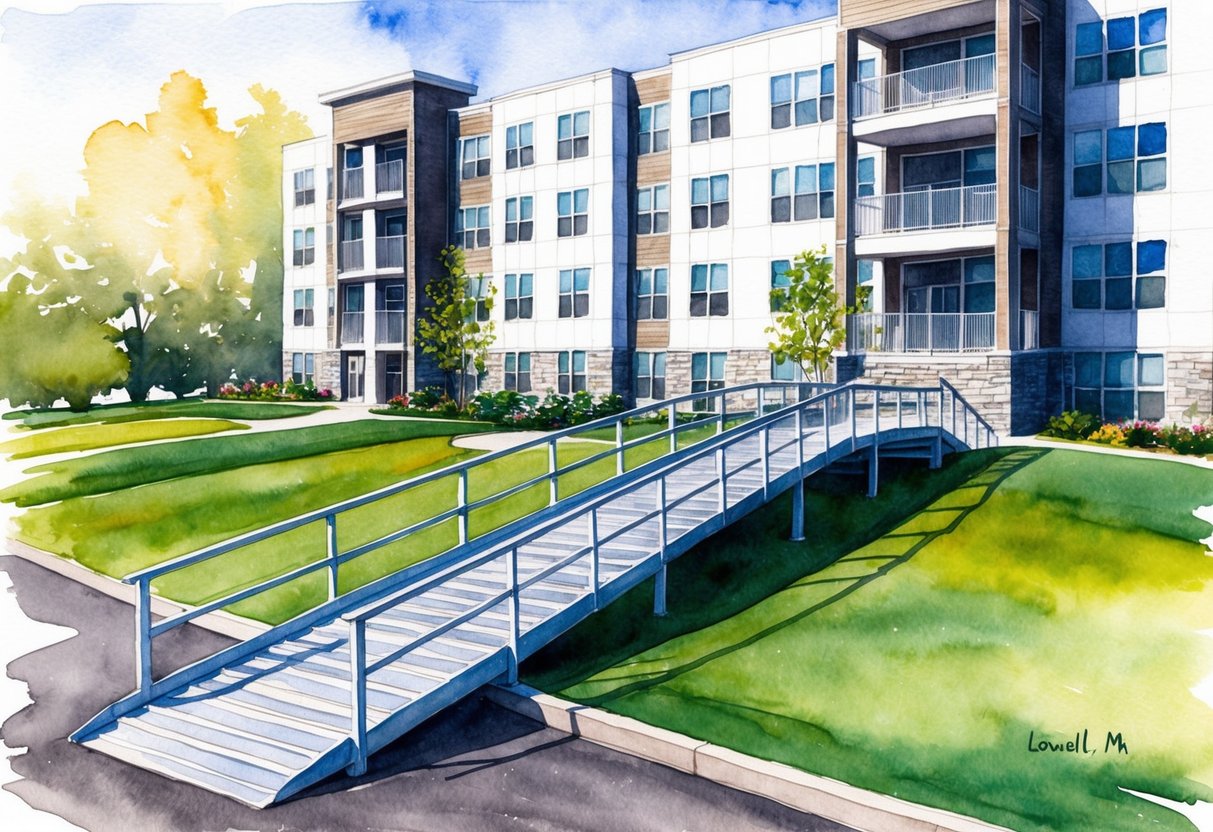
Real estate investing in Lowell, MA requires understanding accessibility needs and accommodation requests. Let’s explore how to create inclusive properties and handle requests effectively.
Inclusivity for Individuals with Disabilities
When I invest in Lowell real estate, I prioritize inclusivity. Why? Because it’s not just the right thing to do - it’s smart business.
I make sure my properties have ramps, wide doorways, and accessible bathrooms. These features attract a broader range of tenants and increase property value.
Did you know that accessible homes in Lowell are in high demand? I’ve seen firsthand how properties with accessibility features sell faster and often at higher prices. It’s a win-win situation - I help people and boost my returns.
I also consider less obvious needs. Good lighting for those with visual impairments and clear signage for cognitive disabilities can make a big difference. These small changes can lead to long-term, satisfied tenants.
Handling Accommodation Requests Effectively
When I receive accommodation requests, I act quickly and professionally. It’s crucial to understand the legal requirements of the Equal Housing Opportunity Act. But beyond that, it’s about treating people with respect.
I keep open lines of communication with my tenants. I encourage feedback and make it easy for them to submit requests. This proactive approach often prevents issues before they arise.
What if a request seems unreasonable? I always consult with legal experts before denying any accommodation. It’s better to be safe than sorry. Plus, I’ve found that most requests are reasonable and can be implemented without much difficulty.
Remember, accommodating disabilities isn’t just about following laws. It’s about creating homes where everyone feels welcome. And in my experience, that leads to happier tenants, fewer vacancies, and better returns on my investments.
Investment Opportunities and Challenges
Lowell’s real estate market offers a mix of exciting prospects and potential pitfalls. I’ve seen firsthand how savvy investors can thrive here, but it’s crucial to approach this market with eyes wide open.
Identifying High-Potential Investment Zones
Lowell’s Hamilton Canal Innovation District is a goldmine for forward-thinking investors. Why? It’s attracting major development projects like WinnCo’s $38.3 million workforce housing initiative. This area screams potential!
I’ve noticed a trend of revitalization in older neighborhoods. These spots often offer lower entry prices with significant upside. Are you spotting the hidden gems others miss?
Don’t overlook Lowell’s growing rental market. With a diverse economy and steady population growth, rental properties can be cash flow kings. Have you considered multi-family units near UMass Lowell?
Assessing Market Risks and Legal Considerations
Like any investment, Lowell real estate comes with risks. I always advise my mentees to watch for signs of market saturation. Some areas might be nearing their peak - are you prepared to identify them?
Lowell’s property prices have been climbing. The median is now $533,706. This could mean great appreciation, but it also raises the entry bar. Can your strategy adapt to these prices?
Legal hurdles can trip up even seasoned investors. Lowell has specific zoning laws and building codes. Are you ready to navigate them? I suggest partnering with a local real estate attorney to avoid costly mistakes.
Remember, due diligence is your best friend in this market. Have you thoroughly researched property taxes, insurance costs, and potential renovation needs?
Additional Resources for Investors
Lowell, MA offers great opportunities for real estate investors. I’ve found some excellent resources to help you succeed in this market.
Finding Educational Material and Events
I recommend checking out Connected Investors for up-to-date property listings and market data in Lowell. They provide valuable insights on foreclosures and investment opportunities.
Want to expand your knowledge?
Look into local real estate investment clubs. These groups often host workshops and seminars.
You’ll learn about market trends, financing options, and property management.
Online courses can be a game-changer too.
Platforms like BiggerPockets offer comprehensive real estate investing courses. They cover everything from analyzing deals to managing tenants.
Don’t forget about local events!
I’ve seen great turnouts at real estate webinars focused on Lowell. These events are perfect for networking and learning about local market dynamics.
Networking with Real Estate Professionals
Building a strong network is crucial in real estate.
Have you considered joining the Greater Lowell Association of Realtors? It’s a great way to connect with local agents and brokers.
I’ve found that attending open houses, even if you’re not buying, can be incredibly useful.
It’s a chance to meet agents and discuss the local market.
LinkedIn is another powerful tool.
Search for real estate professionals in Lowell and reach out. Many are happy to share their insights or grab a coffee.
Don’t overlook property management companies.
They often have a pulse on the rental market and can provide valuable information about different neighborhoods.
Remember, networking isn’t just about what others can do for you.
How can you add value to their business?
This mindset will help you build lasting relationships in the Lowell real estate community.