Thinking about investing in real estate? Lansing, Michigan might be the perfect place to start. Many investors overlook this hidden gem, but it’s time to take a closer look.
Lansing offers a unique blend of affordability and growth potential, making it an attractive option for both new and experienced real estate investors.
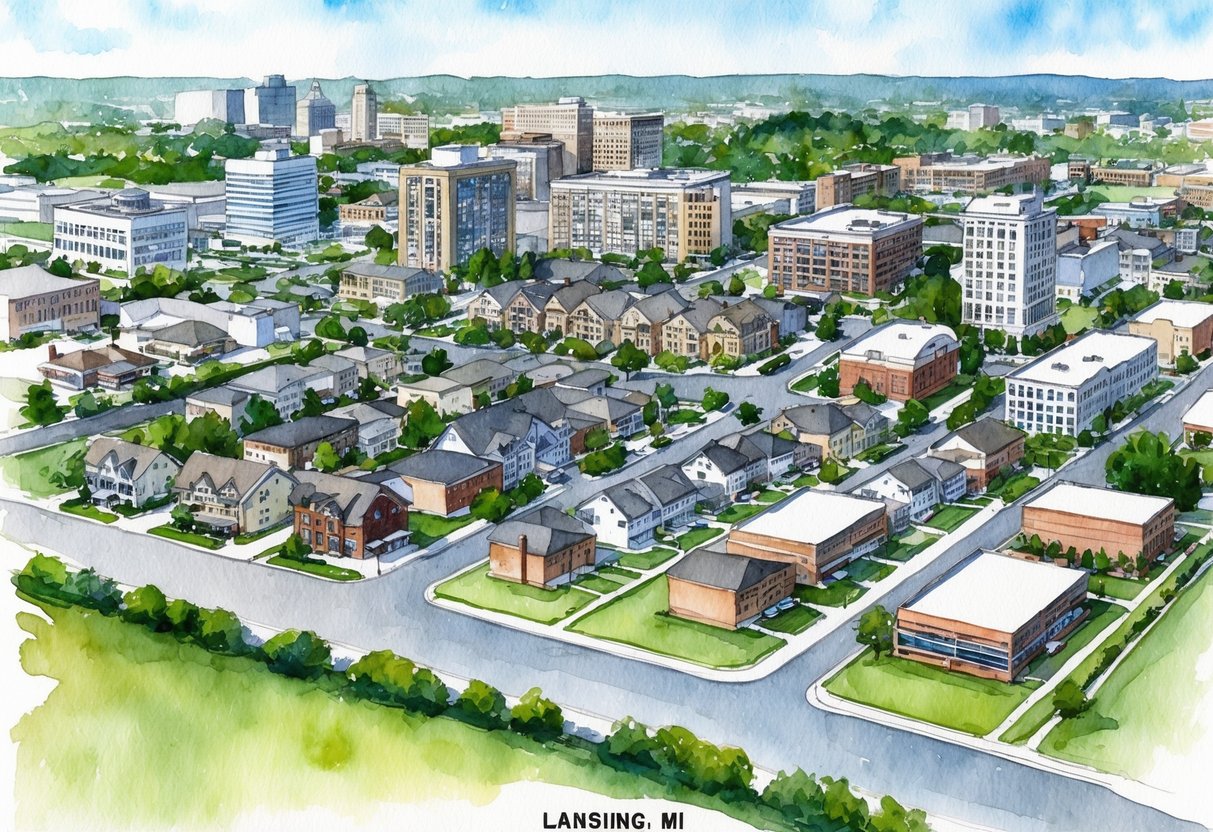
The capital city of Michigan has been quietly building momentum in recent years. With a stable job market, growing population, and property values on the rise, Lansing presents exciting opportunities.
But what makes it stand out from other markets? Is it the right fit for your investment goals?
As we dive into the Lansing real estate scene, I’ll share insights on market trends, potential returns, and strategies for success.
Whether you’re looking to flip properties or build a rental portfolio, understanding the local landscape is key. Are you ready to explore what Lansing has to offer?
Key Takeaways
- Lansing’s real estate market offers affordability and growth potential for investors
- A stable job market and rising property values contribute to Lansing’s investment appeal
- Successful investing in Lansing requires understanding local trends and regulations
Understanding Lansing’s Real Estate Market
I’ve been keeping a close eye on Lansing’s real estate scene, and let me tell you, it’s quite intriguing. Did you know that home prices in Lansing have jumped 7.1% compared to last year? That’s right, the median price now sits at a cool $150,000.
But here’s the kicker - homes are selling faster than hot cakes. On average, properties in Lansing are snatched up after just 26 days on the market. That’s a slight increase from last year’s 22 days, but still impressively quick.
Want to hear something even more exciting? The number of homes sold in Lansing is on the rise. In July alone, 166 homes changed hands - up from 149 in the previous year. This tells me the market is heating up.
Now, let’s talk about the big picture. Lansing’s average home value stands at $157,157, showing a robust 7.6% increase over the past year. For savvy investors like us, this spells opportunity.
But here’s the cherry on top - Lansing isn’t just any market. It’s the best residential real estate investment market in Michigan. Why? Because it’s seen a whopping 59.26% appreciation in typical property values over the last five years.
Are you starting to see the potential here? Lansing’s real estate market is ripe with possibilities for those of us willing to take the plunge.
Benefits of Investing in Lansing, MI
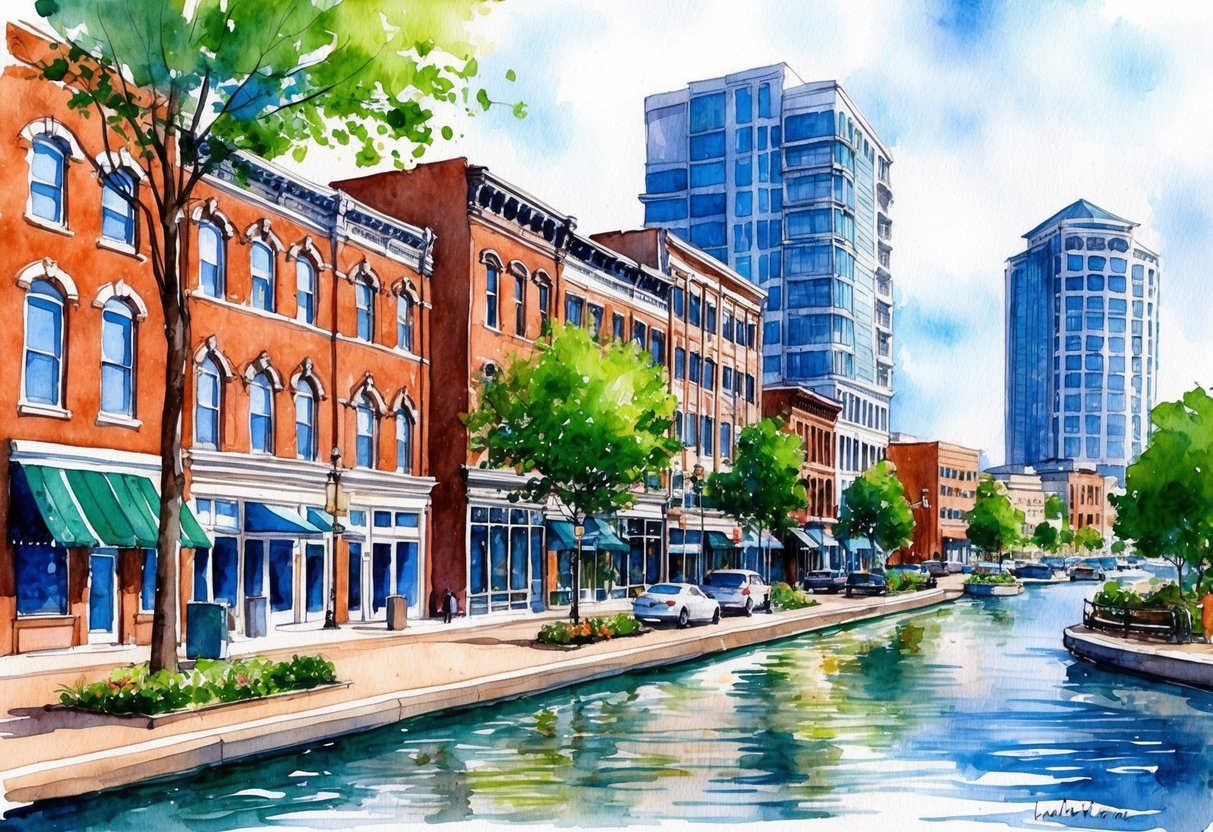
Lansing offers real estate investors a unique blend of economic stability, educational influence, and affordable housing. These factors create a promising environment for those looking to grow their wealth through property investments.
Economic Growth and Stability
Lansing’s economy is on the rise, and it’s catching my eye. The city has seen significant real estate developments recently, with $215 million proposed for downtown projects. This kind of investment tells me there’s confidence in Lansing’s future.
Why does this matter to us as investors? Simple. Economic growth often leads to:
- Increased property values
- Higher rental demand
- More stable long-term investments
I’ve seen cities transform with this level of development. It usually means more jobs, which brings in new residents. For us, that translates to a stronger rental market and potential for appreciation.
The Influence of Michigan State University (MSU)
Let me tell you, having a major university in town is like striking gold for real estate investors. MSU isn’t just any school - it’s a powerhouse that brings in thousands of students, faculty, and staff each year.
What does this mean for us?
- Constant demand for rental properties
- A diverse and educated workforce
- Regular influx of new residents
I’ve found that university towns often have more resilient real estate markets. Even during economic downturns, people still need education. This stability can provide a cushion for our investments.
Affordable Home Prices
Now, here’s where it gets exciting. Lansing is one of the most affordable markets in Michigan. I’m talking about entry points that won’t break the bank.
Why does this matter? It means:
- Lower initial investment
- Potential for higher cash flow
- More properties in your portfolio
I’ve seen investors overlook affordable markets, but that’s a mistake. In Lansing, your money goes further. You can buy multiple properties for the price of one in a more expensive city.
Remember, it’s not just about buying cheap. It’s about finding value. And in Lansing, I see plenty of that.
Starting Your Investment Journey
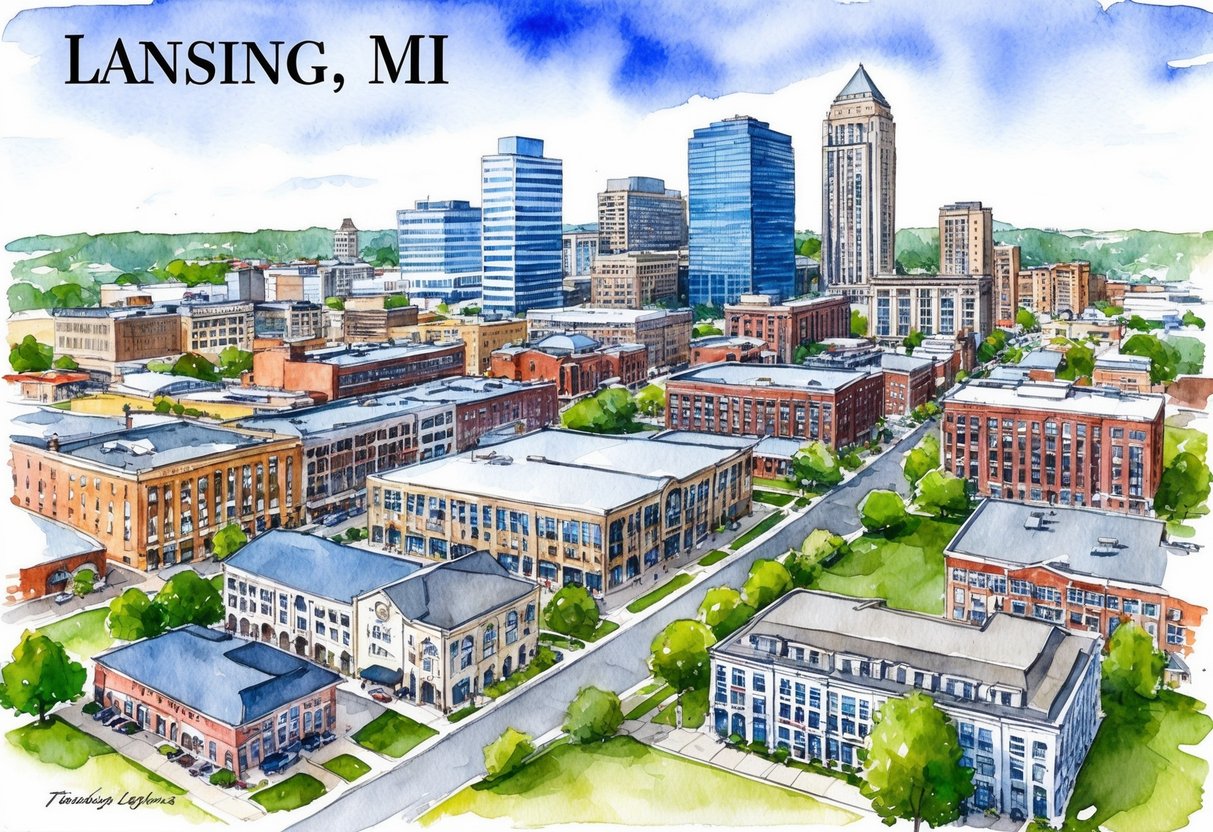
I’ve found that starting in real estate investing can be both exciting and daunting. The key is to arm yourself with knowledge and connect with others who share your passion. Let’s explore how to begin your journey in Lansing’s real estate market.
Education and Research for New Investors
I always tell new investors: knowledge is power. Start by diving into books, podcasts, and online courses about real estate investing. What strategies resonate with you? Are you interested in fix-and-flips or long-term rentals?
Next, study Lansing’s market. What neighborhoods are up-and-coming? Where are property values rising? The Lansing Real Estate Investors Group on Facebook can be a goldmine of local insights.
Don’t forget to learn about financing options. Have you considered owner financing or private money lenders? These can be game-changers when banks say no.
Networking with Michigan Real Estate Investors
I can’t stress this enough: your network is your net worth. Surrounding yourself with experienced investors can fast-track your success. Where can you find these connections?
Real Estate Investors of Lansing meetups are a great place to start. Imagine sipping coffee with fellow investors, sharing ideas, and getting advice on your first deal. These gatherings are gold for new investors.
Have you considered joining local real estate investment associations? They often host workshops and bring in guest speakers. It’s like having a real estate investing mentor in your back pocket.
Don’t be shy about reaching out to successful investors for coffee or a quick chat. You’d be surprised how many are willing to share their wisdom. After all, we all started somewhere.
Financial Considerations and Strategies
When investing in Lansing’s real estate market, it’s crucial to have a solid financial plan. Let’s look at smart ways to fund your investments and manage your budget effectively.
Exploring Financing Options
I’ve found that Lansing offers diverse financing options for real estate investors. Have you considered conventional mortgages? They’re a popular choice, often with competitive interest rates. But don’t overlook FHA loans if you’re just starting out.
What about hard money lenders? They can be a lifesaver for quick deals, though interest rates are higher. I’ve seen investors use home equity lines of credit (HELOCs) to fund their purchases too. It’s a clever way to leverage your existing assets.
Private money lenders are another avenue. Do you know anyone in your network who might be interested in real estate returns? It could be a win-win situation.
Budgeting for Investments
Let’s talk numbers. I always start by calculating potential rental income. In Lansing, I’ve noticed rent-to-price ratios can be favorable compared to other markets. This means better cash flow potential.
Don’t forget about ongoing expenses. Property taxes, insurance, and maintenance costs can eat into your profits. I set aside about 1% of the property value annually for repairs.
Have you considered vacancy rates? In Lansing, they can vary by neighborhood. I always budget for at least one month of vacancy per year. It’s better to be prepared, right?
Lastly, factor in property management costs if you’re not planning to manage yourself. It typically runs 8-12% of monthly rent. Remember, your time is valuable too!
Property Management and Maintenance
Effective property management and maintenance are crucial for real estate investing success in Lansing, MI. These aspects can make or break your investment, affecting both tenant satisfaction and property value.
Regular Maintenance Requirements
Keeping your Lansing property in top shape is essential. I’ve found that preventative maintenance is key to avoiding costly repairs down the line. What’s on your maintenance checklist?
Regular inspections are a must. I recommend checking the roof, HVAC system, and plumbing at least twice a year. Don’t forget about seasonal tasks like gutter cleaning and winterizing pipes.
Landscaping matters too. A well-maintained exterior not only attracts tenants but also keeps property values up. Consider hiring a local lawn service for consistent upkeep.
Hiring Property Management Services
Have you ever thought about the time and effort required to manage a property yourself? Professional property management can be a game-changer for busy investors.
In Lansing, several reputable companies offer comprehensive services. They handle tenant screening, rent collection, and maintenance coordination. This frees up your time to focus on growing your portfolio.
But how do you choose the right company? Look for experience in the Lansing market and a track record of satisfied clients. DS Huber Real Estate Group has been serving the area since 2008, providing peace of mind to property owners.
Remember, good property management can increase your ROI. It’s not just about collecting rent – it’s about protecting and enhancing your investment.
Legal and Regulatory Framework
Investing in Lansing real estate requires a solid understanding of local laws and zoning regulations. I’ve found that navigating these rules can make or break your investment success.
Understanding Local Real Estate Laws
Lansing’s real estate laws can be complex, but they’re crucial to grasp. I always recommend working with real estate lawyers in Lansing who specialize in property transactions. They can guide you through contracts, title issues, and easements.
Michigan has specific laws about landlord-tenant relationships. As an investor, I need to know my rights and responsibilities. This includes fair housing laws, security deposit regulations, and eviction procedures.
Property taxes in Lansing can impact my bottom line. I make sure to research current rates and any upcoming changes that could affect my investment.
Zoning and Compliance
Zoning laws in Lansing dictate how I can use my property. I’ve learned it’s essential to check zoning regulations before purchasing. Some areas are residential-only, while others allow mixed-use development.
Compliance with building codes is non-negotiable. I always factor in the cost of necessary upgrades or renovations to meet current standards. This can include:
- Fire safety systems
- Accessibility features
- Energy efficiency requirements
Getting the right permits is crucial. I’ve seen investors face hefty fines for skipping this step. Lansing’s Building Safety office is my go-to resource for permit information.
I keep an eye on new development plans in Lansing. These can affect zoning and property values in surrounding areas.
Analyzing Market Trends and Predictions
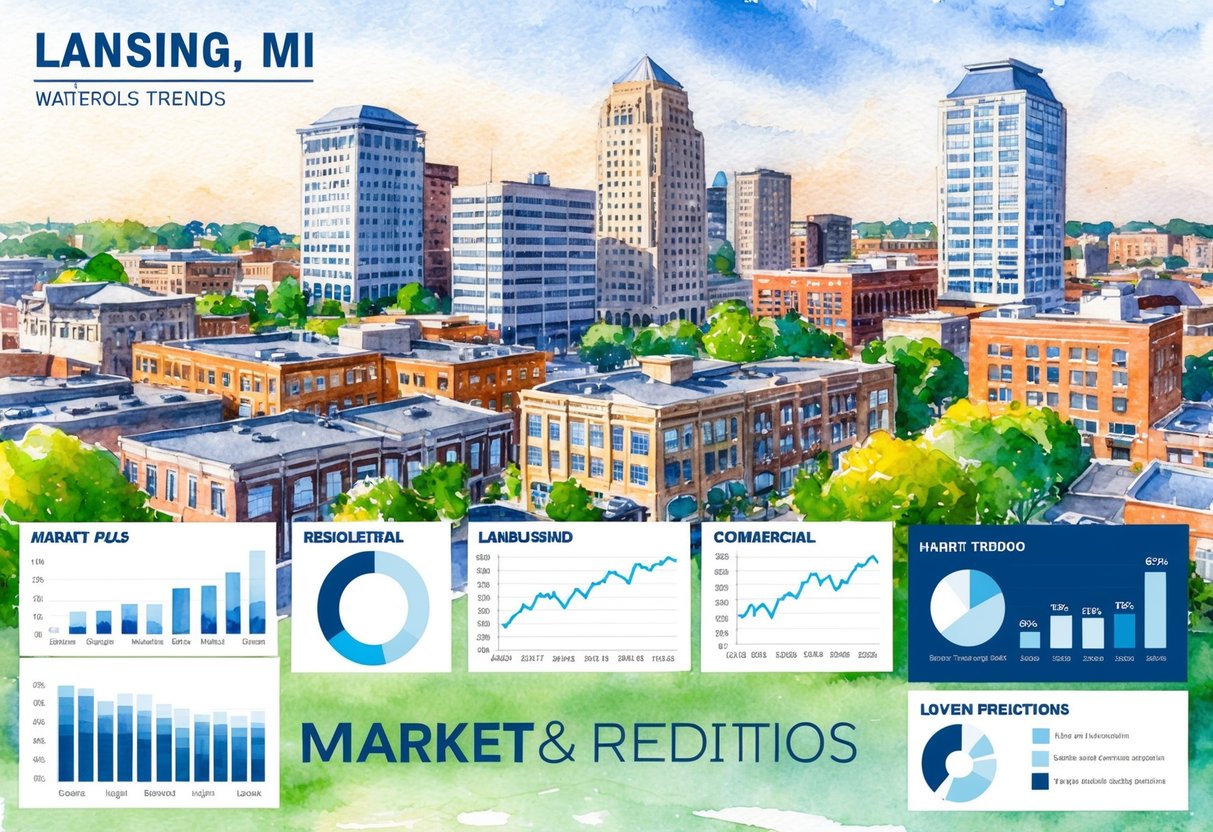
The Lansing real estate market is showing some interesting patterns. I’ve noticed shifts in demographics and home prices that could impact investors. Let’s take a closer look at what’s happening.
Impact of Demographic Changes on the Market
Lansing’s population is evolving, and it’s affecting the housing market. I’ve seen young professionals moving in, attracted by job opportunities and affordable living. This influx is driving demand for starter homes and rentals near downtown.
Older residents are downsizing, creating a need for smaller, low-maintenance properties. Are you thinking about catering to this group? It could be a smart move.
The student population from nearby universities also plays a big role. They’re looking for affordable rentals close to campus. Have you considered investing in student housing?
Predictive Analysis of Home Prices
Home prices in Lansing are on the rise. The median price hit $151,553 recently, up 7.8% from last year.
That’s a solid increase, but what’s driving it?
Low inventory is one factor. There’s more demand than supply, pushing prices up.
But will this trend continue?
Experts predict steady growth in the coming years. By mid-2025, we might see a slight cooldown, with some areas experiencing small price decreases. But don’t let that scare you off.
The key is to focus on neighborhoods with strong fundamentals. Look for areas with good schools, growing employment, and improving infrastructure.
These factors tend to support long-term price growth.