
Looking to grow your wealth through real estate? Grand Rapids, Michigan might just be the hidden gem you’ve been searching for. I’ve seen many investors overlook this Midwest city, but let me tell you, they’re missing out on some serious opportunities.
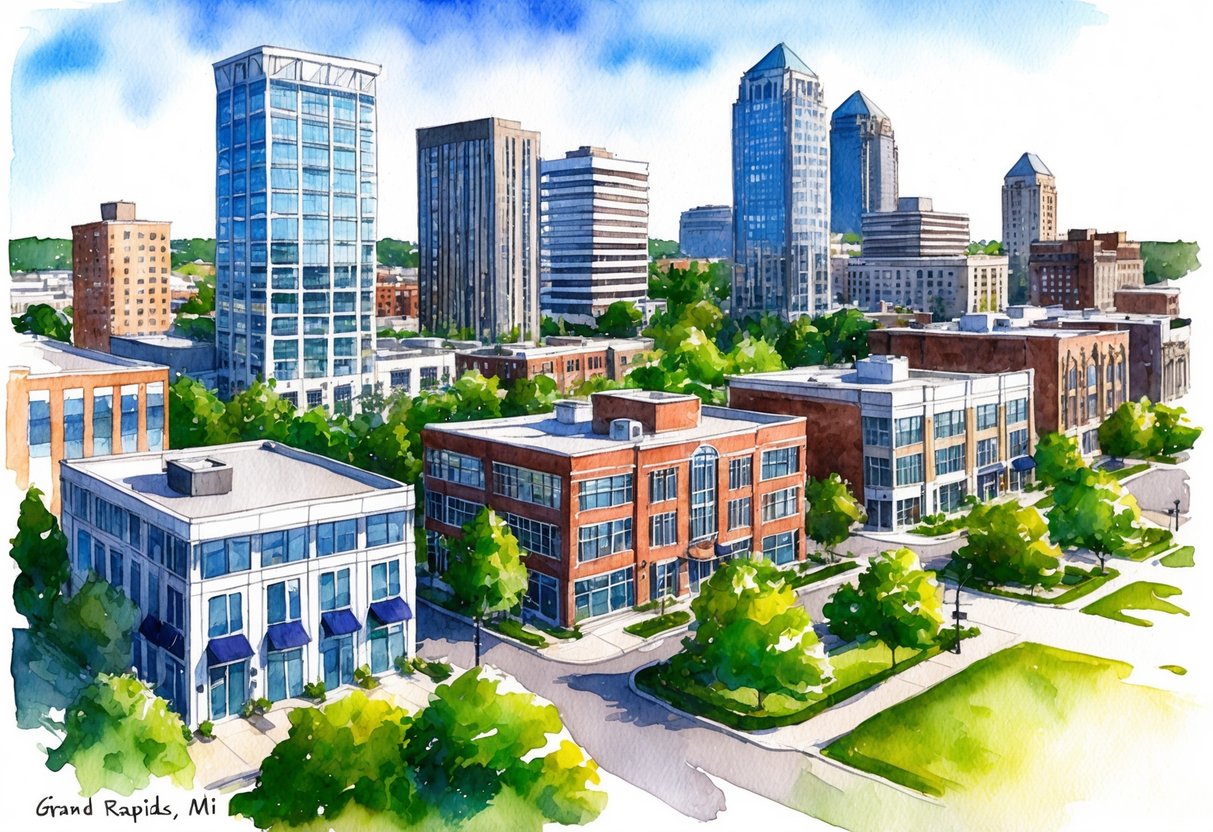
Grand Rapids has experienced impressive population growth, with a rate higher than both the state and national averages over the past decade. This growth is driving demand for housing and commercial spaces, creating a fertile ground for savvy real estate investors.
The city’s diverse real estate market offers options for various investment strategies, from residential rentals to commercial properties.
What’s more, Grand Rapids offers some attractive tax benefits for real estate investors. Have you considered how depreciation deductions could offset your rental property costs? Or how deferring taxes on capital gains could boost your returns? These are just a few of the financial advantages that make Grand Rapids an appealing destination for those looking to build wealth through real estate.
Key Takeaways
- Grand Rapids’ population growth is driving demand in the real estate market
- The city offers diverse investment opportunities in both residential and commercial sectors
- Tax benefits and favorable market conditions make Grand Rapids attractive for building a real estate portfolio
Understanding the Grand Rapids Real Estate Market
The Grand Rapids real estate market offers exciting opportunities for savvy investors. Let’s explore the key factors shaping this dynamic market and uncover potential investment hotspots.
Key Factors Influencing Home Values
What drives home values in Grand Rapids? The city’s growing economy plays a crucial role. Strong industries like manufacturing and healthcare create jobs and attract new residents.
Population growth is another key factor. As more people move to Grand Rapids, demand for housing increases, pushing up prices.
Location matters too. Neighborhoods close to downtown, good schools, or popular amenities tend to command higher prices.
The quality and age of homes also impact values. Newer or well-maintained properties often fetch premium prices.
Current Market Trends and Forecasts
I’ve noticed some interesting trends in the Grand Rapids market. Home values have risen 8% over the past year, reaching an average of $267,304.
Homes are selling quickly, typically going pending in just 8 days. This fast pace indicates strong demand.
Looking ahead, experts predict continued growth. The market is forecast to see a 7.2% increase in home prices for 2024.
For investors, these trends suggest potential for appreciation. But remember, real estate markets can change, so always do your own research.
Importance of Local Economy and Employment
Why should you care about the local economy? It’s simple - jobs drive housing demand. Grand Rapids has a diverse economic base, which helps stabilize the market.
The city’s manufacturing sector remains strong, providing steady employment. Healthcare is another growing field, with several major hospitals in the area.
I’ve seen how a robust job market attracts new residents, increasing demand for housing. This can lead to rising home values and rental rates.
Keep an eye on major employers and new businesses coming to the area. They can signal future growth potential for real estate investors.
Investment Hotspots in Grand Rapids Neighborhoods
Where should you look for investment opportunities? I’ve found several promising areas in Grand Rapids.
Downtown: This area is seeing rapid development, with new apartments and condos. It’s popular among young professionals.
East Grand Rapids: Known for excellent schools and high-end homes, this suburb attracts families and luxury buyers.
Eastown: A trendy neighborhood with a mix of historic homes and new developments. It’s popular with both renters and buyers.
Alger Heights: This up-and-coming area offers more affordable homes, making it attractive to first-time buyers and investors.
Remember, each neighborhood has its own character and potential. Visit areas you’re interested in and talk to local real estate professionals to get insider insights.
Real Estate Investment Strategies
Grand Rapids offers diverse ways to build wealth through property. Let’s explore some key approaches that can help you maximize returns and achieve your financial goals.
Long-Term vs. Short-Term Investment Approaches
When investing in Grand Rapids real estate, I’ve found that both long-term and short-term strategies can be profitable. Long-term investors often focus on buying and holding properties for steady rental income and appreciation. This approach requires patience but can lead to significant wealth accumulation over time.
Short-term investors, on the other hand, may flip houses for quick profits. Grand Rapids’ growing market makes this an attractive option. But remember, flipping requires more active involvement and can be riskier.
Which strategy is right for you? It depends on your goals, risk tolerance, and available time. I’ve seen success with both approaches in Grand Rapids. The key is to choose the one that aligns with your personal situation and financial objectives.
Evaluating Single-Family Homes for Investment
Single-family homes are a popular investment choice in Grand Rapids. Why? They’re often easier to manage and can attract stable, long-term tenants. When evaluating these properties, I look at several factors:
- Location: Is it near good schools, employers, and amenities?
- Condition: What repairs or upgrades are needed?
- Rental potential: What’s the typical rent in the area?
- Price: Is it below market value?
Grand Rapids’ median home value is $267,304, up 8% over the past year. This growth suggests potential for appreciation. But remember, cash flow is king in real estate investing. Always run the numbers to ensure the property will generate positive monthly income after all expenses.
The Role of Wholesaling in Real Estate Investing
Wholesaling is an intriguing strategy for those looking to enter real estate investing with minimal capital. Here’s how it works:
- Find a motivated seller
- Get the property under contract
- Assign the contract to another investor for a fee
This approach can be a great way to learn the market and build your network. But it’s not without challenges. Success in wholesaling requires:
- Strong negotiation skills
- A solid network of buyers
- The ability to quickly analyze deals
Is wholesaling right for you? It can be a low-risk entry point into real estate investing, but it also requires hustle and persistence.
Exploring Airbnb and Other Short-term Rental Strategies
Short-term rentals, like Airbnb, have become increasingly popular in Grand Rapids. This strategy can potentially yield higher returns than traditional long-term rentals. But is it right for you?
Pros:
- Higher nightly rates
- Flexibility to use the property yourself
Cons:
- More active management required
- Potential for seasonal fluctuations
Before jumping in, research local regulations. Some areas have restrictions on short-term rentals. Also, consider the location carefully. Properties near downtown or popular attractions tend to perform best for short-term rentals.
Grand Rapids’ growing tourism industry makes this strategy worth considering. But remember, success requires providing a great guest experience and managing your property effectively.
Financial Considerations in Real Estate Investing
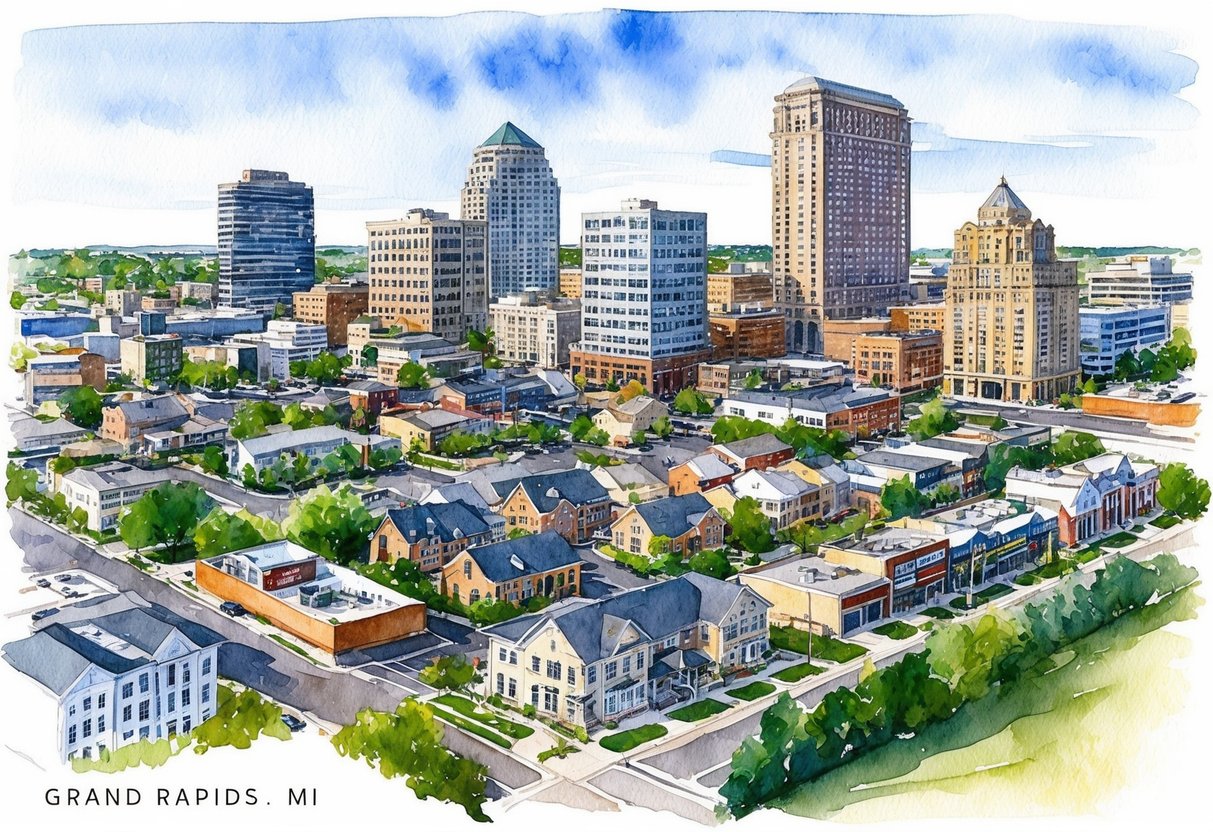
Real estate investing in Grand Rapids, MI can be a smart financial move. Let’s look at some key money matters to keep in mind when getting into this market.
Understanding Cash Flow and Rental Income
Cash flow is the lifeblood of real estate investing. It’s what puts money in my pocket each month. In Grand Rapids, rental income potential looks promising. The average home value here is $267,304, up 8% in the last year.
But what does this mean for cash flow? Let’s break it down:
- Monthly rent - mortgage payment = cash flow
- Don’t forget other expenses like taxes, insurance, and repairs
- Aim for positive cash flow of at least $200 per unit
I always look for properties that can generate solid rental income. In Grand Rapids, homes are selling fast - often in just 8 days. This tells me there’s high demand, which is good for keeping units rented.
Analyzing Capital Gains and Property Appreciation Potential
Capital gains are the profit I make when I sell a property for more than I paid. In Grand Rapids, the signs point to good appreciation potential. The median sale price in March 2024 was $257,333. That’s a nice jump from previous years.
What drives property values up? A few key factors:
- Strong job market
- Population growth
- Limited housing supply
Grand Rapids checks these boxes. The city has seen steady population growth, which usually means rising property values. I always look at local economic trends before investing. A growing city often means growing property values.
The Impact of Interest Rates on Real Estate Investments
Interest rates can make or break a real estate investment. Why? They affect how much I pay for loans and how much cash flow I can generate. When rates are low, it’s easier to make deals work.
Here’s how interest rates impact my investments:
- Lower rates = lower monthly payments
- Higher rates = higher monthly payments
- Rates affect property values too
I always keep an eye on interest rate trends. They can change quickly and have a big impact on my bottom line. In Grand Rapids, like anywhere else, timing my purchases with favorable rates can boost my returns.
Navigating Foreclosures for Investment Opportunities
Foreclosures can be a goldmine for savvy investors. In Grand Rapids, I keep an eye out for these opportunities. They often let me buy properties below market value.
But foreclosures aren’t without risks. Here’s what I consider:
- Property condition - foreclosures may need repairs
- Legal issues - make sure the title is clear
- Competition - other investors may drive up prices
Grand Rapids has a strong real estate market, which means fewer foreclosures than in some areas. But they still pop up. I work with local agents who know the market well. They often hear about foreclosures before they hit the public market.
When done right, foreclosure investing can supercharge my returns. But I always do my homework first. It’s not a game for the unprepared.
The Role of Professional Support in Real Estate Investing

Real estate investing in Grand Rapids can be rewarding, but it’s not a solo journey. I’ve found that having the right team of professionals can make all the difference in achieving success.
Choosing the Right Property Management in Grand Rapids
Finding a top-notch property manager in Grand Rapids is crucial. These pros handle day-to-day operations, allowing me to focus on growing my portfolio.
What should I look for? Experience, local market knowledge, and a track record of happy tenants and owners.
Grand Rapids property management companies often offer services like tenant screening, rent collection, and maintenance coordination.
I always ask about their fee structure and communication practices. Do they provide regular reports? How quickly do they respond to issues?
A good property manager can boost my ROI by keeping properties occupied and well-maintained. They’re also invaluable for navigating local laws and regulations.
Partnering with Knowledgeable Real Estate Agents
A skilled real estate agent is worth their weight in gold. They’re my eyes and ears on the ground, spotting opportunities before they hit the market.
In Grand Rapids, I look for agents who specialize in investment properties.
What makes a great agent? Deep local market knowledge, a network of contacts, and a knack for negotiation. They should understand cash flow analysis and be able to spot potential in undervalued properties.
I’ve found that the best agents are also investors themselves. They get it. They know what I’m looking for and can offer insights from their own experiences.
Working with Financial Professionals and Hard Money Lenders
Smart investing often requires creative financing. That’s where financial pros and hard money lenders come in. They can help me structure deals that maximize returns while managing risk.
A good financial advisor can assist with tax planning, entity structuring, and retirement strategies. They help me see the big picture of how real estate fits into my overall financial goals.
Hard money lenders are my go-to for quick financing on fix-and-flip projects. They look at the deal, not just my credit score. But beware – their rates are higher than traditional loans. Do the numbers make sense for your project?
Networking is key in this business. I attend local real estate meetups and join investment clubs. It’s how I’ve met some of my most valuable contacts.
Building a Successful Real Estate Investment Portfolio
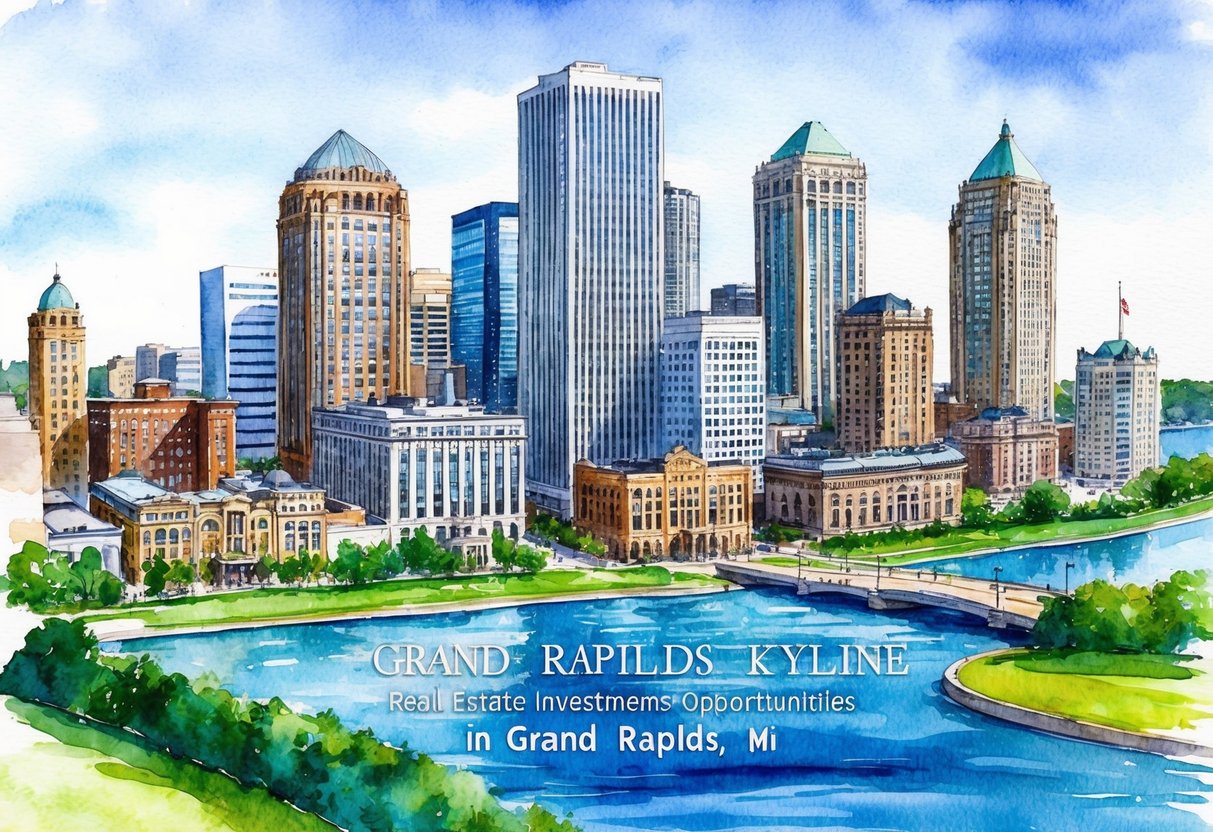
Real estate investing in Grand Rapids can be a powerful way to build wealth. I’ve found that success comes from careful property selection, smart management, and diversifying investments. Let’s explore the key strategies I use to create a thriving portfolio.
Identifying and Purchasing Investment Properties
When I look for investment properties in Grand Rapids, I focus on neighborhoods with growth potential. I always check local market trends and upcoming developments. Are there new businesses moving in? How are the schools rated?
I use a simple formula to evaluate deals:
- Calculate potential rental income
- Subtract estimated expenses (taxes, insurance, maintenance)
- Compare the result to the property’s purchase price
I aim for a cap rate of at least 6-8%. This means the yearly net income should be 6-8% of the purchase price.
Don’t forget about financing! I’ve found that a good relationship with local banks can open doors to better mortgage terms. This can significantly boost your returns over time.
Effective Strategies for Managing Landlords and Tenants
As a landlord, your success hinges on finding and keeping good tenants. I’ve learned that thorough screening is crucial. I always:
- Run credit and background checks
- Verify employment and income
- Contact previous landlords
Once you have great tenants, treat them well! I make sure to respond quickly to maintenance requests and keep the property in good shape.
What about problem tenants? I’ve found that clear communication and firm, fair policies are key. Always follow local laws and document everything. Sometimes, offering cash for keys can be cheaper than a lengthy eviction process.
Diversification within the Real Estate Investment Field
Don’t put all your eggs in one basket!
I diversify my real estate portfolio in several ways:
- Property types: Mix of single-family homes, multi-unit buildings, and commercial spaces
- Locations: Different neighborhoods in Grand Rapids
- Investment strategies: Some properties for long-term appreciation, others for cash flow
Have you considered real estate investment trusts (REITs)? These can provide exposure to larger commercial properties you might not be able to buy directly.
Remember, diversification helps manage risk. If one area of your portfolio underperforms, others can pick up the slack.