
Fairfield, Connecticut is a hidden gem for real estate investors. I’ve been keeping my eye on this market, and let me tell you, it’s got potential.
The median home market worth in Fairfield is higher than both the state and national medians, indicating a strong and stable market for investment.
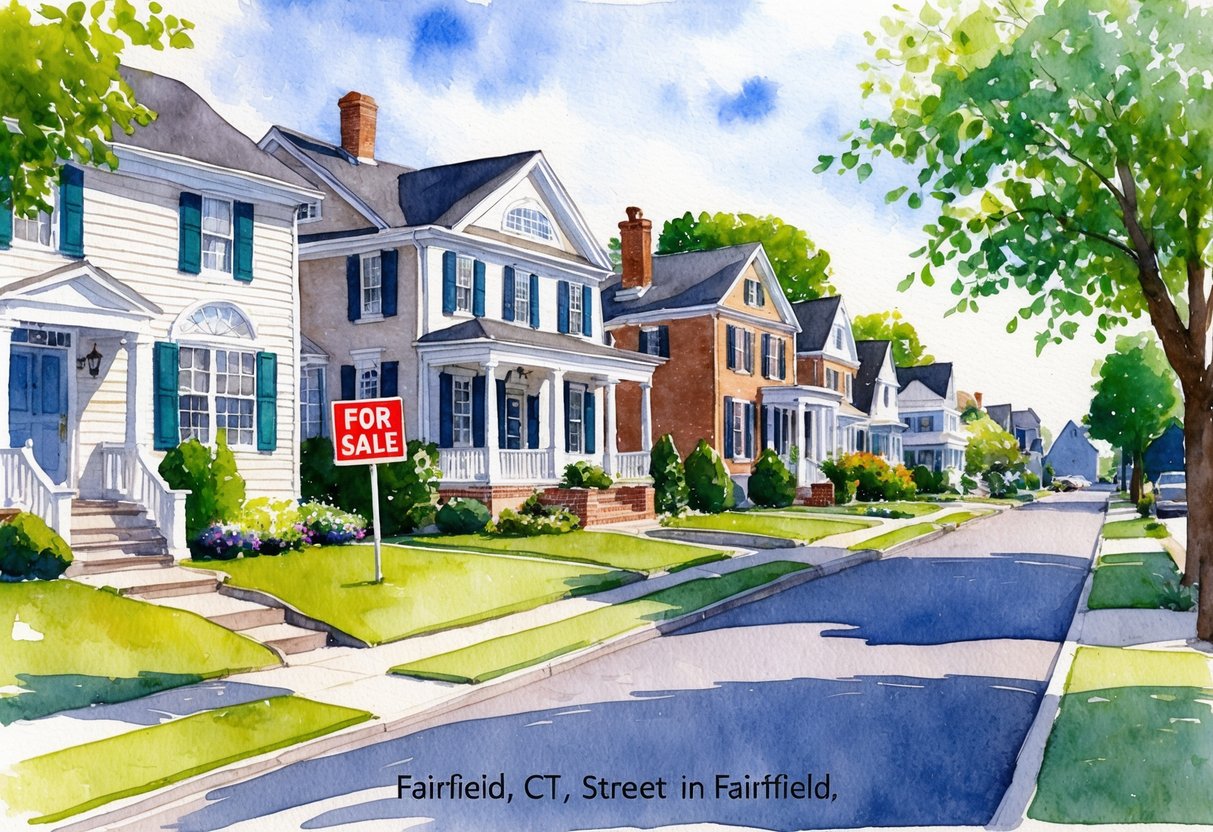
Fairfield’s real estate scene isn’t just about the numbers, though. It’s about opportunity. The town’s charming New England character, combined with its proximity to New York City, makes it an attractive option for both residents and investors.
Have you considered the possibilities this unique location offers?
I’ve found that Fairfield’s real estate market has been showing steady growth. Over the past decade, home values have been increasing at a solid rate. This trend suggests that investing in Fairfield real estate could be a smart move for those looking to build long-term wealth.
Are you ready to explore what Fairfield has to offer?
Key Takeaways
- Fairfield’s real estate market shows strong potential with above-average home values
- The town’s location and character make it attractive for diverse investment strategies
- Steady growth in home values over the past decade suggests promising long-term returns
Understanding Fairfield’s Real Estate Market

Fairfield’s real estate market is dynamic and offers unique opportunities for investors. Let’s examine the current trends, pricing, and how Fairfield County fits into the broader market landscape.
Current Market Trends
The Fairfield housing market is showing strong signs of growth. Home values have increased significantly, with the average home value reaching $867,059. This represents a substantial 10.2% rise over the past year.
What’s driving this growth? I’ve noticed a few key factors:
- Low inventory of homes for sale
- High demand from buyers
- Attractive location near major cities
The median listing price stands at $872,000, though it has seen a slight dip of 10.6% year-over-year. This could present a window of opportunity for savvy investors.
Price and Sales Analysis
When I look at Fairfield’s real estate data, a few numbers stand out:
- Median home price: $840,400
- Year-over-year price increase: 7.0%
- Number of homes for sale: 180
What does this mean for investors? The market is competitive, but there’s potential for solid returns. The steady price growth suggests long-term value appreciation.
It’s worth noting that homes in Fairfield are selling quickly. The average days on market is 34, unchanged from last year. This indicates a healthy demand for properties in the area.
Fairfield County’s Position in the Broader Market
How does Fairfield County compare to the rest of Connecticut? I’ve found it’s a standout performer:
- Median sale price in Fairfield County: $700,000
- County-wide price increase: 7.3% year-over-year
Fairfield County’s real estate market is outpacing many other areas. This makes it an attractive option for investors looking for growth potential.
The number of homes sold in the county is also on the rise. In July, 1,011 homes were sold, up from 949 the previous year. This increase in sales volume suggests a robust and active market.
Key Economic Indicators Affecting Fairfield’s Market

Fairfield’s real estate market is shaped by several important economic factors. Let’s take a closer look at the employment landscape and population trends that are driving this market.
Employment and Industry Insights
Fairfield’s job market is diverse and growing. The town’s unemployment rate is lower than the national average, which is great news for potential investors. Why? Because employed residents are more likely to buy or rent homes.
Fairfield County’s economy has been creating new jobs at a steady pace. I’ve noticed that the finance and healthcare sectors are particularly strong here. This diversity in employment industries is crucial - it helps protect the local economy from downturns in any single sector.
What about income levels? They’re impressive. Fairfield’s median household income is higher than both the state and national averages. This translates to residents having more purchasing power for homes.
Population and Demographic Trends
Fairfield is experiencing steady population growth. This is a key indicator for real estate investors like myself. More people means more demand for housing.
The median age in Fairfield is slightly higher than the national average. I see this as an opportunity. Many residents are in their prime earning years, looking to upgrade their homes or invest in property themselves.
Another interesting trend is the influx of young families. They’re drawn by Fairfield’s excellent schools and quality of life. This demographic shift is creating demand for family-friendly homes and rental properties.
Investment Strategies for Fairfield Real Estate
Investing in Fairfield real estate can be a smart move. I’ve found that choosing the right properties, doing thorough financial analysis, and deciding between long-term and short-term strategies are key to success in this market.
Choosing the Right Properties
When I look at Fairfield properties, I focus on location and potential. Are you near good schools or transit? That’s gold. I always check the price-to-rent ratio to gauge if a property is overvalued.
Look for homes with room for improvement. Why? You can boost value with smart upgrades. I’ve seen investors turn dated kitchens into modern showpieces, instantly increasing rent potential.
Don’t forget about property taxes. They can eat into profits if you’re not careful. I always factor them into my calculations.
Want a tip? Consider multi-family units. They often provide better cash flow in Fairfield’s competitive market.
Financial Analysis for Investors
Numbers don’t lie. I always run the numbers before making a move.
What’s my go-to metric? Cash-on-cash return. It tells me how much cash I’m making compared to what I’ve invested.
Here’s a quick breakdown of what I look at:
- Purchase price
- Estimated rental income
- Operating expenses
- Financing costs
Don’t forget about vacancy rates. I always assume some vacancy to stay realistic.
What about appreciation? Fairfield has seen steady growth, but I never count on it. It’s a bonus, not a guarantee.
Have you considered the 1% rule? If monthly rent is at least 1% of the purchase price, it’s worth a closer look.
Long-Term vs. Short-Term Investing
Are you in it for the long haul or looking for quick gains? That’s the question I always ask myself.
Long-term investing in Fairfield can build serious wealth. Why? Steady appreciation and growing equity. Plus, you’ll benefit from tax advantages like depreciation.
Short-term strategies like flipping can be lucrative, but they’re riskier. You need a keen eye for undervalued properties and renovation costs.
Have you thought about a hybrid approach? Buy a property, renovate, rent for a few years, then sell. It combines the best of both worlds.
Remember, Fairfield’s property appreciation rate has been strong. But markets can change. Always have a backup plan.
Navigating Taxes and Legalities in Fairfield

Property taxes and legal considerations are crucial aspects of real estate investing in Fairfield. Let’s explore these important factors that can significantly impact your investment success.
Understanding Property Taxes
In Fairfield, property taxes play a big role in real estate investing. The current mill rate is 27.9, which means you’ll pay $27.90 for every $1,000 of assessed property value. This rate has recently increased, so I always keep a close eye on these changes.
Why does this matter to you as an investor? Simple. Higher property taxes can eat into your profits. But don’t let that scare you off. I’ve found that understanding the tax system can actually help you make smarter investment choices.
For example, did you know that Fairfield’s median home value is higher than both the state and national averages? This means potentially higher property taxes, but also the possibility of greater appreciation over time.
Legal Considerations for Investors
When I invest in Fairfield real estate, I always make sure I’m up to speed on local laws and regulations. Trust me, it’s worth the effort to avoid legal headaches down the road.
One key area to focus on is zoning laws. These dictate how you can use a property. Are you planning to convert a single-family home into a multi-unit rental? Make sure it’s allowed first!
Another important legal aspect is tenant rights. Connecticut has specific laws protecting tenants, and Fairfield may have additional local ordinances. I’ve learned it’s crucial to understand these before becoming a landlord.
Don’t forget about property assessments either. Fairfield’s tax assessor’s office determines the value of your property for tax purposes. Knowing how this process works can help you budget more accurately and even challenge an assessment if needed.
The Role of Real Estate Investment Clubs

Real estate investment clubs can be game-changers for investors in Fairfield, CT. They offer valuable connections and insights that can supercharge your property investing journey. Let’s explore how these clubs can benefit you.
Networking and Learning Opportunities
In Fairfield, real estate investment clubs are goldmines of knowledge. I’ve found that these groups bring together experienced investors, newbies, and industry professionals.
It’s like having a team of mentors at your fingertips.
At club meetings, I’ve learned about local market trends, financing strategies, and property management tips.
The discussions are often eye-opening. Have you ever wondered how to spot the next up-and-coming neighborhood in Fairfield? Club members often share these kinds of insider tips.
Many clubs host workshops and guest speakers. I’ve attended sessions on tax strategies, renovation techniques, and even legal aspects of real estate.
It’s practical education you can’t get from books alone.
Local vs. National Clubs
When it comes to clubs, you’ve got choices. Local Fairfield clubs focus on our specific market. They know the ins and outs of Connecticut real estate laws and Fairfield’s unique neighborhoods.
I’ve found that local clubs often have members who are willing to show you their Fairfield properties firsthand. It’s invaluable to see successful investments up close.
National clubs, on the other hand, offer a broader perspective. They can introduce you to strategies that work in different markets. This can be eye-opening if you’re considering investing beyond Fairfield.
Some investors I know belong to both types of clubs. They get the best of both worlds - local expertise and national trends.
Have you considered how this dual approach might boost your investing strategy?
Property Types and Their Investment Potential
Fairfield offers diverse real estate options for investors. Let’s explore the potential of different property types and how they can impact your investment strategy.
Single Family vs. Multi Family Comparison
Single family homes in Fairfield are popular among investors. They often attract long-term tenants and can be easier to manage.
The median home value in Fairfield is $829,412, which is higher than many other areas. This can mean higher initial costs but also potentially greater appreciation.
Multi family properties, on the other hand, can provide multiple income streams. They’re great for maximizing cash flow in a single location. But remember, they may require more hands-on management.
I’ve found that single family homes in Fairfield often appeal to families looking for good schools. Multi family units tend to attract younger professionals or retirees downsizing.
Investing in Condominiums
Condos can be an interesting investment option in Fairfield. They typically have lower purchase prices compared to single family homes, making them more accessible for new investors.
One advantage of condos is reduced maintenance responsibilities. The condo association usually handles exterior upkeep and common areas. This can be a big plus if you’re looking for a more hands-off investment.
However, keep in mind that condo fees can eat into your profits. It’s crucial to factor these ongoing costs into your calculations.
Also, be aware that Fairfield’s housing inventory, including condos, can fluctuate. This might affect your buying options and potential returns.
Location Analysis within Fairfield and Its Neighborhoods
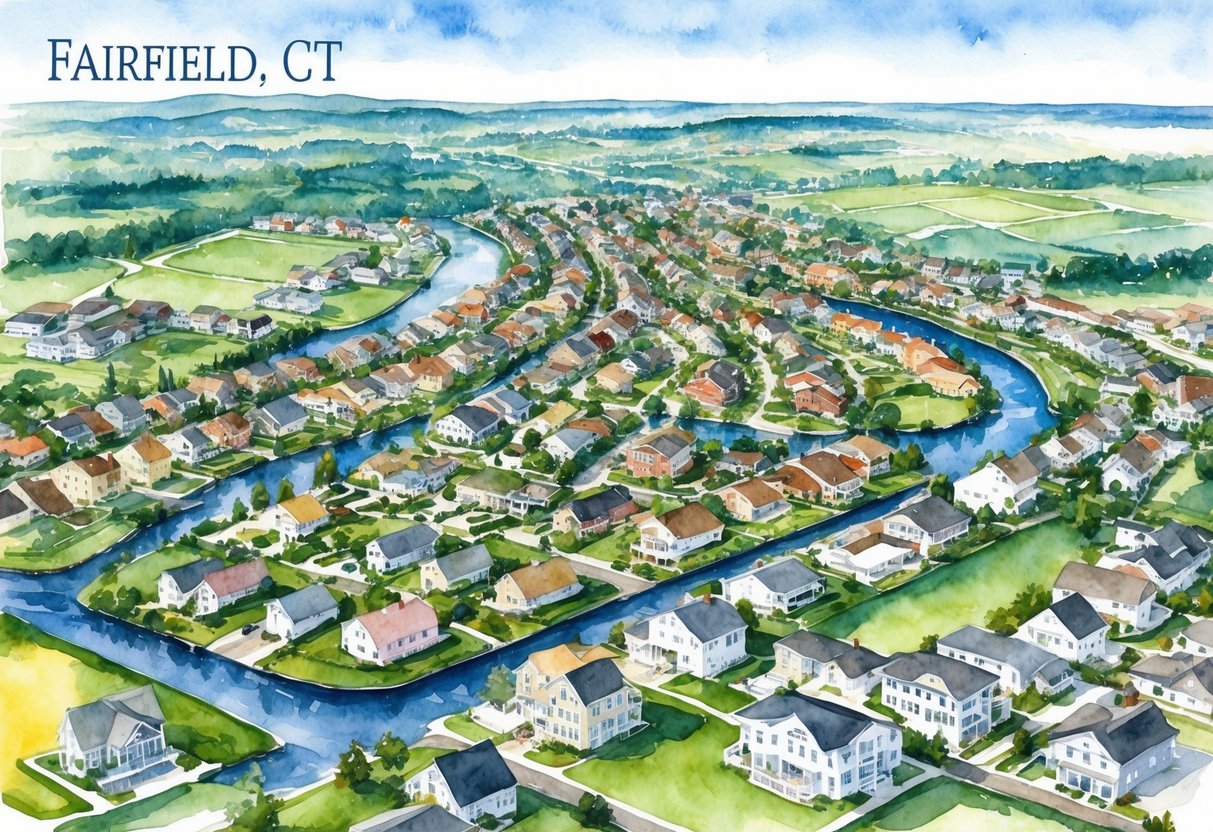
Fairfield, CT offers diverse neighborhoods with unique advantages for real estate investors. Let’s explore the key factors that make this town a prime location for property investments.
Proximity to Parks and Recreation
Fairfield boasts an impressive array of parks and recreational facilities. I’ve found that properties near these amenities often command higher values.
Fairfield has 16 associated neighborhoods, many of which offer easy access to green spaces.
The town’s beaches are a major draw. Penfield Beach and Jennings Beach provide residents with scenic coastal views and outdoor activities. Inland, Lake Mohegan offers hiking trails and a freshwater swimming area.
For golf enthusiasts, the H. Smith Richardson Golf Course is a public 18-hole course that adds value to nearby properties. These recreational spots not only enhance quality of life but also boost property appeal.
Access to Education and Universities
Education is a cornerstone of Fairfield’s appeal. The town’s public school system is highly regarded, making it attractive to families. This factor alone can drive real estate demand in family-friendly neighborhoods.
Fairfield University and Sacred Heart University are located within the town limits. Their presence creates a steady stream of potential renters and buyers, particularly in areas close to campus.
I’ve noticed that properties near these institutions often yield strong returns for investors. The demand for student housing and faculty residences remains consistent year after year.
Fairfield’s Connectivity to New York City
Fairfield’s proximity to New York City is a game-changer for real estate investors. The town is served by three Metro-North railroad stations, making commuting to NYC convenient.
Travel time to Grand Central Terminal is about 70 minutes. This accessibility makes Fairfield an attractive option for professionals working in the city but seeking a suburban lifestyle.
I’ve seen this NYC connection drive up property values, especially in neighborhoods close to train stations. Fairfield’s real estate consistently ranks among the most expensive in America, partly due to this strategic location.
For investors, this means potential for strong appreciation and rental income from commuters and weekend visitors from the city.