
Evansville, Indiana might not be the first place you think of for real estate investing, but it’s a hidden gem waiting to be discovered. I’ve seen many investors overlook smaller cities like this one, missing out on incredible opportunities.
Evansville offers a range of investment properties that can provide solid returns for savvy investors.
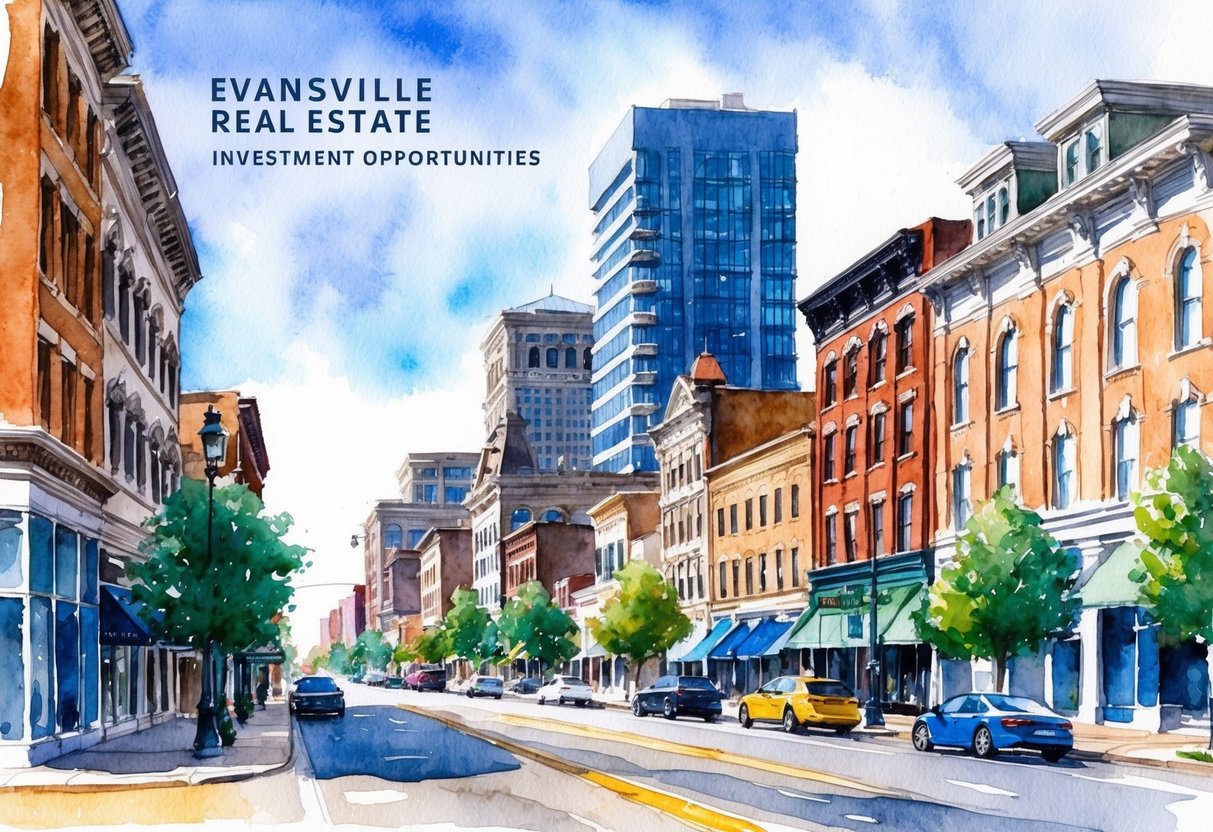
Have you ever considered the benefits of investing in a mid-sized city? Evansville combines the charm of a close-knit community with the amenities of urban living.
This unique blend creates a robust rental market, perfect for those looking to diversify their real estate portfolio.
I’ve found that Evansville’s real estate market is ripe with potential. From single-family homes to multi-unit properties, there’s something for every type of investor. The key is knowing where to look and how to spot a good deal.
Are you ready to explore the possibilities in this thriving Indiana city?
Key Takeaways
- Evansville’s real estate market offers diverse investment opportunities for various budgets and strategies
- Understanding local market trends and neighborhoods is crucial for successful investing in Evansville
- Proper financial planning and property management are essential for maximizing returns on Evansville investments
Understanding the Evansville Real Estate Market
Evansville’s real estate market offers unique opportunities for savvy investors. Let’s explore the key factors shaping this market and how you can potentially benefit.
Demographics and Population Growth
Evansville’s population has been changing over the years. While growth hasn’t been explosive, it’s been steady. This stability can be good for real estate investors like us.
Who’s moving to Evansville? Young professionals and families are drawn to the city’s affordable cost of living. I’ve noticed more retirees too, looking for a quieter lifestyle.
The city’s diverse economy helps support population stability. Healthcare, manufacturing, and education sectors provide jobs and attract new residents.
What does this mean for us as investors? A stable population can lead to consistent demand for housing. It’s not a boom market, but it’s not a bust either.
Market Trends and Investment Potential
Evansville’s housing market has shown some interesting trends lately. As of April 2024, home prices were down slightly compared to the previous year. The median price was $150,000.
Homes are staying on the market a bit longer too. On average, they’re selling after 15 days, up from 6 days last year. This could give us more room to negotiate as buyers.
What’s driving these trends? I see a combination of factors:
- Interest rates affecting buyer demand
- Changes in local employment
- National economic conditions
For investors, these trends present opportunities. Lower prices could mean better deals on properties. Longer market times might allow for more thorough due diligence.
Types of Real Estate Investments in Evansville
Evansville offers a variety of real estate investment options. Let’s look at some of the most promising:
-
Single-family homes: These are popular for both rentals and flips. The average home value is $190,649, up 4.0% over the past year.
-
Multi-family properties: Duplexes and small apartment buildings can provide steady cash flow.
-
Commercial real estate: With Evansville’s diverse economy, there’s demand for office and retail spaces.
-
Student housing: The University of Evansville and other schools create a market for this specialized housing.
Which type is right for you? It depends on your goals and risk tolerance. Single-family homes might be easier to manage, but multi-family properties could offer higher returns.
Have you considered the potential of Evansville’s growing downtown area? Revitalization efforts are creating new opportunities for savvy investors.
Investment Strategies for Evansville Properties
Evansville offers various ways to grow wealth through real estate. I’ve found several effective methods to make money in this market. Let’s explore some top strategies I recommend for investing in Evansville properties.
Buy and Hold Strategy
The buy and hold approach is a classic for a reason. In Evansville, I’ve seen investors build substantial passive income this way. Here’s how it works:
- Find undervalued properties in promising neighborhoods
- Purchase and renovate if needed
- Rent to reliable tenants for steady cash flow
Evansville’s diverse real estate market offers many options for this strategy. Look for homes near schools, parks, or growing business areas.
Remember, patience is key. As property values rise over time, your wealth grows. Plus, tenants essentially pay off your mortgage.
Flipping Properties in Evansville
Want faster returns? Property flipping might be your ticket. I’ve seen investors make good money this way in Evansville. Here’s the basic process:
- Find distressed properties at below-market prices
- Renovate quickly and efficiently
- Sell for a profit
Evansville has many neighborhoods ripe for flipping. Focus on up-and-coming areas where your improvements will really stand out.
But be careful. Flipping requires more hands-on work and carries higher risks. Do you have the skills to manage renovations? Can you accurately estimate costs and potential sale prices?
BRRRR Method (Buy, Rehab, Rent, Refinance, Repeat)
The BRRRR method combines elements of buy-and-hold with flipping. It’s a powerful way to build a portfolio quickly. Here’s how I’ve seen it work in Evansville:
- Buy a fixer-upper property below market value
- Rehab to increase its worth
- Rent it out for steady income
- Refinance based on the new, higher value
- Use the cash-out refinance to buy your next property
This strategy can help you grow faster than traditional buy-and-hold. But it requires careful planning and execution.
In Evansville, look for properties in stable neighborhoods with room for improvement. The key is finding that sweet spot between purchase price and potential value after renovations.
Analyzing Evansville Investment Properties
When looking at investment properties in Evansville, it’s crucial to consider location, income potential, and financing options. These factors can make or break your real estate investment success.
Assessing the Location and Neighborhood
I always start by examining the neighborhood. Is it close to schools, shopping, or major employers? These factors can attract tenants and boost property values. In Evansville, areas near the University of Southern Indiana often have strong rental demand.
I also look at crime rates and future development plans. A safe area with upcoming improvements can mean higher returns down the road.
What about property taxes? They vary by neighborhood and can eat into your profits. I make sure to factor these in when crunching the numbers.
Calculating Rental Income Potential
How much can you charge for rent? I use local listings to get a feel for market rates. In Evansville, the average rent for a 3-bedroom home is around $1,000 per month.
Don’t forget about vacancy rates. Even great properties sit empty sometimes. I always set aside 5-10% of expected annual rent for vacancies.
What about expenses? Here’s a quick breakdown:
- Property management: 8-10% of rent
- Maintenance: 1-2% of property value annually
- Insurance: $800-$1,200 per year
After subtracting these costs, what’s left is your potential cash flow. Is it enough to meet your investment goals?
Understanding Financing Options
How will you pay for your investment property? If you’re using a mortgage, interest rates and terms can greatly impact your returns.
For investment properties, lenders often require:
- 20-25% down payment
- Credit score of 620 or higher
- Debt-to-income ratio below 45%
Have you considered owner financing? Some sellers in Evansville offer this option, which can be easier to qualify for than traditional mortgages.
What about hard money loans? They’re faster but come with higher interest rates. I only use these for short-term flips, not long-term rentals.
Remember, your financing choice affects your cash flow and long-term profitability. Choose wisely!
Property Management for Evansville Rentals
Managing rental properties in Evansville can be a lucrative venture. It involves finding quality tenants, maintaining properties, and navigating legal requirements. Let’s explore the key aspects of successful property management in this market.
Finding and Managing Tenants
Finding good tenants is crucial for my rental success. I’ve learned that thorough screening is essential. How do I attract reliable renters? I start by listing my properties on popular rental websites and local classifieds. Once applications come in, I conduct background checks, verify employment, and check references.
After securing tenants, clear communication is key. I provide a detailed lease agreement outlining rules and expectations. Regular property inspections help me stay on top of any issues. What about rent collection? I’ve found that offering online payment options makes the process smoother for everyone involved.
• Tenant screening checklist:
- Credit check
- Criminal background check
- Employment verification
- Previous landlord references
Maintenance and Upkeep of Properties
Keeping my Evansville rental properties in top shape is crucial for tenant satisfaction and property value. I’ve developed a proactive maintenance schedule to address issues before they become major problems. This includes regular inspections of:
- HVAC systems
- Plumbing
- Electrical systems
- Roof and gutters
When repairs are needed, I have a network of reliable contractors on speed dial. Quick response times to maintenance requests keep my tenants happy and my properties in good condition.
Seasonal tasks are also important. In Evansville’s climate, I ensure proper winterization of properties and spring clean-ups to maintain curb appeal.
Legal Aspects of Property Management
Understanding local laws is essential for Evansville property management. I stay up-to-date with Indiana landlord-tenant laws to protect my investments and avoid legal pitfalls. What are some key legal considerations?
Firstly, I ensure all my leases comply with state regulations. This includes fair housing laws and security deposit handling. Eviction procedures can be tricky - I always follow proper legal channels if issues arise.
Insurance is another crucial aspect. I maintain adequate property insurance and require tenants to have renter’s insurance. This protects both parties in case of accidents or damages.
• Important legal documents:
- Lease agreements
- Property inspection reports
- Maintenance records
- Eviction notices (if needed)
Construction and Development in Evansville
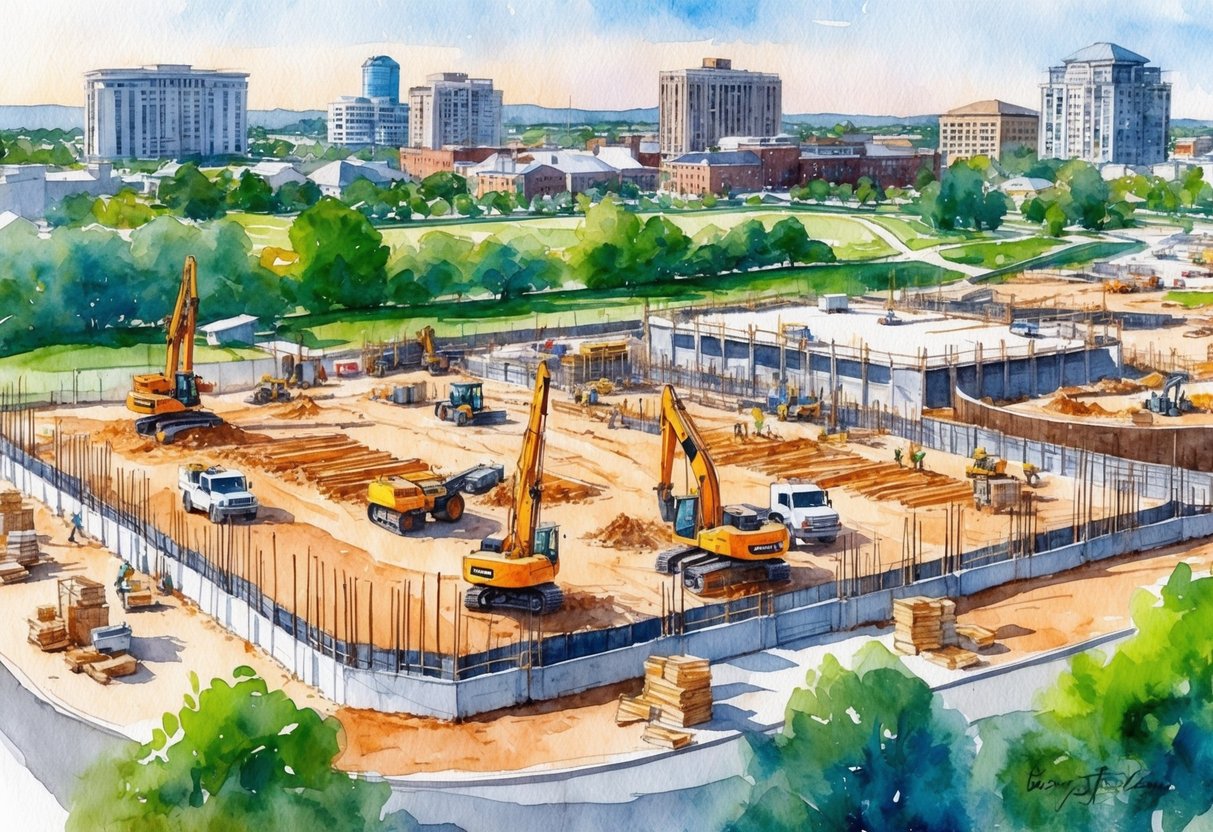
Evansville’s real estate landscape is changing rapidly. New projects are springing up, old buildings are getting facelifts, and the city’s skyline is evolving. Let’s dive into the exciting world of construction and development in this vibrant Indiana city.
Opportunities in New Construction
Are you ready to jump on the new construction bandwagon? Evansville is booming with fresh opportunities.
I’ve seen a $45 million luxury community recently break ground, part of the Promenade master development. This project is just one example of the city’s growth.
New neighborhoods are popping up, offering modern amenities and fresh designs.
Think energy-efficient homes, smart technology, and community spaces. These developments aren’t just houses - they’re lifestyle choices.
But here’s the million-dollar question: Is new construction the right investment for you? It can offer higher rental rates and lower maintenance costs. Plus, you’re giving tenants that “new home” feel.
Just remember, timing is everything in real estate.
Renovating Existing Structures
What about breathing new life into old bones? Evansville has a wealth of older buildings ripe for renovation.
I’ve seen savvy investors turn dilapidated structures into profitable properties.
Renovation can be a goldmine if you play your cards right. You’re not just buying a building - you’re buying potential.
Look for properties in up-and-coming neighborhoods. Can you spot the diamond in the rough?
But be warned: renovation isn’t for the faint of heart. It requires vision, patience, and often, a bigger budget than you initially plan.
Always factor in unexpected costs. Have you considered the best neighborhoods for investment in Evansville?
Zoning and Building Regulations
Now, let’s talk about the not-so-exciting but crucial part: zoning and building regulations. These rules can make or break your investment, so pay attention!
Evansville has specific zoning laws that dictate what you can build and where. Are you planning a multi-family unit? Make sure the area is zoned for it.
Want to add a commercial space to your residential property? Check the mixed-use zoning regulations.
Building codes are another hurdle. They ensure safety but can also add to your costs.
Always budget for bringing a property up to code, especially with older buildings. Have you considered working with a local real estate lawyer? They can be worth their weight in gold when navigating these regulations.
Financial Considerations for Investors
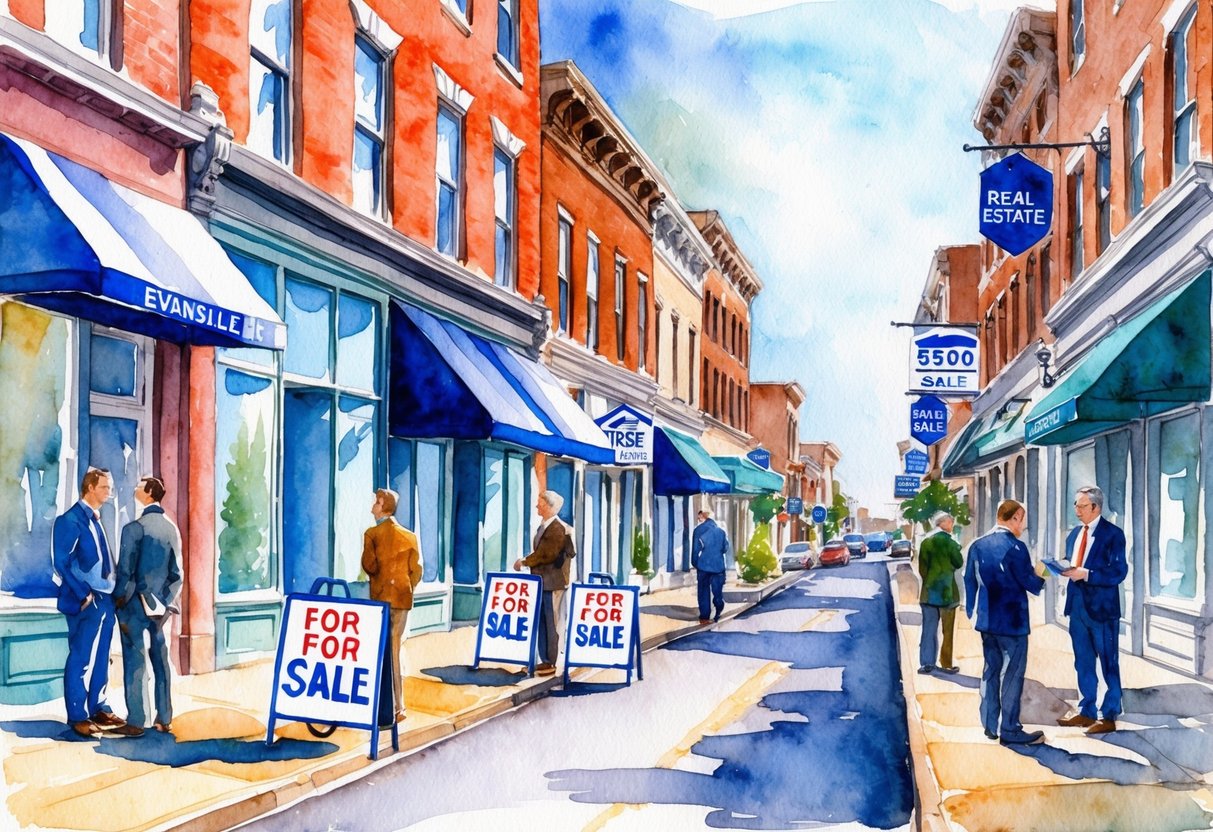
Investing in Evansville real estate requires careful financial planning. Let’s explore the key money matters you need to know to make smart investment choices in this market.
Tax Implications of Real Estate Investing
When investing in Evansville properties, I always consider the tax angle. Real estate can offer some great tax benefits.
For example, you can deduct mortgage interest, property taxes, and operating expenses from your rental income.
Depreciation is another powerful tax tool. It lets you write off the cost of your property over time, even as it may be appreciating in value. Clever, right?
But watch out for capital gains taxes when you sell. If you’ve owned the property for over a year, you’ll pay long-term capital gains rates, which are usually lower than your ordinary income tax rate.
Have you thought about using a 1031 exchange? This strategy lets you defer taxes by rolling profits into a new investment property.
Evaluating Loan Options
Choosing the right financing can make or break your investment. In Evansville, you’ll find various loan options to consider:
- Conventional mortgages
- FHA loans
- VA loans (if you’re eligible)
- Hard money loans for quick purchases
I always compare interest rates, down payment requirements, and loan terms. Don’t forget to factor in closing costs and fees.
Evansville’s real estate market offers diverse opportunities, so your loan choice should match your investment strategy. Are you buying to flip or for long-term rental income?
Remember, your credit score plays a big role in loan approval and rates. Keep it polished!
Return on Investment and Cash Flow Analysis
How do you know if an Evansville property is a good investment?
It’s all about the numbers. I always start with a thorough cash flow analysis.
Calculate your potential rental income and subtract all expenses:
- Mortgage payments
- Property taxes
- Insurance
- Maintenance costs
- Vacancy allowance
What’s left is your cash flow. Positive cash flow means money in your pocket each month.
To evaluate ROI, I use metrics like:
- Cap rate
- Cash-on-cash return
- Internal rate of return (IRR)
Evansville’s rental market has been showing promise. But remember, each property is unique.
Do your homework and run the numbers carefully.
Are you factoring in potential property appreciation? It can boost your overall returns, but don’t rely on it exclusively. Cash flow is king in real estate investing.