
Duluth, Minnesota - a hidden gem for real estate investors like you and me. I’ve seen many markets, but this one caught my eye. Why? The average home value in Duluth now stands at $263,691, marking a 6.2% increase over the past year. This growth is impressive, isn’t it?
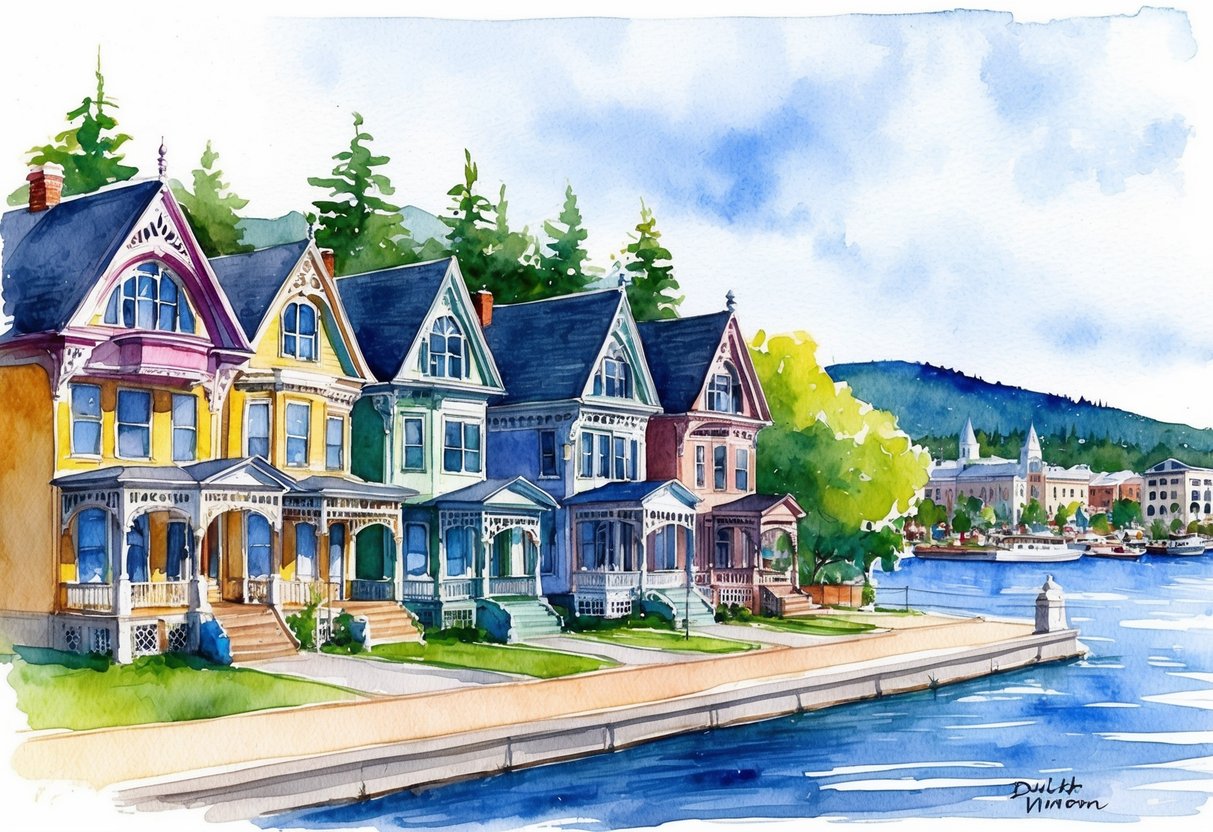
Duluth’s economy is diverse, driven by healthcare, education, and tourism. Big employers like Essentia Health and the University of Minnesota Duluth provide stability. But what really excites me is the affordable housing and historic properties available here. It’s a perfect mix for savvy investors.
Have you ever considered the potential of a market where homes go pending in just 5 days? That’s Duluth for you. The city’s real estate market is highly desirable, offering opportunities for both residential and commercial investments. Are you ready to explore what Duluth has to offer?
Key Takeaways
- Duluth’s real estate market shows strong growth with rising home values and quick sales.
- The city offers a mix of affordable housing and historic properties for diverse investment strategies.
- Duluth’s stable economy and desirable market conditions create promising opportunities for real estate investors.
Understanding the Duluth, MN Real Estate Market
I’ve been keeping a close eye on Duluth’s real estate scene, and let me tell you, it’s an interesting market. Did you know the average home value in Duluth is $263,691? That’s a 6.2% jump from last year!
What’s catching my attention is how quickly homes are moving. Properties in Duluth are typically going pending in about 5 days. That’s lightning fast, folks!
Here’s a quick snapshot of the Duluth market:
- Population growth: Steady increase over the past decade
- Housing demand: Strong
- Market competitiveness: Somewhat competitive
I’m seeing a mix of opportunities here. The city’s strategic location on Lake Superior adds to its appeal. Plus, there’s ongoing revitalization projects that could boost property values.
For those looking to invest, Duluth offers:
- Affordable housing options
- Historic properties with character
- Commercial investment possibilities
But here’s a question to ponder: With homes selling so quickly, how can you position yourself to snag the best deals?
Remember, in real estate, timing is everything. The Duluth market is moving, and it’s moving fast.
Types of Properties in Duluth
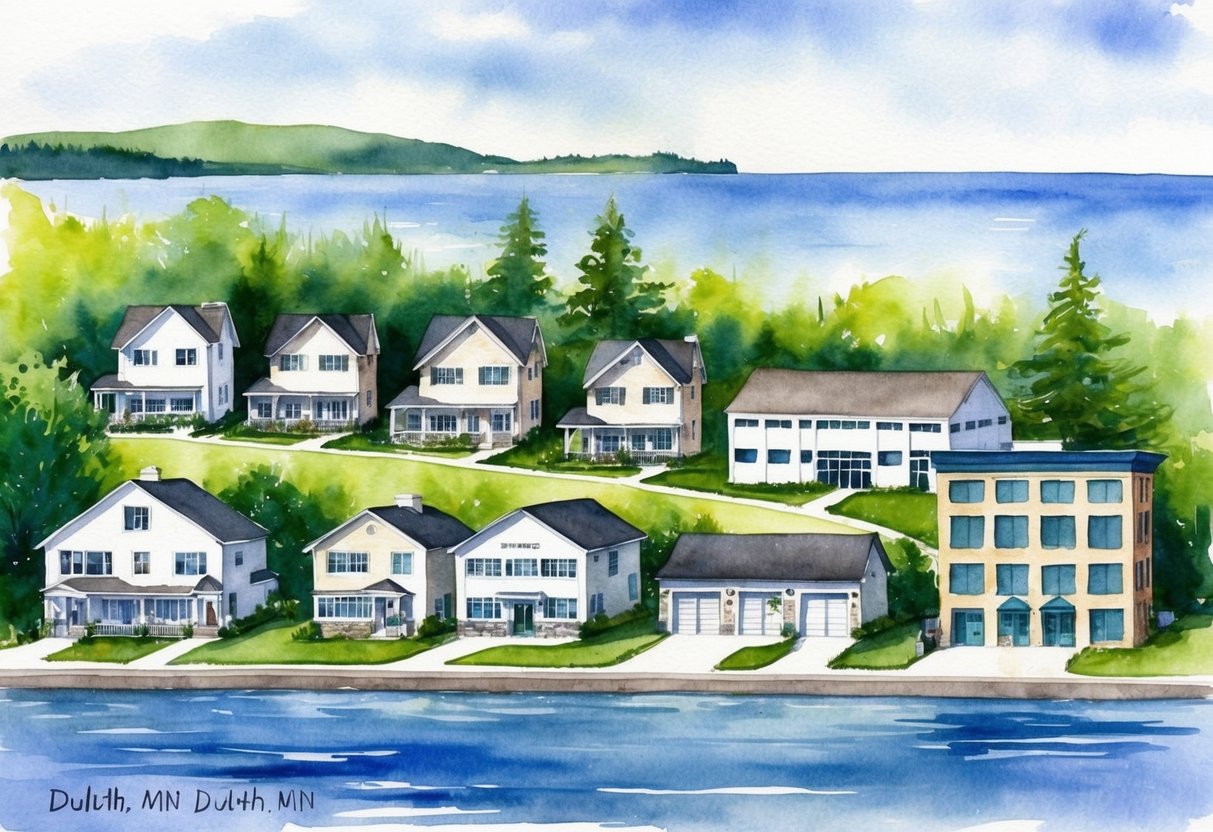
Duluth offers a diverse range of real estate options for savvy investors. From cozy single-family homes to lucrative multi-family buildings and charming vacation rentals, there’s something for every investment strategy.
Single-Family Homes
Duluth’s single-family home market is ripe with opportunity. These properties often appeal to families and long-term renters, providing stable income streams.
Many homes in Duluth feature 2 bedrooms and 2 bathrooms, a popular configuration for renters and buyers alike.
I’ve found that single-family homes in Duluth typically sell for around $263,691. This price point allows for decent cash flow potential when rented out. Plus, the appreciation potential is strong, with values rising 6.2% in the past year.
Are you considering a fixer-upper? Duluth has plenty of older homes that could benefit from some TLC. With the right renovations, you could boost both rental income and property value.
Multi-Family Residences
Multi-family properties in Duluth can be goldmines for investors. These buildings offer multiple income streams under one roof, spreading out your risk. From duplexes to small apartment complexes, the options are varied.
Duluth’s strong rental market makes multi-family investing attractive. With a large student population from the University of Minnesota Duluth, there’s consistent demand for affordable housing.
I’ve noticed that many multi-family properties in Duluth are older buildings. This presents an opportunity to add value through renovations and modernization. By upgrading units, you can command higher rents and attract quality tenants.
Vacation Rentals
Duluth’s tourism industry makes vacation rentals an exciting investment option. The city’s stunning Lake Superior views and outdoor recreation draw visitors year-round. This creates a perfect environment for short-term rental success.
Airbnb and other vacation rental platforms have gained popularity in Duluth. Investors can capitalize on peak seasons, potentially earning more than traditional long-term rentals. However, it’s crucial to factor in higher turnover and management costs.
I recommend looking for properties near popular attractions or with unique features. A lakefront cabin or a charming downtown loft could command premium nightly rates. Remember to check local regulations regarding short-term rentals before diving in.
Investment Strategies for Duluth Real Estate
Duluth offers exciting opportunities for real estate investors. I’ve found several effective strategies that can help you build wealth in this market. Let’s explore some proven approaches to maximize your returns.
Buy and Hold
Buy and hold is a classic strategy that works well in Duluth. I’ve seen investors achieve great success by purchasing properties and renting them out long-term.
Why does this work so well here? Duluth has a strong rental market with steady demand from students, young professionals, and families. This creates a reliable income stream.
To succeed with buy and hold:
- Look for properties in popular neighborhoods near colleges or major employers
- Focus on multi-family units to boost cash flow
- Keep an eye out for undervalued properties with potential for appreciation
- Build equity over time through tenant rent payments
Are you ready to build long-term wealth? Buy and hold could be your ticket to financial freedom in Duluth.
Fix and Flip
For those who love a challenge, fix and flip can be incredibly rewarding in Duluth. I’ve watched savvy investors turn rundown properties into goldmines.
Duluth has many older homes ripe for renovation. The key is finding the right property at the right price. Here’s what I recommend:
- Look for homes in up-and-coming neighborhoods
- Estimate repair costs accurately - get multiple contractor bids
- Calculate your after repair value (ARV) conservatively
- Aim for at least a 20% profit margin
Remember, time is money in fix and flip. The faster you can complete renovations and sell, the better your returns will be.
Wholesaling
Wholesaling is a great way to get started in Duluth real estate with minimal capital. It’s all about finding great deals and connecting them with investors.
To succeed in wholesaling:
- Build a strong network of local investors
- Become an expert at finding off-market properties
- Develop a system for quickly evaluating deals
- Master the art of negotiation
I’ve seen wholesalers in Duluth make five-figure profits on a single transaction. Could you be next?
The key is adding value by finding deals others miss. Are you ready to put your hustle to work and start making money in Duluth real estate?
Analyzing Investment Opportunities
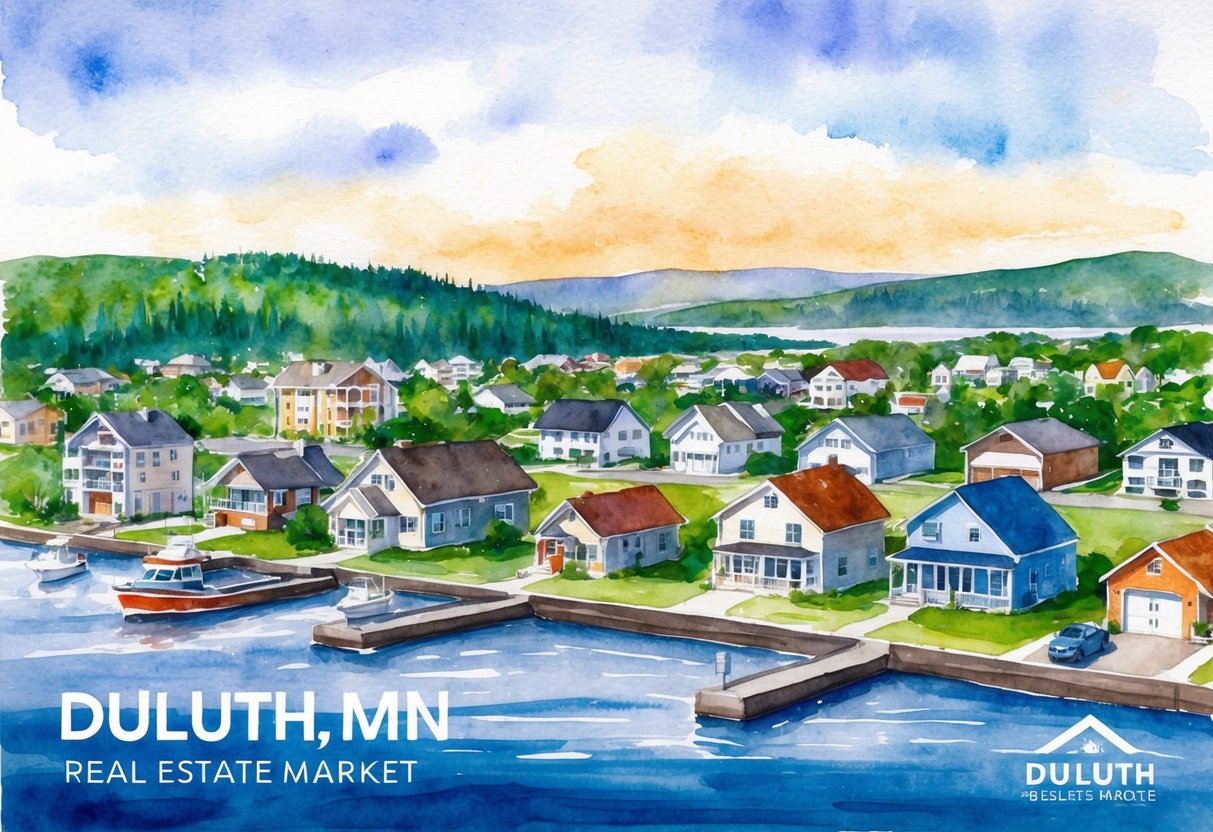
When I look at Duluth’s real estate market, I see potential. The city offers affordable housing and historic properties that catch my eye. But how do we turn these into profitable investments?
Let’s start with property prices. The median home value in Duluth is a key figure to watch. It gives us a baseline for what to expect when shopping for properties.
What about cap rates? This is where things get interesting. A good cap rate can make or break an investment. I always aim for properties that offer a healthy return on investment.
Here’s a quick checklist I use when analyzing Duluth properties:
- Location: Is it near major employers or the university?
- Condition: Will it need major repairs?
- Rental potential: What’s the local demand like?
- Future growth: Are there development plans in the area?
Remember, successful investing isn’t just about buying low and selling high. It’s about creating value. Can you improve the property? Can you tap into a niche market?
Duluth’s economy is driven by healthcare, education, and tourism. How can we leverage these sectors in our investment strategy?
I’ve found that properties near Essentia Health or the University of Minnesota Duluth often have strong rental potential. Have you considered targeting these areas?
The Purchase Process

Buying real estate in Duluth, MN involves several key steps. Let’s explore the financing options, legal considerations, and how to close the deal successfully.
Financing Options
When investing in Duluth real estate, I’ve found several financing routes worth considering. Traditional mortgages are common, but don’t overlook alternatives.
Have you thought about private money lenders? They can offer more flexibility than banks. I’ve seen investors use hard money loans for quick purchases, especially for fix-and-flip projects.
For those with good credit, FHA loans can be a game-changer. They often require lower down payments, making it easier to get into the market.
Here’s a quick breakdown of common financing options:
- Conventional mortgages: 20% down, good for long-term holds
- FHA loans: As low as 3.5% down, great for first-time buyers
- Private money: Fast funding, higher interest rates
- Hard money: Short-term, asset-based lending
Remember, each option has its pros and cons. What’s your investment strategy?
Legal Considerations
Navigating the legal landscape is crucial when buying property in Duluth. I always recommend working with a local real estate attorney. They know the ins and outs of MN property laws.
Did you know that Minnesota has specific disclosure requirements? Sellers must inform buyers about material facts affecting the property. This can save you from costly surprises down the road.
Contract review is non-negotiable. I’ve seen deals fall apart due to overlooked clauses. A skilled attorney can spot potential issues and protect your interests.
Key legal points to consider:
- Title searches to ensure clean ownership
- Zoning laws and land use restrictions
- Property tax assessments and potential increases
- Environmental regulations, especially near Lake Superior
Don’t skimp on due diligence. It’s your best defense against future legal headaches.
Closing the Deal
Closing on a property in Duluth is the final step in your investment journey. It’s where all the pieces come together. Are you prepared?
I always advise buyers to attend the closing in person. It gives you a chance to ask last-minute questions and ensure everything is in order.
Bring your ID, proof of insurance, and any required closing funds. The closing agent will guide you through signing the necessary documents.
Here’s what typically happens at closing:
- Review and sign loan documents
- Pay closing costs and down payment
- Receive keys and property deed
After closing, record the deed with St. Louis County. This officially transfers ownership to you.
Remember, patience is key. Closings can take a few hours. But once it’s done, congratulations! You’re now a Duluth property owner.
Managing Your Real Estate Investments
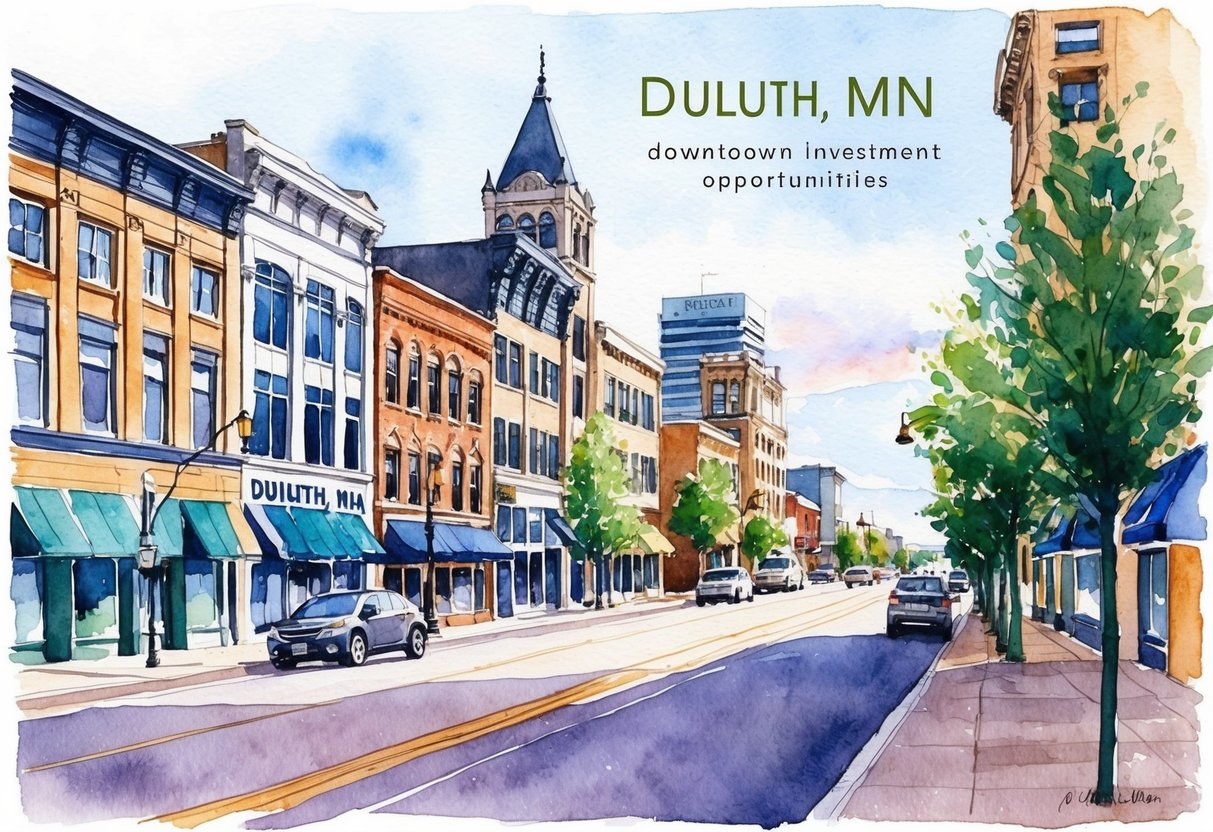
Real estate investing in Duluth, MN requires smart management to maximize returns. I’ve found that focusing on property management, strategic upgrades, and tax planning can make a big difference.
Property Management
Managing investment properties can be a full-time job. I always ask myself: Do I have the time and skills to handle it alone? If not, hiring a professional property management company might be the way to go.
These firms handle tenant screening, rent collection, and maintenance calls. They save me time and headaches. But they come at a cost - usually 8-12% of monthly rent.
For DIY management, I use software to track income and expenses. Regular property inspections are key. I also build a network of reliable contractors for repairs.
Good management boosts tenant satisfaction and retention. This means steady cash flow and fewer vacancies. Remember, happy tenants equal happy investors!
Strategic Upgrades
Smart upgrades can increase property value and attract better tenants. But what upgrades give the best bang for your buck?
In Duluth’s market, I focus on:
- Energy-efficient windows and insulation
- Modern kitchen appliances
- Fresh paint and flooring
- Updated bathrooms
These improvements often lead to higher rents and property appreciation. But don’t go overboard. I always run the numbers to ensure the upgrade cost makes sense for my investment goals.
Timing is crucial. I try to make major upgrades between tenants to minimize disruption. For occupied units, I offer incentives like rent discounts during renovations.
Tax Implications
Understanding tax rules can significantly boost your real estate investment returns. Are you taking advantage of all available deductions?
Common deductible expenses include:
- Mortgage interest
- Property taxes
- Insurance premiums
- Repairs and maintenance
- Travel expenses related to your property
Depreciation is another powerful tax benefit. It lets you deduct a portion of your property’s value each year.
I always consult with a tax professional who specializes in real estate. They help me navigate complex rules and maximize my deductions.
Consider setting up an LLC for your properties. It can provide liability protection and potential tax benefits. But weigh the pros and cons for your situation.
Comparing Duluth to Other Markets

When looking at real estate investing, it’s crucial to compare different markets. Let’s take a closer look at how Duluth stacks up against other Minnesota cities and investment strategies.
Duluth vs. Minneapolis
Duluth offers some unique advantages compared to Minneapolis. The average home value in Duluth is $263,691, which is significantly lower than Minneapolis. This lower entry point can be attractive for new investors or those looking to expand their portfolio.
I’ve noticed that Duluth’s market moves at a different pace. Properties in Duluth typically go pending in about 5 days, showing strong demand. Minneapolis, being a larger metro area, often sees faster-paced transactions and higher competition among buyers.
Rental markets differ too. Duluth’s student population from the University of Minnesota Duluth creates a steady demand for rentals. Minneapolis, with its larger job market, attracts more young professionals.
Duluth vs. Mankato
Comparing Duluth to Mankato reveals interesting contrasts. Duluth’s economy is more diverse, with healthcare, education, and tourism driving growth. Mankato, while smaller, has its own economic strengths.
I’ve found that Duluth’s real estate market offers more variety. You’ll find everything from historic properties to modern developments. Mankato’s market is generally more uniform.
Population trends are worth noting. Duluth has seen steady, if modest, growth. Mankato’s growth rate has been slightly higher in recent years. This could impact future demand and property values.
Traditional vs. Airbnb Investments
In Duluth, I’ve seen both traditional and Airbnb investments perform well, but each has its pros and cons.
Traditional rentals provide steady, predictable income. The student population ensures a consistent tenant pool.
Airbnb investments can be lucrative, especially given Duluth’s tourism draw. Properties near Lake Superior or downtown can command premium rates. However, occupancy can be seasonal, and management is more hands-on.
I’ve found that traditional rentals in Duluth often yield lower but more stable returns. Airbnb properties can produce higher income, but with more variability.
Your choice depends on your investment goals and risk tolerance.
Remember, local regulations can impact short-term rentals. Always check current rules before diving into the Airbnb market in Duluth.