
Davenport, Iowa might not be the first place that comes to mind for real estate investing, but it’s a hidden gem waiting to be discovered. I’ve been exploring this market, and I’m excited to share what I’ve found.
Did you know that Davenport is ranked #122 for real estate investment in Iowa? That’s a promising start.
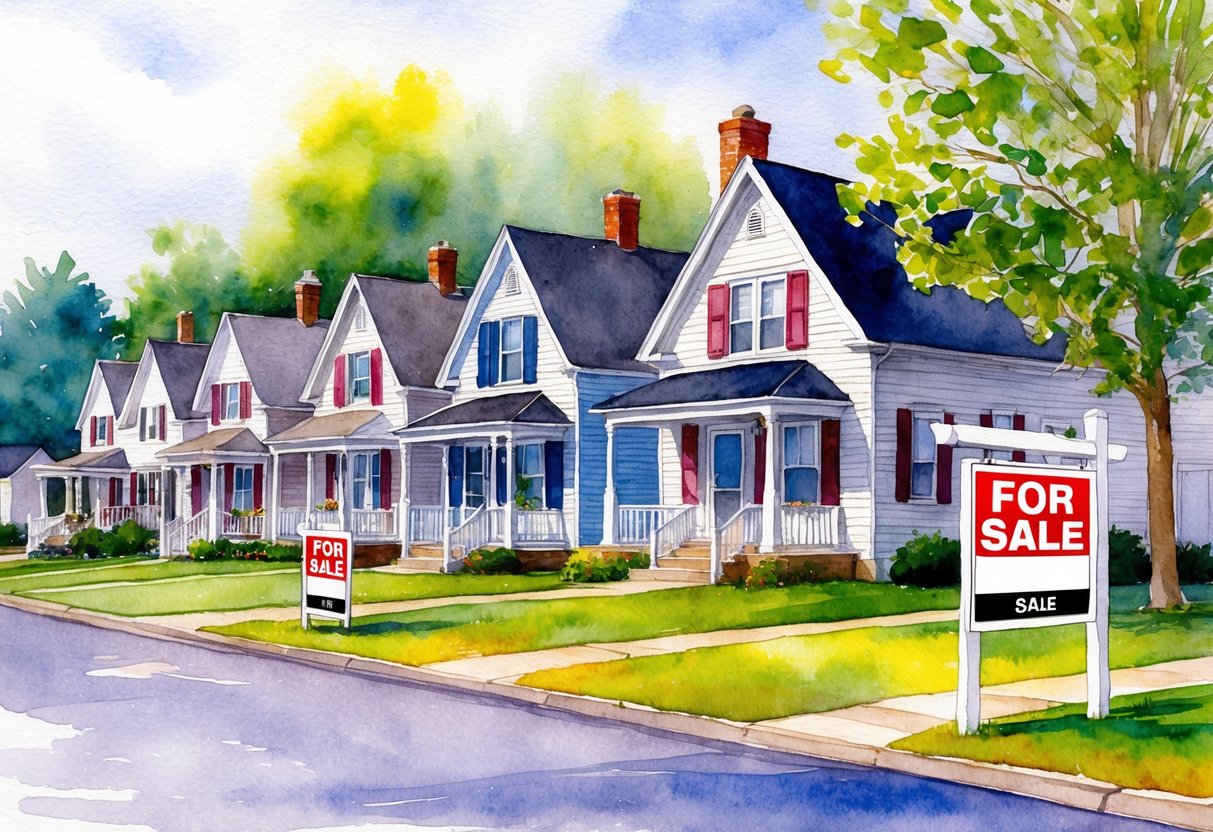
The Davenport housing market has shown resilience, with home values increasing by 1.9% over the past year. This steady growth caught my eye, and it might catch yours too.
Are you looking for a market that offers stability and potential? Davenport could be your answer.
But what makes Davenport special? For one, it’s part of the Quad Cities area, which means a diverse economy and a steady stream of potential renters or buyers. Plus, with over 9,000 off-market investment properties, there’s no shortage of opportunities for savvy investors like us.
Key Takeaways
- Davenport’s real estate market shows steady growth and resilience
- The city offers a diverse range of investment properties, from single-family homes to multi-unit buildings
- Networking with local real estate professionals can provide valuable insights and opportunities in Davenport’s market
Understanding the Davenport Real Estate Market
The Davenport real estate market offers promising opportunities for savvy investors. Let’s explore the current trends, neighborhoods, and price points that make this Iowa city an intriguing option for those looking to grow their wealth through property.
Current Market Trends
Davenport’s housing market is showing some interesting patterns. Home prices have seen a modest increase, with values up 2.6% over the past year. This steady growth suggests a stable market, perfect for long-term investments.
What’s driving this growth? I’ve noticed a few key factors:
- Low interest rates making mortgages more affordable
- A growing job market attracting new residents
- Limited housing inventory creating competition among buyers
These conditions are creating a seller’s market, where demand outpaces supply. For investors, this could mean quicker property flips and potential for higher returns on rentals.
Davenport’s Neighborhoods
Davenport boasts diverse neighborhoods, each with its own charm and investment potential. Here are a few areas I’ve been watching:
- Downtown: Urban living with historic charm
- East Village: Trendy area with growing property values
- Northwest Davenport: Family-friendly with good schools
When choosing a neighborhood for investment, I consider factors like:
- Proximity to amenities (schools, shopping, parks)
- Crime rates and safety
- Future development plans
Remember, the best deals often lie in up-and-coming areas. Look for neighborhoods showing signs of revitalization – they could be diamonds in the rough.
Median Price Overview
Understanding median prices is crucial for making informed investment decisions. In Davenport, the numbers tell an interesting story.
The median sale price of a home in Davenport was $183,000 as of last month. This represents a 5.2% decrease from the previous year. However, the price per square foot has increased by 2.5%, now sitting at $124.
What does this mean for investors?
- Lower entry prices could mean better cash flow potential
- Rising price per square foot suggests room for appreciation
I always advise looking beyond these numbers. Consider factors like:
- Days on market
- Price-to-rent ratios
- Local economic indicators
By digging deeper, you’ll uncover the true potential of Davenport’s real estate market.
Investment Property Analysis

Investing in Davenport real estate offers exciting opportunities. Let’s explore the types of properties available, how to evaluate their potential returns, and assess rental income possibilities.
Types of Investment Properties
In Davenport, we have two main categories of investment properties: traditional rentals and Airbnb rentals.
Traditional rentals are great for stable, long-term income. They’re perfect if you want reliable monthly cash flow.
Airbnb properties, on the other hand, can yield higher returns in popular areas. But they require more hands-on management. Have you considered which type suits your investment style?
For traditional rentals, I’d look at single-family homes or small multi-unit buildings. These are often easier to manage and attract long-term tenants.
Airbnb properties might include condos near downtown or unique houses that appeal to tourists. Location is key for short-term rentals.
Evaluating Cap Rates
Cap rates are crucial in assessing property value. They tell us the potential return on investment. In Davenport, I’ve seen cap rates ranging from 4% to 8%.
Here’s a simple formula: Cap Rate = (Net Operating Income / Property Value) x 100
Let’s break it down:
- A 4% cap rate: Lower risk, but potentially lower returns
- A 6% cap rate: Balanced risk and return
- An 8% cap rate: Higher potential returns, but possibly in less desirable areas
Remember, higher isn’t always better. It’s about finding the right balance for your risk tolerance and goals.
Assessing Rental Income Potentials
Rental income is the lifeblood of your investment. In Davenport, I’ve found average home values around $175,646. This can translate to solid rental income potential.
For traditional rentals, aim for monthly rent of about 1% of the property’s value. That’s roughly $1,750 for an average-priced home.
Airbnb rentals can vary widely. During peak seasons or events, you might charge $100-$200 per night. But occupancy rates fluctuate, so plan for that.
Don’t forget to factor in expenses:
- Property taxes
- Insurance
- Maintenance costs
- Property management fees (if applicable)
These can eat into your profits if you’re not careful. Always do your due diligence before investing.
Financial Considerations for Investors
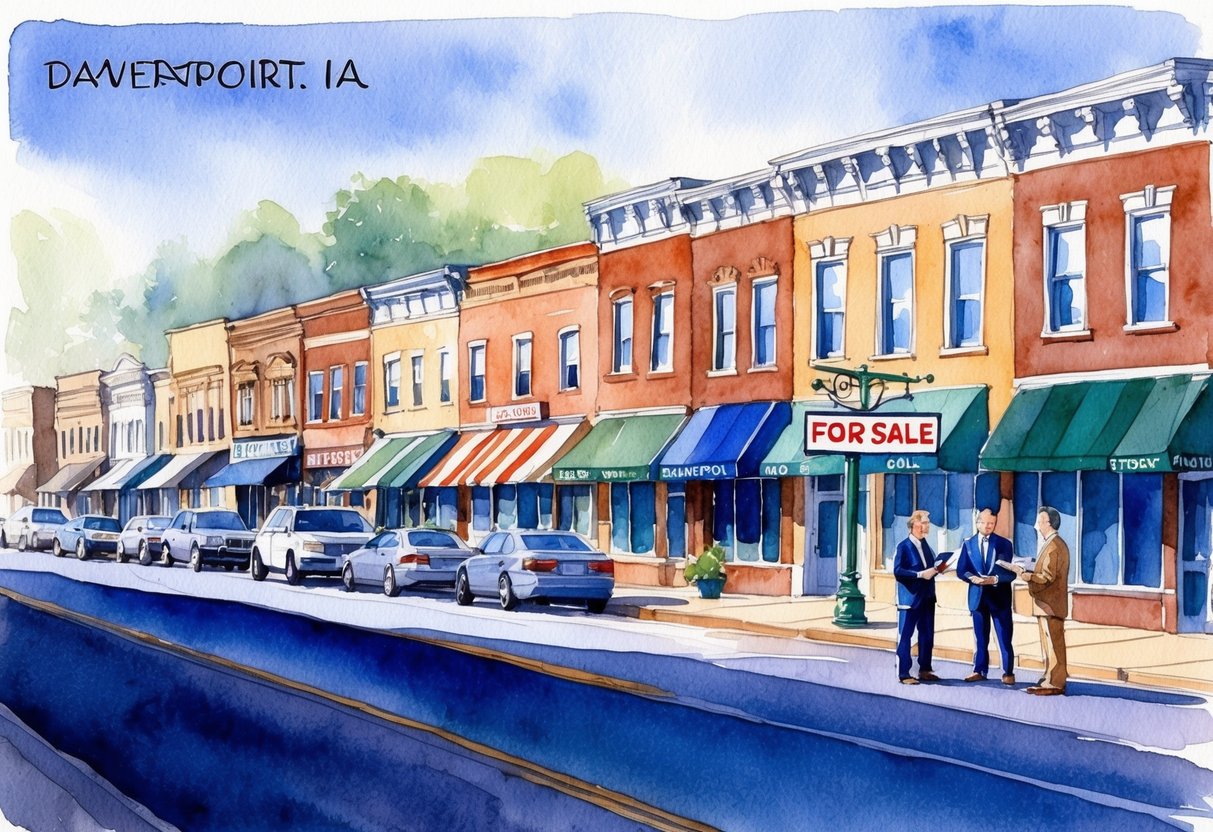
Investing in Davenport real estate requires careful financial planning. Let’s explore the key factors that can make or break your investment success.
Estimating Property Prices
When looking at property prices in Davenport, I’ve noticed some interesting trends. The average home value stands at $175,646 as of 2024, showing a 3.3% increase over the past year. This moderate growth suggests a stable market.
But here’s the kicker - one-bedroom homes have seen a whopping 25.2% price surge compared to last year. Why? It could be due to increased demand from young professionals or downsizing retirees.
To get the best deal, I recommend:
- Comparing prices across different neighborhoods
- Checking historical price trends
- Getting a professional appraisal
Remember, the goal is to buy low and sell high. So keep an eye out for undervalued properties with potential for appreciation.
Calculating Potential Return on Investment
When I evaluate an investment property in Davenport, I always start with the cap rate. It’s a simple yet powerful metric that helps me gauge potential returns.
Here’s how I calculate it:
- Net Operating Income (NOI) = Annual Rental Income - Operating Expenses
- Cap Rate = NOI / Property Price
For example, if a $200,000 property generates $20,000 in NOI:
Cap Rate = $20,000 / $200,000 = 10%
A good cap rate in Davenport typically ranges from 7-10%. But remember, higher cap rates often come with higher risk.
I also consider:
- Cash-on-cash return
- Appreciation potential
- Rental demand in the area
Don’t forget about the 11-day average selling time for Davenport homes. This quick turnover can be great for flipping properties.
Understanding Local Tax Implications
Taxes can make or break your real estate investment. In Davenport, property taxes are a significant consideration. The effective tax rate is higher than the national average, which can eat into your profits.
But here’s the good news - Iowa offers some tax benefits for real estate investors:
- Depreciation deductions
- Mortgage interest deductions
- Property tax deductions on federal returns
I always recommend consulting with a local tax professional. They can help you navigate:
- Property tax assessments
- Potential tax credits for property improvements
- Strategies to minimize your tax burden
Remember, smart tax planning can significantly boost your overall returns. Don’t overlook this crucial aspect of real estate investing in Davenport.
The Home Buying Process in Davenport

Buying a home in Davenport can be an exciting journey. It’s a chance to build wealth and secure your future. Let’s explore the key steps to make your dream of homeownership a reality in this vibrant Iowa city.
Searching for Hot Homes
Looking for that perfect home? Davenport’s market is full of opportunities. I’ve seen homes sell in just 11 days on average. That’s fast! So, how do you stay ahead?
Start by defining your must-haves. What’s non-negotiable for you? Location? Size? Price? Make a list.
Next, get pre-approved for a mortgage. This shows sellers you’re serious. It gives you an edge in a competitive market.
Don’t forget to explore different neighborhoods. Davenport has a mix of urban and suburban areas. Each offers unique benefits. Drive around. Get a feel for the community.
Consider working with a local real estate agent. They know the ins and outs of Davenport’s market. Their expertise can be invaluable.
Navigating Property Listings
Ready to dive into listings? Davenport’s real estate market is dynamic. Prices and availability change quickly. How can you keep up?
Use online platforms like Realtor.com. They offer up-to-date listings. You can filter by price, size, and features.
Pay attention to the details. Look at:
- Price per square foot
- Days on market
- Recent price changes
These can give you clues about a property’s value and desirability.
Don’t just rely on photos. Schedule viewings for properties that interest you. Nothing beats seeing a home in person.
Keep an open mind. Sometimes, a home that looks average online could be a hidden gem in real life.
Making an Offer
Found a home you love? It’s time to make an offer. But how do you make yours stand out?
First, understand the market. Davenport’s average home value is $175,646. Use this as a benchmark.
Consider including an escalation clause. This automatically increases your offer if someone outbids you. It can give you an edge in a hot market.
Don’t forget contingencies. These protect you if issues arise.
Common ones include:
- Home inspection
- Financing
- Appraisal
Be prepared for negotiation. The seller might counter-offer. Know your limits. What’s the highest price you’re willing to pay?
Act fast. In a competitive market, hesitation can cost you your dream home.
Have your finances in order. Be ready to move quickly when the right opportunity comes along.
Davenport’s Walkability and Transportation

Davenport offers a mix of walkable areas and car-dependent neighborhoods. The city’s layout impacts real estate investing opportunities in interesting ways.
Understanding Walk Score
Walk Score measures how easy it is to get around on foot. Davenport’s overall Walk Score is 42 out of 100, which means most errands require a car. But don’t let that fool you - some areas are much more walkable than others.
Downtown Davenport shines with a Walk Score of 84. That’s great news for investors eyeing properties in the heart of the city. Residents there can walk to most places they need to go.
Other neighborhoods vary widely.
I’ve found that areas closer to the Mississippi River tend to be more walkable. As you move further from the center, car dependence increases.
Accessibility to Amenities
How close are the things people need? That’s what accessibility to amenities is all about. In Davenport, it depends on where you look.
Downtown and nearby neighborhoods score well. Groceries, restaurants, parks - they’re all within easy reach. This makes these areas attractive for both residential and commercial real estate.
But what about other parts of the city? Here’s where it gets interesting:
- Some neighborhoods have pockets of high accessibility
- Others require a short drive to reach most amenities
- A few areas are quite isolated
For investors, this creates opportunities. Properties in highly accessible areas might cost more but could yield better returns. Less accessible spots might offer bargains but may need more effort to attract tenants or buyers.
Public transit in Davenport is limited, with a Transit Score of just 27. This means most residents rely on cars.
As an investor, I always consider parking when looking at properties here. It can be a make-or-break feature for many renters and buyers.
Real Estate Professional Insights
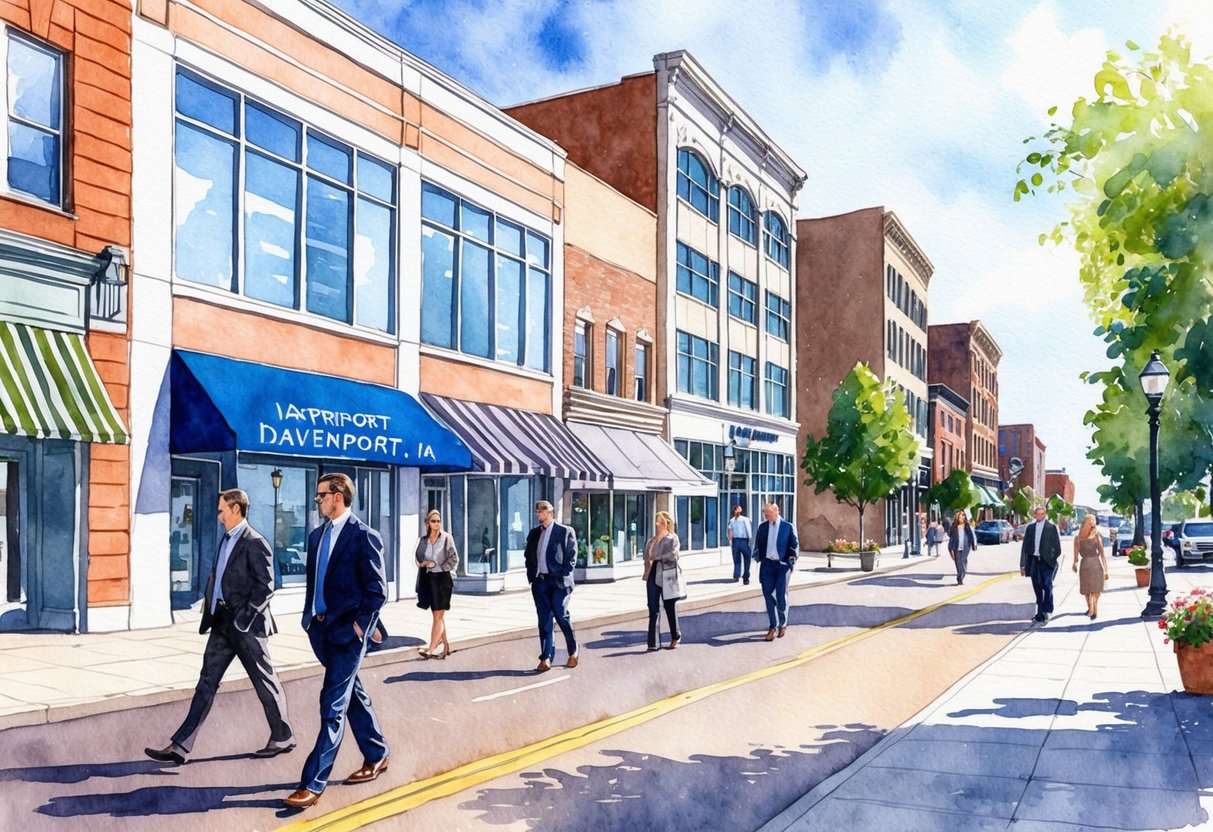
Working with experts and understanding local organizations can make a big difference in your Davenport real estate investments. Let’s look at two key aspects that can help you succeed.
Working with Real Estate Agents
I’ve found that partnering with the right real estate agent is crucial. These pros know the Davenport market inside and out. They can spot great deals before they hit the market. Isn’t that an advantage you’d like to have?
Agents also handle the nitty-gritty of transactions. This frees up your time to focus on strategy.
Look for an agent with experience in investment properties. They should understand cash flow, ROI, and renovation potential.
Remember, a good agent is more than just a door opener. They’re your eyes and ears on the ground. They can tell you which neighborhoods are up-and-coming and which to avoid. This local insight is priceless.
The Role of CREA in Davenport
The City of Davenport’s Real Estate Acquisition (CREA) program plays a unique role in the local real estate market.
It’s not just another government agency - it’s a potential goldmine for savvy investors.
CREA acquires and manages city-owned properties. This includes foreclosures and abandoned buildings.
Why should you care? Because they often sell these properties at bargain prices.
But here’s the catch - many of these properties need work.
Are you ready to roll up your sleeves? If so, you could turn a neglected property into a cash-flowing asset.
CREA also offers programs to encourage neighborhood revitalization. This could mean extra incentives for investors willing to improve properties in certain areas.