
Ever wonder why some investors just seem to pull ahead, while others are stuck grinding away? For years, I stuck to the classic advice—save, play the stock market, cross my fingers—but that nagging anxiety about retirement and my kids’ future never really faded.
When I started poking around real estate investing in Burlington, VT, I found a market packed with steady demand, lively neighborhoods, and chances for sturdy, reliable returns.
This city’s got a blend of classic New England charm and a constant stream of renters—thanks to the colleges nearby. Multi-family homes, condos, and single-family houses fill the listings, so you can pick an investment style that matches your comfort zone and long-term plans.
The range in housing and the strong rental market make Burlington a rare mix of stability and growth. Honestly, that’s tough to find these days.
What if you could use real estate to take more control of your financial future—and give your family a real leg up? Burlington’s possibilities stretch far past what you hear in the usual investment pitch.
With all the different neighborhoods and ongoing development, building wealth feels more possible here for anyone willing to ditch old-school advice and try something new.
Key Takeaways
- Burlington’s rental demand stays strong, and there’s real variety for investors.
- Neighborhoods show steady growth and future promise.
- Real estate here can hand you more control over your financial path.
Why Invest in Burlington VT Real Estate
Burlington, Vermont gives investors a mix of property types, steady rental demand, and lifestyle perks you won’t find everywhere. The area combines small-city convenience with solid economic footing, making it appealing if you’re tired of just betting on stocks.
Local Market Trends
When I look at Burlington’s real estate market, I see consistent price growth and low vacancy rates. Properties here keep their value, even when the national scene gets shaky.
The market’s got a mix—historic homes, updated apartments, and new units. That variety gives you flexibility to match your strategy to what’s happening right now.
Stats to watch:
- Steady price appreciation
- Stable rental income
- Not much new development, so demand stays ahead of supply
Rising demand for quality rentals is a real thing here, fueled by more renters and not enough housing. One market analysis points out that this leads to fewer vacancies and more predictable cash flow.
Unique Features of Burlington Vermont
What makes Burlington stand out? For starters, it’s surrounded by Lake Champlain and the mountains, but it’s also got a lively downtown and a tight-knit community feel.
People move here for the skiing, hiking, and farmers markets—lifestyle perks that keep rental demand high. Burlington’s neighborhoods blend old-school New England charm with modern touches.
You can walk to Church Street or bike along the lake. These local features pull in long-term renters and buyers who want both livability and convenience. Here’s more on Burlington’s diverse opportunities.
Economic Drivers in the Burlington Area
Burlington’s economy is surprisingly tough for its size. If you want steady tenants, you’ll find the University of Vermont, major hospitals, and a growing tech sector all fueling job growth and pulling in new residents.
Downtown supports loads of local businesses and restaurants. That economic mix keeps both commercial and residential demand strong.
Population growth—thanks to young professionals and retirees—helps vacancy rates stay low and rent collection steady.
Want to dig into why investors keep looking north? Here’s more on real estate investment growth in Burlington.
Types of Investment Properties in Burlington
I see real estate in Burlington, Vermont, giving investors all sorts of ways to build wealth and generate income. Each property type comes with its own set of perks, risks, and earning potential, depending on what you’re after.
Single-Family Homes
When I check out single-family homes in Burlington, I spot a stable and appealing choice for long-term growth. These places draw families and professionals who want a yard, parking, and more space than an apartment.
Single-family homes usually mean fewer maintenance headaches than bigger buildings. Buyers like them for their strong resale value.
The rental market’s solid, with demand from students, healthcare workers, and newcomers. If you’re not thrilled about managing lots of tenants or shared walls, single-family homes might be the right fit.
Prices for these investments run the gamut. That lets you pick something that matches your budget and your appetite for risk or repairs.
I also run into fewer hassles with city rules, since single-family rentals are common and familiar to local officials.
Multi-Family Units and Duplexes
Multi-family buildings and duplexes are where you find steady cash flow. These properties can give you two, three, or four rental incomes from one spot.
That steady rent stream helps cover lean months and acts as a financial cushion. If one unit sits empty, you still collect from the others.
Duplexes are big with first-time investors—they’re manageable, and lots of folks live in one unit while renting the other. In Burlington, I’ve seen people use this setup to cut their own housing costs while building equity.
Duplexes and multi-unit buildings usually cost more up front but can qualify for better loans, since lenders like predictable income.
For me, proper screenings, strong leases, and solid maintenance keep these investments running smoothly.
Condos and Townhouses
Condos and townhouses attract a different crowd than stand-alone homes. You’ll find these in walkable parts of Burlington, and they appeal to young professionals, students, and retirees who want a low-maintenance lifestyle.
I don’t stress about yard work or snow removal—condo associations handle most of it. These properties are usually cheaper than single-family homes, so they’re an easier entry point.
The range of condos and townhouses lets me decide how hands-on I want to be. But I always pay attention to HOA fees, special assessments, and rental limits.
Those can eat into returns if you’re not careful. Some investors skip condos, but I’ve seen the right building and location lead to great occupancy and solid rents.
I always check association rules and management strength before I jump in.
Popular Neighborhoods and Surrounding Areas
Burlington and its nearby towns each offer something different for investors who want to build long-term wealth. Some neighborhoods are all about stability and demand, while others surprise me with growth or lower buy-in costs.
Downtown Burlington
When I’m aiming for both cash flow and appreciation, downtown Burlington always gets my attention. This area draws renters—especially students, young professionals, and healthcare workers—because it’s close to UVM, restaurants, and the lake.
Prices here are higher, but vacancies stay low. Walkability is a huge selling point.
Parking’s a pain, so multi-unit buildings often have more value thanks to multiple leases.
Key factors to consider:
- High rental demand for 1-2 bedroom apartments
- Limited land keeps supply tight
- Nightlife and tech businesses boost appeal
Some buildings have real historic value, so you might land a unique property. Still, higher prices come with higher taxes and upkeep.
South Burlington and Essex
South Burlington’s a favorite for its schools, easy highway access, and community vibe. I see more families putting down roots here, which means less tenant turnover and more reliable rent payments.
Twin Oaks stands out for affordable condos and townhouses—great for first-time investors who aren’t ready for single-family homes. Check out more about South Burlington neighborhoods at vermontrealestatecompany.com.
Market highlights:
Factor
South Burlington
Essex
School rating
High
High
Entry price
Moderate to High
Moderate
Rental demand
Steady, family-focused
Growing among young professionals
Essex, just to the east, has slightly more affordable homes. It’s a quieter spot but is catching on with commuters and folks who want Burlington access without the city noise.
I notice more young families moving in, which usually means solid long-term value.
Colchester and Winooski
Colchester blends suburbia and lakeside living. Homes range from modest ranches to big waterfront properties.
Plenty of renters are professionals drawn by local employers or people who work in Burlington but want more space or access to Mallets Bay.
- Colchester’s taxes are reasonable, and new development is on the rise.
- Single-family and small multifamily properties are often more affordable than in Burlington proper.
- There’s a strong seasonal rental market near the lake.
Winooski, just north of Burlington, is changing fast. Its downtown has filled up with new restaurants and apartments.
Winooski attracts young professionals and investors who want a lower price per door and quick commutes. You can find more on these and other hotspots at Ark7’s Vermont investment guide.
My move in these towns? I hunt for older multi-units or single-family homes with good bones, since they offer real value when rents are climbing.
Student and University-Driven Real Estate Opportunities
Burlington’s big student population means steady demand for both apartments and single-family rentals. I see real chances here for investors looking for consistent tenants and solid turnover rates.
Near University of Vermont (UVM)
The University of Vermont draws over 10,000 students, making it one of the state’s biggest colleges. Properties close to campus are always in high demand.
Parents want safe, reliable housing for their kids, so well-kept units near UVM get snapped up fast. I’ve noticed that pre-leasing is common—many apartments are spoken for before the previous tenants even move out.
This keeps vacancies low and cash flow steady. I usually target multi-unit buildings because the student rental market supports higher per-room rents than what single-family homes tend to bring in.
Landlords here often structure leases from June to May to match UVM’s academic calendar. That timing makes summer renovations or updates easier to plan.
For a wider look at Burlington’s real estate market, check out this Burlington, VT rental overview.
Key features for UVM rentals:
- Walkable locations (within one mile)
- Laundry in-unit or onsite
- Reliable internet and utilities included
Properties Close to Champlain College
Champlain College is smaller but still drives strong rental demand. I focus on updated apartments, since Champlain students usually want modern amenities.
Will demand for these rentals suddenly dry up? I doubt it—Champlain’s tech and business programs keep attracting new students, many with support from their families.
Studio and one-bedroom units near Champlain appeal to both students and young professionals. Flexibility helps—a two-bedroom can often rent to two students at a premium.
Noise rules around Champlain are strict, so the area stays pretty stable. Investors here often see fewer issues with parties or out-of-control tenants than you’d find near big state schools.
What I look for around Champlain College:
- Newer appliances and modern interiors
- Off-street parking if possible
- Security measures like good lighting and keyless entry
Affordability and Rental Market Analysis
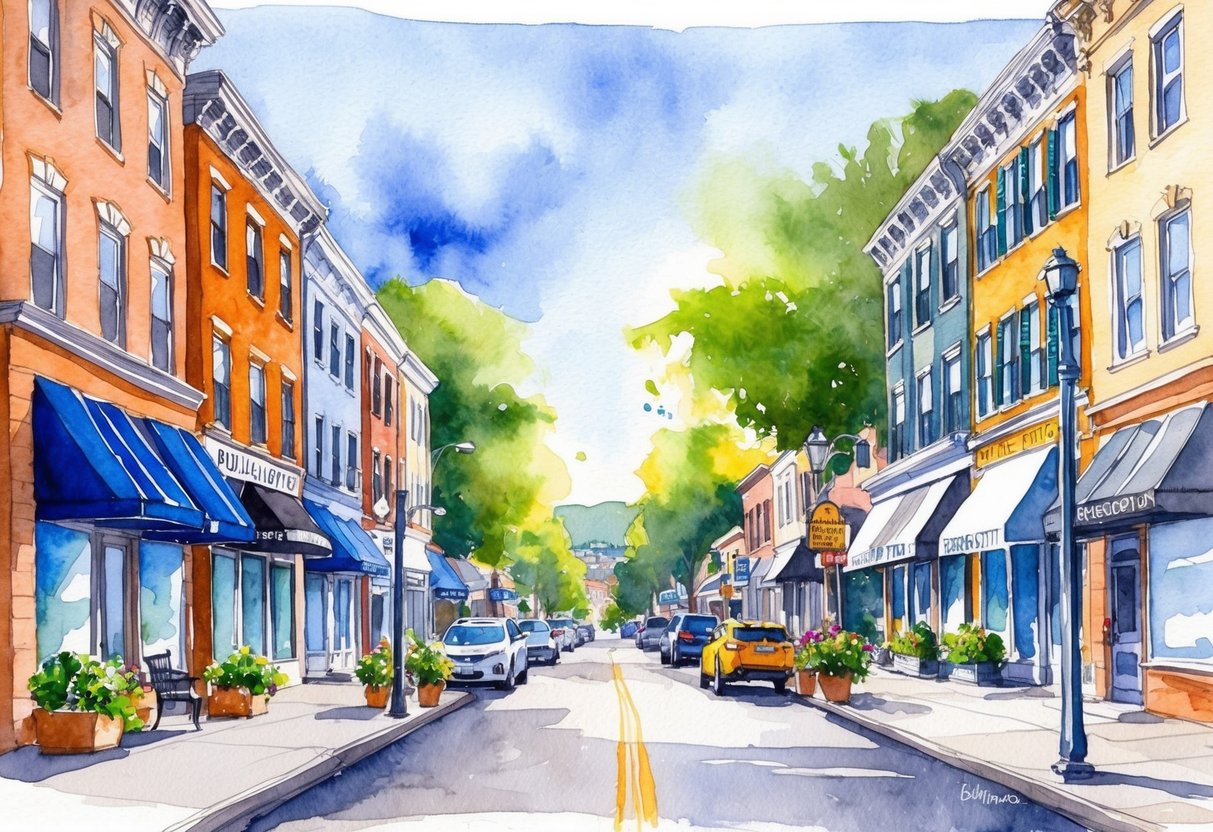
Rising property values, faster rental turnover, and more demand are shaping Burlington’s rental scene. If you’re after stable cash flow and equity growth, you’ve got to keep tabs on the local market.
Rent Pricing and Trends
Ever wonder why Burlington rents just keep going up? It’s mostly supply and demand. With limited housing stock, prices have climbed, squeezing both renters and landlords.
Median rents stay above the state average, especially for one- and two-bedroom units. Investors notice that available apartments rarely sit empty—vacancy rates are low, which is a good sign for landlords.
Burlington’s fast turnover means properties don’t sit vacant long. That makes steady cash flow a lot easier to count on.
State policies now require energy efficiency and safety upgrades, which can raise up-front costs. Still, rent growth helps offset those expenses.
If you want to see some hard numbers, check out Burlington’s current housing metrics.
Demand from Young Professionals and Students
What keeps Burlington’s rental demand so strong? The universities and a growing job market. The University of Vermont and Champlain College bring in a steady stream of students.
Over 30% of the city’s population is made up of students and young workers. I see the highest demand in neighborhoods near campuses and downtown—walkability is huge.
Young professionals come for tech jobs, healthcare, and Burlington’s food scene. They want convenience, so updated kitchens, in-unit laundry, and flexible leases command higher prices.
Multi-unit properties often work well here, letting investors serve groups of tenants and boost monthly income. Population growth and job opportunities should keep demand high for a while.
If you want more detail, here’s a detailed rental analysis that’s worth a look.
Major Developments and Notable Communities
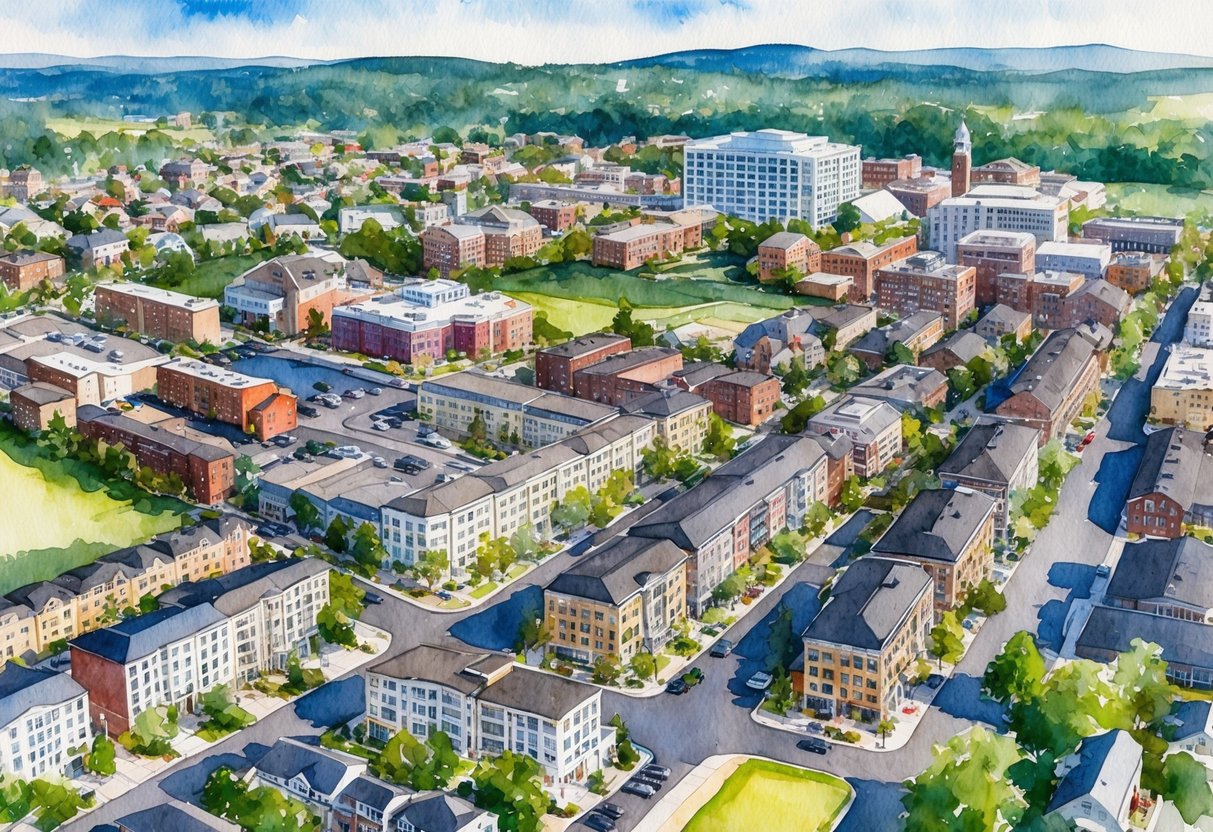
New housing projects in Burlington are popping up, offering modern options and more chances for investors. These neighborhoods aren’t just about new homes—they’re changing how people live and build wealth.
Hillside at O’Brien Farm
When I think about Burlington’s redevelopment, Hillside at O’Brien Farm really pops out. This spot has energy-efficient townhomes and single-family homes with open floor plans, attached garages, and high-end finishes.
It’s just minutes from downtown and close to major employers, which makes daily life simpler. Investors will notice Hillside’s newer construction lowers maintenance costs.
Renters here want comfort, value, and community perks. With green spaces, trails, and family-friendly features, it’s easy to see why demand stays steady.
Not many places offer both privacy and a neighborhood feel. If you’re after curb appeal and long-term potential, Hillside deserves a closer look.
Lake Champlain Waterfront Properties
Ever dreamed of owning a slice of shoreline? Lake Champlain waterfront properties are some of the most coveted in Vermont.
These homes come in all shapes and sizes, from snug cottages to sprawling luxury estates. Most offer either direct lake views or private access—sometimes both, if you’re lucky.
Buyers flock to real estate on the lake, chasing both recreation and investment. Seasonal rentals can pull in solid income, especially when summer rolls around.
There just aren’t that many waterfront lots left—plain old supply and demand at work. Maybe that’s what makes them feel a little extra special.
You could branch out into short-term vacation rentals or try long-term leasing. The lifestyle here is something else: boating, sunsets, and a prime spot just minutes from the city.
Honestly, that mix is tough to beat.