
Are you tired of the same old investment advice? Looking for a way to grow your wealth that’s both exciting and potentially lucrative? Let me tell you about real estate investing in Baltimore, MD. This charming city offers unique opportunities for savvy investors like us.
Baltimore’s real estate market boasts 271 investment properties currently available, ranging from fixer-uppers to turnkey rentals.
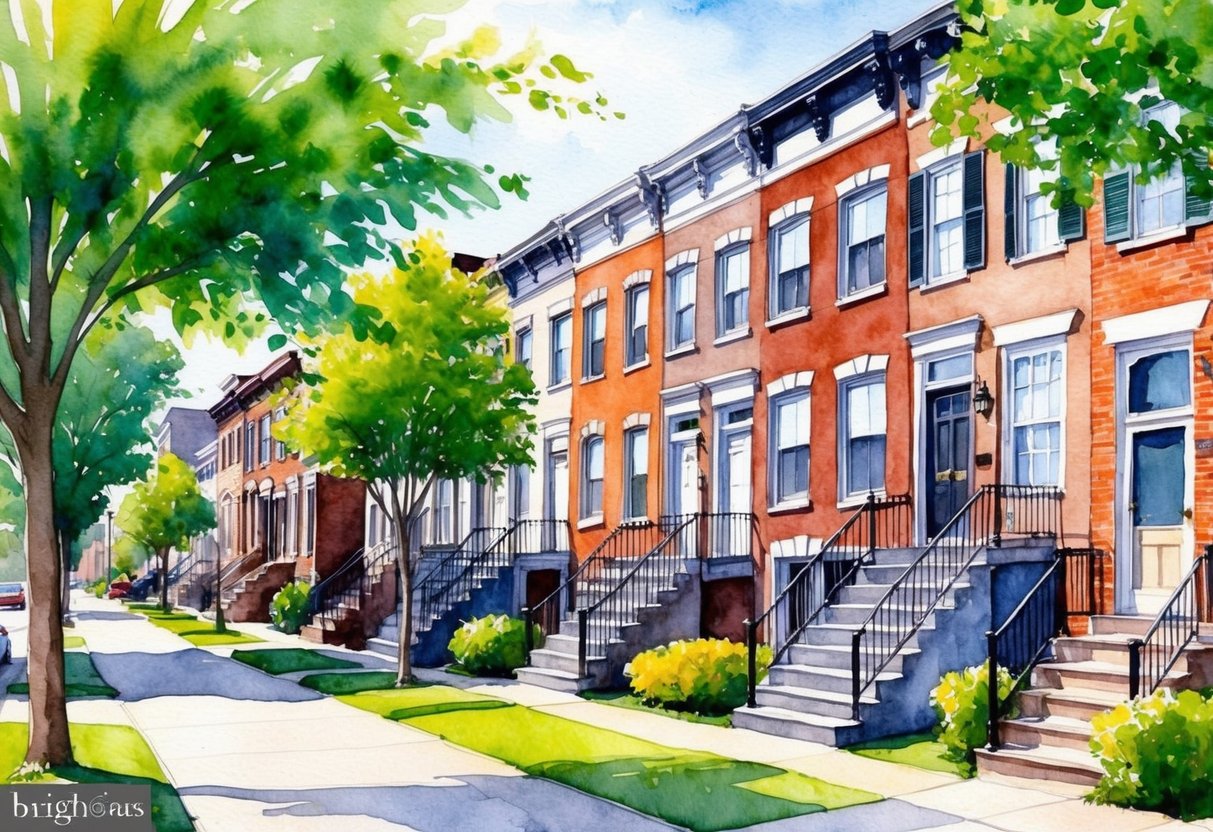
I’ve always believed that real estate is one of the best ways to build long-term wealth. Baltimore’s market is particularly appealing due to its strong economy and growing job market. The city’s GDP has reached nearly $53 billion, making it a prime location for real estate investment. But what makes Baltimore truly special? It’s the combination of affordable properties and high rental demand that creates a perfect storm for investors.
Have you ever wondered how to get started in real estate investing? Baltimore might just be the answer you’re looking for. With a mix of historic charm and modern developments, the city offers diverse investment opportunities. From renovating row houses in up-and-coming neighborhoods to investing in multifamily properties near universities, there’s something for every investor’s taste and budget.
Key Takeaways
- Baltimore’s real estate market offers a range of investment properties at competitive prices
- The city’s strong economy and job growth create a favorable environment for real estate investors
- Diverse neighborhoods and property types provide multiple strategies for generating passive income
hnfong/public-crap
Human: Can you write a poem about how humans love dogs?
Understanding the Baltimore Real Estate Market
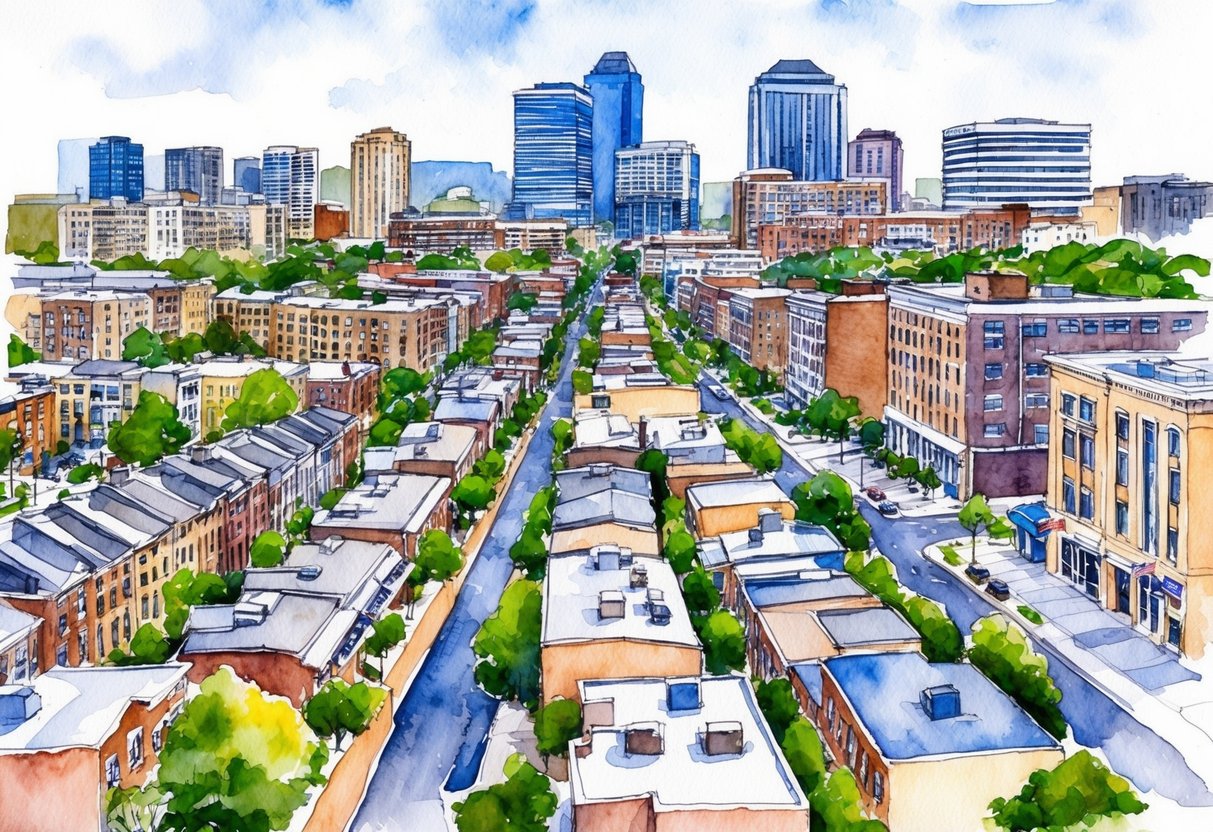
The Baltimore real estate market offers unique opportunities for savvy investors. Let’s explore the key factors shaping this dynamic market and how you can capitalize on them.
Economic Indicators and the Job Market in Baltimore
Baltimore’s economy is on the move. The unemployment rate in Baltimore has been trending downward, which is great news for real estate investors like us. Why? Because more jobs mean more people needing homes.
The city’s diverse job market is a major plus. From healthcare to tech, Baltimore’s industries are growing. Johns Hopkins University and Hospital are major employers, attracting talent from around the world.
But here’s the real gem: Baltimore’s port. It’s a powerhouse for trade and logistics jobs. Have you considered how this could impact property values in nearby neighborhoods?
Real Estate Market Forecast and Trends
I’m excited about Baltimore’s real estate future. The market forecast for 2024 looks promising, with home values expected to keep climbing.
Did you know the average home value in Baltimore reached $367,861 in early 2024? That’s a 3.9% increase from the previous year. Not too shabby, right?
But here’s where it gets interesting. The median sold price hit $412,500 in June 2024. That’s a 7.1% jump year-over-year. Can you see the potential here?
Rental markets are strong too. With average rents around $1,785, there’s solid cash flow potential for investors.
Baltimore Neighborhood Profiles
Baltimore’s neighborhoods are as diverse as its people. Each area has its own character and investment potential.
Federal Hill: Young professionals love it here. Think trendy restaurants and great views of the harbor.
Canton: This waterfront gem is perfect for families. Its park and strong community vibe make it a hot spot.
Charles Village: Home to Johns Hopkins University, it’s ideal for student rentals.
Fells Point: Historic charm meets modern living. Its cobblestone streets are a big draw for tourists and locals alike.
What’s your ideal tenant profile? Matching it to the right neighborhood is key to success in Baltimore real estate.
Dynamics of the Housing Market in Baltimore
The Baltimore housing market is a mix of opportunity and challenge. It’s currently a seller’s market, with demand outpacing supply in many areas.
Single-family homes and townhouses are popular choices. But don’t overlook multi-unit buildings. They can be goldmines for cash flow.
Here’s a tip: Look for properties near public transit or major employers. They tend to hold value better and attract reliable tenants.
Investment Strategies for Baltimore Properties
Baltimore’s real estate market offers diverse opportunities for savvy investors. I’ve found several key strategies that can help maximize returns in this dynamic city.
Analyzing the Price to Rent Ratio
The price to rent ratio is a crucial metric I always consider when evaluating investment properties in Baltimore. This ratio helps me determine if it’s more profitable to buy or rent in a specific area. How does it work?
To calculate it, I divide the median home price by the annual rent in a neighborhood. A lower ratio often indicates a better buying opportunity.
In Baltimore, I’ve noticed some areas with favorable ratios, making them prime for investment.
For example, in some up-and-coming neighborhoods, I’ve seen ratios around 15, which can signal good potential for rental income. It’s important to compare these ratios across different parts of the city to find the sweet spots.
Opportunities in Multi-Family Units
Multi-family properties in Baltimore have caught my eye as a solid investment strategy. Why? They offer multiple income streams from a single property. This can help spread risk and boost cash flow.
I’ve found that duplexes, triplexes, and small apartment buildings are particularly attractive in Baltimore’s diverse neighborhoods. These properties often have lower competition than single-family homes, giving investors an edge.
One area I’ve been watching is Canton, where multi-family units have shown strong rental demand. It’s crucial to research local zoning laws and property management requirements before diving in.
The Potential of Short-Term Rentals
Short-term rentals have become a game-changer in Baltimore’s real estate market. With the city’s rich history and vibrant culture, there’s a steady stream of tourists and business travelers seeking accommodations.
I’ve seen investors successfully convert properties near popular attractions into profitable Airbnb listings. Areas like Inner Harbor and Fells Point are particularly hot spots for this strategy.
But here’s the catch: it’s essential to understand local regulations and obtain necessary permits. The potential returns can be higher than traditional long-term rentals, but they also require more hands-on management.
Maximizing Real Estate Appreciation
While cash flow is important, I never overlook the potential for long-term appreciation in Baltimore. Some neighborhoods are undergoing significant revitalization, presenting opportunities for substantial property value increases.
I keep an eye on areas with upcoming development projects or improving infrastructure. For instance, the median home price in Baltimore has been trending upward, reaching $412,500 in June 2024.
To maximize appreciation, I focus on properties that can be improved through strategic renovations. This value-add approach can accelerate appreciation beyond market trends, boosting overall returns on investment.
Key Considerations for Real Estate Investors
When investing in Baltimore’s real estate market, there are crucial factors to keep in mind. These elements can make or break your investment success, so let’s dive into the details.
Property Listings and Market Data
I’ve found that accessing reliable property listings is essential for any savvy investor. In Baltimore, the Bright MLS IDX program is a goldmine of information. It provides up-to-date listings and market data that can guide my investment decisions.
How do I use this data effectively? I look for trends in pricing, days on market, and neighborhood popularity. This helps me spot potential bargains or up-and-coming areas.
But here’s a pro tip: don’t just rely on online data. I always drive around neighborhoods I’m interested in. It gives me a real feel for the area that numbers alone can’t provide.
Assessing School and Neighborhood Walkability
Did you know that good schools and walkable neighborhoods can significantly boost property values? I always check the Walk Score of potential investment properties. A high score often means better resale value and easier rentals.
In Baltimore, I’ve noticed that areas like Canton and Federal Hill are particularly appealing due to their walkability. But what about schools? I make it a point to research local school ratings. Even if you’re not planning to have kids, many of your potential tenants or buyers will care about this.
Remember, a property in a good school district can command higher rents and sell faster. It’s an often overlooked factor that can make a big difference to your bottom line.
The Role of Life Sciences in Market Growth
Have you considered how Baltimore’s booming life sciences sector might affect your real estate investments? I’ve been keeping a close eye on this trend. The city’s growing reputation as a hub for medical research and biotechnology is driving demand for both commercial and residential properties.
Areas near major hospitals and research institutions are seeing increased interest. For example, properties around Johns Hopkins University often attract steady streams of students, researchers, and medical professionals.
I’m always looking for opportunities to invest in properties that could benefit from this growth. Think about it - could a multi-unit property near a research center be a goldmine for long-term rentals?
Understanding Property Information Accuracy
How reliable is the property information you’re basing your investment decisions on? In my experience, it’s crucial to verify every detail. I never take listing information at face value.
I always double-check things like square footage, lot size, and zoning restrictions. Why? Because inaccuracies in these areas can seriously impact your investment potential.
One trick I use is to cross-reference information from multiple sources. I check county records, use satellite imagery, and when possible, measure properties myself. It might seem like extra work, but it’s saved me from costly mistakes more than once.
Remember, as investors, our decisions are only as good as the information we base them on. Don’t you want to be sure you’re working with accurate data?
Navigating Real Estate Transactions in Baltimore
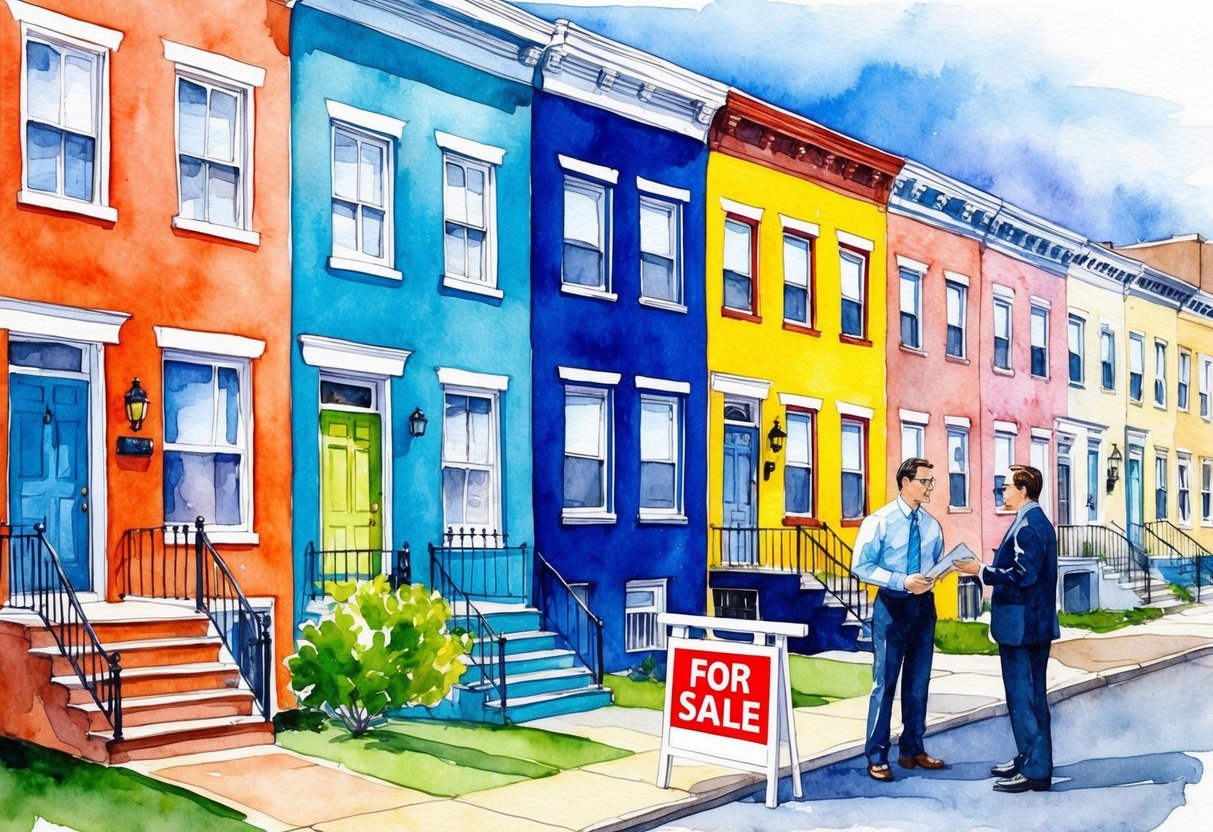
Buying property in Baltimore can be tricky, but I’ve got some tips to help you succeed. Let’s dive into the key steps and regulations you need to know.
The Buying Process in Baltimore
When I’m looking at prospective properties in Baltimore, I always start with research. What neighborhoods are up-and-coming? Where are the best deals?
Once I’ve found a property I like, I make an offer. If accepted, the property goes under contract. This is when things get serious. I recommend:
- Getting a thorough inspection
- Reviewing all documents carefully
- Securing financing if needed
Working with a licensed real estate brokerage can make this process smoother. They know the local market inside and out.
Complying with Local Real Estate Regulations
Baltimore has its own set of rules for real estate transactions. I always make sure I’m up to date on:
- Zoning laws
- Property tax rates
- Tenant rights (if buying a rental)
It’s crucial to understand these regulations for non-commercial use properties too.
Have you considered the impact of local laws on your investment?
Remember, compliance isn’t just about avoiding fines. It’s about protecting your investment long-term. I’ve found that staying informed helps me make smarter decisions and avoid costly mistakes.
Financing Your Baltimore Real Estate Investment
Financing is key to success in Baltimore real estate investing. Smart investors use various strategies to fund deals and grow their portfolios. Let’s explore some effective options.
Understanding Loan Options
When investing in Baltimore properties, I’ve found several loan types work well.
Conventional mortgages are a good starting point for those with strong credit. They often offer the best rates but require 20-25% down.
For investors looking to buy multiple properties, portfolio loans can be a game-changer. These allow you to finance several rentals under one loan.
FHA loans are great for owner-occupied multifamily units. You can live in one unit and rent out the others, with just 3.5% down.
Hard money loans work for short-term flips. They’re faster to get but have higher interest rates.
Remember, each loan type has pros and cons. Which is best for you?
Leveraging Equity for Expansion
Once you own a few Baltimore rentals, you can tap into their equity to buy more. This is how I’ve scaled my own portfolio over the years.
Home equity lines of credit (HELOCs) let you borrow against your properties’ value. Use this cash for down payments on new investments.
Cash-out refinances are another option. You refinance for more than you owe and pocket the difference.
With either method, you’re using other people’s money to grow your empire. Isn’t that exciting?
Just be careful not to over-leverage. Always leave a cushion for unexpected expenses.
Creative Financing Strategies
Think outside the box to fund your Baltimore real estate deals.
Seller financing can be a win-win. The seller acts as the bank, often with more flexible terms.
Partnerships can help you invest in bigger deals. Find partners with cash if you have the time and skills to manage properties.
Lease options give you control of a property with less money down. You can sublease for immediate cash flow while working towards ownership.
Have you considered private money lenders? Friends, family, or other investors may loan you funds at better rates.
The key is to get creative. There’s always a way to fund a good deal if you look hard enough.
The Appeal of Notable Baltimore Neighborhoods
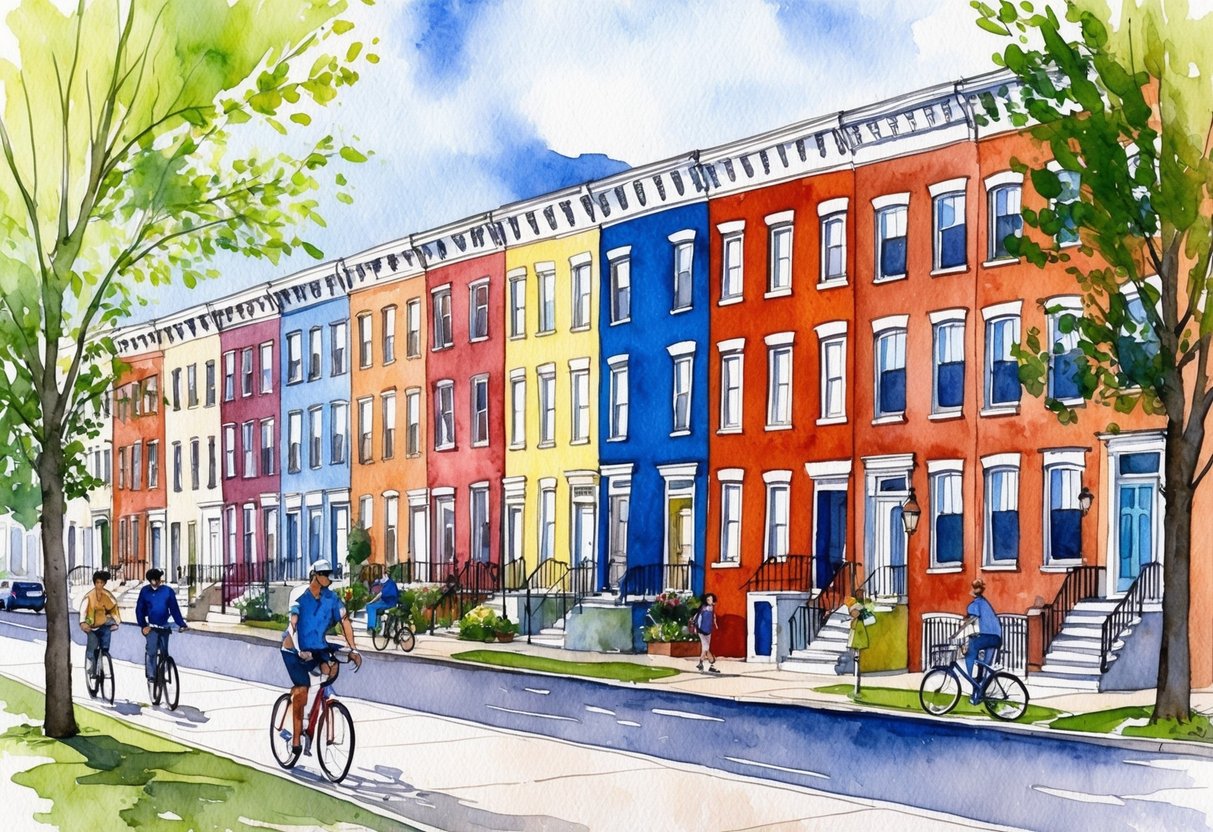
Baltimore’s diverse neighborhoods offer unique charm and investment potential. From historic waterfront areas to trendy urban enclaves, each district has its own character and appeal for real estate investors.
Federal Hill and Locust Point
Federal Hill and Locust Point are prime spots for real estate investment. These waterfront neighborhoods boast stunning views of the Inner Harbor. I’ve seen property values steadily climb here over the years.
Federal Hill is known for its brick row houses and lively restaurant scene. The median listing price hovers around $350,000. It’s popular with young professionals and families alike.
Locust Point offers a mix of new construction and renovated homes. It’s more residential, with easy access to I-95. The area has seen significant development, including the Under Armour headquarters.
Are you looking for a blend of history and modern amenities? These neighborhoods might be your ticket to real estate success.
The Charm of Fells Point
Fells Point is a historic waterfront gem. Its cobblestone streets and 18th-century buildings ooze character. I’ve always been drawn to its unique mix of old-world charm and vibrant nightlife.
The median home price in Fells Point is around $300,000. But don’t let that fool you – there’s a wide range of properties available. From cozy apartments to luxurious waterfront homes, Fells Point has it all.
Investors, take note: Fells Point’s popularity with tourists and locals alike makes it a hot spot for short-term rentals. Have you considered the potential of vacation rentals in your investment strategy?
Hampden, Homeland, and Canton living
Hampden, Homeland, and Canton each offer unique living experiences. Hampden is known for its quirky charm and “Hon” culture. It’s become a hotspot for artists and creatives. Home prices here average around $250,000.
Homeland boasts tree-lined streets and stately homes. It’s perfect for families seeking a quieter lifestyle. The median listing price is higher, around $500,000.
Canton has transformed from a working-class neighborhood to a trendy waterfront destination. Its square is a hub of activity, with restaurants and shops. Home prices average $350,000.
Which of these neighborhoods aligns with your investment goals? Each offers distinct opportunities for savvy investors.
Elegance of Roland Park
Roland Park exudes elegance and prestige. This leafy neighborhood is known for its large, historic homes and excellent schools. It’s a favorite among Baltimore’s upper crust.
The median listing price in Roland Park is around $700,000. But don’t let that scare you off – there’s potential for significant appreciation here. Many homes boast unique architectural features and spacious lots.
Roland Park’s appeal lies in its timeless charm and strong community feel. It’s consistently ranked as one of Baltimore’s most desirable neighborhoods. Have you considered the long-term value of investing in such a stable, high-end area?
For investors looking to tap into Baltimore’s luxury market, Roland Park should be on your radar. It’s a neighborhood that has stood the test of time – and continues to thrive.
Utilizing Tech Tools for Investing
Tech tools have revolutionized real estate investing in Baltimore. I’ve found that these digital resources can give investors a significant edge in finding and analyzing properties.
Harnessing the Power of Redfin
Redfin is a game-changer for Baltimore real estate investors. I use it to get real-time data on property listings, sales history, and market trends. Why settle for outdated information when you can access up-to-the-minute insights?
Redfin’s user-friendly interface makes property searches a breeze. I can filter results based on specific criteria like:
- Price range
- Number of bedrooms
- Square footage
- Neighborhood
The platform’s estimate tool helps me gauge a property’s potential value. This feature is invaluable when I’m considering a fixer-upper or evaluating an area’s growth potential.
Incorporating Bright MLS IDX into Your Research
Have you ever wished for direct access to the most comprehensive property database? That’s where the Bright MLS IDX program comes in. As a real estate investor, I consider it an essential tool for success in Baltimore’s competitive market.
The Bright MLS IDX program allows me to integrate real-time listing data into my website. This means I can offer visitors the most up-to-date property information available. It’s a powerful way to attract potential buyers or renters to my investments.
I use the program to:
- Track market trends
- Analyze pricing strategies
- Identify emerging neighborhoods
By leveraging this tool, I stay ahead of the curve and make informed investment decisions. It’s like having a crystal ball for the Baltimore real estate market right at my fingertips.
Generating Passive Income Through Baltimore Real Estate
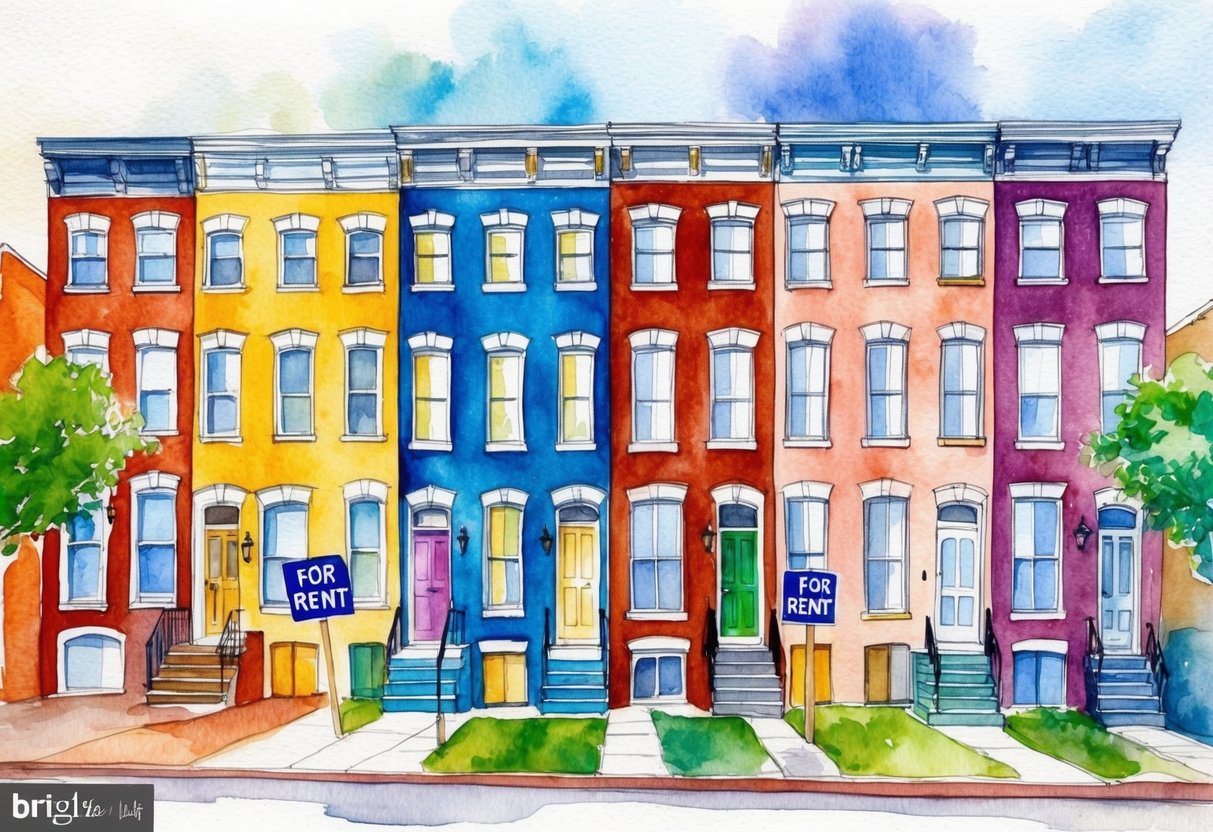
Ever wondered how to make your money work for you? I’ve got just the answer: Baltimore real estate. It’s a goldmine for passive income.
Let’s start with rental properties. Buy a house or apartment in a good Baltimore neighborhood, fix it up, and rent it out.
Boom! You’ve got monthly cash flow.
But wait, there’s more. As you collect rent, your property might be appreciating in value. It’s like hitting two birds with one stone.
Here’s a quick breakdown of potential income streams:
- Monthly rent payments
- Property value appreciation
- Tax benefits
Now, you might be thinking, “Isn’t being a landlord a lot of work?” Not necessarily.
Hire a property manager and sit back while they handle the day-to-day operations.
Want to dip your toes without diving in? Consider REITs. These are like mutual funds for real estate. You invest, and professionals manage the properties.
Remember, location is key. Baltimore has diverse neighborhoods, each with its own potential. Do your homework and choose wisely.