
Are you tired of the stock market rollercoaster? Looking for a solid investment that can provide both steady income and long-term growth? Asheville, North Carolina might just be the answer you’ve been searching for.
This charming mountain city has become a hotspot for real estate investors, and for good reason.
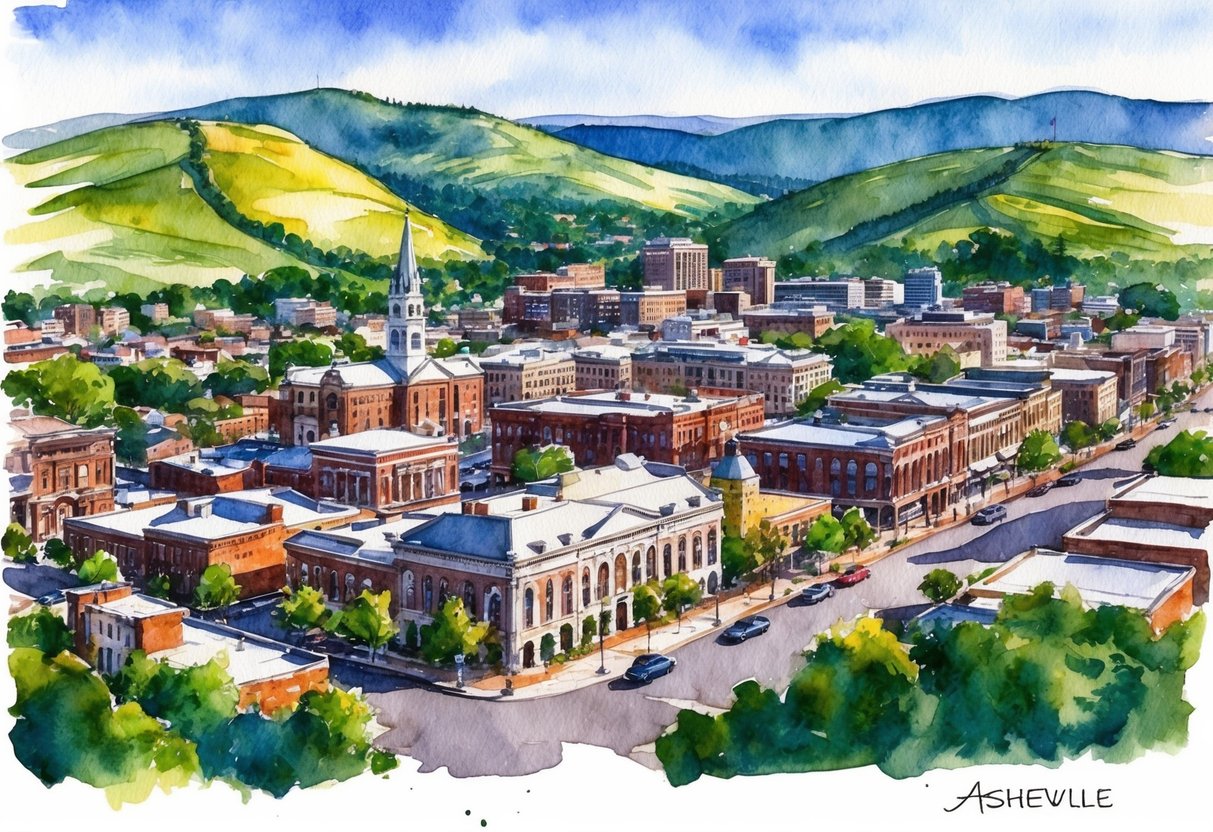
Real estate investing in Asheville offers a unique blend of stability and potential for significant returns. The city’s real estate market has shown modest but consistent growth, with forecasts predicting a more substantial uptick in the coming years.
I’ve seen firsthand how Asheville’s thriving economy and tourist appeal have created a strong demand for both residential and commercial properties.
But where should you start?
Whether you’re interested in flipping houses, becoming a landlord, or exploring commercial opportunities, Asheville has something for every type of investor.
From the bustling downtown core to charming historic districts, each neighborhood offers its own unique investment potential.
Are you ready to take the first step towards financial freedom through real estate?
Key Takeaways
- Asheville’s real estate market offers steady growth and diverse investment options
- Downtown and historic districts present prime opportunities for property investment
- Networking and local market knowledge are crucial for success in Asheville real estate
Understanding Asheville’s Real Estate Market
Asheville’s real estate market is a dynamic landscape shaped by historical trends, current conditions, and future growth potential. Let’s explore the key factors driving this vibrant market and what they mean for savvy investors like us.
Historical Market Overview
Asheville’s real estate market has seen impressive growth over the years. The city’s unique charm and natural beauty have consistently attracted buyers and investors.
In the past decade, we’ve witnessed a steady increase in property values, with some neighborhoods experiencing double-digit appreciation.
The 2008 financial crisis hit Asheville, but not as hard as other markets. Recovery was swift, and by 2012, the market was back on track. This resilience is a testament to Asheville’s enduring appeal.
What does this mean for us as investors? It shows that Asheville has staying power. Even in tough times, it bounces back stronger.
Current Asheville Housing Market Trends
The Asheville housing market is somewhat competitive. Homes here typically receive multiple offers and sell within about two months. This tells us there’s healthy demand, but not a frenzied buying situation.
What’s exciting is the price growth. The median sale price jumped to $527,000 last month, a whopping 20.3% increase from last year. Per square foot, we’re looking at $315, up 9.8% year-over-year.
These numbers paint a picture of a market with strong potential for appreciation. But remember, in real estate, timing is everything. Are we at the peak, or is there still room to grow?
Housing Affordability and Home Prices
Affordability is a hot topic in Asheville. With median sales prices around $447,445, it’s clear that home prices have been on an upward trajectory.
This is great news for investors, but it does raise questions about long-term sustainability.
How does this compare to the rest of North Carolina? Asheville’s median sale price is 28.9% higher than the state average. This premium reflects the city’s desirability but also highlights potential affordability challenges.
For us as investors, this means we need to be strategic. Are there still pockets of value to be found? Can we cater to the rental market as homeownership becomes more challenging for some?
Population Growth and Its Impact
Asheville’s population has been steadily growing, fueling demand for housing. People are drawn to the city’s quality of life, outdoor recreation, and thriving arts scene.
This influx of new residents creates opportunities for real estate investors.
More people mean more potential tenants and buyers. But it also means increased competition for prime properties. How can we position ourselves to benefit from this growth?
One strategy might be to focus on areas slightly outside the city center. As Asheville expands, these neighborhoods could see significant appreciation.
The Importance of a Strong Economy
A strong local economy is the backbone of any thriving real estate market. Asheville’s economy has shown remarkable resilience and diversity.
The city’s tourism industry, healthcare sector, and growing tech scene all contribute to a robust job market.
What does this mean for our investments? A strong economy translates to stable rental income and potential for long-term appreciation. It also means a diverse pool of potential tenants and buyers.
But let’s not get complacent. How can we stay ahead of economic trends? Which sectors in Asheville show the most promise for future growth?
Key Areas for Real Estate Investment
Asheville’s real estate market offers diverse opportunities for savvy investors. From bustling urban centers to peaceful suburban enclaves, each area has its unique charm and potential for growth.
Downtown Asheville
Downtown Asheville is the heart of the city’s vibrant culture and economy. It’s a hotspot for tourists and locals alike, making it a prime location for short-term rentals and commercial properties.
I’ve seen impressive returns on investments in mixed-use buildings here. These properties often have retail spaces on the ground floor with apartments or condos above. This setup can provide multiple income streams.
The downtown area is also great for those looking to flip properties. Many older buildings are ripe for renovation, and the demand for modern living spaces in this historic setting is high.
Kenilworth
Kenilworth is a hidden gem just minutes from downtown. This neighborhood offers a mix of historic homes and newer constructions, appealing to a wide range of buyers and renters.
I’ve found that single-family homes in Kenilworth can be excellent long-term investments. The area’s proximity to Mission Hospital makes it popular with medical professionals looking for rentals.
For those interested in multi-family properties, keep an eye out for opportunities to convert larger homes into duplexes or triplexes. This strategy can maximize rental income while preserving the neighborhood’s character.
Biltmore Park and Biltmore Lake
These planned communities offer a suburban feel with urban amenities. Biltmore Park is a mixed-use development with shops, restaurants, and entertainment options, while Biltmore Lake focuses on outdoor recreation.
In my experience, new construction homes in these areas tend to appreciate well. They’re particularly attractive to families and retirees looking for a blend of convenience and natural beauty.
Investors might consider purchasing townhomes or condos here for steady rental income. The amenities and lifestyle these communities offer can command premium rents.
West Asheville Estates
West Asheville Estates is an up-and-coming area that’s caught my eye. It’s known for its eclectic vibe and growing number of local businesses.
I’ve seen impressive returns on fix-and-flip projects in this neighborhood. Many older homes here have great bones but need updating to appeal to modern buyers.
For those looking at long-term investments, consider purchasing multi-unit properties. The area’s popularity with young professionals and artists makes it ideal for rental properties.
Historic Montford and Biltmore Village
These historic districts offer charm and character that’s hard to find elsewhere. Montford is known for its beautiful Victorian-era homes, while Biltmore Village features Tudor-style architecture.
I’ve found that bed and breakfasts or vacation rentals in these areas can be highly profitable. The historic ambiance attracts tourists looking for an authentic Asheville experience.
Investors should also consider purchasing and restoring historic properties. While this can be a significant undertaking, the end result can command top dollar in sales or rentals.
Emerging Neighborhoods: Shiloh, Haw Creek, Oakley
These neighborhoods are on the rise, offering more affordable entry points for investors. Shiloh, with its rich African American history, is seeing renewed interest and development.
Haw Creek and Oakley are attracting young families with their mix of older homes and new constructions. I’ve noticed a trend of investors purchasing fixer-uppers in these areas and either flipping them or converting them to rentals.
Consider looking for properties with large lots in these neighborhoods. As the areas develop, there may be opportunities for subdivision or building additional dwelling units.
Investing in Asheville Properties

Asheville offers exciting opportunities for real estate investors. The city’s growing economy and vibrant culture make it an attractive market for various property types.
Types of Real Estate Investments
Asheville’s real estate market is diverse, catering to different investor preferences. Single-family homes are popular, especially in areas with good schools. Multi-family properties like duplexes and small apartment buildings can provide steady rental income.
Have you considered vacation rentals? With Asheville’s booming tourism industry, short-term rentals can be lucrative. But remember, regulations vary by neighborhood.
Commercial properties are another option. Retail spaces in downtown Asheville or office buildings in growing business districts can yield strong returns.
For those with a bigger budget, luxury homes in scenic areas can appreciate well over time. Think mountain views and high-end amenities.
Identifying High-Potential Properties
Finding the right property is key to successful investing. I look for areas with rising property values and growing demand. Neighborhoods undergoing revitalization often present good opportunities.
What about up-and-coming areas? West Asheville and the River Arts District are worth watching. They’re attracting young professionals and creatives.
Consider properties near major employers or educational institutions. They tend to have consistent rental demand.
Don’t overlook fixer-uppers. With Asheville’s charm, renovating an older home can be a profitable venture if done right.
The Role of Real Estate Agents
A good real estate agent is invaluable in Asheville’s competitive market. They provide insider knowledge on neighborhoods, pricing trends, and off-market deals.
I always work with agents who specialize in investment properties. They understand an investor’s unique needs and can help run the numbers on potential deals.
Agents can also connect you with other professionals like property managers, contractors, and lenders. This network is crucial for out-of-town investors.
Remember, the best agents aren’t just salespeople. They’re advisors who can guide you through Asheville’s specific market dynamics.
Commercial Real Estate Opportunities
Asheville’s growing economy creates interesting commercial real estate options. The healthcare and technology sectors are expanding, driving demand for office spaces.
Retail properties in tourist-heavy areas can be goldmines. Think about shops or restaurants in downtown Asheville or near popular attractions.
Industrial properties are often overlooked but can be steady performers. With e-commerce growth, warehouses and distribution centers are in demand.
Mixed-use developments combining residential and commercial spaces are gaining popularity. They align well with Asheville’s community-focused culture.
Luxury Homes and Tourist Attractions
Asheville’s luxury real estate market is thriving, driven by both wealthy residents and visitors. Homes with mountain views or close to the Blue Ridge Parkway command premium prices.
High-end vacation rentals near tourist hotspots can generate substantial income. Areas like Biltmore Village or historic Montford are particularly attractive.
Properties near major attractions like the Biltmore Estate or the Grove Park Inn tend to hold their value well. They appeal to both tourists and locals.
Investing in luxury properties requires a bigger upfront investment, but can offer higher returns. It’s crucial to understand the high-end market’s unique dynamics.
Financials of Real Estate Investing
Investing in Asheville real estate requires a solid grasp of the numbers. I’ll break down the key financial aspects you need to consider to make smart investment decisions.
Estimating Rental Income and Expenses
When I look at potential rental properties in Asheville, I always start by estimating income and expenses. What can I realistically charge for rent? I check local listings and talk to property managers to get a feel for the market.
For expenses, I factor in:
- Property taxes
- Insurance
- Maintenance (1-2% of property value annually)
- Property management fees (8-12% of rent)
- Vacancy (5-10% of annual rent)
I also set aside cash for unexpected repairs. It’s better to be prepared, right?
Remember, positive cash flow is key. I aim for properties where monthly rent exceeds expenses by at least 20%.
Understanding Investment Property Financing
Financing can make or break a real estate deal. I always explore multiple options:
- Conventional loans (20-25% down)
- FHA loans (3.5% down for owner-occupied)
- Hard money loans (for quick flips)
Interest rates and terms vary, so I shop around. Credit score matters - the higher, the better the rates.
Don’t forget about closing costs! They can add 2-5% to the purchase price. I negotiate with sellers to cover some of these when possible.
Have you considered creative financing? Owner financing or lease options can work well in certain situations.
Calculating Returns on Investment
ROI is the name of the game in real estate investing. I focus on these key metrics:
-
Cap Rate: Annual net operating income / Property value (I aim for 6-8% in Asheville)
-
Cash-on-Cash Return: Annual cash flow / Total cash invested (I look for 8-12% minimum)
-
Internal Rate of Return (IRR): Accounts for time value of money
I also consider appreciation potential. Asheville’s market has seen steady growth, but past performance doesn’t guarantee future results.
Remember, leverage amplifies returns - both positive and negative. I always run worst-case scenarios. Can I weather a downturn?
Finding and Acquiring Asheville Real Estate
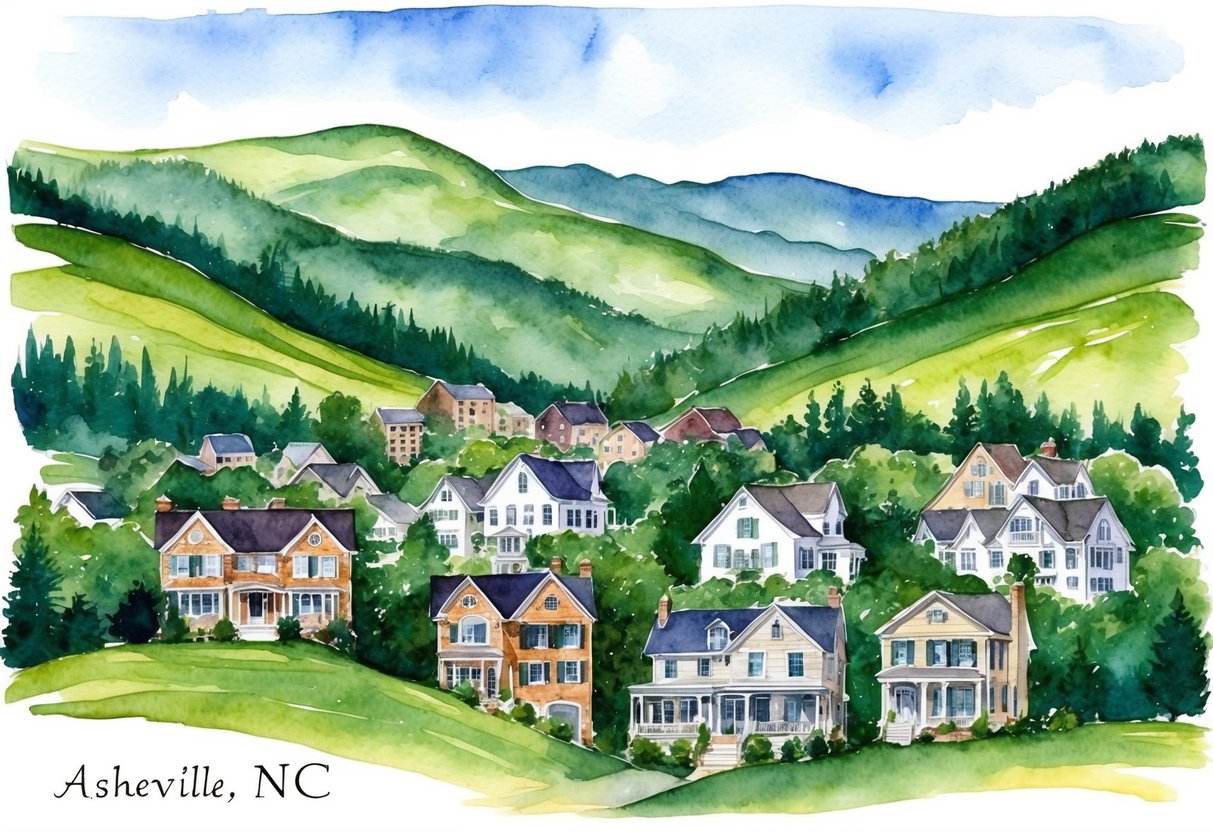
Asheville’s real estate market offers exciting opportunities for savvy investors. Let’s explore how to uncover hidden gems and secure profitable properties in this vibrant mountain city.
Navigating Asheville Listings
I’ve found that staying on top of Asheville housing market trends is crucial for success. Have you considered setting up automated alerts? It’s a game-changer. I use online platforms to filter listings by price, neighborhood, and property type.
Don’t overlook foreclosures and short sales. These can be goldmines if you’re willing to put in some work. I always drive by properties before making offers. It helps me spot potential issues and neighborhood vibes that listings might miss.
Remember, timing is everything. Asheville’s market can move fast, especially in desirable areas. Are you ready to act quickly when the right opportunity comes along?
Securing Off-Market Properties
Off-market deals are where the real magic happens. I’ve built relationships with local real estate agents who bring me deals before they hit the MLS. It’s all about networking - have you joined any local investor groups yet?
I also use direct mail campaigns to target specific neighborhoods. It’s old school, but it works. Sending personalized letters to homeowners can uncover motivated sellers before they list.
Another tactic? I keep an eye on expired listings. These owners might be open to creative offers. Don’t be afraid to think outside the box - owner financing or lease options can open doors to great deals.
Working with Local Brokers and Redfin
Local brokers are invaluable for their insider knowledge. I’ve found that investor-friendly agents in Asheville often have the scoop on upcoming listings and pocket deals. Have you built relationships with any yet?
Redfin’s Asheville data can be a goldmine for market analysis. I use their price trends and days-on-market stats to gauge property values and negotiate better deals.
But here’s a pro tip: don’t rely solely on online tools. I always combine digital research with boots-on-the-ground intel. Nothing beats walking neighborhoods and chatting with locals to spot emerging trends and opportunities.
Legal and Regulatory Considerations

Investing in Asheville real estate requires navigating a complex web of legal and regulatory issues. I’ve found that understanding these key areas can make or break your investment success.
Zoning Laws and Building Regulations
Asheville’s zoning laws are crucial for real estate investors. The city divides areas into residential, commercial, and mixed-use zones. Each zone has specific rules about what you can build and how you can use the property.
Have you considered the impact of historic districts? Asheville has several, and they come with strict renovation guidelines. I’ve seen investors stumble here, not realizing they need special permits for even minor changes.
Building codes in Asheville are regularly updated. Are you prepared to meet energy efficiency standards? They’re becoming more stringent, affecting both new construction and renovations.
Landlord-Tenant Laws
North Carolina’s landlord-tenant laws heavily favor tenants. As an investor, I’ve learned to tread carefully here.
Did you know tenants have the right to withhold rent for serious repairs? It’s true, and it can catch new landlords off guard. I always advise having a solid lease agreement and documenting everything.
Eviction processes are strictly regulated. You can’t just change the locks, even if rent is overdue. There’s a legal process to follow, and shortcuts can land you in hot water.
Tax Implications for Investors
Real estate investing in Asheville comes with unique tax considerations. Are you ready to maximize your deductions?
Property taxes in Buncombe County are reassessed every four years. This can lead to sudden increases in your tax bill. I recommend budgeting for potential jumps.
Have you heard about opportunity zones? Asheville has several, offering significant tax benefits for long-term investors. It’s a strategy worth exploring.
Short-term rentals are popular in Asheville, but they come with additional taxes. You’ll need to collect and remit occupancy taxes. It’s an extra step, but can be very profitable if managed correctly.
Marketing Strategies for Investment Properties
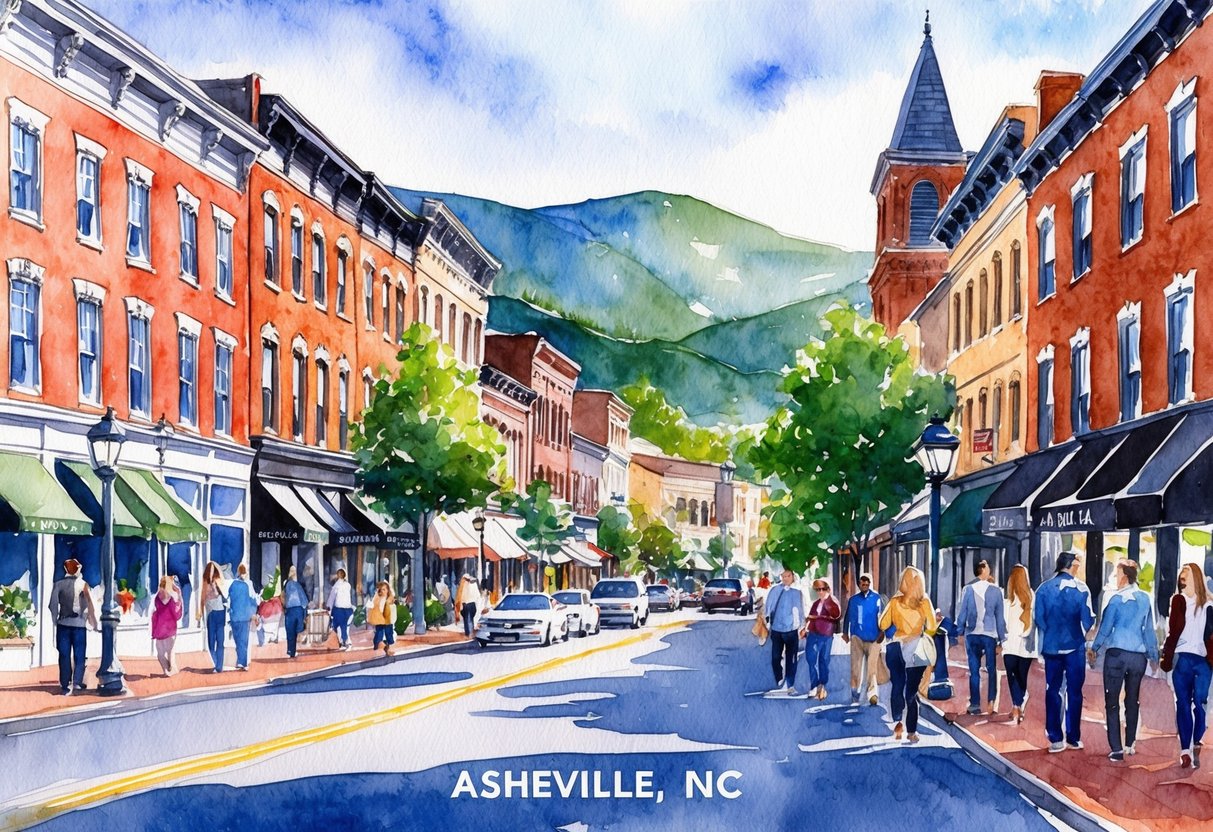
Effective marketing is key to success in Asheville’s real estate investment scene. I’ve found that a mix of online presence, traditional channels, and networking can make all the difference in attracting the right buyers and tenants.
Leveraging Online Presence
In today’s digital age, a strong online presence is crucial. I always start by creating a professional website showcasing my investment properties in Asheville. It’s amazing how many potential buyers and renters start their search online.
I use high-quality photos and virtual tours to highlight the best features of each property. Have you considered the power of social media? Platforms like Facebook and Instagram are goldmines for reaching potential clients.
I also list my properties on popular real estate websites. These sites often rank high in search results, increasing visibility for my Asheville homes for sale.
Don’t forget about email marketing. I’ve built a list of interested investors and send regular updates about new properties and market trends.
Utilizing Traditional Marketing Channels
While digital marketing is important, traditional methods still pack a punch. I’ve had great success with direct mail campaigns targeting specific neighborhoods in Asheville.
What about local newspapers and magazines? I often place ads in these publications, especially those focused on real estate or lifestyle topics.
I’ve also found that yard signs and banners can be surprisingly effective. They catch the eye of passersby and generate local interest in my properties.
Have you considered hosting open houses? These events allow potential buyers to experience the property firsthand and can lead to quick sales.
The Importance of Networking
Never underestimate the power of personal connections in real estate. I make it a point to attend local business events and join real estate investment groups in Asheville.
Building relationships with other investors, real estate agents, and property managers has been invaluable. These connections often lead to off-market deals and insider knowledge about upcoming opportunities.
I also network with local contractors, lawyers, and financial advisors. Having a trusted team of professionals helps me provide better service to my clients and manage my investments more effectively.
What about online networking? I participate in real estate forums and social media groups focused on Asheville real estate. These platforms are great for sharing insights and learning from others in the industry.
Metrics to Monitor

When investing in Asheville real estate, keeping a close eye on key metrics can make or break your success. Let’s explore some crucial indicators that smart investors track to stay ahead of the game.
Analyzing the Walk Score
The Walk Score is a powerful tool I use to gauge a property’s potential. It measures how easy it is to live without a car. In Asheville, walkability can be a major selling point.
Why does this matter? Simple. Properties with high Walk Scores often command higher rents and resale values. I’ve seen this firsthand in Asheville’s bustling downtown areas.
Here’s a quick breakdown:
- 90-100: Walker’s Paradise
- 70-89: Very Walkable
- 50-69: Somewhat Walkable
- 0-49: Car-Dependent
I always aim for properties scoring 70 or above. They’re more likely to attract tenants and appreciate over time.
Keeping an Eye on Market Indicators
Asheville’s real estate market is dynamic, and staying informed is key. I pay close attention to these indicators:
- Median Home Prices: They tell me if the market is heating up or cooling down.
- Days on Market: This shows how quickly properties are selling.
- Inventory Levels: Low inventory often means higher prices.
Zillow predicts modest growth for Asheville in 2024, with a potential uptick in 2025. I’m seeing a 0.4% increase by May 2024 and a 1.6% jump by April 2025. These forecasts help me time my investments just right.
Assessing the ‘Hot Homes’ Index
The ‘Hot Homes’ Index is a game-changer for spotting prime investment opportunities. It identifies properties likely to sell quickly, often within days of listing.
What makes a home ‘hot’ in Asheville?
- Location near popular amenities
- Competitive pricing
- Unique features or recent upgrades
I’ve found that ‘hot homes’ in Asheville often sell for above asking price. This index helps me identify trends and neighborhoods on the rise.
Maintaining and Enhancing Property Value
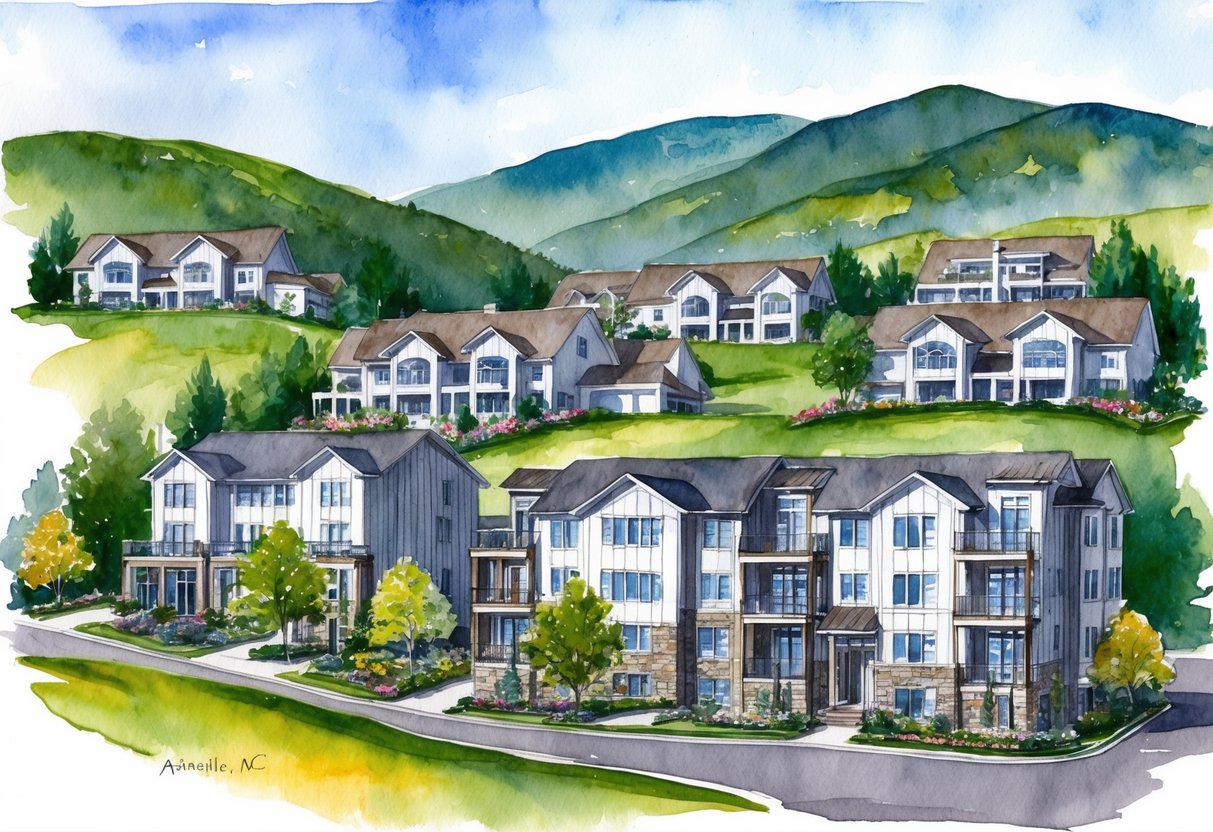
Boosting property value is crucial for real estate investing success in Asheville. Smart strategies can maximize returns and create long-term wealth.
Effective Property Management
I’ve found that hands-on management is key to protecting your investment.
Regular inspections catch small issues before they become costly problems.
I always build strong relationships with tenants, leading to better care of the property and longer stays. This cuts down on vacancy periods and turnover costs.
Have you considered hiring a property manager? They can handle day-to-day tasks, freeing up your time for other investments.
But remember, good managers aren’t cheap. Weigh the costs against potential benefits.
I recommend setting aside 1-2% of the property value annually for maintenance. This fund covers routine upkeep and unexpected repairs, preserving your asset’s condition and value.
Renovation and Upgrades
Smart upgrades can dramatically boost rental income and property value. I focus on improvements with high ROI:
- Updated kitchens and bathrooms
- Energy-efficient windows and appliances
- Fresh paint and flooring
- Improved curb appeal
But be careful not to over-improve. I’ve seen investors sink too much money into renovations that don’t pay off.
Know your market and what renters or buyers expect.
In Asheville’s competitive market, unique features can set your property apart. A cozy firepit or a charming reading nook might be the detail that clinches a sale or commands higher rent.
Environmental Sustainability Practices
Green features are increasingly popular in Asheville. They can cut operating costs and attract eco-conscious tenants or buyers.
Some impactful upgrades I’ve used include:
- Solar panels
- Low-flow water fixtures
- Programmable thermostats
- Native, drought-resistant landscaping
These improvements often qualify for tax incentives, boosting your bottom line.
Have you looked into Asheville’s green building programs? They offer guidance and sometimes financial support for eco-friendly renovations.
Remember, sustainability isn’t just about new tech. Simple changes like using LED bulbs or adding insulation can make a big difference.
Every dollar saved on utilities is a dollar added to your rental income.