
Have you ever wondered if real estate investing could finally give you more control over your financial future? After years of saving and following all the “safe” advice, I realized I needed more than just a steady paycheck and a 401(k) to secure my family’s dreams.
Investing in real estate in Appleton, WI, is a practical option for people like me who want stable returns and real assets they can understand.

Appleton doesn’t just offer affordable entry points; it also gives investors a variety of choices, from traditional homes to commercial projects and even unique land or lakefront deals. With the right strategy and local know-how, I’ve discovered that opportunities here are not just for full-time professionals—anyone ready to think differently can get started.
The question isn’t “why invest in Appleton,” but rather, “can you afford not to?”
Key Takeaways
- Appleton, WI, offers diverse real estate options for investors.
- Experienced local agents and smart financing are key to success.
- The city provides opportunities outside traditional investments.
Overview of Real Estate Investing in Appleton, WI
Investing in Appleton’s real estate isn’t just about buying property. It’s about understanding the local market, knowing your options, and making smart choices that build real wealth.
Types of Properties Available
I see many options for investors in Appleton. There are affordable single-family homes that make up most of the market.
These appeal to families looking to settle in a safe, inviting neighborhood. Multi-family units, like duplexes and small apartment buildings, are available for those who want to increase cash flow and diversify.
Some investors choose historic properties. These homes need more work, but they can attract renters and buyers seeking unique character.
Commercial properties give another angle. Appleton has office spaces, retail locations, and mixed-use buildings.
Each property type comes with different risks and rewards, so I always check my goals before I invest.
Local Market Trends
Appleton’s real estate market has shown steady appreciation over the last decade. Home values have increased at an average annual rate of 0.05, while Wisconsin’s average is slightly lower at 0.04.
While that’s not headline-grabbing growth, steady appreciation can help preserve wealth over time. Median property sale prices in Appleton hover around $300,000.
That’s within reach for many investors who want to get started or expand their portfolio. Median gross residential rent is about $779 per month, which supports healthy cash flow on the right property.
Appleton’s market also offers a blend of stability and opportunity. Many homes are affordable, but I notice competition for high-quality rentals.
If you’re seeking a mix of affordable and historic homes with appealing market fundamentals, Appleton delivers.
Key Considerations for Investors
Before I invest in Appleton, I always consider a few key points. First, I review cash flow, cap rate, and overall return on investment for each property.
Good deals are out there, but I have to run the numbers and adjust for maintenance costs. Appleton is a stable market, but I make sure I’m not just banking on appreciation.
I look at occupancy rates and local economic trends. The city’s diverse economy—rooted in healthcare, education, and manufacturing—supports rental demand.
I watch for market shifts. Property values can change, and rent rates aren’t guaranteed.
I check zoning laws, local schools, and crime rates. By focusing on Appleton’s real estate market trends, I give myself the best chance at long-term success.
Residential Real Estate Opportunities

Appleton’s housing market offers clear paths to both steady cash flow and long-term value. Price points, demand, and property types all vary, giving me excellent choices for building wealth and earning ongoing income.
Single Family Homes
When I look at single family homes in Appleton, I see properties that attract renters who want space, privacy, and stability. These homes tend to have yards and are usually in safe, well-rated school districts.
For many families, the dream is a house with room to grow—do renters in this market feel the same way? The median sale price for a home in Appleton is about $300,000.
Finding a good deal below this price or upgrading a dated property can mean higher returns for me. With these homes, vacancy rates are often lower than with apartments because tenants stay longer.
I can also sell a single family home more easily if I need cash. These properties give me flexibility, the option to “fix and flip,” or hold for rental income.
This is a solid way to diversify beyond stocks or mutual funds.
Condos and Townhomes
Condos and townhomes give me low-maintenance ways to invest. The HOA takes care of exterior work, snow removal, and yard duties.
This is a key advantage if I don’t have time to manage repairs myself. Buy-in prices for condos and townhomes in Appleton can be lower than for single family homes.
For many renters, these homes are attractive because they often include amenities like fitness centers or pools. Investors looking for steady tenants—especially working professionals or empty nesters—should consider these properties.
It is smart for me to factor in HOA dues when running the numbers. These monthly costs can reduce overall returns, but strong demand and lower upkeep may still make condos or townhomes a smart play for reliable income.
Apartment Complexes
Larger apartment complexes in Appleton can create multiple income streams from one location. These buildings range from duplexes to larger complexes with dozens of units.
The more doors I hold under one roof, the more stable my monthly revenue can be—even if a few units are vacant. Apartment investing does require more capital up front.
But by spreading risk over many units, I can weather bad months much better than with a single house. Professional management is a great option here if I don’t want to be on call for late-night repairs.
Appleton’s steady rental demand makes complexes appealing for long-term buy and hold strategies. Investors can renovate to boost rents, or simply keep buildings full with well-screened tenants.
To analyze top-performing properties based on cap rates and cash flow, I recommend starting with this investment property guide.
Commercial and Industrial Investment Options

I’ve learned that commercial real estate in Appleton isn’t just about four walls and a door. It’s about steady cash flow, long-term tenants, and opportunities that most people miss while they’re busy worrying about the stock market.
The choices here are tailored for real business needs—think offices, retail spaces, warehouses, and manufacturing sites.
Office and Business Spaces
What if you could rent to strong local businesses instead of waiting for a single-family home to turn over? Appleton’s office buildings give me a way to do just that.
Most of these properties attract medical offices, law firms, and technology companies looking for a long-term base. I find that vacancy rates stay low for well-maintained buildings in busy areas.
Location matters—proximity to highways and amenities shapes demand. Upgrading older spaces with high-speed internet and smart security systems can boost rental value.
For those interested in multiple options, companies like Bechard Group specialize in office real estate across Appleton. Flexible spaces such as coworking hubs or small suites appeal to newer businesses.
It’s a market where tenant stability usually beats flashy appreciation, so I focus on quality tenants and high retention.
Retail Properties
Appleton’s retail landscape is evolving. Businesses want more than just a storefront—they want foot traffic and visibility.
Properties near Fox River Mall or College Avenue tend to have high demand. I pay close attention to pedestrian access, signage, and parking.
Lease structures like triple net leases (NNN) can make management hands-off and income predictable. Many properties attract restaurants, boutiques, and service providers who sign for longer terms thanks to strong local customer bases.
J. Ross & Associates handles retail leasing and sales, making it easier for me to access updated listings and market data. Risks include changes in consumer habits or vacant anchor stores, but the right mix of tenants can turn a static strip center into a thriving income asset.
Diversification in tenant type has always helped my bottom line.
Warehouses and Manufacturing
Warehouse and manufacturing sites offer something many newer investors overlook—durable, income-producing real estate. The industrial sector in Appleton serves not just local companies, but also supply chain and logistics businesses moving goods through Wisconsin.
Properties here often feature high ceilings, dock doors, and easy access to highways. Physical features like reinforced floors or fenced lots can make or break a deal.
I’ve seen solid, long-term leases with manufacturers, and few tenant turnovers compared to retail or office properties. Groups like Drifka Group list industrial real estate options in Appleton and Green Bay.
Industrial tenants often handle their own improvements and repairs, which keeps my expenses down. As e-commerce grows, warehouse demand increases, providing steady opportunities for income and appreciation.
Land and Lakefront Investments
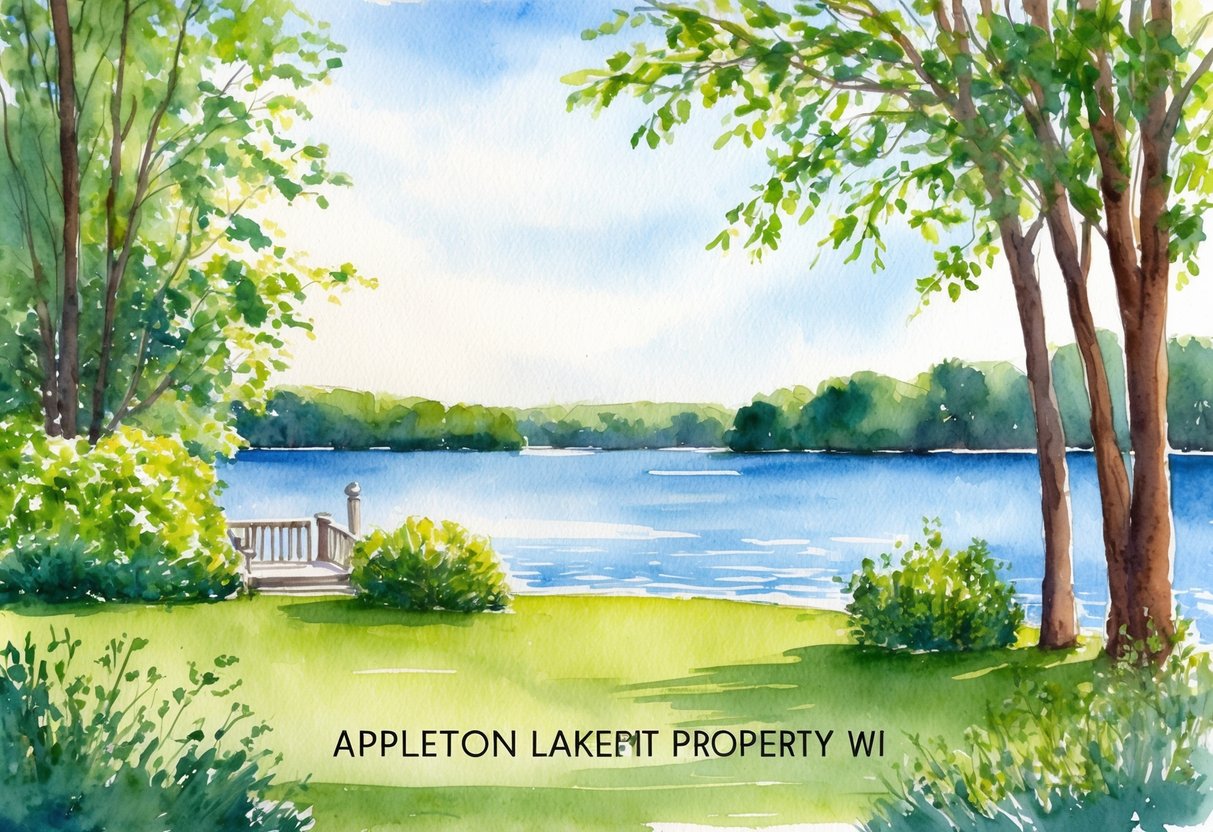
Tired of watching your cash sit idle while inflation eats away at your savings? Real estate in Appleton, especially land and lakefront properties, can offer leverage and tax advantages that many overlook.
Vacant Land Acquisitions
When I look at vacant land in Appleton, I see potential others miss. It’s not just a plot of dirt—it’s a blank canvas.
With no tenants or buildings to maintain, holding costs are often much lower. Some investors prefer land because property taxes and maintenance stay manageable, especially when compared to developed properties.
I always check local zoning and future development plans before I consider a parcel. Appleton’s population has been steadily growing, and that’s a strong sign for long-term value appreciation.
Some land parcels are situated near planned highways, schools, or commercial districts. These tend to see their values climb as development moves closer.
Here’s what I focus on when evaluating vacant land deals:
- Location: Is it close to main roads, shops, or schools?
- Utilities: Are water, power, and sewage lines nearby?
- Use Potential: Can the land be subdivided or developed later?
Mad about the stock market rollercoaster? Owning physical land puts the control back in your hands.
Lakefront and Waterfront Properties
Lakefront and waterfront lots in Appleton? They’re always in demand. People pay extra just to be near the water—whether it’s for the fun, the views, or maybe the resale value down the line.
I’ve watched lake homes work as more than just private escapes. Some owners use them as vacation rentals to pull in steady cash flow.
Buying a lakefront property in Appleton takes a little more thought. There’s shoreline maintenance, flood insurance, and sometimes building restrictions to consider.
These lots often come with perks—like access to docks, beaches, or a spot for your own boat. But I always stop and ask: Will I use this for fun, retirement, or as a rental? Each option changes the math on costs and income.
Waterfront lots are rare, and as more people want them, prices climb. If I’d bought a piece of lakefront land a decade ago, I’d probably be sitting on double my investment.
Here’s what I look for:
- Water Access: Can I swim, fish, or launch a boat from my backyard?
- View: Is it open and beautiful, or blocked by something?
- Rental Demand: Do vacationers actually want to stay on this lake or river?
Honestly, the stock market sometimes makes me uneasy. But land—especially lakefront—feels like a solid asset. It’s beautiful, limited, and tends to appreciate over time.
Working With Real Estate Agents in Appleton

Finding a real estate agent you actually trust can make or break your Appleton investment. The agent’s knowledge, professionalism, and fees affect your results—and your stress level.
I want transparency and expertise front and center. Nothing less.
Choosing the Right Real Estate Agent
Ever notice how some investors always snag the best deals? I’m convinced it’s because of their agents. Appleton’s got plenty of agents, but not all of them understand investors.
When I hunt for an agent, I want someone who’s closed investment deals, not just regular home sales. I check their recent transactions and, if I can, talk to their investor clients.
Sites like BiggerPockets help me find agents with the right experience. Sure, big names like Coldwell Banker pop up, but I don’t just go with the brand.
I ask about their negotiation skills and how they spot undervalued properties. Here’s my quick checklist:
- Do they know cash flow analysis?
- Have they helped local investors before?
- Can they introduce me to good property managers or contractors?
- Will they be honest about risks?
This weeds out agents who just want a fast commission.
Understanding Agent Roles and Fees
Do most investors really get how agents earn their money—or what they’re actually doing? I didn’t at first. In Appleton, agents usually earn a commission—typically 5–6% of the sale price, split between buyer’s and seller’s reps.
I always pin down exactly what my agent will do. That might include market research, finding properties, negotiating, handling paperwork, and helping with due diligence.
Some agents tack on extra charges for deep rental analysis or submitting a bunch of offers. I ask for everything in writing. If it’s not spelled out, I move on.
With bigger firms like Coldwell Banker or local independents, I never assume anything. A trustworthy agent won’t dodge tough questions. They’ll answer straight up.
Here’s a quick comparison table:
Task/Service
Standard Agent
Investor-Friendly Agent
House Showings
Yes
Yes
Cash Flow Analysis
Sometimes
Yes
Off-Market Leads
Rarely
Often
Post-Sale Support
Limited
Extensive
The agent you pick? They’re a key partner if you want to build real wealth in Appleton.
Financing Strategies for Investors

Finding the right way to finance real estate in Appleton shapes my whole investment journey. Whether I want the comfort of a classic loan or something more flexible, my decision affects returns, risks, and my sanity.
Traditional Loans and Mortgages
When I think about real estate financing, traditional loans are usually where I start. Most Appleton banks and credit unions offer fixed or adjustable-rate mortgages.
If I’ve got good credit and steady income, I get decent terms. But honestly, the paperwork and requirements can be a headache. There are appraisals, debt-to-income checks, and those hefty down payments—sometimes 20% or more.
For the cautious investor, it’s a safe, structured approach. If I already own a home, I might use a home equity line of credit. Borrowing against my equity can mean lower rates, but I always remember I’m risking my primary house. That’s not a small thing.
Alternative Financing Options
Why only stick to banks? In Appleton, I see investors get creative with their financing. DSCR (Debt Service Coverage Ratio) loans stand out—they look at the property’s rental income, not my paycheck.
That’s a game changer if I want to scale up without another round of personal interviews. You can check out DSCR loan programs in Wisconsin if you’re curious about how cash flow might open new doors.
Private and hard money lenders let me move fast, but it’s expensive—think double-digit rates and upfront fees. Sometimes speed matters more than cost, especially if I’m fighting to lock down a deal.
Seller financing is popping up again, too. The seller acts as the bank, and deals can be flexible with way less red tape. But trust is everything. With creative financing, I need to really know who I’m working with.
Unique Investment Niches in Appleton
Appleton’s got some non-traditional real estate opportunities that speak to investors looking for stable, long-term returns. If I pick the right niche, I can tap into demand that goes beyond just single-family homes or typical rentals.
Small Business and Deli Locations
When I look around Appleton, I see small business properties and deli storefronts in steady demand. Families and professionals here want spots to gather for coffee, grab a quick lunch, or just shop somewhere local.
Investing in retail spaces—especially the kind you can lease to deli owners or small businesses—can offer some real potential for cash flow. Commercial spots in busy neighborhoods or close to office parks already have a built-in customer base.
Tenants like local delis often stick around for years, which creates reliable income for property owners. Upkeep for these smaller retail spaces? Honestly, it’s usually a lot easier than dealing with huge buildings.
Appleton’s business-friendly vibe and reasonable property prices make things more accessible for investors than what you’d find in bigger metro areas. If I’m willing to think a little differently, these unique investment properties in Appleton could be the smart move.