

As I explore the world of charitable giving, I notice that technology is reshaping how we contribute and make an impact. It’s like catching a glimpse of a new dimension where efficiency meets compassion. Have you ever wondered how you can make more meaningful contributions without the red tape? Technology is the catalyst for making charitable giving more direct and impactful. From online platforms to AI-driven insights, it’s a game-changer. Imagine the power to support causes you care about with just a few clicks. It’s no longer about just giving; it’s about giving smartly. Let’s dive into how these changes can benefit both donors and the world at large.
1) Online Giving Platforms
 Have you ever wondered how technology can change the way we give? With online giving platforms, donating to your favorite causes has never been easier. Imagine sitting in your living room and supporting a charity halfway around the world with just a few clicks. That’s the power of these platforms. Many platforms are designed to be user-friendly. Take Givey, for example. It allows donors in the UK to quickly and easily contribute to a variety of charitable causes. The simplicity of these platforms removes the hassle and time-consuming steps usually associated with donations. Online platforms also open up a world of possibilities for charities. By leveraging the internet, they can reach a broader audience, attracting donations from people who may never have otherwise heard about their cause. This global reach is transforming the landscape of charitable giving. Have you thought about how secure these transactions are? Modern platforms have put robust systems in place to protect donors’ financial information, providing peace of mind with each transaction. This security encourages more people to participate in online giving. The ability to track donations in real-time is another feature I find impressive. Donors can see how their contributions are used, fostering transparency and trust with the charities. This builds a stronger connection between donors and causes. With the rise of mobile apps, donating has become even more convenient. Platforms like DonorBox and Classy allow users to contribute on the go, from anywhere. This flexibility ensures that you can support important causes whenever and wherever you want. Why stick to traditional methods when technology offers a better way? Online giving platforms are reshaping philanthropy, making it more accessible, transparent, and efficient. These changes are not just good for charities—they make giving more fulfilling and engaging for us, the donors.
2) Mobile Payment Solutions
 Why are mobile payment solutions a game-changer for charitable giving? We live in a world where convenience is key. With smartphones at our fingertips, donating to causes has never been easier. Mobile wallets and apps allow people to contribute on the go, making support as easy as tapping a screen. The rise of mobile payment technology means that charities can reach donors wherever they are. No longer are contributions tied to physical locations or cash transactions. People can give whenever inspiration strikes, whether they’re at home or on vacation. This flexibility helps nonprofits keep up with our fast-paced lives. Mobile payment methods like QR codes and NFC technology simplify the donation process. Imagine being at a fundraising event and scanning a code to make a contribution right away. It’s efficient and reduces the steps needed to complete a transaction. Nonprofits benefit from the reduced transaction costs associated with mobile payments. This allows a larger portion of each donation to go toward the cause itself, maximizing impact. Charities can engage with donors more frequently, keeping them informed and connected. It’s fascinating how mobile payment options can cater to diverse audiences as well. Many older donors who might be skeptical of online giving find the simplicity and security of mobile payments reassuring. The technology bridges the gap between traditional methods and the digital age. Incorporating mobile payments isn’t just a trend; it’s becoming essential for charities wanting to thrive in today’s digital world. As more people embrace this technology, the potential for increased charitable giving grows, offering a sustainable path for doing good.
3) Crowdfunding Campaigns
 Crowdfunding campaigns are reshaping the world of charitable giving. Have you ever wondered how a small contribution can make a big difference? Crowdfunding platforms let people pool their resources to support projects and causes they care about. This not only gives everyone a chance to give, but it also democratizes philanthropy. What makes crowdfunding appealing is its accessibility. Using platforms like GoFundMe or Kickstarter, anyone can start a campaign from their living room. It empowers everyday people to take charge and rally support for causes they believe in. Crowdfunding also benefits from social media’s reach. Shares, tweets, and likes spread campaign messages far and wide, reaching audiences traditional methods never could. It’s a powerful tool that taps into networks and amplifies the impact of each campaign. For those of us aiming to make a difference, crowdfunding offers a way to engage with projects that align with our values and goals. It’s a chance to connect with like-minded people. Through this connection, campaigns gain not just funds, but also community and momentum. From medical expenses to support after natural disasters, crowdfunding has shown how small, collective actions can bring about substantial change. By participating, I am part of a larger story, one that is changing how we think about giving and supporting each other. Doesn’t that sound like an exciting way to contribute to a better world?
4) Blockchain Donations
 Have you ever thought about where your donation actually goes? With blockchain, I can assure you it’s clearer than ever. Blockchain technology offers an innovative way to track donations. Transparency is a big deal here. You know what I love about blockchain? Its ability to show every transaction. Imagine seeing how each penny is spent, with no room for guessing. Trust is another key advantage. When donors are aware of how funds are managed, it fosters confidence. Trust builds relationships, and that’s what makes charitable giving more impactful. Efficiency also comes into play. Blockchain reduces the need for intermediaries, cutting down on administrative costs. This means more of your donation goes directly to the cause. I’m intrigued by how blockchain also allows donors to offer support in cryptocurrencies. This not only opens up a new avenue for donations but also attracts a tech-savvy generation eager to give back. Isn’t it fascinating? Organizations now use blockchain to issue tokens of appreciation. These tokens can motivate repeat donations and build a community of engaged supporters. Moreover, there’s potential for blockchain to aid in automating processes. With smart contracts, transactions can be triggered automatically when certain conditions are met. This speeds up operations and cuts red tape. Ultimately, blockchain brings a fresh perspective to donations by offering transparency, trust, and efficiency. Want to see it in action? Explore more about blockchain’s role in enhancing donations.
5) Artificial Intelligence Grantmakers
 Have you ever thought about how much time is spent in managing grants? Artificial intelligence is stepping in to make this process smoother. I’ve seen how AI can analyze vast amounts of data quickly, helping grantmakers identify the projects that align with their objectives. It’s like having a smart assistant who never sleeps. AI can sift through applications, ensuring that every detail is checked. Imagine the freedom of spending more time strategizing, knowing that AI is handling the repetitive tasks. This shift enables organizations to focus on making a real impact rather than getting bogged down in paperwork. I understand the skepticism around relying on technology for something as personal as philanthropy. But AI doesn’t remove human insight from the equation. Instead, it supports decision-making by providing valuable analytics. This allows grantmakers to make informed choices, enhancing the effectiveness of their contributions. Recently, I read that some organizations are using AI to minimize risks. This ensures that funds are directed to trustworthy initiatives. When you know your donations are making a difference, it brings a sense of satisfaction that’s hard to beat. Seeing the future through this lens can be exciting. Grantmakers who embrace AI are not just keeping up with trends; they’re setting a new standard. Reducing human error and speeding up processes could be a game-changer in philanthropy. If you’re intrigued, it’s worth exploring how AI tools might fit into your giving strategy.
6) Biometric Identification Tools
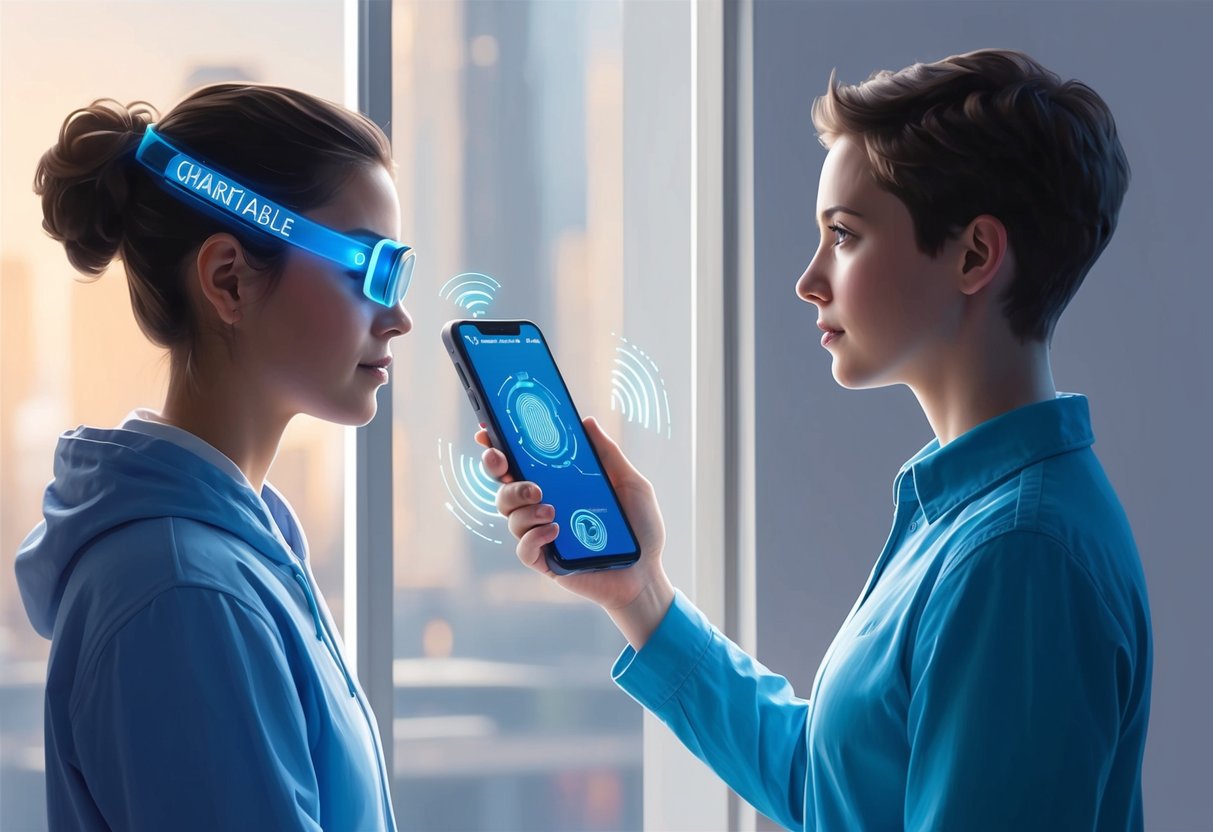 Biometric identification tools are changing the way we verify identities in charitable giving. These tools use unique physical traits to confirm who someone is. Think about it: fingerprint or facial recognition can quickly and accurately identify donors or recipients. Why is this important? It streamlines processes for charities and donors. No more manual checks and endless paperwork. Biometric tools help ensure that funds reach the right people. This adds a layer of trust in charitable transactions, making everyone feel more secure. Biometrics also enhance privacy. With traditional methods, sensitive information might be at risk, but biometric data is harder to replicate. This offers a level of security that donors and charities alike can appreciate. For those who might be worried about adapting to new technology, biometric systems are user-friendly. They’re designed to be straightforward, similar to unlocking a smartphone. So, the learning curve isn’t steep. Biometrics can also track how donations are used. This transparency is a game changer, allowing donors to see the impact of their contributions in real-time. Imagine knowing exactly how your gift made a difference! It’s about confidence and clarity. This is where technology meets the heart of giving.
7) Virtual Reality Fundraisers
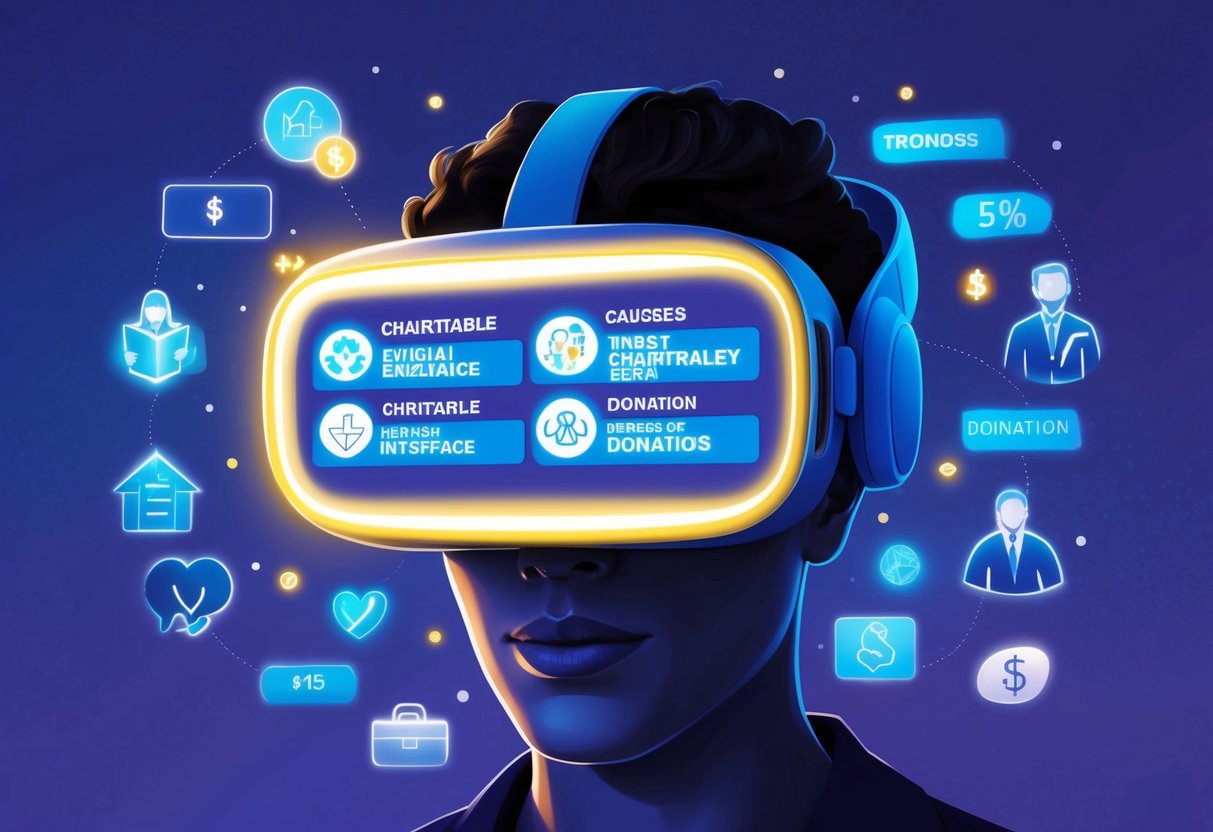 Have you ever imagined being right in the middle of a community that needs help? Virtual reality (VR) is making that possible. Instead of a simple plea for donations, VR places you in the story, allowing you to see and feel the challenges firsthand. It’s like stepping into their world without leaving your living room. I once put on a VR headset and found myself walking through the ruins of a distant community affected by disaster. The experience was eye-opening. This immersive technology can ignite empathy in ways traditional fundraising techniques often fail. It’s not just about seeing; it’s about feeling. Take a moment to consider why this might work. When people feel connected, they’re more willing to help. With VR, donors aren’t just spectators—they become participants. This means a deeper understanding and stronger emotional connection to the cause, which can lead to increased donations. Some reports show that charities using VR experience better fundraising results. For instance, Amnesty International saw a 16% increase in donations when donors used VR. That’s a significant boost compared to traditional methods. Remember when old-school fundraising meant running a bake sale or a charity dinner? Times have changed. Now, I see VR as the next frontier in philanthropy. It’s an innovative way to engage with donors and create lasting impressions that drive action. VR fundraisers aren’t just creative—they’re effective. They remove the distance between us and the causes we care about. Could this be the breakthrough we’ve been waiting for in charitable giving? It’s a transformative approach that aligns with the world’s digital evolution, drawing us into deeper involvement with the very people we aim to help.
8) Donor Management Software
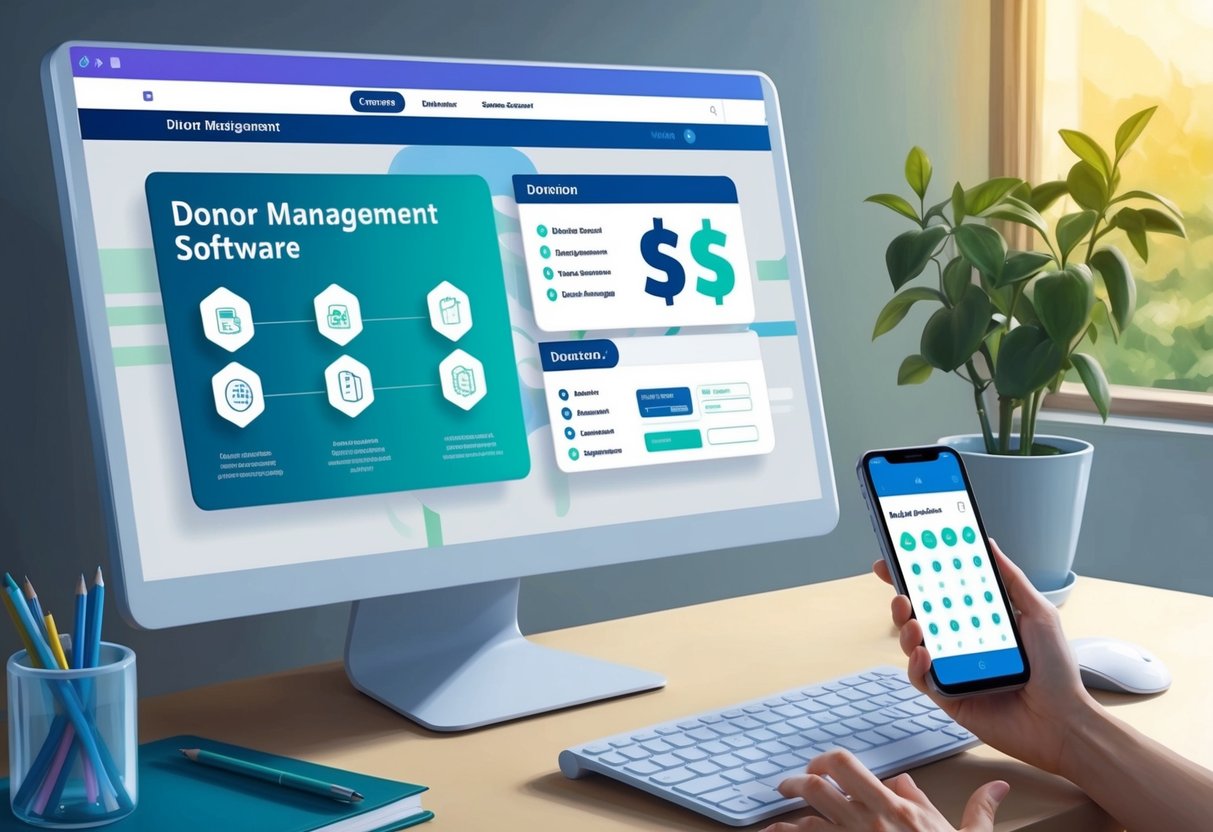 Have you ever wondered how nonprofits keep track of all their donors? That’s where donor management software comes in. This tool is like a digital filing cabinet, storing everything from contact information to donation history. It helps organizations build better relationships by personalizing communication and recognizing donor preferences. This software can analyze patterns and trends. Why does this matter? It allows nonprofits to target their outreach efforts more effectively. For instance, by knowing which donors prefer online engagement, organizations can tailor their fundraising strategies. Data security is crucial, and donor management systems take this seriously. They ensure that sensitive donor information remains safe from cyber threats. How does this benefit the organizations? It builds trust with donors, encouraging more generous contributions. Efficiency is another major advantage. With donor management software, nonprofits save time that would otherwise be spent on manual record-keeping. This means they can focus more on their mission and less on paperwork. Finally, the integration of these systems with other digital tools enhances overall functionality. Whether linking with crowdfunding platforms or email marketing services, the software can enhance the effectiveness of fundraising campaigns. In the world of charitable giving, this technology is a game-changer. Want to dive deeper into the mechanics of donor systems? Consider exploring more about nonprofit donor management best practices.
The Role Of Digital Platforms In Charitable Giving
 Digital platforms are changing the way we think about charitable giving. By broadening access and using social media to spread awareness, these platforms are making it easier for people to support causes they care about. Let’s dive into how this is happening.
Enhancing Accessibility And Reach
Isn’t it incredible how technology is breaking down barriers in giving? With digital platforms, you no longer have to attend a gala or write a check to make a difference. Online fundraising platforms allow donations at the click of a button. This opens up giving to people all over the world. Platforms like GoFundMe and Kickstarter have made it possible for anyone with access to the internet to contribute. This means a cause can reach more potential donors than ever before. Geographic limitations? They’re becoming a thing of the past. Let’s not forget about transparency. Donors can now track how their contributions are being used, making the whole process more trustworthy and attractive.
Leveraging Social Media For Awareness
Who would have guessed that a few likes and shares could drive social change? Social media platforms have become powerful tools for spreading awareness and recruiting donors. Organizations use platforms like Facebook and Instagram to share impactful stories and engage with potential donors. Social media not only helps in building awareness but also creates a community around a cause. This isn’t just about raising money; it’s about creating connections and engaging people emotionally. Campaigns can go viral, reaching audiences far beyond traditional methods could ever achieve. This is the power of digital storytelling—a way to tap into human emotions and inspire action.
Innovative Payment Solutions
 Technology has reshaped how we donate, making it easier and more efficient. With the introduction of cryptocurrency and mobile payment options, we have access to new ways of giving that are faster and more accessible than ever before. Let’s look at how these modern solutions are changing the game.
Cryptocurrency Donations
Have you ever imagined donating with a click of a button through digital currency? Cryptocurrency donations are gaining traction in the charitable sector as an innovative payment method. This approach offers transparency and cuts down on transaction fees, benefiting both donors and charities. With cryptocurrency, anyone can track their donations in real time, ensuring their funds are used appropriately. One major benefit of cryptocurrency is its global reach. Transactions can occur without the barriers posed by traditional banking systems, making it easier to contribute to causes worldwide. For those concerned about privacy, cryptocurrency provides a level of anonymity, offering a discreet way to support a favorite charity. The practical use of cryptocurrency is transforming the way we think about giving.
Mobile Payment Integration
Do you pay bills or shop with your phone? Now you can donate to your favorite causes with just a tap. Mobile payment integration has made charitable giving as easy as using apps or text messages. This convenience appeals to our fast-paced lifestyle, allowing anyone to contribute without writing checks or carrying cash. By integrating mobile payment solutions, charities can reach a broader audience. It’s about removing friction in the giving process, making contributions seamless and spontaneous. Donors enjoy immediate feedback and acknowledgments, which enhance the feeling of making a difference. As more people embrace this technology, mobile payment integration is set to revolutionize digital philanthropy.