
Creating a sustainable giving strategy is like building a strong foundation for your future financial goals. I’ve noticed many people over 40 feel a bit stuck when it comes to philanthropy. They want their charitable efforts to be meaningful and impactful, yet they’re unsure where to start.  What’s the real secret to making your giving powerful and lasting? It’s about being strategic and intentional with your charitable actions. A well-planned approach not only benefits the causes you care about but also aligns perfectly with your financial journey. Let’s explore how to make your contributions work for you and the world.
1) Set Clear Goals
 Why should we set clear goals for our giving strategy? Without a target, it’s easy to lose focus. We’ve all been there, feeling stretched in too many directions. That’s why it’s crucial to pinpoint exactly what we want to achieve with our charitable efforts. Start by identifying what matters most to you. Is there a cause that resonates deeply? Maybe it’s environmental conservation, education, or healthcare. Clarifying this can help guide your giving decisions and ensure your resources make a real impact. Think about your long-term objectives. Are you aiming to create a legacy, support a community over time, or achieve a tax benefit? Each goal may require a different approach, so knowing this upfront will streamline your strategy. Now, quantify your goals. Ask yourself how much you want to contribute and over what timeframe. Having these numbers in mind can provide a roadmap for your donations. It also helps in adjusting your strategy as needed. Consider discussing your goals with family or close friends. They might offer insights you hadn’t considered and can support your journey. Remember, giving can be a shared experience that brings people together. Setting clear goals doesn’t just provide direction; it creates a sense of purpose. When your goals are aligned with your passions, your giving becomes more than just a donation—it becomes a meaningful part of your life. So, what are your goals today?
2) Research Potential Causes
 When planning a giving strategy, it’s crucial to research potential causes that resonate personally. Have you ever asked yourself what issues ignite a fire within you? This process is about finding a cause that aligns with your values and ambitions. The first step is identifying what moves you. Consider issues like education, environmental protection, health care, or poverty relief. Dig deep into your interests. This isn’t just about writing checks; it’s about investing your resources where they’ll make a real difference. Once you’ve identified areas of interest, dive into specific organizations or initiatives within those fields. What do they stand for, and what impact have they made so far? Seek out organizations that use their resources effectively and have a track record of success. You might wonder how to find this information. Financial transparency of nonprofits is a good indicator. Websites such as Charity Navigator rate charities on their transparency and effectiveness, aiding your research by offering data on various organizations. Are there local causes that you feel passionate about? Local initiatives often need support and can have a tangible impact on the community. Engaging with them allows you to see the difference your contributions make firsthand. Connect with others who are passionate about similar causes. Sometimes a conversation can illuminate aspects you hadn’t considered. Networking with like-minded individuals can provide insight and lead to new, impactful opportunities for giving.
3) Engage stakeholders
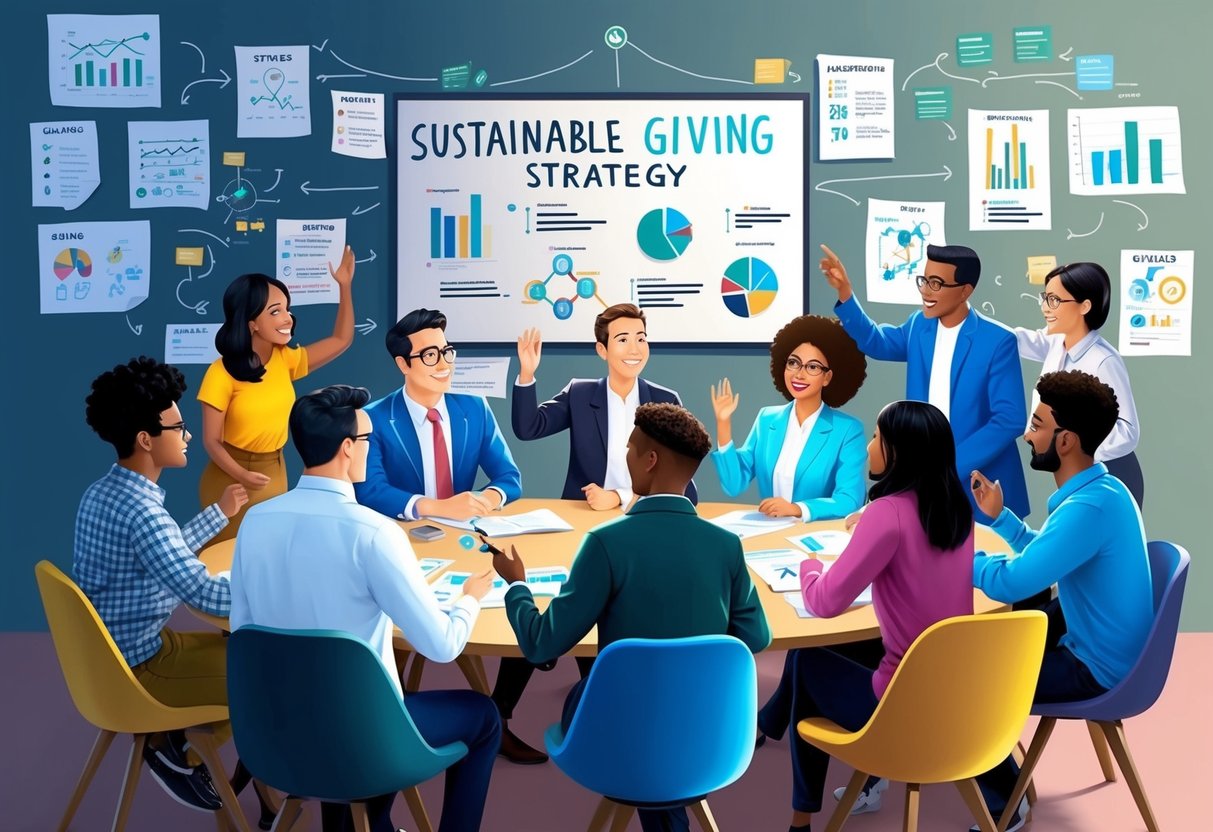 Why engage stakeholders? Because they are the lifeblood of any sustainable giving strategy. They include anyone affected by your initiatives, such as employees, community members, and investors. Each has unique insights that can boost the impact of your efforts. Ignoring them could mean missing out on valuable perspectives and untapped potential. I focus on identifying the key stakeholders first. Do all stakeholders have the same influence? Probably not. Understanding their roles helps me tailor involvement strategies. For example, local communities may have on-the-ground knowledge that’s crucial for pinpointing environmental impacts. Once I’ve identified them, I prioritize clear and open communication. Engaged stakeholders often become advocates for your cause. Engaging them can elevate your strategies and broaden your reach. By fostering a sense of shared mission, we can build stronger connections and trust. Regular feedback loops are essential. I listen to what stakeholders have to say. When I incorporate their feedback, it shows that their opinions matter. Use these insights to adjust and improve the strategy. It’s amazing how small adjustments can make a significant difference. Collaboration is the next stage. Imagine what a diverse group, united by common goals, can accomplish. When stakeholders actively participate in decision-making, they often feel a deeper connection to the outcome. The collective effort is more powerful than isolated actions. Engaging stakeholders is not a one-off task but an ongoing commitment. Maintaining these relationships requires dedication and transparency. This consistent engagement ensures the strategy remains relevant and effective, adapting to changing circumstances and needs.
4) Develop a Budget
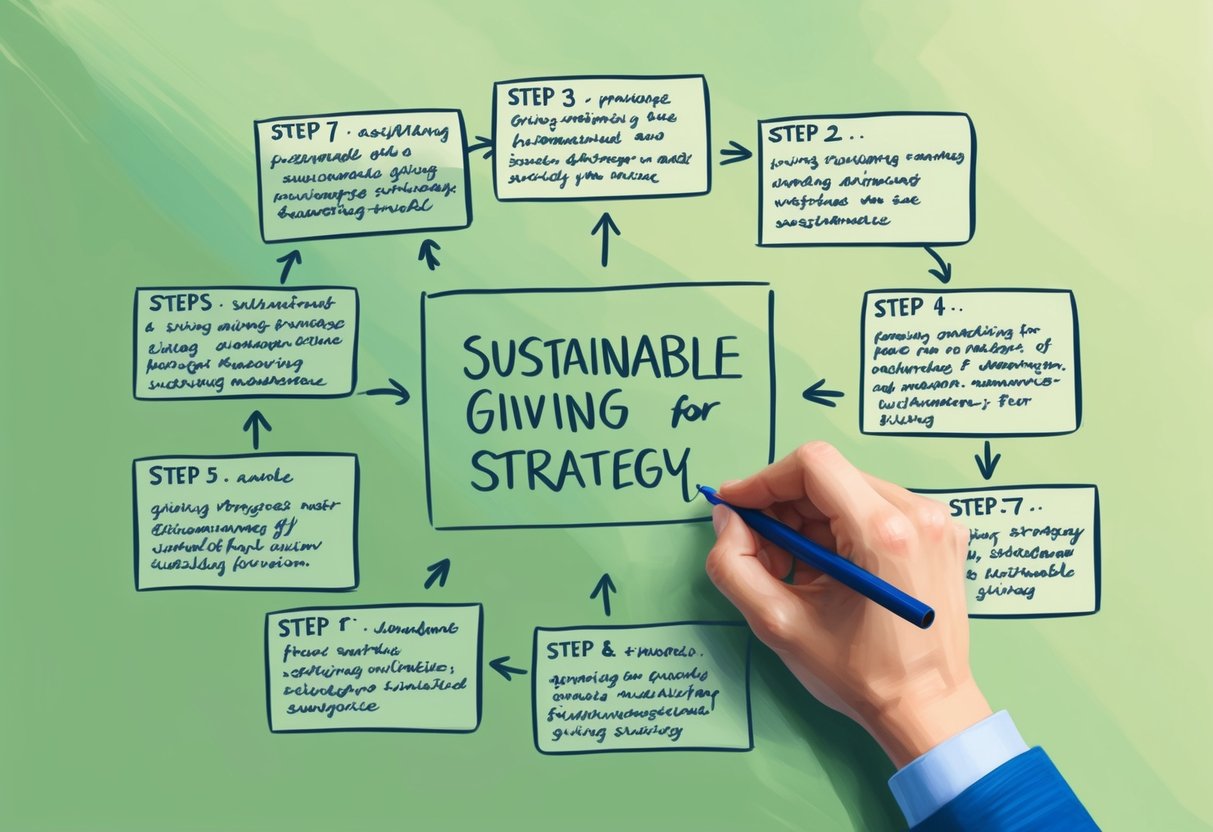 Creating a budget is key to a sustainable giving strategy. Do you know where every dollar is going? Without a clear picture, it’s like sailing without a compass. I start by listing all my income sources and then set aside a specific portion for giving. This ensures I prioritize my philanthropic goals. Tracking expenses is just as important. I categorize my spending to see where I can cut back. Dining out less often or limiting luxury purchases might free up funds for causes I care about. Consider this: is that daily coffee run worth more than your charitable aspirations? Next, I project future earnings and expenses. No one knows exactly what the future holds, but estimates can guide my strategy. With expected promotions, job changes, or retirement in mind, I adjust how much I allocate to giving. Flexibility allows me to stay on track even as life changes. I also set specific goals for my budget. Rather than vague plans, concrete targets provide clarity. Whether it’s giving a certain amount monthly or supporting a new charity each year, these benchmarks guide my decisions. It’s like having a roadmap to philanthropic success. Lastly, I revisit and update my budget regularly. Life isn’t static, so why should my budget be? As personal circumstances and financial conditions change, my giving strategy must adapt. Frequent reviews ensure my plan remains relevant and effective. Are you ready to take charge of your budget and make a lasting impact?
5) Select Giving Platforms
 When it comes to selecting giving platforms, it’s all about making choices that align with my goals. Do I want to support local nonprofits or contribute to global causes? By narrowing it down, I can ensure my donations have the impact I desire. Online platforms offer convenience and variety. Websites like Charity Navigator help me research different charities, ensuring my money goes where it’s needed most. Reviews and ratings provide insight into how funds are used and aid decision-making. Have I considered donor-advised funds (DAFs)? They allow flexibility in choosing where and when to donate. By placing money in a DAF, I can research thoroughly and plan my contributions without the rush. This strategy can amplify my giving power over time. Social media and crowdfunding sites are also powerful tools. Campaigns on these platforms often connect me directly with specific projects or individuals in need. It’s a way to see firsthand the change my donations bring about. Lastly, traditional banks and financial advisors sometimes provide charitable accounts. These options typically integrate into my existing financial plan, making it seamless to manage both my investments and charitable giving. With the right platform, I tailor my strategy to fit my lifestyle and values, ensuring every dollar does what I intend it to do. The choice of platform is key to maximizing the difference I can make.
6) Monitor outcomes
 Keeping track of where your money goes and what it achieves is crucial. How can we know if our efforts are making a real difference if we don’t measure the outcomes? I believe monitoring outcomes is like checking the pulse of our giving strategy. Imagine setting goals for your donations and investments. Are they meeting those expectations? We can’t just set it and forget it. Regularly reviewing the impact ensures that we are on the right track. It’s not just about the numbers; it’s about the changes we want to see. To make sure I’m seeing the full picture, I aim to gather feedback from those on the ground. Listening to the voices in the community can show us areas that need adjustment. It also adds depth and understanding to what the data might already be saying. Have you noticed when goals don’t align with outcomes? Adjusting strategies based on outcomes can be very powerful. By staying flexible, I can redirect efforts and maximize the impact. Setting up a simple system to monitor outcomes doesn’t need to be complicated. Use tools like progress reports and evaluations to help guide this process. These tools are valuable assets in any effective giving strategy.
7) Adjust Strategies Periodically
 Why stick with an outdated giving strategy when life is always changing? I believe it is crucial to revisit my charitable plan regularly. As my priorities shift, my giving strategy should too. This keeps my contributions aligned with what I believe in the most. Current events can significantly impact my approach. Maybe there’s a new development that tugs at my heartstrings, or perhaps an economic change that influences my financial abilities. Staying flexible allows me to adapt and make the most meaningful impact possible. Personal circumstances matter too. Life can throw curveballs—job changes, family needs, or unexpected expenses. It’s important to reassess as these changes occur. Doing so helps ensure that my giving remains purposeful and manageable. I often consult with financial advisors to make sure my strategy stays effective. They offer insights on tax-efficient giving options and can recommend adjustments that fit my current situation. Embracing these resources keeps my approach smart and intentional. Another tool I use involves tracking my progress against set goals. Having data at hand allows me to see what’s working. This way, I can make informed changes that optimize my efforts. Revisiting my strategy doesn’t have to be complicated. Simply setting aside time each year for reflection and adjustments keeps my giving intentional and aligned, making a genuine difference while fitting neatly into my life. Isn’t that ultimately what we all strive for?
Understanding Sustainable Giving
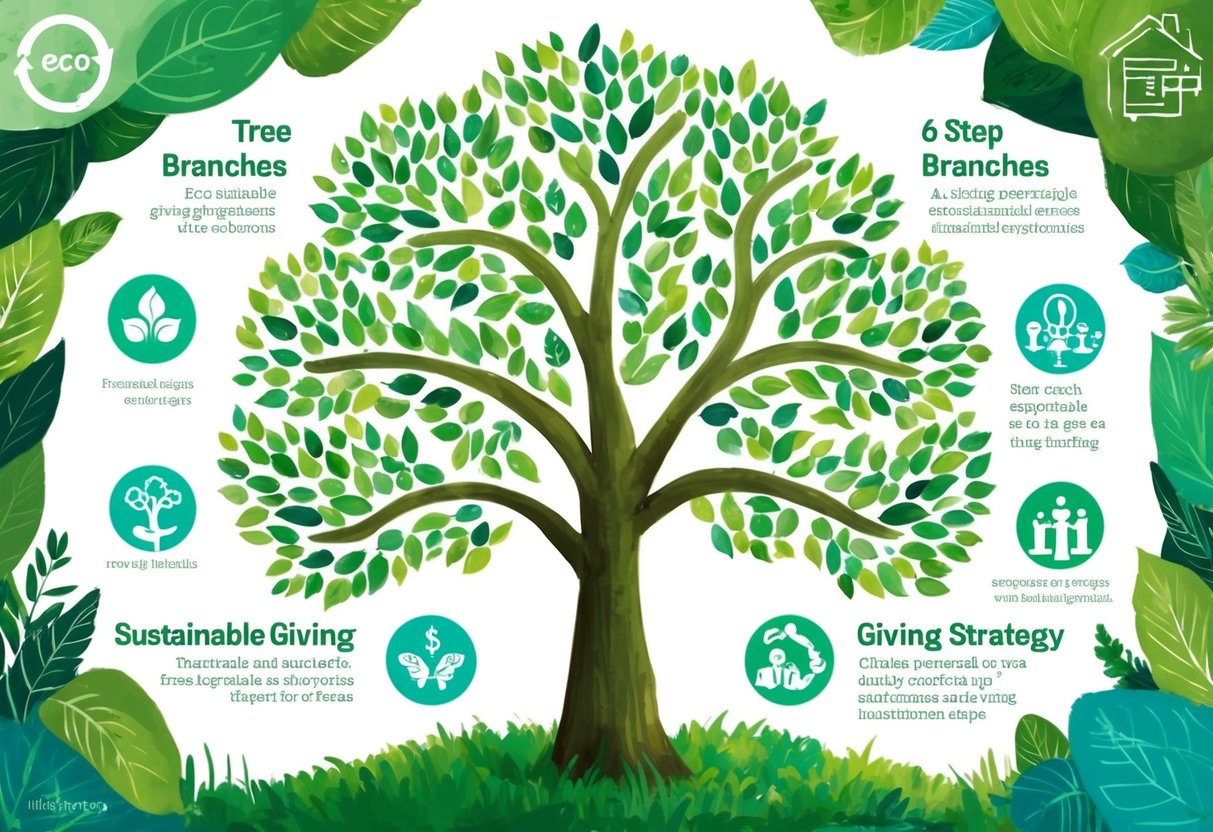 Sustainable giving focuses on creating meaningful and lasting change. It’s about using resources wisely to support causes that matter. Planning carefully ensures that donations have a long-term impact and support future generations.
Defining Sustainable Giving
What exactly is sustainable giving? It’s not just about making a donation today and forgetting about it tomorrow. It’s about creating a framework that supports long-term goals. Imagine donating with the intention of seeing continuous results over years, not days. The idea is to establish a strategy that aligns with personal values and goals while addressing real-world challenges. By developing a sustainable giving approach, I keep supporting important causes without draining resources quickly. An effective strategy considers factors like the economic landscape, organizational effectiveness, and the needs of those being helped. This way, the support can grow and adapt over time, encouraging ongoing improvement and impact.
Importance of Long-Term Impact
Why should we care about long-term impact? Because short-term solutions often fail to create lasting change. I aim to see my contributions continue to empower communities and support social progress far beyond the initial investment. By focusing on long-term impact, I have the opportunity to support initiatives that build resilience and self-sufficiency. This approach can help reduce dependency on constant funding, encouraging projects to become more sustainable. It might mean investing in education, infrastructure, or programs that empower communities to support themselves. The goal is to create a ripple effect, where today’s actions lead to significant benefits for years to come. When we shift our focus from immediate results to long-term impact, we can see real progress and lasting change.
Aligning Giving with Values
 Aligning your charitable giving with your values ensures that your contributions are both meaningful and effective. By tying your donations to what truly matters to you, you increase the impact of each dollar spent.
Identifying Core Values
What truly drives me? This is the question I ask myself when identifying my core values. Reflecting on past experiences and what stirred passion in me is crucial. It’s about digging deep to find causes that align most with my beliefs. I might use a list to jot down moments when I felt most fulfilled. Are there patterns? Maybe it’s education or environmental causes. By examining these reflections, I can see what really resonates with who I am today. Discussion with family or trusted friends also opens insights into my values. They can highlight beliefs I hold deeply, sometimes even more clearly than I perceive myself. By understanding my core values, I’m better equipped to support causes that are not just important but transformative for me.
Creating Alignment with Causes
Once I have identified my core values, I focus on causes that mirror these beliefs. This step requires research and due diligence. I look for organizations with clearly defined missions and track records in my areas of interest. If education is a priority, I find schools or charities that offer scholarships or invest in teacher training. If it’s environmental sustainability, I seek organizations working in habitat restoration or renewable energy. I ask myself: Do these organizations share my passion and vision for change? Are they transparent about their goals and spending? By aligning with trustworthy causes, my donations become more than a gift—they transform into catalysts for meaningful change. I ensure my giving strategy reflects not just my values but my vision for a better world.