
Planning for the future is something many people tend to delay, especially when it comes to long-term healthcare. But is waiting really the best option? As someone who has navigated these waters, I know there are compelling reasons to start thinking ahead. Understanding how early planning can make life easier and more secure is a powerful tool.  By considering your long-term healthcare needs now, you can avoid unnecessary stress and unforeseen financial strain later. It’s not just about preventing problems, but about taking charge of your future and ensuring that you and your loved ones have control over the choices you need to make.
1) Financial Security
 Ever wonder how to keep your financial ship steady in turbulent times? Planning for long-term healthcare is a key part of the answer. By getting a handle on potential costs early, I can protect my assets and ensure a secure financial future. It’s like building a strong foundation for a house; without it, everything else is at risk. Healthcare costs are rising fast. From home care to nursing facilities, these expenses can drain savings quickly. Without a plan, I might find myself dipping into my retirement funds or children’s savings. This isn’t just about money—it’s about peace of mind, knowing that I’ve made wise choices. Have you considered how long-term care insurance might play a part in your strategy? It can help cover costs, keeping my savings intact. This way, I can focus on what truly matters instead of financial worries. Knowing I have a safety net makes the future seem a lot less daunting. By planning early, I can explore all my options. Whether it’s insurance, savings, or other measures, starting now means more choices later. I can protect what’s mine and ensure that unexpected healthcare needs don’t throw me off course. Can you imagine what it feels like to be financially prepared for anything life throws your way? That’s the goal. With careful planning, financial security isn’t just a dream—it’s achievable and within my grasp. It starts with understanding the importance of early preparation for long-term care needs.
2) Reduced Stress
 Have you ever felt overwhelmed thinking about future healthcare needs? I know I have. Tackling these concerns now can significantly ease that mental burden. Planning in advance leaves less room for uncertainty and anxiety down the road. When unexpected challenges arise, having a plan in place makes them much easier to handle. Consider how stressful it is to make decisions under pressure. Without preparation, you’re left scrambling, which can lead to poor choices. Early planning lets you evaluate your options calmly and rationally. This way, when you or a loved one needs long-term care, you can focus on what matters most—being present and supportive. How about the financial aspect? Health-related expenses can be daunting. With early planning, you can set aside funds or secure insurance that aligns with your needs and means. This foresight prevents you from feeling financially trapped when those expenses occur. Ever notice how people who have a plan seem more confident? Think about it—knowing you’ve taken proactive steps can bring peace of mind. The assurance that you’ve done everything possible reduces stress not just for you, but also for your family. They won’t be left guessing about your wishes or scrambling to make quick decisions. So, why carry the weight of uncertainty when there’s a path to lessen it? By planning for long-term healthcare now, you’re not only reducing stress for yourself but also paving a smoother path for the future.
3) Customized Care Plans
 Imagine having a plan made just for you. That’s what customized care plans are all about. When it comes to long-term healthcare, one size doesn’t fit all. Customization helps in creating a personalized approach that aligns with both personal needs and preferences. Doesn’t it make sense to have your medical plans reflect what you actually need? A customized care plan ensures that treatments and resources are tailored to your specific medical conditions. This type of planning reduces unnecessary healthcare usage and can cut down on hospital costs. You can learn more about how it helps by checking out this scoping review. How do these tailored plans work? They involve not only doctors but also patients, engaging in shared decision-making. This collaborative effort ensures that both parties are committed to the healthcare goals set. The success of a personalized plan relies on active participation from everyone involved, as emphasized in a study on care planning. Planning early means greater flexibility. Your needs might change over time as you age, but with a long-term care plan that’s customized, these shifts can be seamlessly managed. The right care plan will adapt to your evolving health needs, ensuring you’re always getting the best possible care.
4) Better Access to Resources
 Have you ever wondered why some people seem to have everything planned out while others struggle? It’s all about access to the right resources. By planning for long-term healthcare early, you put yourself in a strong position to tap into a network of support and services well ahead of time. When you start planning early, you get familiar with the healthcare options available in your community. Waiting until the last minute can mean missing out on valuable programs and benefits. This proactive approach enables you to choose the best services to suit your needs and those of your family. Think about it—how much stress could you avoid if you already knew about potential costs and resources? With early planning, I can gather detailed information about healthcare and service providers. This helps me make informed decisions and ensures that I’m not blindsided by unexpected expenses. Being informed means that I can access financial resources specifically tailored for healthcare costs. Long-term care insurance, for example, can be an essential tool to manage out-of-pocket costs in the future. Did you know that only 33% feel prepared for long-term care despite most expecting to need it? Yet, planning ahead enables me to bridge this gap with confidence. Economic stability is another significant factor. I can find ways to enhance my ability to afford necessities like healthcare by exploring supportive programs that address social determinants of health and older adults. Proper planning lets me maintain a sense of economic security as I age. Early planning lays the groundwork for a smoother healthcare journey. By researching and preparing, I make sure that I’m not just reactive but proactive in ensuring better access to essential resources. Who wouldn’t want that kind of peace of mind?
5) Improved Family Communication
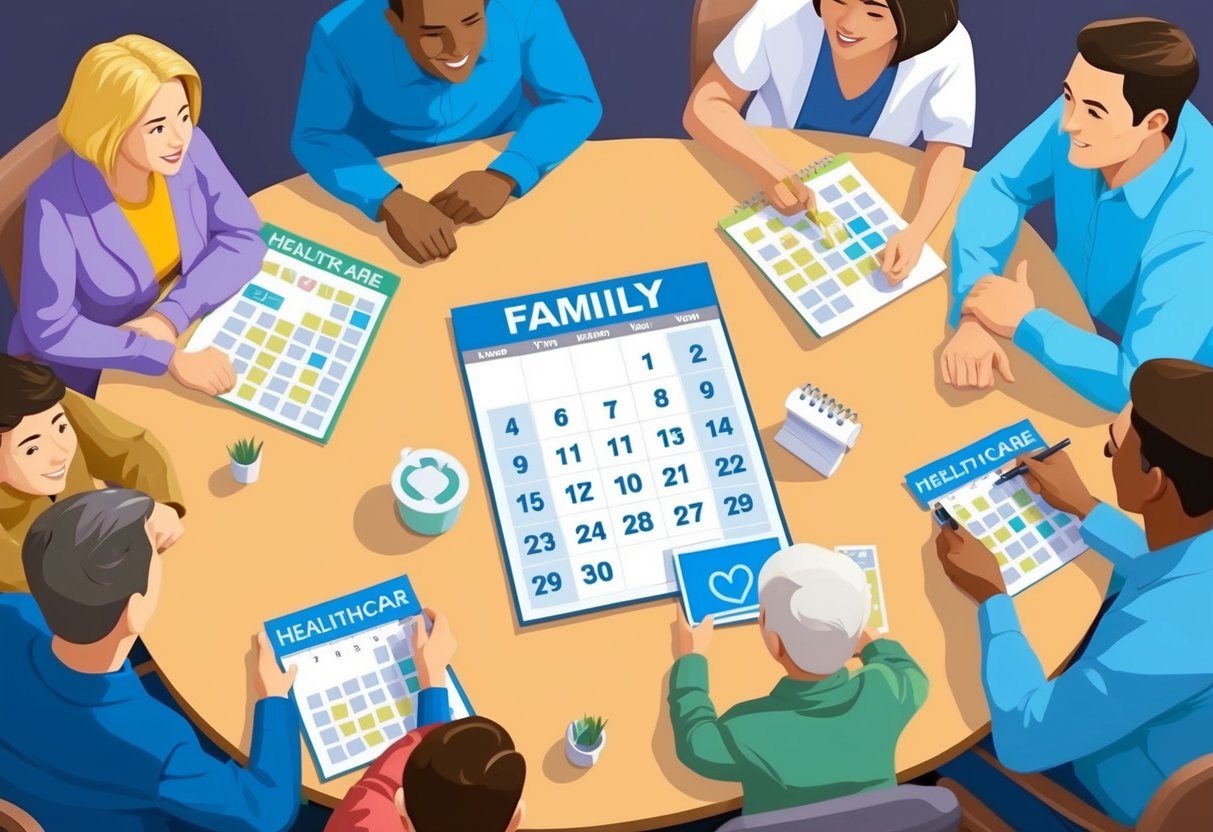 Have you ever faced the stress of trying to coordinate care for a loved one without a clear plan? This can create a lot of tension and misunderstandings within a family. Early planning in healthcare allows us to set the stage for honest and open conversations with our family members. Why does this matter? When everyone is on the same page, it reduces the likelihood of conflicts or confusion later on. By having scheduled talks, we can discuss expectations, responsibilities, and emotional needs. My family has benefited from this approach by sharing information and addressing concerns ahead of time. Good communication is a two-way street. It’s not just about sharing our plans but also listening to the thoughts and feelings of our loved ones. This goes a long way in building trust, especially during critical healthcare decisions. Structured plans can also help manage family dynamics. It keeps everyone informed and ensures that decisions aren’t made hastily. Informed decisions lead to better outcomes and more supportive relationships in the long run. Have you considered how improved communication can impact not just the patient, but everyone involved in their care? This is important because it creates a support system where everyone feels valued and involved. By focusing on effective communication, we can guide our families through difficult times with confidence and clarity. This proactive approach can transform challenges into opportunities for growth and deeper connections.
6) Mitigation of Healthcare Costs
 As we get older, healthcare costs seem to rise like clockwork. How do we handle this? Early planning is key. When I think about it, setting aside funds consistently can truly make a difference. It’s about anticipating those costs before they catch us by surprise. Have you ever wondered how inflation impacts your medical bills? Inflation can drastically increase expenses over time, so it’s important to plan ahead. There are strategies to mitigate these costs. Investing in insurance options can be a game-changer. Long-term care insurance helps cover the cost of support services required during aging. With the right coverage, those sudden medical needs won’t eat into your savings unexpectedly. By preparing ahead, we can prevent financial stress. I’ve realized the importance of building a safety net for healthcare needs. Isn’t it better to know you’re secured? Thinking about future costs now can save stress later on. Do you know the cost of a nursing home? It’s over $100,000 a year, according to recent data. Having a plan for such expenses means that they won’t derail our financial goals. Ultimately, it’s about peace of mind. Knowing that my healthcare needs are accounted for allows me to focus on enjoying life. Wouldn’t you want the same security? Effective planning now makes a comfortable retirement possible.
7)Increased Quality of Life
 Why should we care about planning for long-term healthcare? It’s simple: an increased quality of life. When we take steps early, it’s like making a smart investment in our future. We aim to enjoy the later years without being bogged down by unexpected health issues. Imagine having the freedom to live life on your own terms. Early planning means you can afford the care and support you need, without financial stress. Isn’t that the kind of retirement we all dream about? This security allows people to pursue hobbies, travel, or simply relax. Another reward is peace of mind. Knowing I have a plan in place reduces anxiety. I don’t worry about what might happen if I need long-term care. This peace allows me to focus on the things that bring joy. Isn’t it worth it to take action today? Engaging in lifestyle changes is another benefit. By planning now, I’m encouraged to embrace a healthy diet and regular exercise. These steps improve well-being and reduce the risk of future health issues. It’s about living my best life now and in the future. Strong social connections are part of a good life. When there’s less worry about healthcare, I’m more free to spend time with family and friends. It allows me to build meaningful relationships, which can be a powerful part of living well. Access to diverse care services is another aspect. Early planning opens up more choices for types of care. Whether it’s minimal help at home or more intensive care as needed, having options can really boost quality of life. This way, I have what I need, when I need it.
The Importance of Early Planning
 Early planning for long-term healthcare is more than just a safety net. It’s a strategy that ensures security and confidence for yourself and your family.
Understanding Long-Term Healthcare Needs
When it comes to long-term healthcare, the needs vary as we age. An early start allows me to anticipate changes and make informed choices. No one wants surprises when it comes to health. By evaluating family health history, we can predict possible future needs. What medical assistance might I need down the road? By exploring these questions, I can prepare better. This planning also means selecting the right insurance coverage. Avoiding gaps in coverage is critical. So, by considering these aspects now, I position myself to handle life’s unexpected moments with more control and less worry.
Financial Stability and Resource Allocation
Planning early provides a clear picture of the financial landscape ahead. I ask myself, how much will I need to maintain my lifestyle in the future? By examining expenses like long-term care insurance and healthcare costs, I can allocate resources wisely. Setting aside funds now helps to manage premiums and unexpected expenses. It’s not just about saving; it’s about optimizing investments. This includes choosing the right insurance plans that offer maximum benefits. Early planning creates a buffer against financial stress. I’m not just thinking about my own peace of mind but considering how it might affect my family’s financial future too. It’s about laying down a sustainable path for the years to come.
Navigating Healthcare Options
 When it comes to long-term healthcare planning, knowing how to choose the right providers and assess insurance plans is crucial. These decisions impact not only the quality of care but also financial stability.
Choosing the Right Healthcare Providers
Have you ever wondered how to find the best healthcare provider for your long-term needs? It’s not just about credentials. I look at location, reputation, and the types of services offered. Visiting facilities and speaking with staff can provide invaluable insights. Don’t forget to consider specialists who can address specific health conditions. Word-of-mouth recommendations from friends and family can also guide you. Why not make a list of potential providers and evaluate them based on their proximity, specialties, and reviews? It’s also helpful to consult healthcare directories or online platforms for patient ratings and testimonials.
Assessing Insurance Plans
Feeling overwhelmed by insurance options? You’re not alone. Evaluating insurance plans means looking beyond premium costs. I focus on coverage details, such as which services and medications are included. It’s important to consider whether the plan covers preferred healthcare providers. Sorting through the fine print can be tedious, but it’s necessary. I recommend listing out what’s important to you—like prescription coverage or flexibility in provider choice—and using that list to compare plans. Some platforms offer side-by-side comparisons that illustrate differences in coverage and costs, which can be a real eye-opener.