

When it comes to securing your financial future, the importance of a well-funded trust can’t be overstated. Have you ever wondered why some families manage to pass on wealth smoothly while others get tangled in legal battles? The key lies in how well the trust is funded. Understanding the steps to properly fund a trust is crucial for anyone looking to ensure their assets are protected and efficiently transferred to their heirs. Throughout this article, I’ll guide you through the essential steps of trust funding, a topic that often seems daunting yet is incredibly vital. A properly funded trust not only safeguards your wealth but also provides peace of mind for you and your loved ones. As someone who’s navigated through the complexities of estate planning, I know how empowering this knowledge can be. Let’s remove the guesswork and feel confident in your financial decisions.
1) Consult a Qualified Attorney
 Why should you consult a qualified attorney when funding your trust? It’s simple. An attorney can help you navigate the complexities of legal documents and ensure everything is in compliance with the law. An attorney will review your specific situation and tailor the trust to meet your goals. They’ll help align the trust with current laws and regulations. This step isn’t just smart; it’s essential. Why take chances with something as important as your financial future? Trust documents can be intricate. Even a small mistake can cause issues. Attorneys have the expertise to draft precise documents and avoid pitfalls. Are you willing to risk errors that could jeopardize your financial plans? Moreover, an attorney will consider all factors, including tax implications and asset protection. They’ll guide you on how to title your assets properly. This way, you can rest assured that your trust is fully funded and protected. By consulting an attorney, you gain peace of mind. You know your trust is set up correctly and in line with your desires. It’s not just about setting up a trust; it’s about doing it right. Are you ready to take control of your financial future?
2) Identify the assets to fund
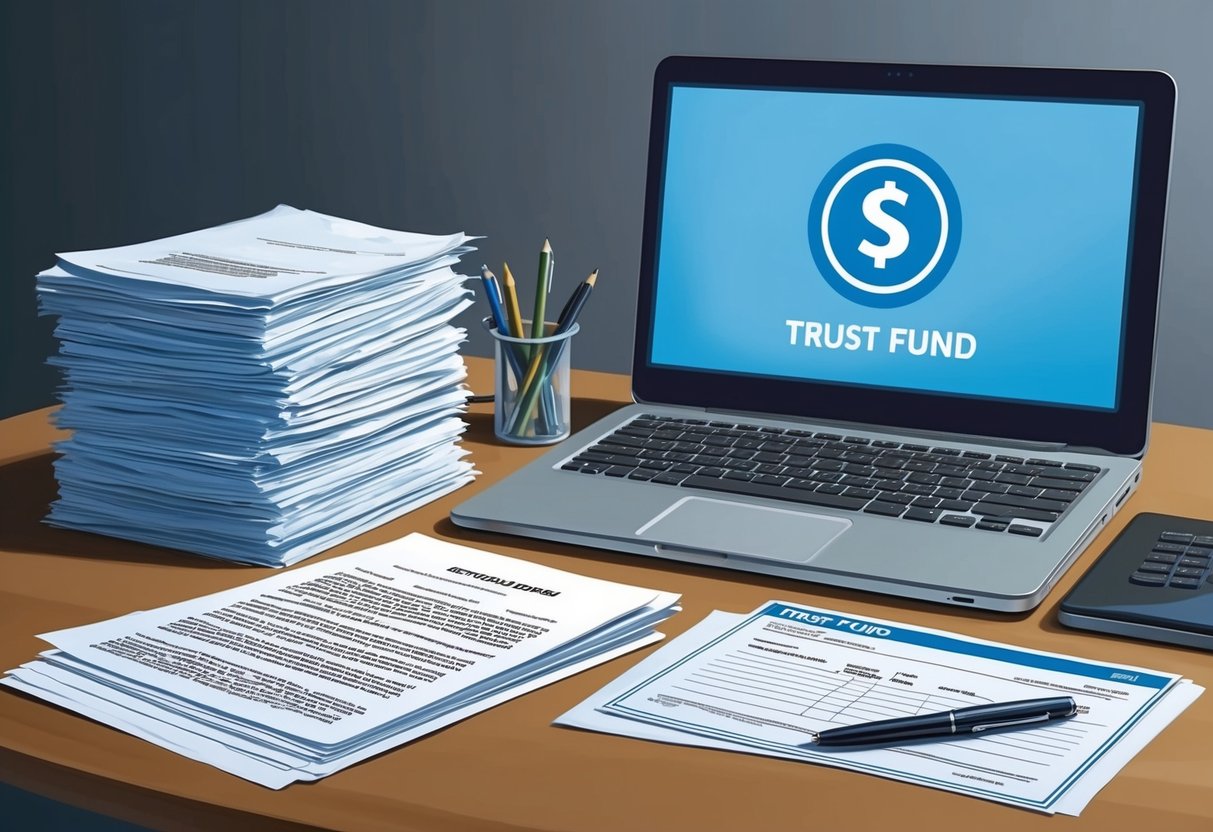 When it comes to funding a trust, not all assets are created equal. Which assets should I consider? Let’s dive into this important step. First, I take stock of my real estate. Homes, vacation properties, and rental properties are prime candidates. Transferring real estate can avoid the headache of probate. Plus, it ensures that the property benefits my loved ones without unwanted delays. Next, I look at my financial accounts. This includes checking, savings, and investment accounts. By retitling these accounts in the name of the trust, I seamlessly incorporate them into my estate plan. The key is making sure the trust is listed as the owner, protecting the accounts from unnecessary complications. What about personal property? Jewelry, artwork, and collectibles can also go into the trust. While it might seem like a smaller detail, these items hold sentimental and financial value. Properly transferring them ensures they get to the intended recipients. I also evaluate my business interests. If I own shares in a company or have a stake in a partnership, these can be transferred. Doing this shields the business from probate and helps secure its future operations, benefiting both me and my heirs. It’s essential to examine life insurance policies. Naming the trust as a beneficiary can keep the benefits out of probate and allow for easier distribution. This step can provide my family with peace of mind and financial security. Finally, I look at retirement accounts. While I can’t directly transfer accounts like IRAs to a trust, I’ve learned that naming the trust as a beneficiary might be an option. This decision requires careful planning to avoid unwanted tax implications. Identifying the right assets takes careful thought and planning. It’s about ensuring that my loved ones benefit without stress. Each asset I choose helps build a strong foundation for my trust.
3) Transfer real estate titles
 Transferring real estate into a trust might seem complex, but it’s crucial for securing your assets. Do you have the original property deed? This document shows ownership and is your first step. Without it, you can’t move forward. Make sure the title is clear of any issues, such as liens or defects. Next, you need to prepare a new deed. This is usually a quitclaim or warranty deed. What’s the difference? A warranty deed guarantees clear title. It’s like saying, “I own this, and there are no surprises.” A quitclaim deed is simpler but doesn’t offer the same assurance. It just transfers whatever interest you have. Contact your county recorder’s office. They’ll usually require both the old and new deeds. Each jurisdiction might have slightly different requirements, so don’t skip this step. Ask questions if you need to, and make sure you understand their process. Should you go it alone or work with a professional? I’d recommend getting help from a real estate attorney, especially if you’re unsure about any steps. They can help ensure everything is correct and avoid any unwelcome surprises later. Once the new deed is signed and notarized, it must be recorded. This makes the transfer official and public. Your property now belongs to the trust, offering benefits like avoiding probate. The peace of mind is worth the effort, isn’t it? Transferring real estate is a critical move in funding your trust. Handling it with care ensures your assets are protected and your financial future is more secure.
4) Update Bank Account Beneficiaries
 Ever feel like your hard-earned money is slipping through your fingers? Updating bank account beneficiaries is like putting a safety net in place. Have you designated your trust as a beneficiary on your bank accounts yet? This step can ensure a seamless transition of assets, preventing potential hiccups for your loved ones in the future. We often overlook how important it is to keep this information current. Life changes—marriages, divorces, births, or deaths—can impact who should benefit from your assets. Not updating these details in time can lead to unintended outcomes. Imagine the relief of knowing your assets will reach the intended recipients without unnecessary delays or disputes. With a simple beneficiary form, you can direct your bank to transfer funds to your trust after your passing. Wouldn’t it be peace of mind to know that your financial wishes are honored? Updating your beneficiaries regularly is a small effort that can protect your legacy and support your loved ones just as you envision.
5)Re-title Investments and Securities
 Ever wondered why re-titling your investments and securities can be a game changer for your trust? It’s a step that can make a real difference in how your assets are managed and passed on. When you re-title investments to your trust, it means the trust will hold the legal title. This step is vital because it ensures your assets avoid probate. Probate can be a time-consuming process, and by re-titling, you can save your loved ones from this hassle. Why let your investments get caught up in legal delays when they can be smoothly transferred? To do this, you may need assistance from your financial advisor or broker. They’ll guide you through the process of changing the names on accounts to include your trust. Concerned about losing control? You shouldn’t be. You maintain control over your investments just as before, even when they’re under the trust’s name. It’s about strategy, not restriction. It’s essential to inform the financial institution of your trust’s specifics. Always have your trust document ready. This helps ensure the process is seamless and your assets are correctly titled. Have multiple accounts or securities? Each needs individual attention. It might feel tedious, but your future self will thank you. So ask yourself, is your financial future worth this extra step? Taking these steps now can offer peace of mind and secure your legacy without unnecessary obstacles.
6) Assign Life Insurance Policies
 Life insurance is a powerful tool in estate planning. Have you considered how it can impact your trust? By assigning life insurance policies to your trust, you not only secure a future for your beneficiaries but also add a layer of protection and efficiency. Naming your trust as the owner and beneficiary of your life insurance policy ensures the payout goes directly into the trust. Why is this important? It avoids the probate process, which can be lengthy and expensive. Your loved ones can access funds without unnecessary delays. This setup also offers privacy. Unlike a will, which becomes public record, a trust keeps the details private. I find this appealing because it shields the financial affairs of my beneficiaries. The trust can manage and distribute the funds according to specific instructions. It’s vital to update the beneficiary designations on your policies. Be sure to list the trust as the beneficiary to ensure the funds flow correctly. Have you thought about the potential tax benefits? Life insurance policies often provide tax-free death benefits, which can be a significant advantage. Working with professionals is a wise move. Funding a trust isn’t something to tackle alone. Estate planning attorneys and financial advisors can help navigate the complexities. They can ensure that everything is set up correctly, avoiding costly mistakes. Have you reviewed your policy lately? Policies should align with your current estate planning goals. As life changes, your needs might change too. Regular reviews guarantee your trust remains an effective tool in your financial plan. Assigning life insurance to a trust is a strategic decision. It requires careful planning, but the benefits can be significant. Your trust becomes not just a document but a living part of your financial legacy.
7) Add Valuable Personal Property
 Have you ever considered including your prized personal items in your trust? Let’s explore the potential benefits. Many people overlook personal property when funding a trust. Things like jewelry, artwork, and collectibles can have significant value. By including these items, you not only protect them but also ensure they are distributed according to your wishes. Why let your valuable items go unprotected? When I think about all the personal treasures I’ve collected over the years, I want to make sure they’re handled properly after I’m gone. This means adding them to my trust. Are these treasures just for you, or do you want future generations to enjoy them too? It’s important to consider who should receive these items and why. Including them in your trust helps eliminate potential disputes among heirs. The process of transferring personal property to a trust can vary. Typically, a simple assignment document listing the items and transferring ownership to the trust is needed. It’s a straightforward step in the estate planning process that offers peace of mind. Think about the stories and memories each item holds. By adding them to your trust, you’re preserving a legacy. Isn’t that a comforting thought? This isn’t just about valuables—it’s about continuity and assurance for your loved ones. Finally, consult with a legal expert to ensure all valuable personal items are accurately documented. This ensures that everything falls in line with your overall estate plan. Protecting your legacy is not just an investment in finances—it’s an investment in your family’s future.
8) Ensure Digital Assets Are Covered
 Have you ever thought about what happens to your online accounts, cryptocurrencies, or digital collections when you’re gone? It’s crucial to include digital assets in your trust. Many people overlook this, but I can’t stress enough how important it is. First, make a detailed list of all your digital assets. This can include everything from email and social media accounts to domain names and digital currencies. By having a comprehensive list, you ensure nothing gets lost or forgotten. Have you considered how your loved ones can access these assets? Make sure you provide clear instructions for accessing each one. This might involve sharing passwords or using a digital password manager to keep everything secure yet accessible. Don’t forget to address the terms of service for each platform. This can impact how your assets are transferred. Some platforms might have their own rules about what happens to accounts after a user passes away, so it’s wise to check this in advance. Have you designated a digital executor? This person is responsible for managing your digital assets as outlined in your trust. They will follow your instructions to ensure everything goes smoothly. One more thing—stay updated. The digital world changes quickly, and so do your assets. Regularly review your list and update any changes to keep your trust accurate and effective. This step can save your family a lot of hassle in the future.
9) Understand Tax Implications
 Taxes are a crucial part of funding your trust. Why do taxes matter so much? They can impact how much of your hard-earned money actually benefits your loved ones. Trusts are often considered separate entities, so they may be taxed differently compared to personal income. The type of trust you’ve chosen can greatly affect its tax treatment. For example, a revocable trust might not change your tax situation much during your lifetime. But an irrevocable trust? That’s a different story. It can have its own tax ID and file its own tax returns. Income generated by the assets in your trust is another factor to consider. Will it be taxed at the trust level, or pass through to you? This distinction can make a big difference in your overall tax bill. Understanding these details means more money stays with you and your family. Does your trust include retirement accounts? If so, naming it as the beneficiary can pass funds directly into the trust while maintaining tax advantages. But always consider potential tax complications. Consult with an experienced professional to navigate these waters. The peace of mind in knowing your trust is set up efficiently can be invaluable. Potential taxes, like income, gift, or estate tax, need careful planning to avoid unexpected surprises. Making informed decisions will ensure your trust serves its intended purpose.
10) Review your trust regularly
 Have you ever felt like you’re missing something with your financial plans? I’ve been there, too. Regularly reviewing your trust can prevent surprises down the road. It’s not just about creating a plan—it’s about keeping it relevant as life changes. I find it’s important to schedule trust reviews every three to five years. This helps ensure your assets are aligned with your current goals. Have you acquired new assets or maybe sold a property? All these changes should reflect in your trust. It’s essential for making sure everything stays up to date. Life events such as a new job, marriage, or even a change in state laws can significantly impact your trust. That’s why I recommend updating your trust during such changes. You can’t predict the future, but you can prepare for it by revisiting your trust regularly. This means your estate plan continues to serve you effectively. How do you know when it’s time for a review? Listen to your inner voice when you feel that your financial landscape has shifted. I’ve learned that when your circumstances change, so should your trust. Don’t let your hard work and savings get lost due to oversight. By keeping your trust current, you set a strong foundation for retirement and any financial goals you have for your family. Invest the time now to ensure your financial safety net is secure for the future.
Understanding Trust Funding
 When it comes to securing your financial future, trust funding may sound complicated, but it doesn’t have to be. Let me break down the different types of trusts and the legal aspects that are key to making informed decisions.
Different Types of Trusts
Have you ever wondered how different kinds of trusts serve unique purposes? Living trusts, for instance, operate while you’re alive and can help avoid probate. They offer flexibility, allowing you to manage and modify them as needed. On the other hand, testamentary trusts are created through a will and spring into action only after your passing. This type is typically used to manage an inheritance for minor children. Then there’s the irrevocable trust. Unlike a living trust, it’s more rigid, often favored for tax advantages and asset protection. An irrevocable trust moves assets out of your estate, potentially lowering estate taxes. In choosing the right trust, think about your specific goals and needs. Various types of trusts can greatly impact how your wealth is preserved and transferred.
Legal Considerations
Navigating the legal landscape of trust funding might seem daunting, but it’s crucial to get it right. Why is it so important? If you don’t fund your trust properly, your heirs could face unnecessary taxes or probate hassles. Ensuring each asset is correctly titled in the trust’s name is essential to a smooth transfer later on. When dealing with real estate, for example, you’ll need a new deed to transfer ownership to the trust, as mentioned in this guide to trust funding. Don’t forget, legal compliance also means staying on top of any fees or documentation required by the county office or financial institutions. Remember, getting legal advice tailored to your needs can be invaluable. I like to think of it as investing in peace of mind, ensuring your assets are protected exactly how you intend.
Financial Implications
 When funding a trust, understanding tax issues and managing assets properly can save money and ensure your plans are executed effectively. You need to know the tax benefits and pitfalls, as well as adopt smart strategies for handling your assets.
Tax Considerations
Tax implications should be at the forefront when funding a trust. Have you thought about how trust income is taxed? Income generated by the trust, whether from dividends, interest, or capital gains, may be subject to taxation. Some types of trusts allow income to be taxed differently, potentially offering advantages. Consider the federal gift tax if transferring assets into a trust. Each person has an annual exclusion amount they can gift tax-free. By strategically using this, you can lower potential gift taxes. Furthermore, certain trusts enable estate tax savings, which can be critical in reducing your taxable estate size. Be sure to speak with a tax professional to maximize benefits.
Asset Management Strategies
Effective asset management is vital to keeping your trust operating smoothly. When transferring assets like real estate into the trust, ensure deeds are properly retitled to avoid complications later. Have you evaluated which assets are most beneficial to place in the trust? For example, while cash accounts are straightforward, investment accounts may require more care due to potential value changes. Strategizing with diversified assets can protect the trust’s value over time. Regularly review and adjust your investments to align with your goals. Keeping an eye on risk tolerance and potential returns helps in making informed decisions. Having a detailed plan can help manage the trust efficiently, allowing it to work better for you and your beneficiaries.