
When it comes to deciding between in-home care and assisted living for a loved one, the choice often feels like a financial and emotional maze. How do you make a decision that truly meets their needs without jeopardizing your own plans? The key lies in understanding what each option can offer and how it fits into your long-term strategy.  Finding the right balance can bring peace of mind and ensure your loved one receives the care they deserve. It’s not just about cost or convenience; it’s about making a choice that aligns with your values and goals. Is it about maintaining the comfort of familiar surroundings, or does the promise of community and support hold more weight? These are the questions I explore to help make a more informed decision.
1) Cost Comparison
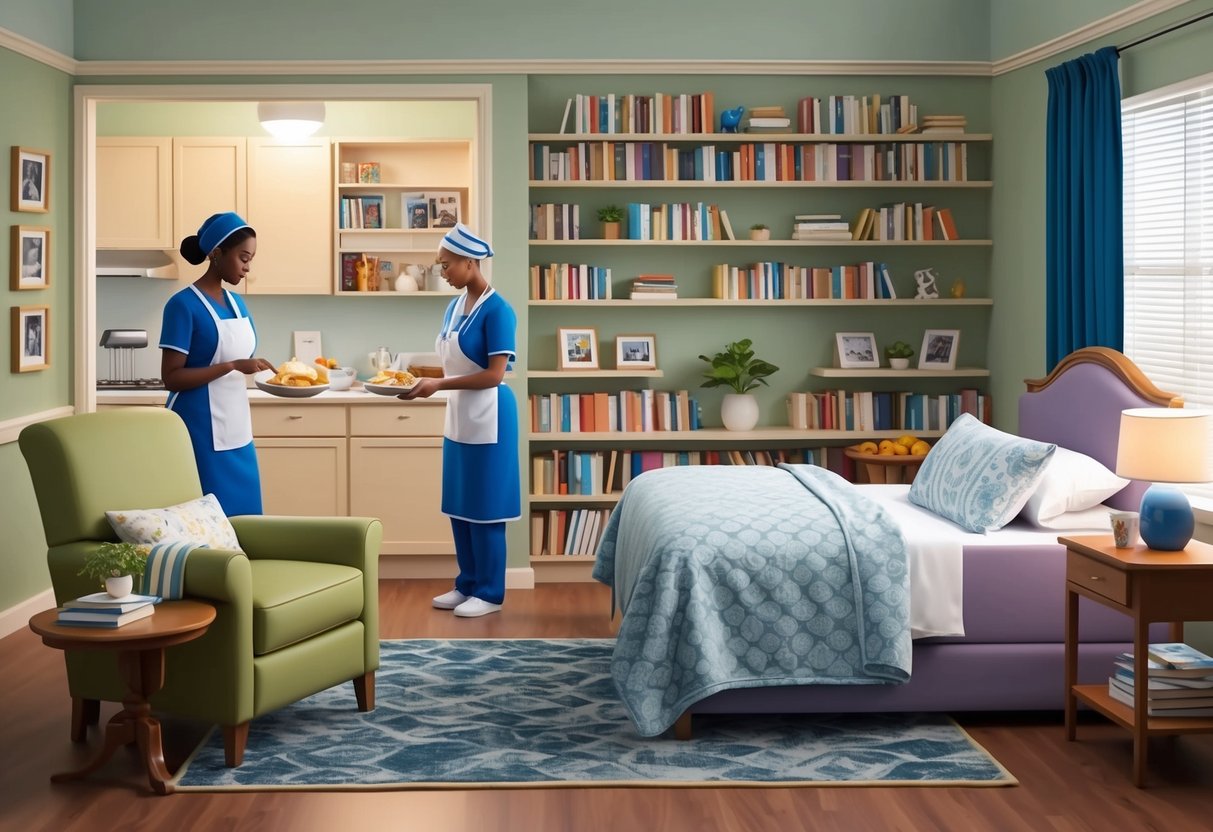 How do we balance the cost when choosing between in-home care and assisted living? It’s a question many face as they consider the best care options for themselves or loved ones. From what I’ve seen, cost can truly impact the decision-making process. In-home care costs are usually based on hourly rates. Depending on the level of care needed, these costs can add up. It’s like stacking hours on hours, and before you know it, it can reach $4,500 or more per month for full-time care. This path allows for flexibility but requires careful budget management. On the other hand, assisted living provides a more predictable monthly expense. According to a survey, the median cost for assisted living is $5,350 per month, which totals around $64,000 annually. This stable pricing often includes housing, meals, and some assistance with daily activities. Location is another crucial factor. Prices vary significantly across different regions. If you’re in a more expensive city, you might find both options are pricier there. Always consider geographic factors when making your choice. Each option has its unique set of services and benefits. In my experience, you must evaluate what specific needs you have and how much you’re willing to pay for convenience versus personal freedom. What services are included, and what might cost extra? Every family’s financial situation is different, and considering these variables will help in choosing the right path. Which route aligns with your financial goals and long-term plans?
2) Health Needs Assessment
 To make the right choice between in-home care and assisted living, it’s important to assess health needs. Do you or your loved one require special medical attention? This question guides our decision-making. What about daily living activities? Are tasks like bathing, dressing, or eating becoming difficult? In-home care might offer more comfort for those who need personalized support but can manage independently. It allows staying in familiar surroundings and can be tailored to specific health needs. On the other hand, assisted living provides 24/7 access to healthcare services. This can be vital for individuals with chronic conditions or those needing regular medical assistance. Consider the frequency and type of care needed. Is it occasional help, or is constant care necessary? In-home care may include services like nursing, physical therapy, or meal preparation right at home. Yet, if comprehensive care is required throughout the day, assisted living can ensure consistent attention and safety. Financial implications also play a key role. Have you considered the cost difference between these options? Assisted living facilities often have fixed fees, while in-home care charges vary based on services. Creating a health needs assessment involves more than just looking at current conditions. It’s about thinking forward. What might health requirements look like in a year or five? I like to plan ahead, considering how needs might evolve. This isn’t just about medical demands. It’s about quality of life, creating a comfortable, secure environment. By asking these questions, we can make informed decisions that align with individual health requirements and lifestyle preferences.
3) Community vs. Isolation
 When deciding between in-home care and assisted living, the question of community versus isolation often arises. Does being in your own home mean becoming isolated from the world? Or does it mean maintaining cherished independence? In-home care allows for privacy and familiar surroundings. It’s a comforting choice for many. You maintain control over who visits and when. Yet, are enough social opportunities available at home? Assisted living offers built-in community. It’s like being part of a neighborhood where social activities are just down the hall. Regular social events, group dining, and shared spaces provide chances to connect. Isolation can impact mental health. Feeling lonely or cut off can lead to stress and anxiety. It’s crucial to consider how easy or hard it is to stay connected with family and friends. Social interactions in assisted living help keep the mind active. In-home care might require more effort to plan visits and activities. Is your loved one ready for that commitment? Balancing community with the intimacy of home is key. Ultimately, the decision should reflect personal preferences and social needs. Consider what makes you or your loved one feel most connected and supported. Community thrives where relationships are encouraged, whether at home or in assisted living.
4) Level of Independence
 When thinking about living arrangements, the level of independence is key. How much freedom do you or your loved one need? It’s a big question to ask yourself. Independence can be empowering, giving a sense of control and dignity. Yet, needing support doesn’t mean losing your ability to be in charge. Assisted living facilities often provide around-the-clock help. This support includes assistance with daily activities, like bathing and medication management. It’s a great choice if continuous care is needed. But it could feel like giving up some independence. Isn’t it crucial to weigh how much help is needed against the desire for freedom? In-home care might offer more flexibility. It provides help while allowing people to stay in familiar surroundings. You can get the care you need and still be in your own home. Sounds like the best of both worlds, right? But, remember, it’s all about finding what fits your needs best. Is maintaining independence high on your priority list? If so, independent living might be worth considering. Places that focus on independent living give individuals the freedom to make their own choices. Choosing meals, activities, and how the day unfolds can be very liberating. Who doesn’t want the best of both living life freely and getting the help they need? Ultimately, the level of independence you desire should guide your decision. It’s about striking the right balance between being supported and feeling free. We all want to live life on our own terms. Considering how much independence you or your loved one can safely manage is crucial.
5) Family Proximity
 As I consider the options between in-home care and assisted living for a loved one, family proximity becomes a crucial factor. Being close to family can significantly enhance the quality of life for both the senior and their relatives. Living near family offers emotional stability and peace of mind. Elders who remain close to their families often feel more secure, knowing help is just a short distance away. Proximity also makes it easier for family members to participate in care decisions and manage any emergencies or health issues that arise. In-home care can be a convenient choice if family members live nearby, enabling them to visit regularly without the logistics of long-distance travel. It allows seniors to stay connected with their loved ones while enjoying the comfort of familiar surroundings. This option can strengthen family bonds, providing shared experiences and memories. On the other hand, assisted living facilities often offer a wider network of social activities and professional care. If a suitable facility is located near family, it can offer the best of both worlds: quality care and access to family visits. This setup can relieve the burden on family members while ensuring the elder is well cared for and socially engaged.
6) Staff Qualifications
 When deciding between in-home care and assisted living, staff qualifications are a key factor. Do the caregivers know what they’re doing? For me, ensuring that those who have hands-on responsibilities are properly trained is non-negotiable. In-home care providers should have the right certifications and experience. Have you considered what specialized training they might need? A certified nursing assistant (CNA) or a home health aide (HHA) can make a big difference. Their training often includes first aid, CPR, and patient care skills. In an assisted living facility, the qualifications might be different. Staffing includes nurses, caregivers, and even therapists. These professionals are often on-site and available at all hours. Does this set your mind at ease? Knowing there’s a registered nurse around can provide significant peace of mind. I ask myself, can these caregivers handle emergency situations confidently? Staff in these settings often undergo further training for specific conditions like dementia or mobility issues. This adds an extra layer of care and professionalism. It’s wise to dig a little deeper into background checks and ongoing education. Do staff members attend regular training sessions? Are they up to date with the latest caregiving techniques and elder care policies? When weighing options, consider the reputation of the caregiving facility or agency. What do others say about staff quality? Are employees valued and happy in their roles? This often reflects in the quality of care provided to loved ones. A keen focus on staff qualifications not only ensures safety and health but also contributes to overall well-being. Staff expertise can make all the difference in creating a secure, supportive environment for our loved ones.
7) Emergency Procedures
 When considering care options for loved ones, it’s crucial to think about emergency procedures. In assisted living facilities, trained staff are usually available around the clock. They are prepared to handle medical emergencies and can quickly call for professional help if needed. On the other hand, in-home care might require some careful planning. Is your home equipped with necessary safety features like emergency alert systems? These can be lifesavers for those aging in place, offering a quick way to summon assistance. You might want to consider the proximity to emergency services too. In an emergency, being close to a hospital can make a big difference. With assisted living, there’s often a guarantee that staff can administer basic first aid while waiting for paramedics. How well do you know the emergency procedures in your area? Do you have a plan in place if something unexpected happens? Implementing a clear plan can reduce anxiety and ensure timely responses. Having the peace of mind that comes from knowing there’s a solid plan in place for emergencies can be invaluable. Whether you choose assisted living or in-home care, understanding how each handles emergencies should be a top priority. It’s all about weighing the pros and cons and seeing which option aligns best with your needs. After all, ensuring the safety of loved ones is always a top concern.
8) Social Activities Offered
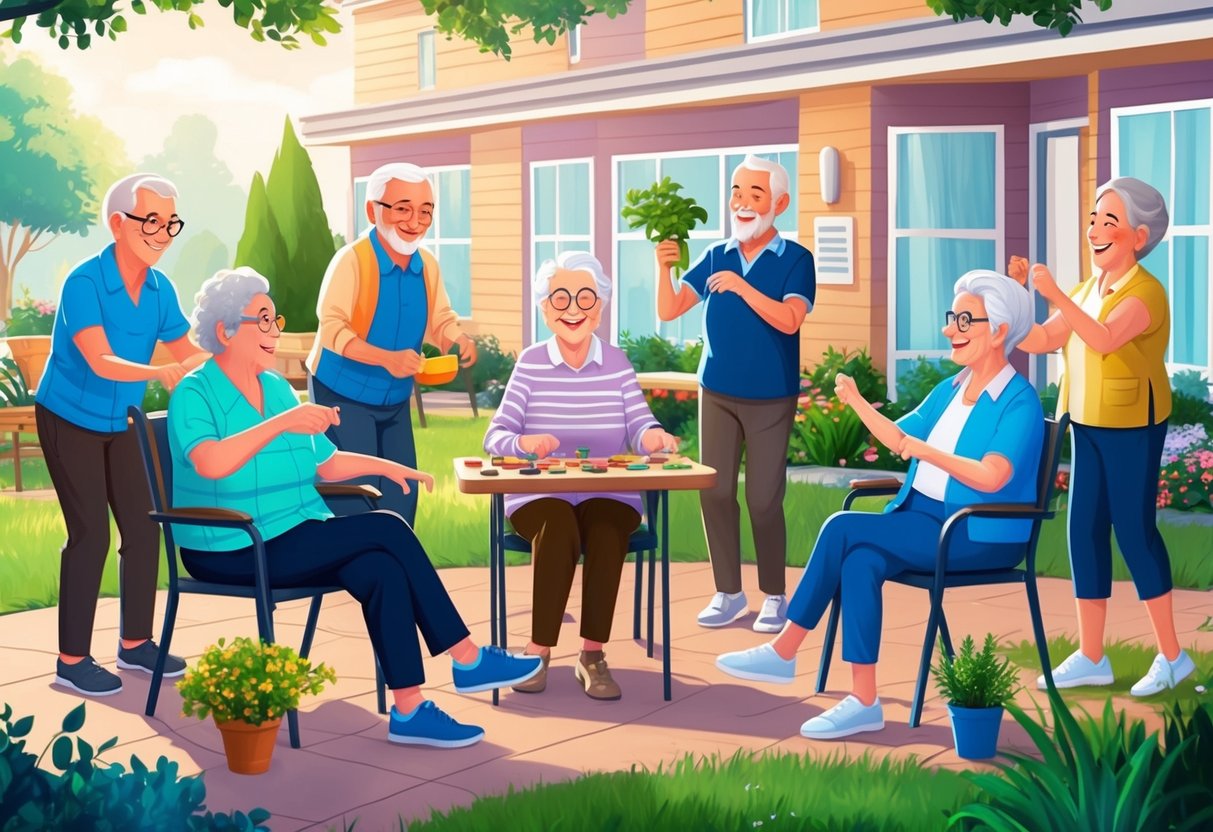 When deciding between in-home care and assisted living, social activities play a big role. Are you thinking about how these environments might impact your social life or that of a loved one? I know that’s a common concern. Assisted living communities offer various social activities designed to engage residents. These can include group outings, fitness classes, and game nights. It’s a great way for seniors to stay active and connect with others. In-home care, on the other hand, keeps you in familiar surroundings but may not have the same range of social activities. You or your loved one might rely on family visits or local community centers for interaction. Have you thought about how this might affect daily life? In assisted living, social calendars are often packed. Residents might have the chance to join clubs, attend lectures, or participate in arts and crafts. This environment can offer a sense of belonging and stimulate mental health. Isn’t mental well-being an important consideration? For those opting for in-home care, socializing can require more effort. Will friends and family be available for regular visits? Transportation to local events may also need to be arranged. It’s vital to think about how to maintain social connections. Both options have their benefits, depending on personal preferences. Assisted living might provide a built-in social network, while in-home care lets you maintain relationships in your community. Consider what matters most for you or your loved one’s social needs.
9) Home Maintenance
 When considering between in-home care and assisted living, home maintenance becomes a significant factor. Have you thought about the time and effort required to keep a home running smoothly? Managing repairs, cleaning, and yard work can become tough, especially as we get older. It’s not just the physical effort; it’s the coordination and the unexpected costs that can catch us off guard. In an assisted living facility, one of the perks is that home maintenance is typically handled for you. You don’t have to worry about mowing the lawn or fixing a leaky faucet. It’s all part of the package, which can offer peace of mind and free up time for other pursuits. Imagine the relief of not having to handle those seasonal tasks like cleaning gutters or shoveling snow. These might seem trivial when you’re younger, but they add up. When choosing in-home care, factoring in additional help or services for maintenance might be essential. Otherwise, family members sometimes bear the extra burden, which can affect everyone’s quality of life. Assisted living also often includes upkeep of shared amenities. These facilities might offer landscaping, pool maintenance, and other community benefits. This can heighten the living experience without the stress of management. On the flip side, staying at home means having control over your space and how it looks. Some find joy in personalizing and constantly improving their home environment. Deciding on home care requires thinking about who will carry out maintenance. Will you hire professionals, or will family need to assist with these tasks? Balancing independence with practicality is crucial. Consider the long-term implications of maintaining a home as you age, both physically and financially. How much would outsourcing these tasks cost compared to the inclusivity of assisted living services?
10) Dietary Preferences
 When considering in-home care versus assisted living, dietary preferences play a crucial role. Why should our loved ones have to compromise on the joy of good food? In-home care often offers the flexibility of personalized meal planning. This means favorite dishes and specific dietary needs can be catered to with ease. In contrast, assisted living facilities usually provide a standard menu. These menus aim to be nutritious and enjoyable, but they might not always align perfectly with individual tastes or health requirements. Have you ever eaten a meal that just didn’t hit the spot? Imagine that being the norm. However, some assisted living communities are adapting to offer more choices. They realize the importance of nutrition and satisfaction. Residents can sometimes participate in meal planning, reviewing dining programs, or even trying sample meals. In-home care may be a better fit if personalized attention down to every meal is a priority. It’s about having control over ingredients and preparation methods, which might be comforting for those with specific dietary restrictions. On the other hand, for those who enjoy the social aspect of dining, assisted living can offer a communal experience. Sharing meals with others in the dining hall might be appealing. No matter the choice, the key is ensuring that dietary preferences are met while also considering social interactions and personal care. It’s one way to make sure our loved ones enjoy their golden years.
Understanding In-Home Care
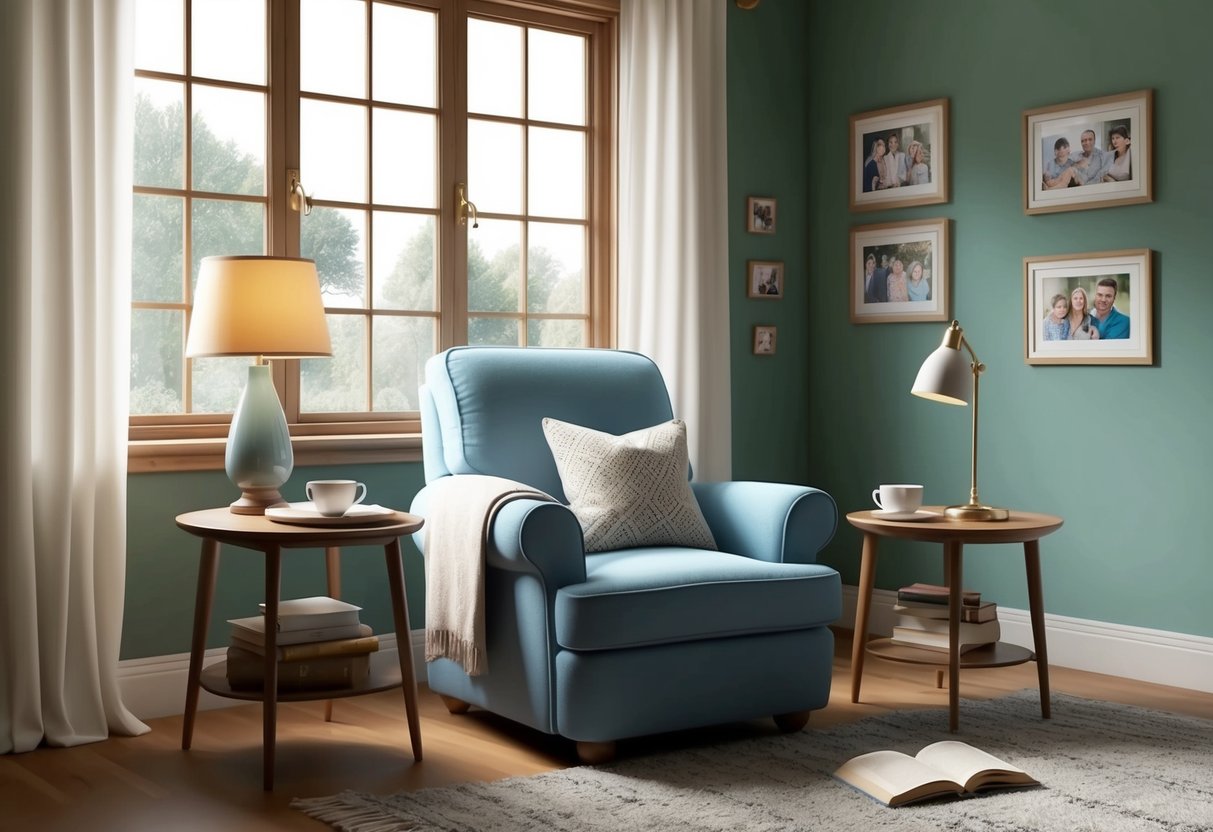 When it comes to caring for aging loved ones, in-home care offers the comfort of familiarity and the convenience of personalized services. It allows seniors to remain in their own homes while receiving the support they need. This option often adapts to individual needs and emphasizes safety within the home environment.
Personalized Care and Flexibility
In-home care shines when flexibility and personal attention are priorities. Every person is unique, and their care should reflect that. By hiring in-home caregivers, we can craft a plan that caters to individual health, daily routines, and personal preferences. Care schedules can easily adjust as needs change. Does your loved one need more assistance in the mornings or evenings? We can arrange that. This adaptability ensures that care fits seamlessly into their lifestyle, creating a sense of continuity and comfort. With in-home care, the focus is on personal connections, fostering relationships between caregivers and those they assist. It’s about building trust and understanding, so everyone feels secure and supported.
Assessment of Home Environment
Home is where the heart is, but it must also be safe. In-home care includes evaluating the living space to prevent accidents and promote independence. Are there steps that could pose a fall risk? Or maybe the bathroom needs grab bars for safety? We might need to modify areas to enhance accessibility. Simple changes, like adding better lighting or non-slip flooring, can make a difference. It’s practical solutions like these that reassure us about our loved one’s well-being. By maintaining a safe, familiar environment, in-home care facilitates independence and dignity. This approach not only respects the comfort of home but actively promotes it as a safe haven for care and daily living.
Exploring Assisted Living Options
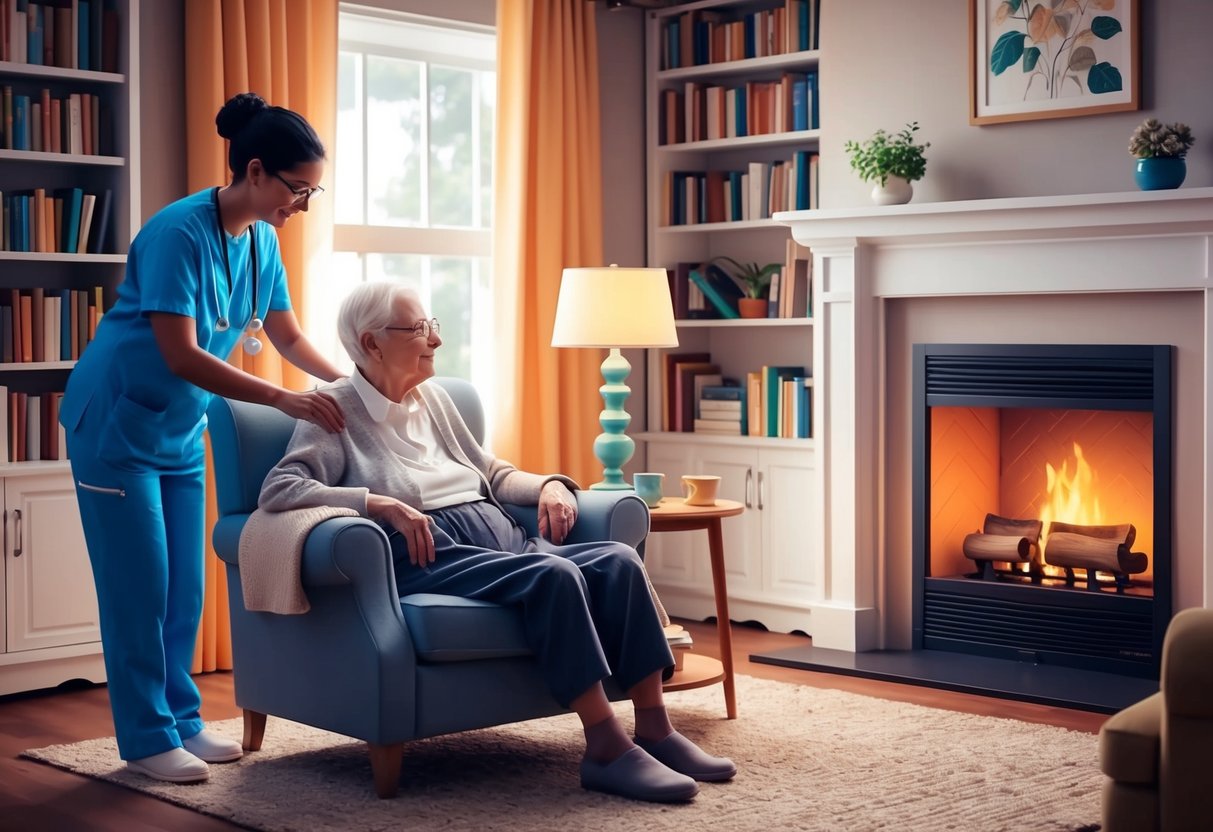 As I look at assisted living options, I focus on the range of facilities and amenities offered, as well as the social opportunities available. Each aspect plays a crucial role in enriching the experience and well-being of the seniors residing there.
Facilities and Amenities
When it comes to assisted living, the facilities and amenities are vital. What do these communities offer to enhance the quality of life? Many provide spacious apartments or rooms, designed with seniors in mind, featuring safety measures like non-slip floors and grab bars. Comfort is key. In addition to living spaces, residents often have access to communal areas such as dining rooms, libraries, and gardens. Dining options usually accommodate various dietary needs and preferences, ensuring nutritional balance and enjoyment. Health services are a significant feature, with staff available for assistance and medication management. Amenities like fitness rooms, swimming pools, and beauty salons cater to physical well-being and self-care. Understanding these offerings helps me determine if a community meets the desired lifestyle and needs.
Social Opportunities and Engagement
What brings life to assisted living communities is the social aspect. Think about the activities and events that keep residents engaged and connected. Many communities organize social activities ranging from art classes to movie nights, which foster camaraderie among residents. Group outings and excursions provide opportunities to explore nearby attractions and engage with the broader community. This social interaction combats loneliness and encourages a vibrant lifestyle. Activities often cater to various interests, ensuring each resident finds something appealing. Participating in social clubs or volunteer groups can be highly rewarding. These social opportunities are designed to nurture friendships and keep minds active. This approach ensures residents enjoy their time while living within the community.