
I’m often asked, how can we make an impact on the environment while also meeting our financial goals? It’s a crucial question for those of us who have spent years working hard and saving, hoping to leave something valuable behind. Building an environmental legacy through charitable giving offers a path to not only support important causes but also align with our values as we consider our retirement needs.  For many, traditional financial paths might not have provided the peace of mind we expected. So, how can we contribute to a sustainable future for our kids and generations to come? In my experience, redefining our financial strategies to include charitable giving can provide a sense of purpose and security that standard investment plans may lack. Let’s explore how we can do both—support the planet and secure our future.
1)Create a scholarship fund for environmental studies
 Have you ever thought about your environmental impact on future generations? Scholarships can make a big difference in the lives of students dedicated to protecting our planet. Establishing a fund helps support education in environmental studies, ensuring talented individuals have the financial backing they need to pursue their dreams. Setting up a scholarship fund might seem daunting, but it’s easier than you think. You can start small. Decide on criteria, such as academic performance or commitment to the environment. Choosing the right students who share your passion for ecological conservation can create a meaningful impact. One way to manage your fund is by working with a foundation or nonprofit. These organizations often have experience in handling scholarships, making the process smoother. Collaborating with them can help avoid potential pitfalls and ensure the fund reaches deserving students. Giving scholarships isn’t just about money; it’s about opening doors. Supporting students this way empowers the next generation to create sustainable solutions. Your investment in their education can foster innovation in areas like renewable energy and ecological conservation. By creating a scholarship fund, I contribute to a better world. This effort not only supports students financially but also motivates them to pursue impactful careers in environmental fields. Why not encourage the leaders of tomorrow to tackle the issues we face today? Your scholarship fund can reflect your values and vision for the planet’s future. It all comes down to taking that first step and deciding how you want to make a lasting difference.
2) Support reforestation projects through tree donations
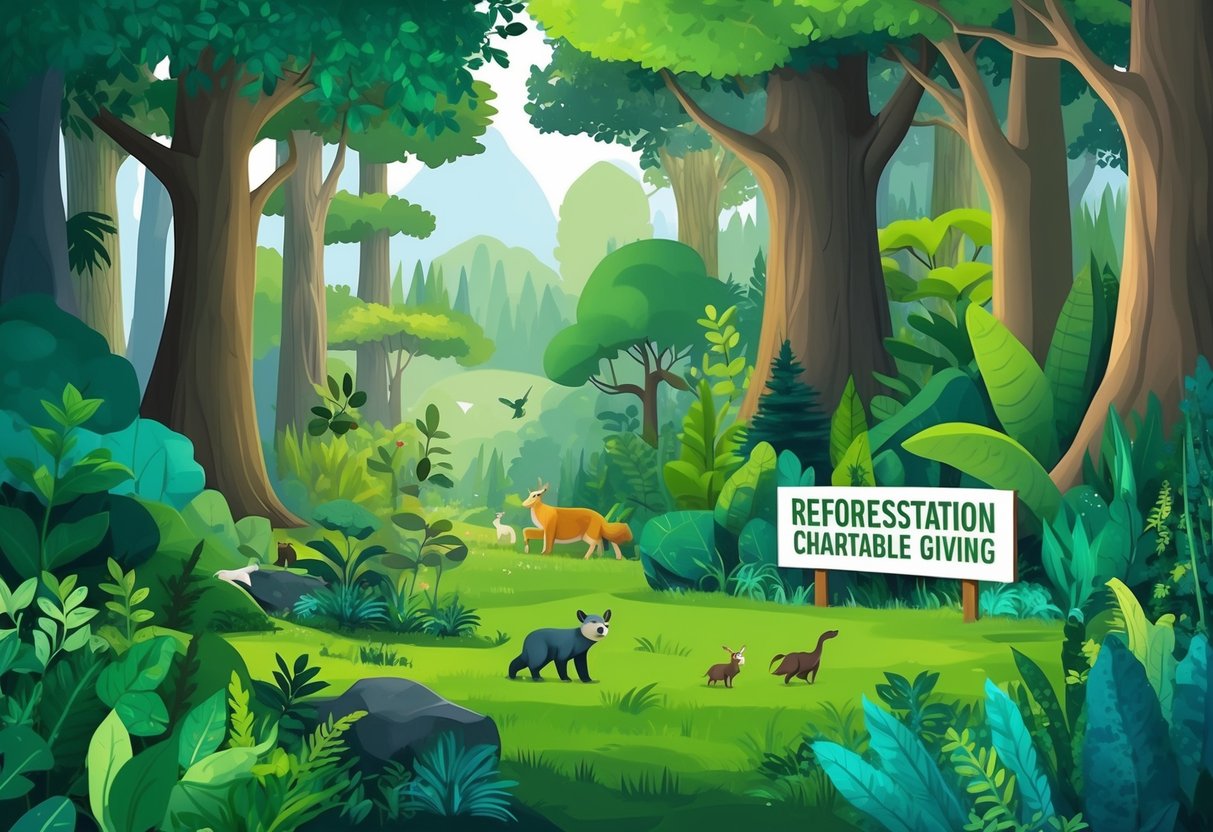 Have you ever thought about how trees can be an investment in our planet’s future? Reforestation projects offer you the chance to make a real impact by helping restore degraded environments. By donating trees, you can directly contribute to the health of our planet, leaving a legacy that outlasts us all. One initiative that stands out is the Plant a Billion Trees campaign by The Nature Conservancy. This campaign aims to restore forests worldwide, addressing climate change by planting trees in critical areas. It’s a simple yet powerful way to contribute to a healthier Earth. There are many such projects where you can donate trees or fund their planting. Consider the Eden Reforestation Projects, which use the “Employ to Plant” method, hiring local people to plant trees. This approach not only supports the environment but also provides jobs to communities in need. By supporting these initiatives, you’re not just planting trees; you’re sowing seeds for future generations. It’s a step towards building a sustainable future while addressing the pressing challenges our planet faces. Even small contributions can have significant impacts. Many projects allow you to donate just a few dollars for each tree planted. Imagine the difference you could make with just a modest investment into these important reforestation efforts. Isn’t it time to think beyond the usual investment strategies? Tree donations to reforestation projects offer a unique opportunity to blend philanthropy with impact. Why not leave behind a cleaner, greener planet for those who come after us?
3) Fund Clean Energy Initiatives in Underserved Areas
 Have you ever thought about where your money has the greatest impact? Imagine investing in clean energy where it’s needed most. By directing funds to underserved areas, you transform lives and communities. These regions often struggle with high energy costs and limited access. Underserved areas face unique challenges. They lack resources to invest in sustainable solutions. Funding clean energy projects in these places provides affordable, reliable power. It can cut energy bills and reduce environmental impact. Support from people like you can make this happen. Consider rural communities that have high electricity costs. By investing in clean energy, these communities can see real change. The Biden administration’s initiatives aim to help these underserved areas. Would you like to be part of that change? In urban settings, funding can support solar and wind projects. Giving to these areas fosters growth and improves quality of life. It also encourages local job creation. This isn’t just good for the planet; it’s a boon for the community. Your financial contributions can make a difference. Consider this approach as a piece of your environmental legacy. By focusing your giving on clean energy in underserved areas, you create lasting benefits. This is a powerful way to see your charitable dollars at work, generating positive change for both people and the planet.
4) Sponsor educational programs on sustainability
 Investing in education ensures lasting change. When I think about leaving an environmental legacy, sponsoring educational programs on sustainability tops the list. Will future generations be equipped to handle the environmental challenges ahead? Supporting schools and universities can prepare them. Sustainability education has grown rapidly. Many colleges and universities are expanding their sustainability programs, incorporating environmental and social aspects. This boosts awareness and prepares students for green careers. By sponsoring these programs, I know I’m helping to shape a knowledgeable and responsible generation. K-12 education is also crucial. Young students learn best when engaged early. Initiatives like EcoRise work to integrate sustainability into everyday learning. I believe advocating for these programs can inspire students to think creatively about environmental solutions, fostering a sense of responsibility from a young age. Supporting sustainability awards in schools can further motivate students and educators. The recognition given by the U.S. Department of Education for their innovative practices in reducing environmental impact shows the importance of acknowledging efforts in this area. Investing in award programs can drive further innovation and commitment. By sponsoring educational initiatives, I align with organizations advancing such goals. As I engage with these educational programs, I believe in planting the seeds for a more sustainable future. This strategy not only creates awareness but also equips the next generation with the tools to address pressing environmental issues head-on. Wouldn’t it be rewarding to see our children lead the charge?
5) Donate to research aimed at wildlife conservation
 How can one leave a lasting impact on our planet’s environment? Supporting wildlife conservation research is a powerful way to do just that. By funding research, I can play a role in ensuring the survival of endangered species and the preservation of vital ecosystems. Wildlife researchers work tirelessly to combat threats like habitat loss, pollution, and climate change. Their findings guide conservation efforts and policies. I can make a real difference by channeling my resources into these studies that strive to understand and protect diverse species. When I donate to research, it’s not just about the money. It’s about investing in a future where diverse, thriving ecosystems continue to exist. I choose projects that resonate with me, whether it’s protecting large mammals or ensuring the survival of tiny insects. This personal connection makes my contribution even more meaningful. Organizations like the Wildlife Conservation Network and the Wilder Institute are deeply involved in supporting such research. By contributing to them, I know my funds are being used efficiently for conservation projects. These efforts aim to address the root causes of biodiversity loss. Sometimes, I might opt to contribute directly to smaller, independent research teams. These groups often struggle with funding but are crucial to understanding niche ecosystems. My support can help them purchase equipment, travel to remote locations, and publish their results. Through research donations, I’m not just helping animals but contributing to the well-being of our entire planet. Every bit of research adds to our knowledge, and every bit of knowledge increases our power to protect. It’s a legacy worth building.
6) Endow a fund for environmental legal advocacy
 Have you ever considered the impact of legal advocacy in the fight for the environment? By endowing a fund for environmental legal advocacy, you can leave a lasting legacy that protects our planet. This kind of fund supports legal efforts that challenge harmful practices and enforce compliance with environmental laws. Legal advocacy can be a powerful tool. It brings together lawyers, researchers, and policy experts who work tirelessly to defend the environment. Imagine the satisfaction of knowing that your contribution helps hold corporations and governments accountable. One way to do this is by setting up an endowment with organizations focused on legal advocacy. For example, the Environmental Defense Fund is known for its policy and advocacy work. They tackle issues from climate change to chemical safety. When you create an endowment, you provide a stable financial resource that supports long-term advocacy efforts. It’s not just a donation; it’s a commitment to ongoing change. The Uniform Prudent Management of Institutional Funds Act guides the creation of such endowments across most of the U.S. Visualize your legacy driving meaningful, legal battles that demand real change. If we want to see a healthier planet, funding legal advocacy can be a strategic move. Consider this path to support the environment and make a lasting impact. Who knows, your efforts might be the tipping point for crucial environmental victories.
7) Support Ocean Cleanup Efforts
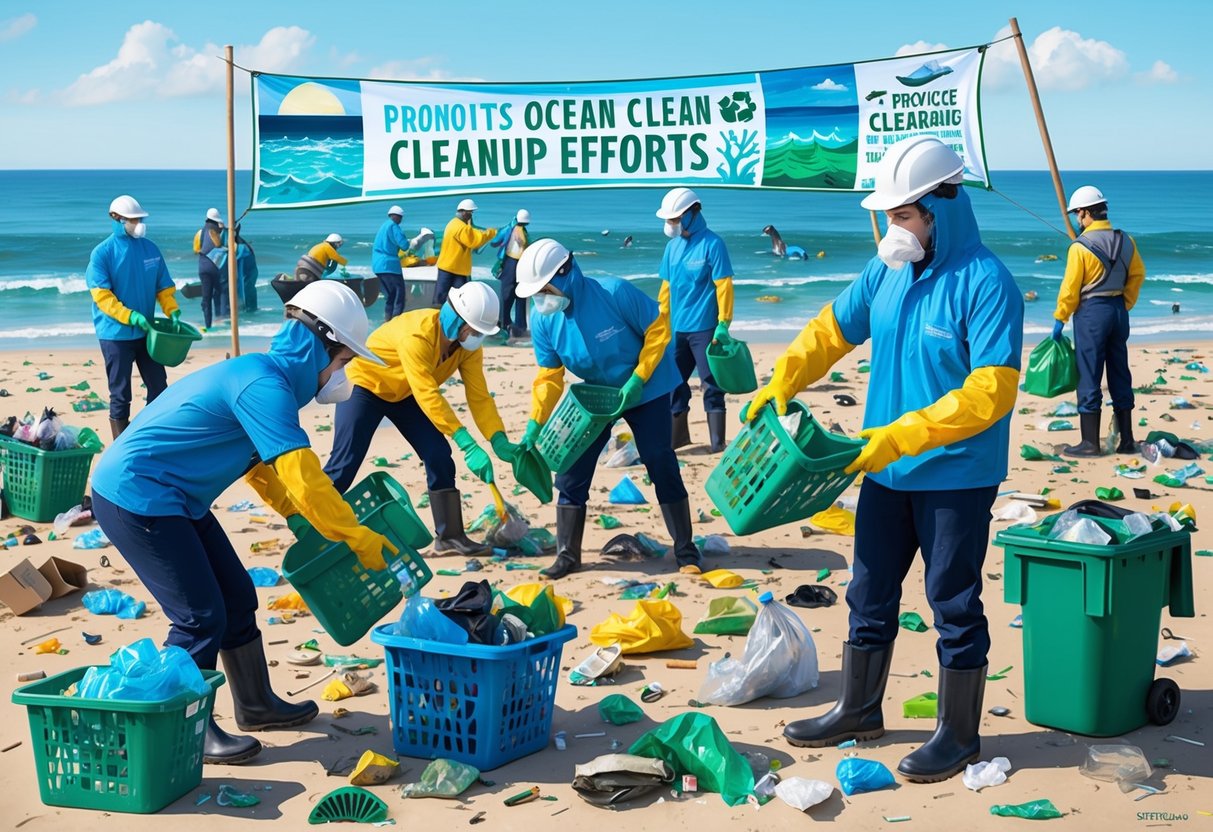 Have you ever thought about what lies beneath the ocean’s surface? The ocean is not just a vast body of water; it holds an ecosystem that needs our help. Ocean cleanup efforts are crucial to protecting this vital part of our planet. One way to contribute is by backing organizations focused on removing plastic waste. Groups like The Ocean Cleanup aim to clean up 90% of floating ocean plastic pollution by 2040. Your support can be a significant part of this mission, making our oceans cleaner and healthier. Charities such as Ocean Conservancy have already removed millions of pounds of trash from our oceans. They worked on projects that replaced single-use plastics with sustainable alternatives during large events like the Superbowl. Why not join these initiatives to leave a cleaner ocean for future generations? If you’re wondering how your contribution can make a difference, consider this: cleaning up the oceans helps protect marine life and supports communities that rely on these waters. Plus, reducing ocean pollution benefits our entire ecosystem, from small fish to giant whales. Supporting these efforts can be a powerful part of your legacy. Imagine your children and grandchildren enjoying cleaner beaches and oceans, thanks to the steps you take today. Wouldn’t that be a lasting impact?
8) Invest in eco-friendly community projects
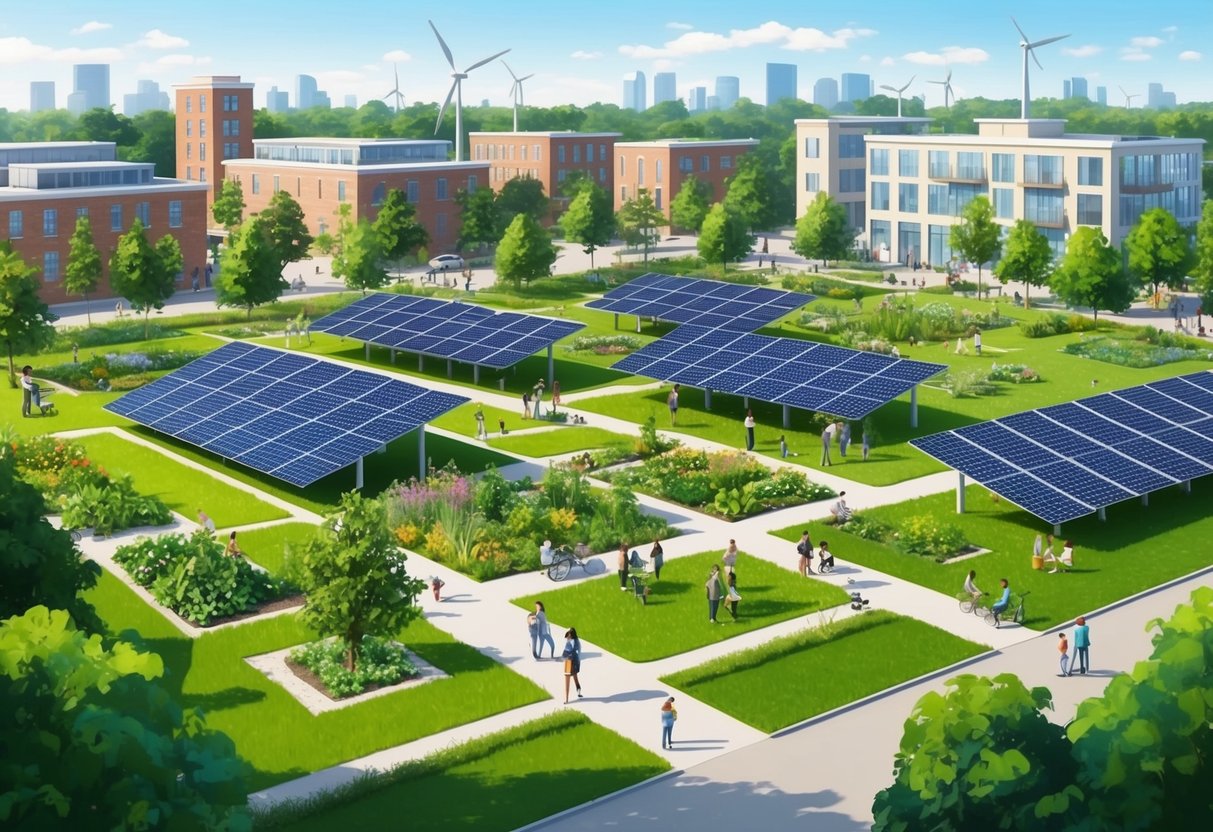 Have you ever thought about how your investments can impact your community and the planet? Investing in eco-friendly community projects is a powerful way to leave a lasting environmental legacy. These projects not only help the environment but can also strengthen local economies. Imagine making a difference where you live, while also potentially seeing financial returns. Community-led projects often focus on essential areas like sustainable agriculture, renewable energy, or waste reduction. For example, community gardens and farm-to-table initiatives contribute to sustainable eating practices. They create jobs and educate people about healthy food choices. These initiatives also reduce the carbon footprint by cutting down on transportation costs for food. Supporting local renewable energy projects is another option. Solar panel installations or wind farms provide clean energy to communities and decrease reliance on fossil fuels. This not only helps reduce pollution but also creates local jobs and stimulates the economy. Participation in local carbon credit projects can be transformative too. By investing in projects that capture methane or reduce emissions, you help enhance air quality for everyone in the community. These projects can also build strong relationships among community members and local businesses. Creating a greener community is vital, and your involvement can lead to meaningful change. Why not explore opportunities to support local eco-friendly projects? If you need ideas, many organizations offer ways to engage in local environmental work, guiding your investments to make them truly impactful.
Understanding Environmental Legacy
 Building an environmental legacy involves making meaningful contributions that positively impact the planet for future generations. It’s about aligning our values with actions that contribute to the long-term health of the environment. By focusing on sustainability and responsible giving, we can create a legacy that benefits both nature and people.
Defining Environmental Legacy
What does leaving an environmental legacy truly mean? It’s about creating ongoing benefits for the Earth by supporting initiatives that promote conservation, green energy, and biodiversity. I believe an environmental legacy reflects a commitment to mindful stewardship of our planet’s resources. Consider various ways to contribute: funding renewable energy projects, supporting reforestation efforts, or donating to organizations focused on wildlife preservation. These actions demonstrate a dedication to maintaining the planet’s natural balance. By investing in projects with sustainable outcomes, I can ensure my efforts have lasting effects, enhancing the well-being of ecosystems worldwide.
The Importance of Sustainability
Why is sustainability crucial when building an environmental legacy? It’s the foundation that ensures future generations enjoy a thriving planet. Sustainable practices help manage resources responsibly, prevent depletion, and protect the environment from harm. This is more relevant now than ever as we face challenges like climate change and habitat loss. Adopting sustainable methods in personal and charitable practices is vital. This includes supporting eco-friendly businesses, reducing waste, and prioritizing renewable energy. By aligning my charitable giving with sustainable practices, I not only contribute to immediate environmental needs but also foster long-term ecological integrity. This approach is key to crafting a legacy that will endure and inspire others to follow.
Strategic Charitable Giving to Support the Environment
 When I think about strategic charitable giving, it’s all about making a real difference where it counts. By aligning donations with personal goals and ensuring they create meaningful change, we can leave a lasting impact on our environment.
Aligning Donations with Environmental Goals
To make our charitable giving effective, I focus on connecting my donations with my personal environmental values. It’s crucial for me to support causes that resonate deeply with my beliefs. Careful selection of organizations and projects helps ensure that my contributions promote the changes I want to see in the world. I begin by identifying my environmental priorities, whether it’s conserving wildlife, supporting renewable energy, or fighting climate change. Once my goals are clear, I thoroughly research organizations that align with my mission. I look for groups that demonstrate transparency and have a proven track record of success. This helps me feel confident that my contributions are used effectively. For anyone looking to make an impact, aligning charitable giving with personal environmental goals is a powerful step.
Evaluating the Impact of Charitable Contributions
Just donating isn’t enough; I always want to ensure my efforts truly benefit the environment. So, how do I evaluate the impact? First, I set clear metrics or indicators that help measure the success of projects I’ve supported. This might include the number of trees planted, reductions in carbon emissions, or improvements in biodiversity. Analyzing reports or updates from the organizations I fund is another step I take seriously. These reports often offer insights on progress and challenges faced. Furthermore, seeking feedback from other donors and experts can provide a broader perspective. The ability to measure impact is crucial because it tells me if my giving is as effective as I intend it to be. This approach ensures that my charitable efforts are not just acts of goodwill but genuine catalysts for environmental change.