
Navigating the philanthropic landscape is more essential than ever as we look to the future of charitable giving.
Why does giving matter in today’s world? It goes beyond just writing a check or attending a fundraiser; it’s about creating a legacy that resonates with our values and priorities.
Reflect on how giving not only impacts others but also enriches our lives and communities.
Understanding the trends shaping charitable giving can help us make more informed decisions about how to allocate our resources effectively.
Let’s explore how these changes are creating new opportunities and challenges that we need to be aware of.
1) Blockchain Donations
Have you ever thought about how technology can transform charitable giving?
Blockchain is doing just that. It’s not just for cryptocurrencies anymore; it’s making donations more transparent and secure.
Imagine knowing exactly where your money goes after you donate. That’s what blockchain promises.
You might wonder how this works. Blockchain creates a public ledger where transactions are recorded. This means every donation can be tracked.
I find this appealing because it builds trust. When you know your money reaches the intended cause, it’s reassuring, isn’t it?
Another exciting development is the rise of Decentralized Autonomous Organizations, or DAOs. These can change how donations are managed and distributed.
For example, Big Green DAO combines nonprofit missions with DAO technology. It’s like having a direct say in how funds are used.
But what about the efficiency of blockchain? Because of its decentralized nature, it cuts out intermediaries. This means more of your money goes directly to those in need.
Plus, the transaction fees are often lower compared to traditional methods. Isn’t saving money while giving to a good cause a win-win?
The future of charitable giving is rapidly evolving. With blockchain technology, donating becomes not just an act of generosity but a strategic decision. Embrace this new wave of philanthropy and see how it aligns with your goals.
2) AI-Driven Fundraising
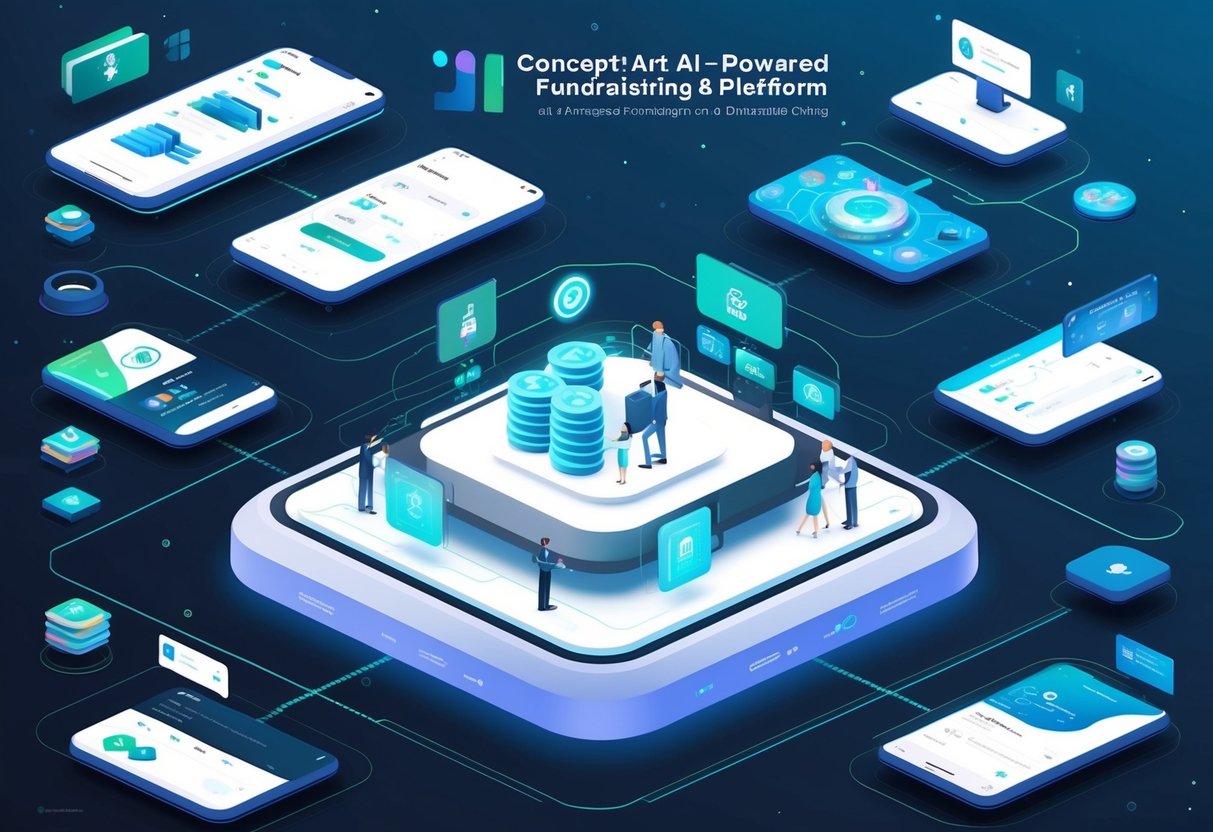
Imagine a world where AI can predict who will donate to which cause. It’s not science fiction; it’s happening right now.
AI-driven fundraising is transforming how nonprofits engage with potential donors.
Why is this important? Because it helps maximize resources, making every dollar spent reach further.
AI can analyze patterns in donor behavior. This means looking at past donations, social media activity, and even engagement history.
By doing this, AI provides insights into how likely someone is to donate again. It’s like having a crystal ball for anticipating giving patterns.
Strategic planning in fundraising benefits greatly from AI. With the power to predict and identify trends, nonprofits can focus their efforts where they will have the most impact.
This allows for efficient resource allocation and better campaign outcomes.
Another exciting aspect is personalized communication. AI helps tailor messages to suit each donor’s preferences and history. This creates a more engaging experience for the donor and increases the chances of repeat contributions.
AI doesn’t replace the human touch in fundraising; it enhances it. By providing data-driven insights, it allows fundraisers to focus on building deeper relationships.
Human intuition combined with AI insight can drive fundraising success to new heights.
For nonprofits, AI offers a way to stay ahead in a competitive landscape. Embracing AI means more strategic growth and a better chance at meeting fundraising goals.
It’s an exciting time to be involved in philanthropy, where technology and charity meet.
3) Mobile Giving Apps
Have you noticed how everything seems to be moving to our phones these days? Well, charitable giving is no different.
Mobile giving apps are changing how we donate and support causes close to our hearts. They make it so easy to give quickly. You might say it doesn’t get any better than that.
I often wonder, why have these apps become so popular? For one, they provide instant access. It’s like having a whole charity world in the palm of your hand.
You can browse through various causes, learn about their missions, and donate, all while sipping your morning coffee. That’s efficiency at its finest.
These apps also cater to our busy lives. Who has time to fill out long forms or mail checks? With mobile giving apps, a few taps on your screen can make a big difference.
It keeps things simple and allows us to give whenever inspiration strikes.
Plus, they offer flexibility in how much and how often we give. Whether it’s a one-time donation or a recurring monthly gift, it’s all up to you. This adaptability ensures that you can support your favorite causes according to your budget and schedule.
The most exciting part? Mobile giving apps often integrate with social media. This means you can share your contributions and inspire others to join the cause. It’s like starting a ripple effect of generosity. Who wouldn’t want to be a part of that?
As the landscape of charitable giving evolves, mobile apps are at the forefront, making philanthropy more accessible and engaging for us all. They remove barriers and encourage more of us to give back. Isn’t that something worth exploring further?
4) Crowdfunding Platforms

When I think about the future of charitable giving, crowdfunding platforms immediately come to mind.
These platforms have transformed how people donate and engage with causes. They offer something traditional giving often lacks: instant connection. Why is this important? Because personal stories and direct appeals tap right into our emotions, making it easier to open my wallet.
Crowdfunding stands out for its accessibility. With just a smartphone, I can support a cause from virtually anywhere.
It’s about democratizing the act of giving. No longer do I have to rely on big fundraisers or events that feel distant and impersonal. The world of giving has become more inclusive and engaging.
Platforms like Kickstarter and GoFundMe have set a standard, but new platforms are constantly emerging. Each platform offers unique features to reach a broader audience.
This capability excites me because it means real-time feedback and updates from the projects I support. Technology has changed our giving habits, and the ripple effect can be incredible.
I also find it fascinating how transparency is built into the structure of these platforms. When I donate, I can see exactly where my money is going, how it’s used, and the impact it has.
This level of accountability is a game-changer for me and many other donors. Wouldn’t you agree that trust is crucial in charitable giving?
5) Cryptocurrency Pledges

Have you ever thought about how digital currencies could change the way we give back?
Cryptocurrency pledges offer a fresh perspective on charitable giving. It’s like combining the best of technology with the spirit of generosity.
People often ask me if cryptocurrencies are really changing the game. They are! Many charitable organizations are now accepting crypto donations.
This approach isn’t just trendy; it’s strategically aiming to attract tech-savvy donors who are eager to make a difference.
The rise of cryptocurrency donations means more people can contribute quickly and efficiently. By using digital currencies, donors have the ability to transfer funds with lower fees and faster transaction times. It feels like a win-win situation for both parties.
One might wonder why nonprofits are jumping on the crypto bandwagon. Cryptocurrencies can be an easy way to reach new groups of donors.
For years, traditional giving has relied on cash and credit. Now, organizations are stepping into the future to keep pace with changing donor preferences.
When we talk about big donations, cryptocurrency can be a game-changer. Some reports highlight that over 90% of crypto donation volumes come from gifts worth at least $5,000. That’s a significant boost for many nonprofits.
Is it time to rethink our charitable strategies? Cryptocurrencies offer transparency and security, which often appeal to donors. These features can help build trust, ensuring that contributions go exactly where they’re needed most.
Embracing digital currencies in philanthropy allows us to tap into a growing trend. As crypto gains wider adoption, the potential for impacting social causes continues to expand. Could this be the future of how we give?
6) Social Media Campaigns
Have you noticed how much time people spend on social media these days? It’s incredible! Social media platforms have become powerful tools for charitable organizations to reach broader audiences.
I believe social media offers unique opportunities for engagement. It allows organizations to connect with potential donors in a more personal and interactive way.
Posts, stories, and live videos can illustrate the impact of donations, making giving feel more rewarding.
Running successful social media campaigns requires creativity and strategy. It’s not just about sharing information; it’s about telling a compelling story.
I find that stories that touch the heart can inspire people to take action and support a cause.
Social media also enables fundraising initiatives to go viral. Think about the ice bucket challenge—a simple idea that spread like wildfire online. Campaigns like these can significantly increase awareness and donations.
Different platforms serve different purposes. Facebook is great for community building, while Instagram focuses on visual storytelling. Twitter allows quick updates and engagement with followers. Choosing the right platform is essential for reaching target audiences effectively.
Monitoring campaign performance is crucial, too. Tracking metrics like reach, engagement, and click-through rates helps me understand what works and what doesn’t. This data-driven approach allows for adjustments in real time.
Social media can seem overwhelming at first, but it’s a space full of potential. With the right strategy, organizations can harness these platforms to drive meaningful change and connect with donors in ways that were unimaginable just a few years ago.
7) Impact-Tracking Tools

Have you ever wondered if your charitable donation truly makes a difference? That’s where impact-tracking tools come into play. These tools provide a clearer picture of how contributions are used and the results they achieve. They let donors like me see the tangible effects of their generosity.
In today’s tech-driven world, tracking the impact of donations has become easier. Many platforms offer real-time insights and data on how funds are spent.
This transparency builds trust and encourages more giving. People want assurance that their hard-earned money is doing good work.
Donors can now follow their money’s journey from start to finish. Imagine knowing exactly which projects your donations support and the milestones they reach.
It’s like having a front-row seat to the change you’re helping to create. This visibility can make giving more rewarding and satisfying.
Impact-tracking tools also encourage accountability in charitable organizations. With the pressure to report on outcomes, charities are motivated to work smarter and achieve their objectives.
This can lead to more innovative solutions and efficient operations. Everyone benefits—both donors and recipients.
8) Subscription-Based Models
Have you ever thought about how subscription services have changed the way we do things today?
Imagine applying that same concept to charitable giving. This idea isn’t just about funding your Netflix or gym membership. It’s a game-changer for supporting causes consistently.
The beauty of subscription-based models in charity is the regular support they provide. By giving a small amount monthly, donors can make a big impact over time.
It’s like setting up an automatic withdrawal for your savings but for a cause you care about.
For charities, this means more predictable incomes and the ability to plan long-term projects. They can focus on what matters most: making a difference.
When donations come in consistently, it builds stability and helps manage resources better.
Subscription models can also enhance donor engagement by offering exclusive updates or insights into how their contributions are making a difference.
Everyone likes to know their money is working hard, right? Receiving personalized updates fosters a deeper connection with the cause and makes giving feel more rewarding.
With technology making everything easier, setting up a monthly donation is just a click away.
Imagine the convenience! You get to support your favorite cause without lifting a finger each month. That’s efficiency in action and it suits our hectic lifestyles perfectly.
Isn’t it time we brought the simplicity and power of subscriptions to our charitable actions? By embracing this model, we create ongoing change—not just a one-time impact—and that feels like a step in the right direction.
The Rise of Digital Platforms
Digital platforms are changing how we think about charitable giving. From social media to crowdfunding, these platforms offer new ways to connect, engage, and support causes that matter.
Impact of Social Media on Giving
Social media has become a powerful tool for charity. Why? It connects millions of people instantly.
When you see a charity campaign on platforms like Facebook or Instagram, it often encourages you to give.
Imagine you’re scrolling through your feed and a friend posts about a fundraiser. Suddenly, it feels personal. This personal connection boosts donations significantly.
Charities can then reach a broader audience without spending huge amounts on advertising.
Social platforms also make giving more transparent. Donors can see exactly where their contributions are going, which builds trust.
Trust leads to more giving. Who wouldn’t want to give more when they know their money is making a real difference?
Innovations in Crowdfunding
Crowdfunding has revolutionized charitable giving. Platforms like GoFundMe allow anyone to start a campaign for a cause they care about.
Friends, family, and even strangers can chip in, often in small amounts, to fund big dreams.
Do you remember the ice bucket challenge? That was a perfect example of crowdfunding combined with social media, raising millions for ALS research.
These campaigns take advantage of virality and the power of community.
Crowdfunding platforms also remove traditional barriers to fundraising. No need for gatekeepers or big organizations. It’s grassroots, direct, and personal. And with digital payment options, it’s never been easier to contribute in a few quick taps.
Data-Driven Philanthropy
Data has revolutionized many areas of life, and philanthropy is no exception. It helps charities understand donor preferences and optimize their impact through tailored experiences. Who wouldn’t want a smarter way to give?
The Role of Big Data in Charity
Implementing big data in philanthropy allows organizations to gather and analyze vast amounts of information quickly.
This data includes donation histories, engagement patterns on digital platforms, and even economic trends.
By tapping into these insights, charities can predict donor behavior, ensuring funds are directed to the most impactful initiatives.
For example, I recently discovered that some non-profits are leveraging data to pinpoint the most pressing community needs in real-time.
Imagine a world where your donation helps the exact cause you’re passionate about at the moment it’s needed most. This is the promise of big data in charity.
Big data not only strengthens the connection between donors and organizations, but it also increases transparency.
Donors can see exactly where their money goes and the results it generates. This transparency builds trust and encourages more giving. It’s a win-win situation.
Personalized Giving Experiences
Personalization is key to engaging donors today.
Much like companies that tailor ads based on your shopping habits, charities can use data to create a more personal experience for donors. This means reaching out with causes that resonate with individual interests and passions.
Picture receiving a thank-you note that discusses how your contribution specifically impacted a project.
By using donor data, charities can share stories that truly matter, creating a connection that goes beyond the simple act of giving.
When donors feel recognized and appreciated, they are more likely to continue their support.
This is not just about making donations; it’s about building relationships.
With data-driven insights, every interaction can become meaningful and tailored, maximizing both donor satisfaction and impact.