
Have you ever thought about the future, wondering if your savings will be enough? With rising costs and economic uncertainties, it’s a question many face. The reality is that there’s a path that not only promises comfort but also financial security.  Aging in place with technology can offer significant financial benefits. Imagine being able to stay in your own home, surrounded by the familiar, all while leveraging the power of modern tech. This approach can offer not just financial savings but also a sense of independence and stability.
1) Smart Home Devices
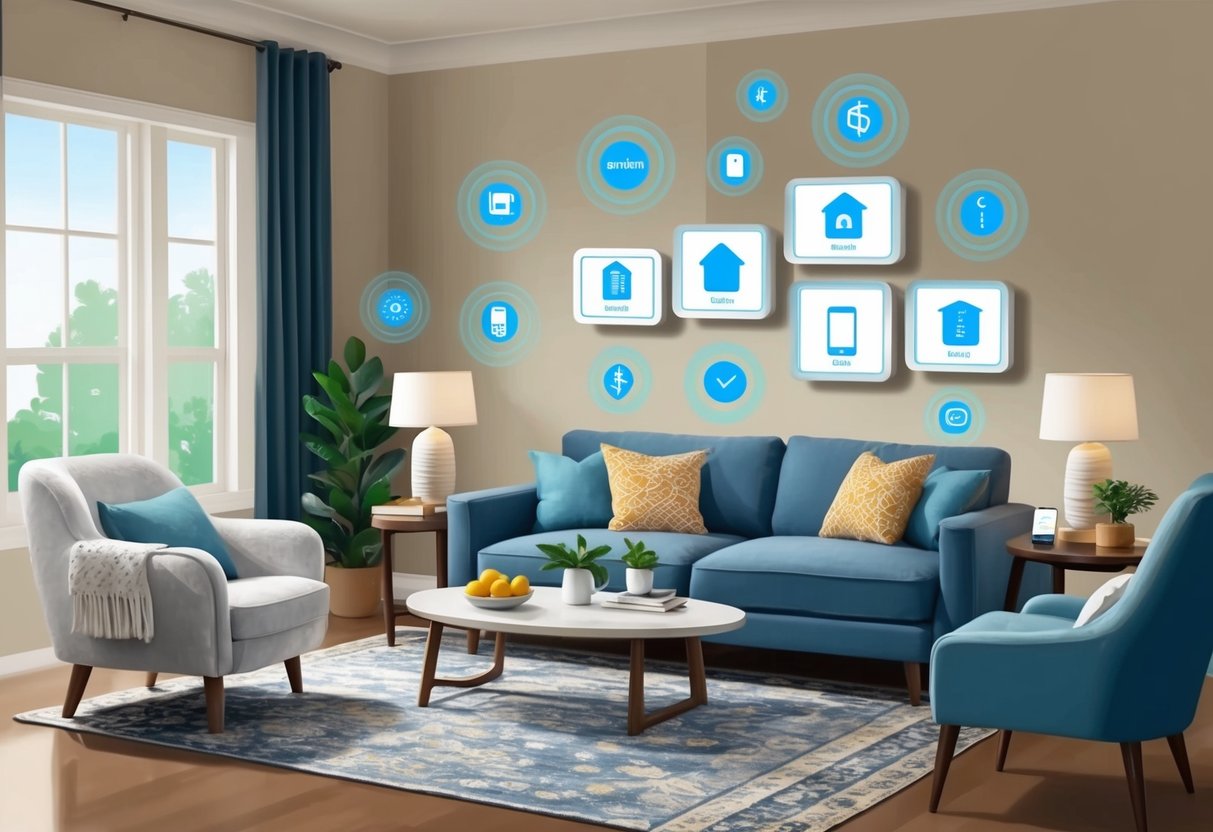 Have you ever thought about how smart home devices can change the way we age? These gadgets do more than just bring convenience. They offer financial benefits too. Imagine having a thermostat that adjusts the temperature only when needed, saving on energy bills. Smart lights can turn on or off automatically, cutting electricity costs without lifting a finger. Home security is another area where these devices shine. Video doorbells and smart locks not only increase safety but also avoid costly incidents, like break-ins. What price do you put on peace of mind? Simple tech, like smart speakers, make life easier by providing hands-free assistance. Set reminders, manage schedules, or even control other smart devices with just your voice. This can help reduce stress, which might just save on healthcare costs. Think about smart cameras. Do they serve more than just security purposes? Yes, they do. They help monitor the home environment, potentially avoiding accidents and injuries, which can be expensive to address. Looking at all these smart home devices, don’t they seem like an investment in freedom? By promoting independence, they might delay the need for costly assisted living facilities. It’s not just about saving money. It’s about spending wisely to maintain a comfortable lifestyle. Wouldn’t you agree that smart home devices are worth considering?
2) Remote Health Monitoring
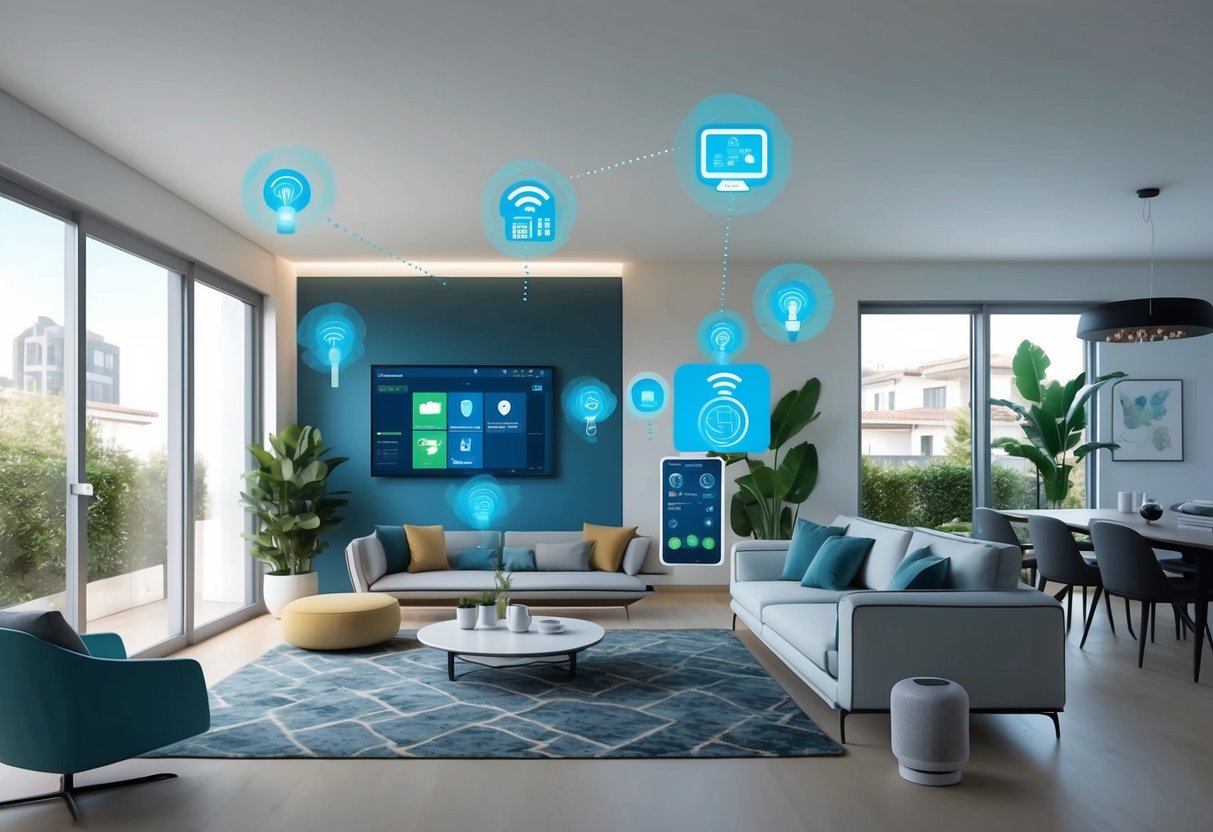 Why worry about frequent hospital visits when technology can monitor your health right from home? Remote health monitoring devices track vital signs like blood pressure, heart rate, and glucose levels. These devices can alert both you and your healthcare provider if something’s off. This proactive approach can prevent emergencies and save you money on unexpected medical costs. Imagine checking your health stats with the click of a button. Smart devices connect directly to your smartphone or tablet. With handy apps, you can keep an eye on health trends over time. This means no more scribbling down numbers or hoping you remember what the doctor said at your last appointment. Plus, remote health monitoring fosters independence. Doesn’t it feel amazing to take charge of your own health? Instead of relying solely on scheduled checkups, you have the tools to understand your body daily. Financially, this tech can reduce healthcare expenditures. By catching health issues early, these devices can potentially minimize expensive treatments and lengthy hospital stays. Consider it an investment in peace of mind and financial well-being.
3) Voice-Activated Assistants
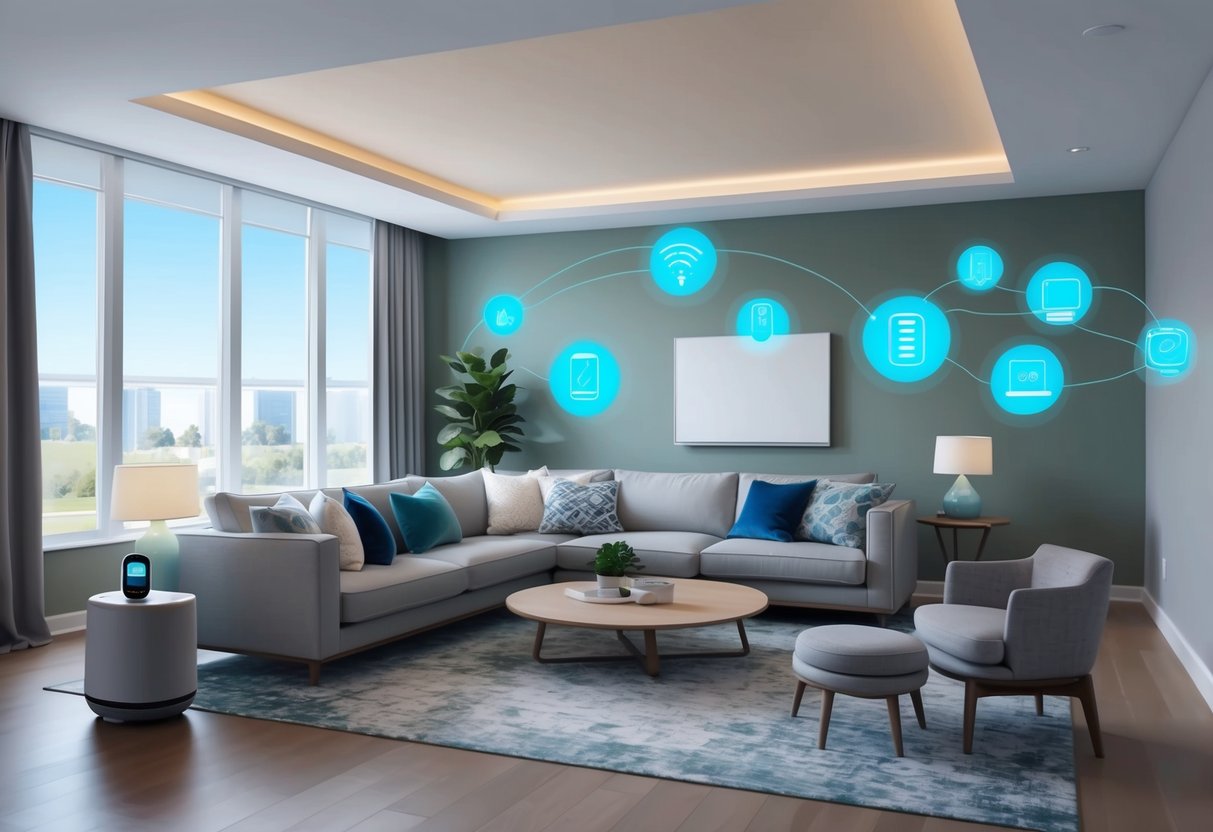 Have you ever wished for an extra pair of hands around the house? Voice-activated assistants like Alexa and Google Assistant might be the next best thing. These helpful devices can manage your calendar, control smart home devices, and even remind you to take your medication. Imagine being able to turn off lights or adjust the thermostat just by speaking. This is not a futuristic dream; it’s a reality for many people today. More than a third of Americans now own a smart speaker, including options like Amazon Echo and Google Home. For aging adults, these devices offer significant benefits. If mobility is an issue, voice assistants can place calls or send messages with simple voice commands. No more fumbling with touchscreens or small buttons. Think about the peace of mind that comes with knowing you can call for help without needing to move. As more older adults embrace technology, it’s clear that these assistants can greatly enhance independence. VIPAs, or Voice-Controlled Intelligent Personal Assistants, are a low-cost way to reduce caregiver burden and help older adults stay in their homes longer. These devices integrate smoothly with other smart home technologies. They can control security systems, connect to virtual healthcare, and manage everyday tasks. As technology advances, I believe we’ll see even more innovative uses of voice assistants for those opting to age in place. Anyone who has used a voice assistant knows how convenient they are. If you haven’t tried one yet, maybe it’s time to consider how it could fit into your life. The potential financial benefits are there, too, as these tools could reduce the need for additional caregiving services.
4) Virtual Reality Social Platforms
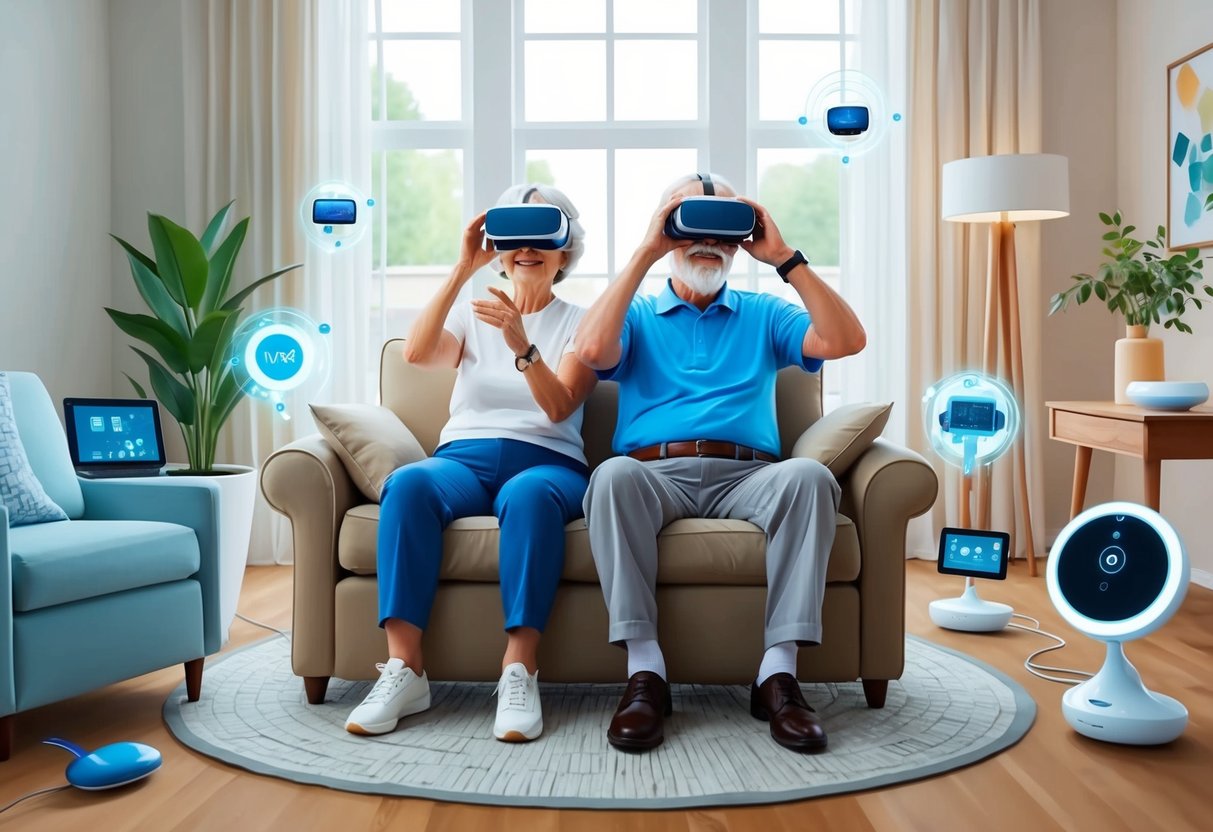 Imagine stepping into a world where social connections are just a headset away. Virtual reality (VR) social platforms are making this a reality. These platforms allow people to interact, chat, and engage with others within a virtual environment. It’s like Facebook or Instagram but with an immersive twist. With VR, individuals can attend virtual events or gatherings without leaving their homes. Imagine attending a family reunion in a virtual world while sipping coffee in your living room. It’s incredibly convenient for staying connected with family and friends. Additionally, VR social platforms offer exciting experiences like gaming or attending virtual concerts. These activities can be shared with others, bringing an element of fun and excitement to daily interactions. The sense of presence and engagement is unparalleled. VR can also be a powerful tool for combating loneliness. Many older adults experience isolation, but VR offers a vibrant social scene. It’s a place where they can meet new people or reconnect with old friends. Think of the countless opportunities VR presents for building community. You can join groups based on shared interests or hobbies, fostering a sense of belonging and connection. These interactions can enrich your life and create lasting friendships. The technology continues to evolve, making VR more accessible and user-friendly. Advances in this field ensure that people of all ages can easily dive into these digital worlds. This innovation opens new doors for enhancing social interactions and well-being.
5) Home Automation Systems
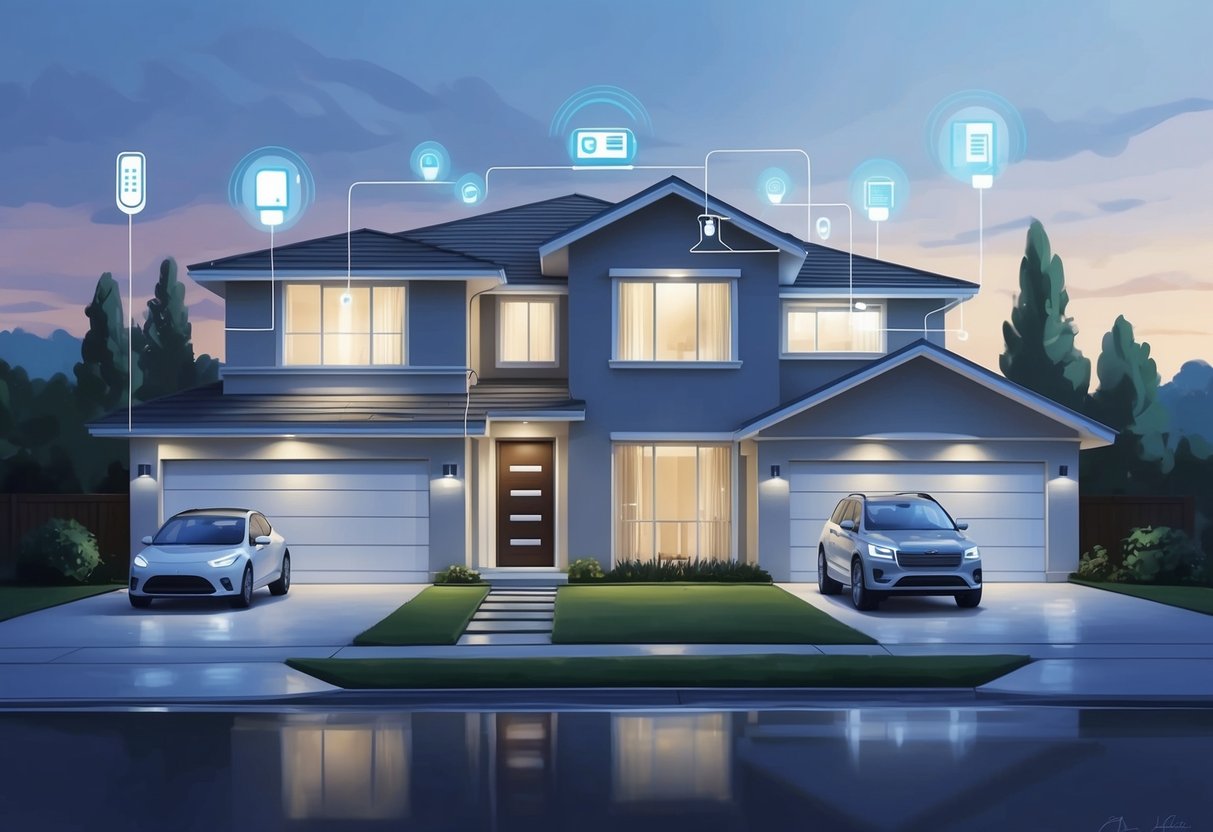 Have you ever wondered how home automation systems can save both time and money? Imagine having control over your home’s lighting, temperature, and security right from your smartphone. These systems allow you to manage household functions efficiently, reducing energy costs and increasing convenience. Picture this: If you forget to turn off the lights before leaving the house, you can simply switch them off using an app. By optimizing energy use, these systems lower utility bills. It’s like having a personal assistant managing your energy consumption every day. Home automation also enhances security, which can reduce insurance premiums. With features like remote monitoring and security alerts, you can keep an eye on your property even when you’re not there. This peace of mind might encourage insurance companies to offer discounts. Automation systems also offer integration with other tech products. For example, linking your thermostat to weather apps allows for adjustments based on outdoor temperature. How cool is that? This not only optimizes comfort but also prevents energy waste. Let’s not forget about smart appliances. These gadgets can run at optimal times when energy demand is low. This simple action can slash electricity bills significantly. Lower energy costs mean more money in your pocket for those other important investments. Are you considering upgrading your home to a smarter model? With technologies evolving rapidly, the potential financial benefits continue to grow. Home automation offers more than just convenience; it opens a path to a more efficient and cost-effective lifestyle.
6) Telehealth Services
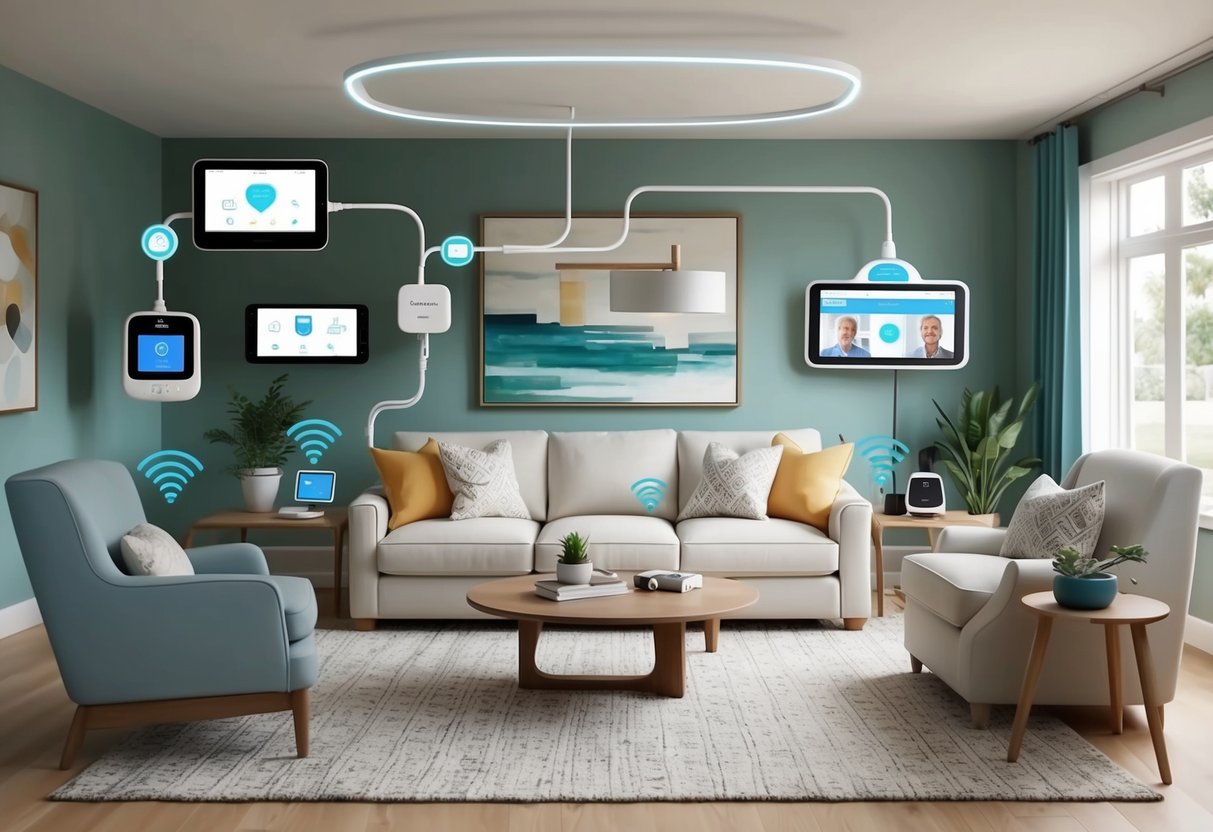 Imagine having a doctor’s appointment without leaving home. That’s the magic of telehealth services. For people wanting to age in place, telehealth becomes a game changer. It saves time, reduces travel costs, and offers convenience. Why stress about traffic when you can connect with healthcare professionals via a screen? Telehealth isn’t just about convenience. It also opens doors to access specialized care that might not be available locally. Consider the costs of traveling for a specialist appointment. With telehealth, those costs are drastically reduced. Plus, this access can lead to early detection and management of health issues, potentially lowering healthcare expenses down the road. I often hear concerns about the cost of maintaining health as we age. With telehealth, regular check-ins become possible without the added expense of frequent travel. It’s a practical way to keep up with health, from managing chronic diseases to handling routine complaints. Remote monitoring devices also play a significant role. They allow healthcare providers to keep an eye on vital signs without a physical visit. These tools can help manage conditions efficiently, reducing unexpected hospital visits and their associated costs. Who wouldn’t want the peace of mind that comes with knowing their health is constantly monitored from home?
7) Online Medication Management
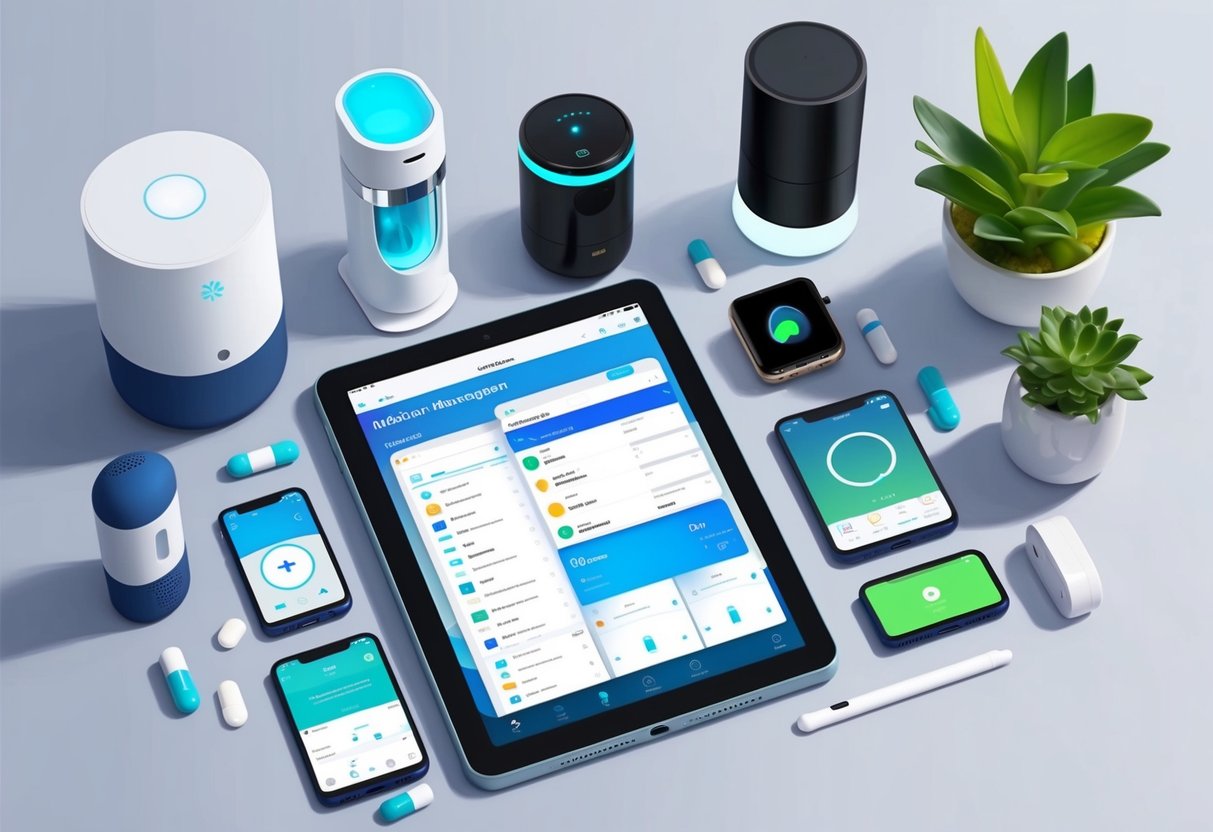 Have you ever wondered how easy taking care of medication could be with a little tech innovation? Online medication management can be a game-changer for those of us looking to make aging in place more convenient. It’s about working smarter, not harder. Picture this: having a digital assistant remind you to take your pills and even reorder them when supplies run low. These systems help you stay on top of your health without turning it into a full-time job. You essentially turn technology into your personal health secretary. Another benefit? Reducing the chances of accidental double-dosing or skipping medication. For anyone dealing with multiple prescriptions, this tool can provide peace of mind and help avoid costly mistakes. Managing medications with technology can also connect you with your healthcare providers. Through secure apps, easy communication with doctors and pharmacists becomes possible. This means getting advice or adjustments to your regimen doesn’t have to involve a visit every time. Plus, several platforms offer insights into your health trends. Having access to such data empowers you to make informed decisions about your health plan. This allows for a proactive approach rather than a reactive one. Investing time in understanding and using online medication management is a small step toward securing safety and assurance in aging. Isn’t it worth exploring how these simple tools can help keep the healthcare hassle at bay? The future of medication is online, and it’s here to help us manage it better.
8) Digital Financial Planning Tools
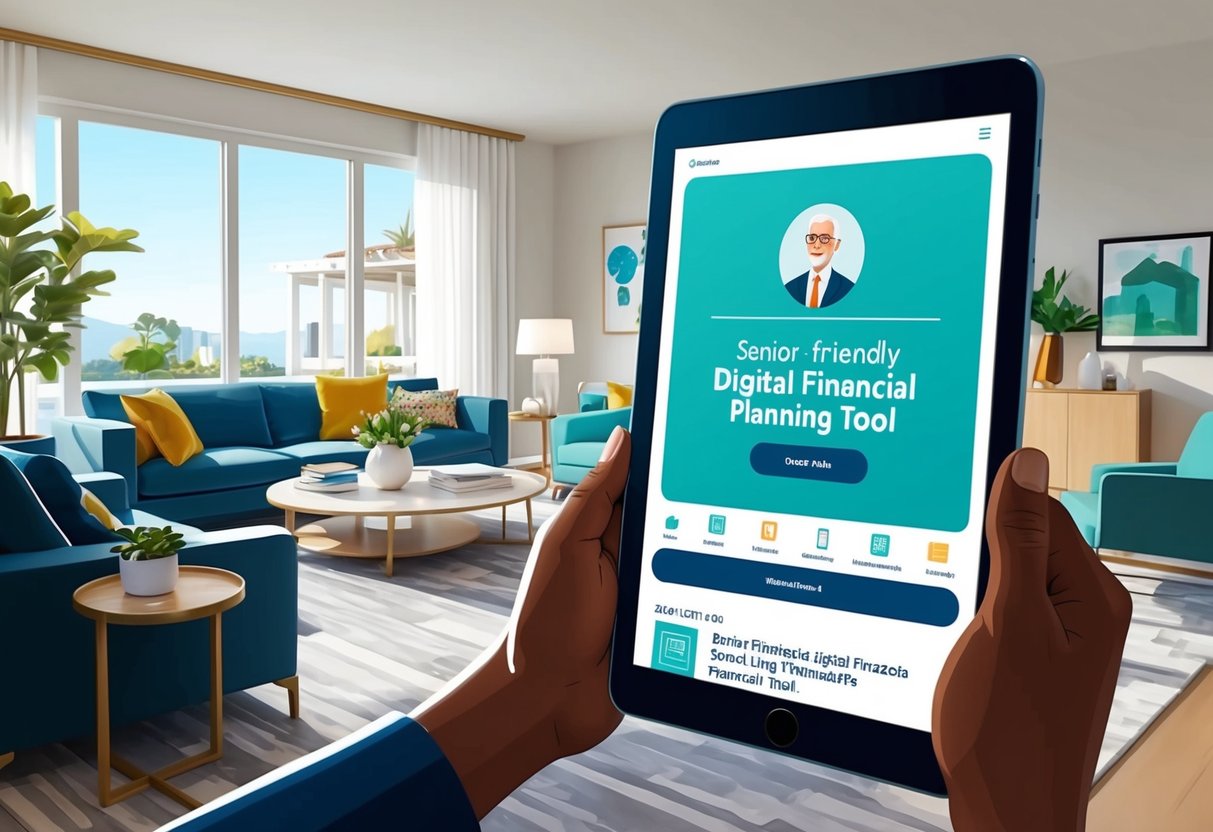 Have you ever wondered how to make managing your finances feel like a breeze rather than a burden? Digital financial planning tools offer that possibility. These tools transform how people plan for their financial futures, making the process simpler, faster, and more accurate. I’ve seen many people benefit from tools like Box and Google Drive that store important financial documents. Imagine having all your financial data in one place, easily accessible when you need it. This can save time and stress, especially during tax season or when making investment decisions. In my experience, using digital tools takes the guesswork out of financial planning. They often come with features that automate budgeting, track spending, and help with investment management. This not only boosts confidence but also provides a clear picture of where you stand financially. Who wouldn’t want that peace of mind? Some platforms also offer real-time updates and alerts. These can help you stay on top of bills and maintain a healthy credit score. Being proactive in managing your finances can lead to better financial health, allowing you to focus on what truly matters, like your family’s future. Choosing the right digital tool is crucial. Look for tools that are easy to use and fit your specific needs. Some may offer advanced features like retirement planning and tax optimization. The right tool can be a game-changer in achieving financial goals. Digital financial planning tools aren’t just about numbers. They’re about making informed choices. They’re about giving you control over your financial journey. Ready to take the next step with confidence?
Technological Advancements in Aging in Place
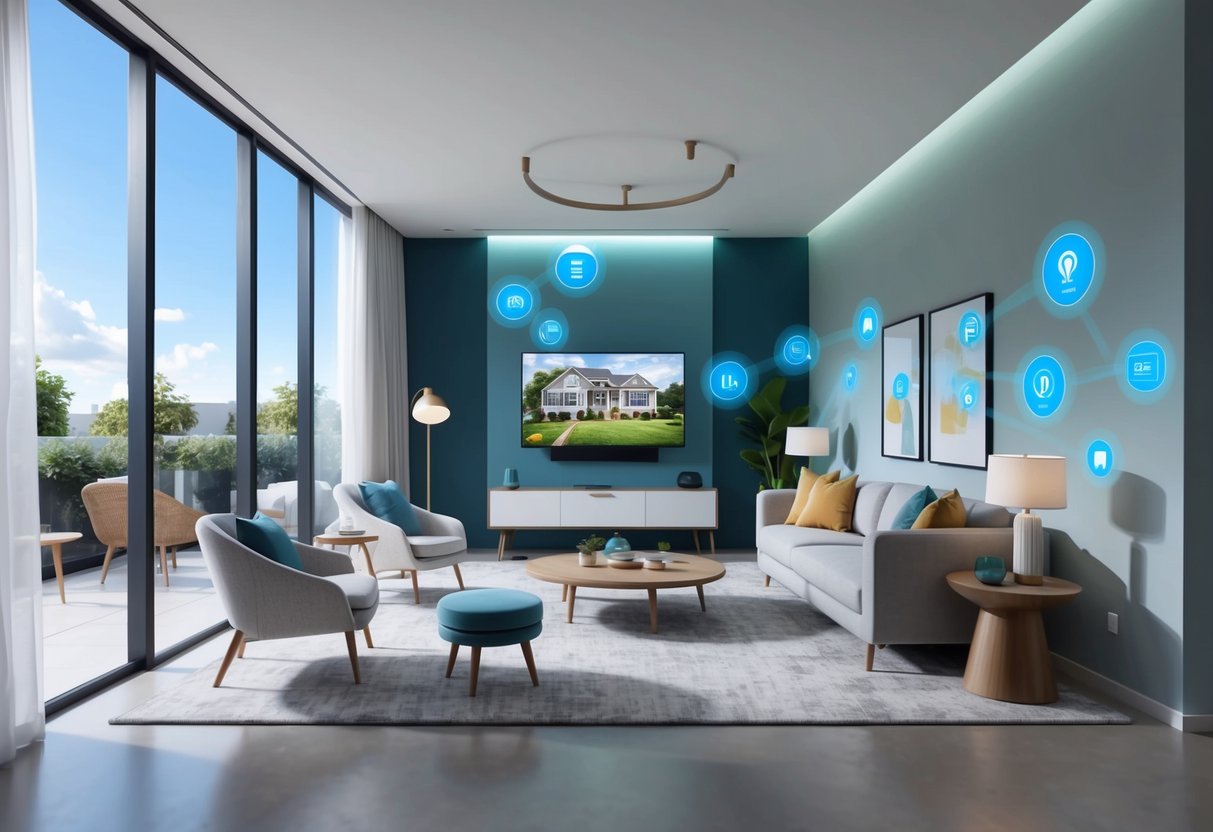 Technology plays a crucial role in making aging in place a comfortable reality. It offers smart home systems, integrates healthcare technologies, and ensures safety through monitoring solutions. Let’s dive into these advancements.
Smart Home Systems
Imagine a home that practically takes care of itself. Smart home systems are revolutionizing the way we live by automating everyday tasks. From voice-activated lights to smart thermostats, these devices save time and energy. They can be set to turn off appliances when not in use or adjust temperatures based on your preferences. Smart home systems also include security features like automated locks and surveillance cameras. These tools not only secure your home but also provide peace of mind. For those of us who prioritize time with family, these systems free up hours otherwise spent on mundane chores, allowing us to focus on what truly matters.
Healthcare Technology Integration
Healthcare technology has become more personalized and accessible. Devices now monitor vital signs like heart rate and blood pressure at home. Forget about the inconvenience of frequent doctor visits for routine checks; with wearable tech, you can share real-time health data with your healthcare provider. This allows for timely care and potentially better outcomes. Moreover, telemedicine platforms let you consult with doctors from the comfort of your home. This integration of technology with healthcare not only saves money but also reduces stress. Why waste time traveling and waiting when you can receive care where you feel most relaxed?
Safety Monitoring Solutions
Safety is non-negotiable, especially as we age. Technology now offers innovative safety monitoring solutions to ensure that you or your loved ones are well-protected. Motion sensors can detect falls, while alert systems can notify emergency contacts instantly. For individuals with specific health conditions, monitoring devices can track symptoms and provide immediate alerts. These solutions are life-enhancing, allowing family members to feel secure even when they aren’t physically present. With these tools, living independently doesn’t mean living isolated—it’s all about maintaining a safe and supported lifestyle.
Economic Impact of Aging in Place
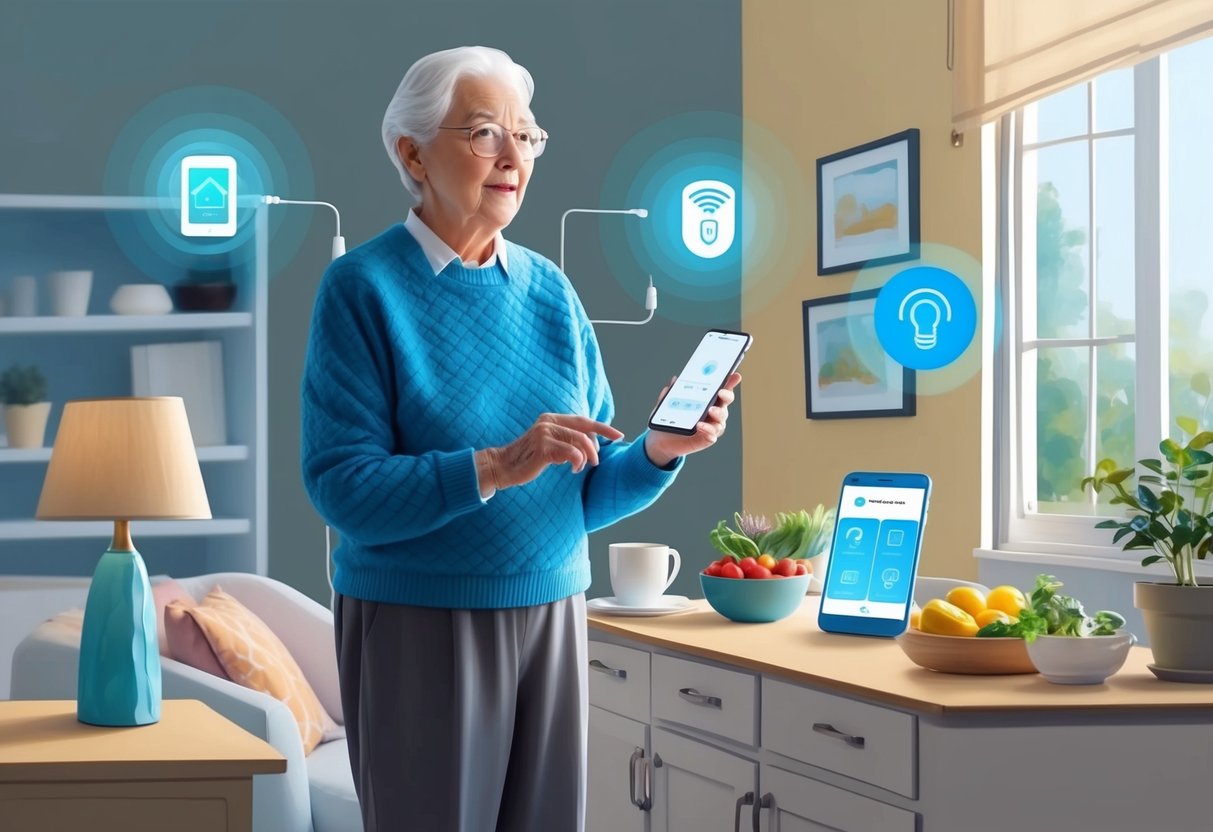 Aging in place can significantly influence financial stability by lowering costs and decreasing the need for expensive care facilities. This approach not only supports independence but also enhances financial planning, making it a smart choice for many.
Cost-Effectiveness of Aging at Home
Is it truly more cost-effective to age at home? Absolutely. By staying in one’s own house, many avoid the hefty expenses of assisted living or nursing homes. Think of home upgrades like installing grab bars or smart technology as investments rather than costs. Smart home devices can help monitor health and manage daily tasks, reducing the need for constant in-person care. Moreover, living at home minimizes repeat expenses. When considering the long-term benefits, these savings add up quickly. The financial advantage is clear—money spent on maintaining one’s home is often less than the ongoing costs of facility-based care. This approach can preserve resources for future needs or for passing on to loved ones.
Reducing Reliance on Care Facilities
Ask yourself, how much do care facilities truly cost? Not just financially, but emotionally as well. Transitioning to a care facility can be daunting, both for the individual and their family. By choosing to age in place, reliance on such facilities reduces significantly. This liberation is both economic and emotional, adding quality to life. Home care solutions such as home health aides or telehealth services offer necessary support without the need for full-time facility care. These options allow individuals to enjoy the comfort and familiarity of their own homes. By embracing technology and community support networks, many find they can delay or completely avoid the move to a care facility, saving significant money in the long run.