

Creating a legacy is more than just leaving behind material wealth; it’s about providing a future that supports and nurtures your loved ones. As someone who has been on this financial journey, I understand the importance of thinking beyond traditional investments. What if you could build a legacy that covers healthcare needs while also benefiting your family? In exploring ways to maximize your financial legacy, consider how small actions today can lead to significant outcomes for those you care about. Navigating the complexities of financial planning can seem daunting, but it doesn’t have to be. Whether you’re dealing with health insurance options or estate planning, there are strategies to ensure your family’s future is secure and prosperous.
1) Establish a Family Health Scholarship Fund
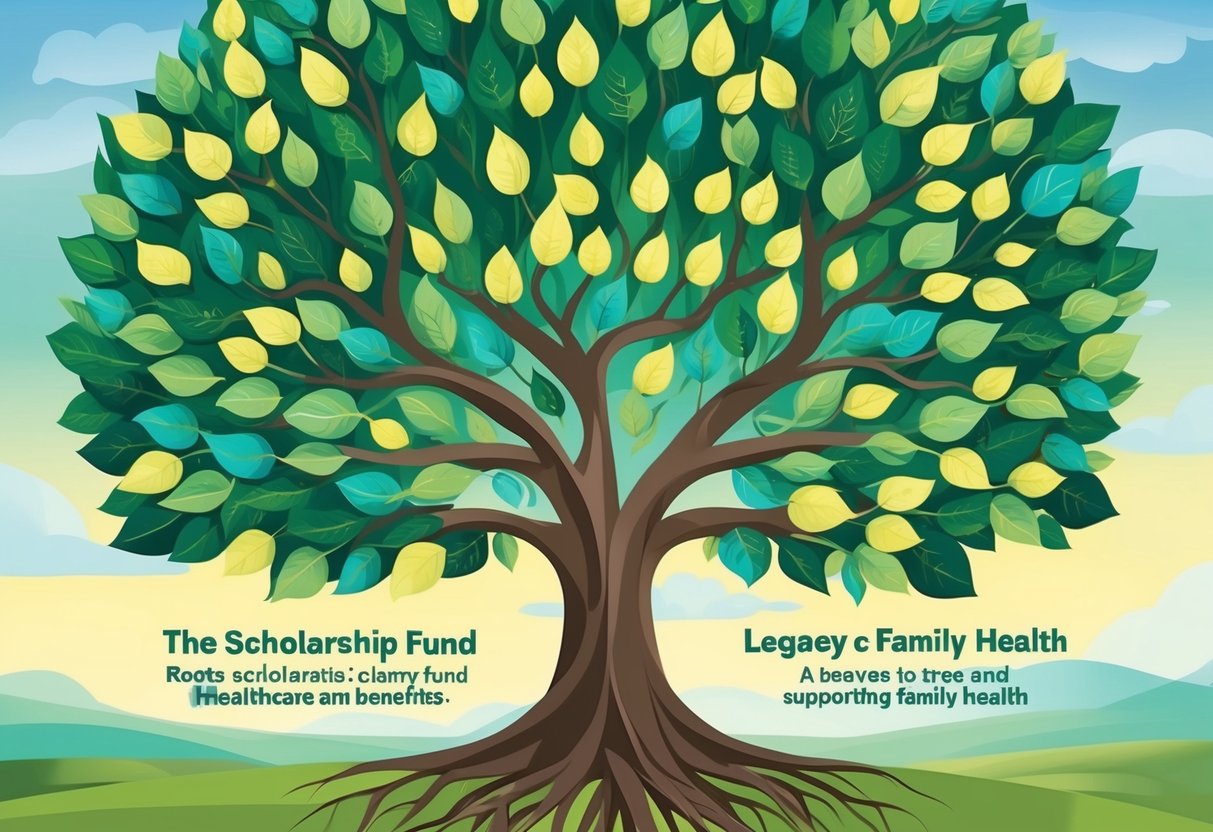 Have you ever thought about leaving a legacy that not only supports your family but also contributes to the greater good? Creating a family health scholarship fund could be a brilliant move. It’s a way to help aspiring healthcare professionals while also honoring family values and your commitment to health and education. Imagine a young person with dreams of becoming a nurse or doctor but lacking the financial means to pursue that path. By establishing a scholarship fund, I can help make those dreams a reality. Not only does this support the student, but it also indirectly impacts the lives they will touch in their future career. Why focus on healthcare? Health professionals are always in demand, and by supporting their education, I’m investing in the well-being of countless others. Plus, this can be an immensely satisfying way to channel my resources into something meaningful and enduring. Setting up a scholarship fund might seem daunting, but it’s more manageable than it sounds. I can start by partnering with a local community foundation, which can help handle administrative tasks. This way, I maintain some control over the criteria for selecting recipients without needing to manage the details myself. For more guidance, exploring resources like the University of Health Sciences can be invaluable. Another avenue is connecting the fund to my family’s story, perhaps in memory of a loved one. A personal connection can add a special touch, making the fund a living tribute. More detailed suggestions are available, like those found in articles such as How to Start a Scholarship Fund.
2) Create a Healthcare Trust for Long-term Support
 How can I ensure my family receives the healthcare they need without breaking the bank? Creating a healthcare trust could be the answer. This financial tool helps cover medical costs and provides peace of mind. A healthcare trust is like a savings account dedicated to medical expenses. By putting money aside now, I can protect my family against future health-related costs. This ensures that they have support even when unexpected expenses arise. It’s important to think about who will manage the trust. Trustworthy managers can make sure the funds are used wisely and transparently. I might also want to include specific guidelines on how the money should be spent. Healthcare trusts offer tax advantages. Depending on where I live, contributions might be tax-deductible. This is a great way to invest in my family’s health while also potentially easing my tax burden. Trusts aren’t just for medical costs. I can also use them to cover home care or long-term care facilities. This flexibility helps ensure my family’s health needs are always met. Sometimes, I feel overwhelmed thinking about the future. But setting up a healthcare trust is one step I can take today to secure my family’s tomorrow. It creates a financial safety net that can help us through life’s unexpected challenges. Isn’t it comforting to know that this simple measure can offer so much support? Take action today, and let the trust work for you and your family.
3) Invest in a Family Wellness Center
 When I think about creating a lasting legacy, investing in a family wellness center stands out. Imagine a place where health is prioritized for both present and future generations. The benefits of such an investment go beyond just physical health. They encompass emotional well-being and social connections. A family wellness center offers programs and activities that cater to all ages. From fitness classes to mental health support, everyone can find something valuable. Wouldn’t it be exciting to have a space where family ties are strengthened through shared activities and goals? Setting up a wellness center isn’t just about the physical building. It’s about creating a hub for wellness. I view it as an investment in our family’s future. Wellness strategies tailored to family needs are essential. It’s about promoting lifelong healthy habits. Additionally, such a center can serve as a community gathering spot. Connecting with other families and forging new relationships enhances social well-being. The contributions to the community can deepen our family’s legacy. Why not solidify our family name as a beacon of health and wellness? This idea could change the way our family is perceived by others. We might be seen as pioneers of health in our community. It also presents financial possibilities, with potential revenue streams from memberships and classes. Investing in a family wellness center is more than just a financial decision. It is a step toward creating a holistic, health-focused environment for current and future family members.
4) Gift Health Insurance Plans
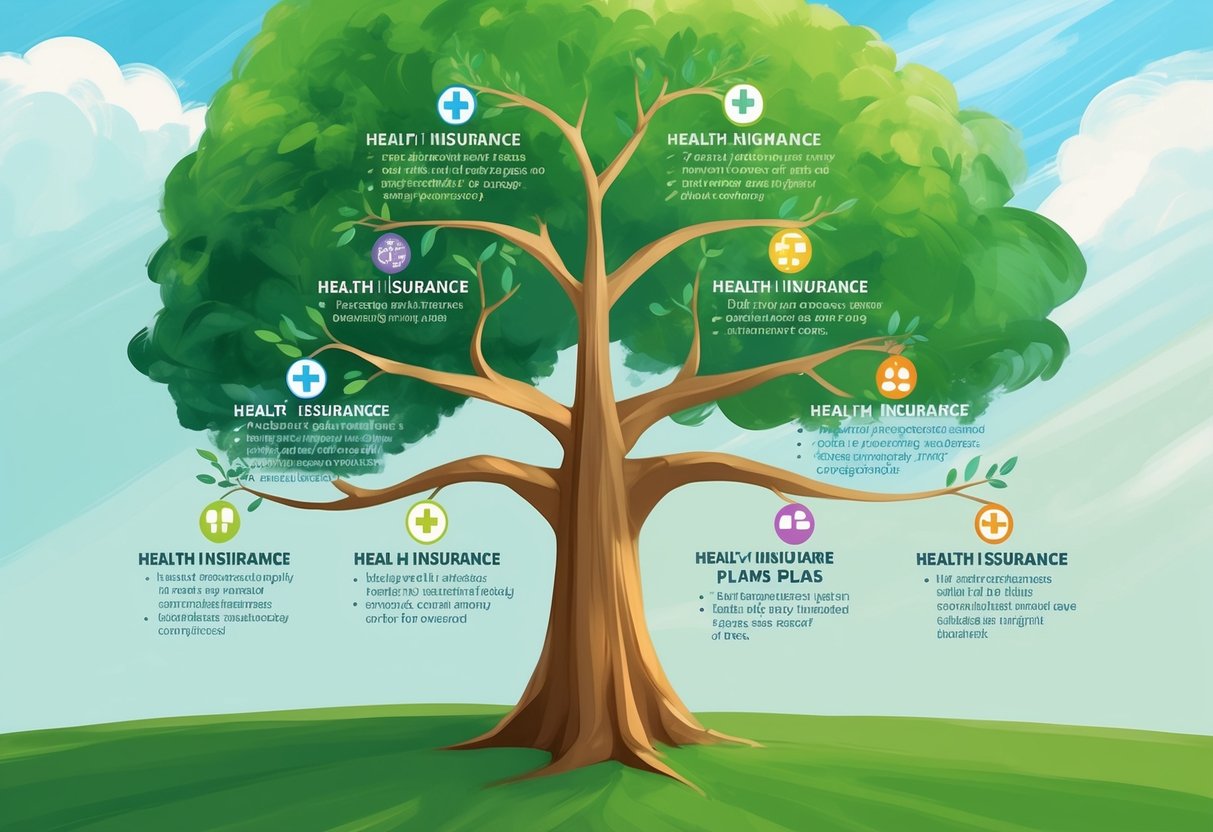 Have you ever considered turning health insurance into a lasting legacy? While it might not be the first thing that comes to mind, gifting health insurance plans can provide incredible benefits for family members. It’s about thinking outside the box and finding ways to secure the health and well-being of loved ones. Imagine giving your children or grandchildren the peace of mind that comes with having a solid health insurance plan. This can be a crucial step for their future, especially if they face unexpected medical needs. A well-planned health insurance gift can cover essential services, reducing their financial burden. By gifting a health insurance plan, you ensure that your family’s healthcare needs are well-managed. It allows them to focus on other important financial goals without the worry of medical expenses. This kind of support is more than just a present; it’s an investment in their long-term security. Some health insurance providers even offer specific plans designed for gifting purposes. These plans may include flexible options that cater to different family needs. Make sure to research and find plans that align with your family’s health priorities. Before choosing a plan, consider consulting with an insurance professional to tailor the best options for your family. It’s about making informed decisions that maximize benefits for your loved ones. Could there be a more thoughtful way to contribute to their well-being?
5)Support Medical Education for Future Generations
 Who will shape the future of healthcare? The medical students we nurture today. Investing in their education is not just a contribution to health; it’s a gift to society. It’s about creating a legacy that benefits both our families and the broader community. How can we impact medical education? Scholarships are an effective tool. They help aspiring doctors reach their potential, opening doors for those who might otherwise be left out. By supporting these scholars, we build a diverse and resilient healthcare workforce. What about innovative teaching methods? Generative AI is transforming how medical students learn, offering new ways to understand complex topics. Supporting these technologies can enhance learning, making education more accessible and effective for future doctors. I also see the importance of hands-on experience. Medical internships and fellowships allow students to apply classroom knowledge in real-world settings. Ensuring these opportunities are well-funded can dramatically enhance a student’s training and impact. Partnerships with medical institutions are another avenue. These collaborations can create programs that align with evolving healthcare needs. Contributing to such initiatives helps shape curricula that prepare students for the challenges ahead. Investing in future generations of medical professionals helps ensure they have the skills and resources needed to provide top-quality care. In supporting their journey, we’re building a healthcare system that not only serves us today but also stands strong for our children and grandchildren tomorrow. Isn’t that a legacy worth leaving?
6) Fund Preventative Health Initiatives
 Why wait for illness to strike when you can take action now? Funding preventative health initiatives is a powerful way to protect your family and build a legacy of health. Investing in prevention not only keeps us healthier but also reduces long-term medical costs. Think about setting aside funds for regular check-ups, screenings, and vaccinations. These basic steps can identify issues before they escalate into costly health problems. What’s more valuable than your family’s well-being? Consider supporting community programs that aim to improve health. Engaging with these initiatives can amplify your impact. The CDC offers insights into public health strategies that address major health challenges. Businesses can also play a role by promoting preventative healthcare among employees. Encouraging regular health assessments at work boosts morale and productivity, benefiting both workers and employers. This proactive approach creates a healthier environment for everyone. Interested in how businesses can contribute? Check out this piece on preventative health in the workplace. Ultimately, funding these initiatives is about more than just money. It’s a commitment to a healthier future. This not only benefits your family but also strengthens your community. Wouldn’t it be great to be remembered for supporting good health and well-being? Consider how much of a difference you can make by funding preventative health today.
7)Establish a Legacy of Nutrition Education
 Imagine passing down the gift of health to your family. Nutrition education isn’t just about teaching what to eat; it’s about educating generations on making informed choices. How can you ensure future generations are equipped to lead healthy lives? By embedding nutrition education into your legacy for your family. I believe that one important aspect is to start by including children in food choices and meal preparations. Simple tasks like grocery shopping or picking recipes can ignite curiosity about nutrition. Families can make it a fun and educational experience. Nutrition education should be accessible to all family members. Consider organizing workshops or inviting experts to talk about nutrition during family gatherings. It’s about involving everyone in a culture of health—not just telling, but showing how to make nutritious choices. Strengthen this legacy by influencing your community. Advocate for nutrition education in schools and local groups. Partner with community leaders to establish programs that address healthy eating habits. A strong public system benefits everyone, and it becomes part of your family’s culture. Professionals in healthcare also play a role. They can often provide valuable insights into effective nutrition strategies. Leverage their expertise by participating in or supporting local nutrition education programs. Show your commitment to health and well-being by sharing these resources with family and friends. Passing down such a legacy doesn’t require a massive financial investment. Instead, plant the seeds of knowledge and nurture them with care. Over time, these seeds grow into habits and traditions that shape healthier futures for your family. How fulfilling would it be to know your influence on health continues beyond your years?
Understanding Healthcare Legacies
 A healthcare legacy connects the wealth of knowledge and values formed through personal health experiences to the benefit of future generations. This provides both a roadmap for family wellbeing and a clear understanding of health history, guiding informed healthcare choices.
The Importance of a Healthcare Legacy
Why consider a healthcare legacy? It’s about empowering future generations with insights into health patterns and risks. When I look back at family health stories, I see valuable lessons that guide preventative measures. Sharing a health legacy builds stronger family connections. It isn’t just about statistics in a medical file. It’s about understanding my own health journey and passing on the good and the bad. Transparency is key. With each piece of health information I share, I open the door for my descendants to make informed decisions. Embracing technology to document securely becomes a cornerstone, ensuring this vital information is always available and safe, creating a lasting impact.
Key Components of a Sustainable Legacy
Establishing a sustainable healthcare legacy starts with three main elements: documentation, communication, and continuity. By documenting my health experiences and conditions, I paint a clear picture for those who come after me. Communication with family is crucial. Having regular discussions ensures that everyone knows the importance of this information. It’s more than just medical records; it’s about engaging with loved ones to foster understanding and action. Ensuring continuity means keeping this information updated. I use digital tools to store and share data, adapting with advancements like secure storage platforms. This not only safeguards the legacy but makes it readily accessible, empowering my family with knowledge that transcends generations. What legacy will you leave behind?
Incorporating Family Benefits
 When planning for a lasting family legacy, it’s crucial to consider family benefits that ensure security and inclusion. Doing so can provide peace of mind and support for both current and future generations.
Ensuring Long-Term Family Security
How can we make sure our family’s future is secure? One key step is including comprehensive family health benefits. This can cover everything from routine medical check-ups to major medical procedures, ensuring that our loved ones are well cared for. Another way to ensure security is through family-building benefits. These benefits, which include fertility treatments, adoption assistance, and surrogacy support, help meet diverse family needs. They not only provide financial support but also peace of mind. Moreover, flexible caregiver leave policies are crucial. These allow family members time off to care for children or elderly relatives without the fear of losing their jobs or income. Considering life insurance can contribute to long-term security. By providing a financial safety net, life insurance can cover future expenses like education or healthcare, giving your family a secure foundation.
Strategies for Inclusive Family Care
Why should inclusivity matter in family benefits? Inclusivity ensures that all family members feel valued and supported, regardless of their backgrounds or family structures. Offering broad family benefits, like caregiver leave and assistance for adoption or surrogacy, empowers us to support diverse family needs. Implementing flexible spending accounts (FSAs) for health-related expenses provides flexibility. Families can use these accounts to cover various healthcare costs, from prescription medications to fertility treatments. On top of that, I believe offering educational resources and support groups can be instrumental. These tools educate families about available benefits and provide emotional support, making the journey smoother and more manageable. By fostering an inclusive approach and understanding diverse family needs, we can build a family legacy that everyone benefits from and appreciates.