
When it comes to shaping a lasting legacy, involving the family in charitable planning can be transformative. Have you ever wondered how to pass down not just wealth, but values and intentions? Bringing family members together to plan charitable efforts can ensure these values echo through generations.  This article is about making philanthropy a family affair. It’s not just about writing checks or starting funds; it’s about creating a shared mission that binds the family in a meaningful way. By focusing on this approach, you can use your hard-earned success to empower and inspire your loved ones.
1) Host a Family Meeting
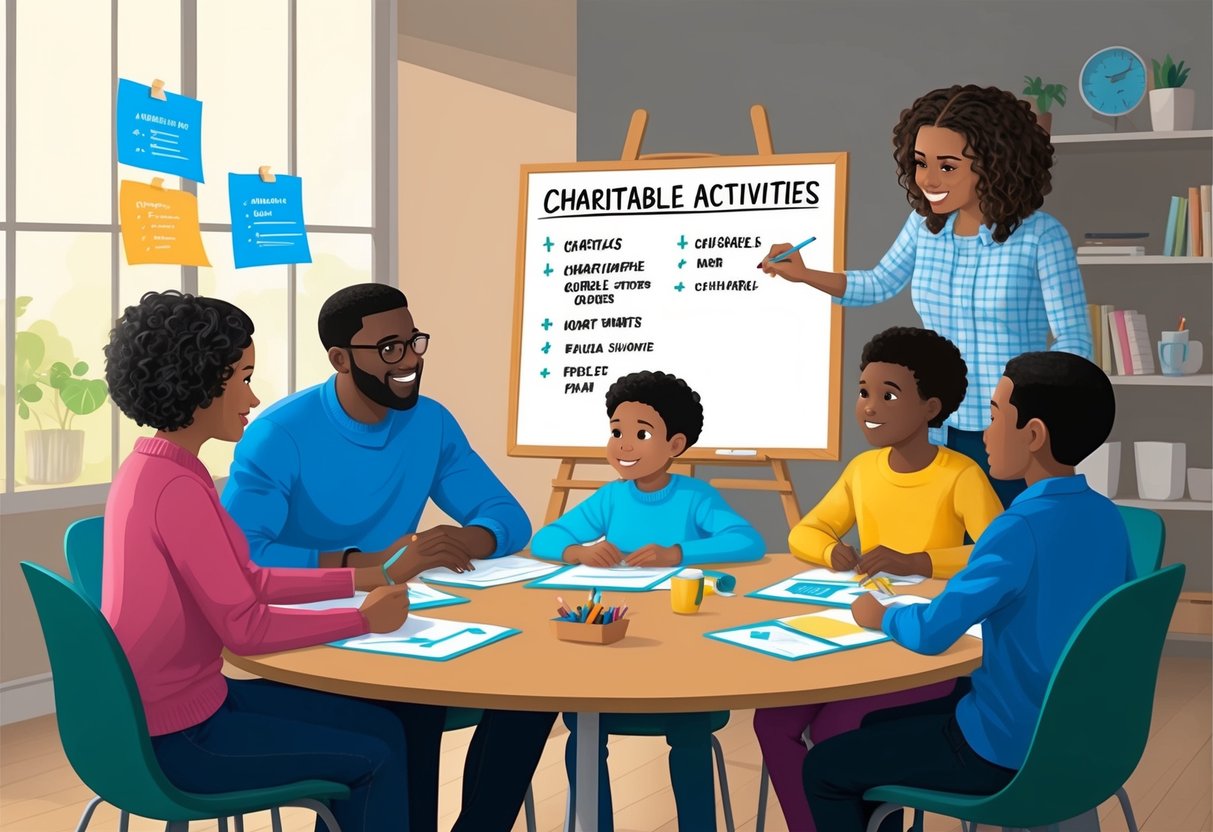 Imagine a room full of your family, each member ready to share their ideas and goals. Hosting a family meeting is the first step to engaging everyone in your charitable legacy planning. It creates a space where everyone can speak freely about their wishes for family giving. Why is a family meeting important? It allows everyone to be heard and reaffirms that every opinion matters. Encourage family members to articulate their individual goals. This is not just about money; it’s about values, dreams, and future aspirations. Start by setting a clear agenda to guide the discussion. Include topics like family values, specific charities, and how you want to give back to the community. Consider inviting an advisor to help facilitate discussions and offer expert insights. Use this meeting to establish a shared vision. Discussing different perspectives can lead to a more unified approach. When each person understands the family’s philanthropic goals, it strengthens your bond and ensures everyone’s on the same page. A successful meeting leaves room for follow-up. Agree on the next steps and set a date for the next gathering. This keeps the momentum going and shows everyone that their involvement is ongoing. Plan for these meetings to be a regular part of your family’s journey. By doing so, you create a lasting legacy of giving that future generations will appreciate. It’s more than just a meeting; it’s the beginning of a deeper family connection.
2) Create a Shared Vision Board
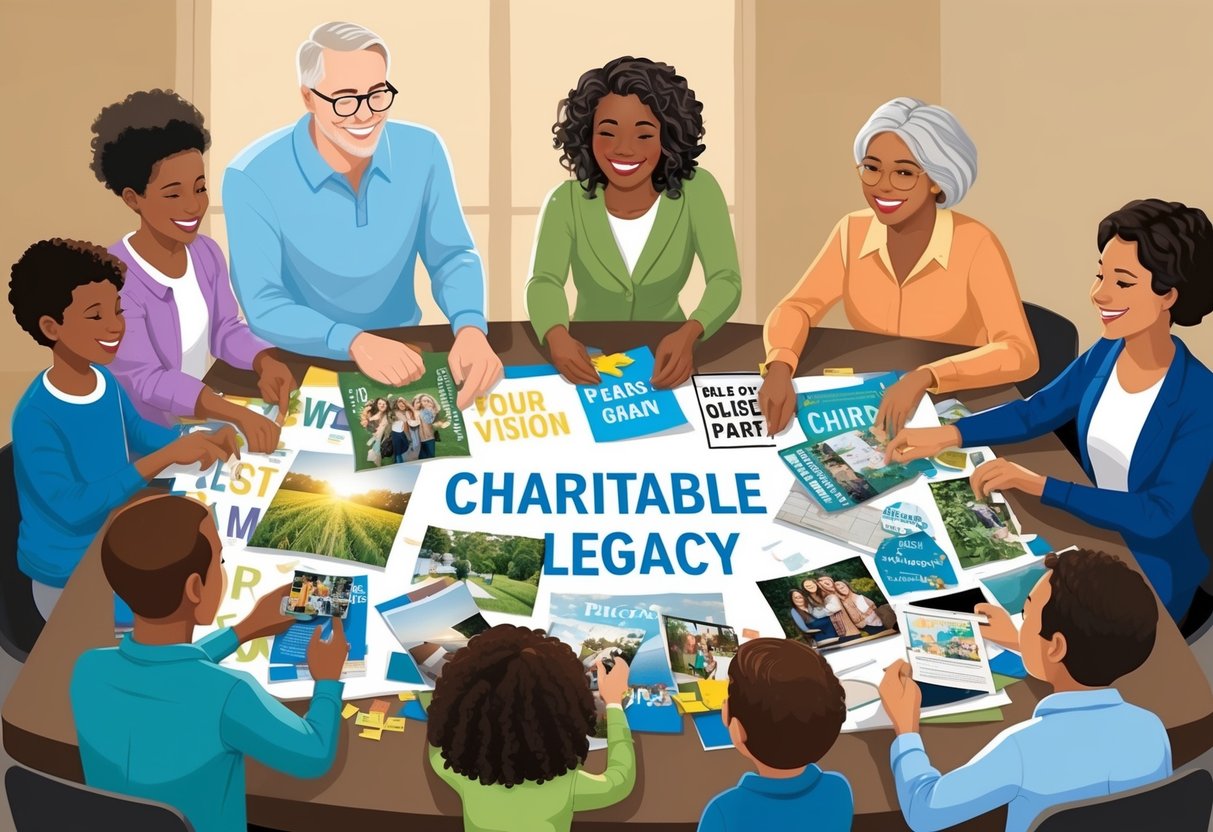 When it comes to legacy planning, why not make it visual? Have you ever noticed how powerful imagery can be? Creating a shared vision board can bring clarity to your goals. It’s not just about throwing images on a board; it’s about crafting a family legacy that resonates with each member. Start by gathering your family together. Imagine everyone sitting around, discussing dreams and aspirations. It’s essential to ensure that each family member has a voice in this. After all, who doesn’t want to be heard and valued? Use pictures, words, and symbols that capture what your family wants to achieve together. A vision board isn’t just about future aspirations. It reminds us of what we already value. Include moments and accomplishments you cherish. This will help keep everyone motivated and focused on the journey ahead. It’s a blend of where you’ve been and where you’re heading. Choosing the right format for your vision board is crucial. Are you more hands-on or tech-savvy? If you love a tactile experience, go for a physical board. Cut out images from magazines, glue them together, and hang it where everyone can see. Digital boards work too. Use a platform like Creately, which offers templates and easy sharing options. The beauty of a shared vision board is its flexibility. Don’t be afraid to revisit it and make changes as your family’s goals evolve. It isn’t set in stone; life is dynamic, and so should be your board. This way, it stays relevant and continues to inspire. Most importantly, a shared vision board strengthens family bonds. It acts as a constant reminder of your joint efforts and dreams. Keeps everyone aligned, working towards a common purpose. What better way to plan a charitable legacy than to see it visualized right there in front of you?
3) Encourage Storytelling of Past Charitable Acts
 I believe stories have power. They connect us and inspire future generations. By sharing stories of past charitable acts, your family can create a rich tapestry of giving that motivates everyone involved. Do you remember the time you helped build a playground in your community? These moments become part of your family’s legacy. To get started, gather your family and encourage each person to share their most memorable charitable experience. Why did it matter so much? What impact did it create? This isn’t just about remembering facts; it is about reliving the emotions and lessons from those acts. You might be surprised by what you learn from each other. Make storytelling a regular tradition. Maybe during family gatherings or holidays, take turns sharing new stories or reflecting on past ones. These sessions foster a sense of pride and connection to the values your family holds dear. You can also record these stories, creating an archive that future generations can look back on. Remember, it’s not about boasting. It’s about recognizing how generosity is woven into your lives. Sharing these stories can also help identify common themes and values your family wants to emphasize in your philanthropic goals. By linking past experiences with future plans, you build a cohesive giving strategy. Ultimately, it is this storytelling that transforms giving into a shared journey. You are no longer just individuals making donations. You become a team, aligning your efforts for greater impact and satisfaction. What’s the next story your family is eager to write?
4) Set Up a Family Foundation
 Ever thought about creating a lasting legacy for your family? A family foundation might just be the answer. It’s a way to make your charitable giving more structured and impactful. Why rely on traditional methods when you can take control and design how your family contributes to society? Setting up a family foundation allows flexibility. You can decide whether to fund it with cash, stocks, or real estate. This approach lets you strategize on how and when you want to give. Plus, it can be a vehicle to involve family members in decision-making and giving, which strengthens bonds. Having a foundation can also help in tax planning. By using assets strategically, you may reduce tax liabilities while supporting causes your family cares about. Isn’t that a satisfying way to manage both your philanthropy and finances? When family members come together to manage the foundation, it becomes a learning ground. It’s an opportunity for younger generations to understand responsibilities, ethics, and financial management. Doesn’t it feel good to pass on these valuable skills? Choosing the right people for the board is crucial. You might include family members or look for professionals with expertise that aligns with your foundation’s goals. This blend of personal and professional input can enhance the foundation’s impact. Some might ask if it’s necessary to commit at least 5% of assets to grants each year. Yes, federally regulated private foundations have this requirement, providing a consistent way to contribute to your chosen causes. Wouldn’t knowing your family is making a difference each year bring peace of mind? Setting up a family foundation involves legal work, but it’s an investment in your family’s future. It’s not just about funds; it’s about creating a living legacy. Who wouldn’t want to leave such an impactful mark on the world? For more detailed guidance on how a family foundation can serve as a living legacy and create family involvement, you can explore this resource.
5)Plan a Family Volunteer Day
 How do you create shared experiences with your family while doing good for others? Organizing a Family Volunteer Day might be the answer. It offers a hands-on opportunity to work together and make an impact. Imagine the conversation around the dinner table after spending time united by a common cause. Start by picking a cause that resonates with everyone. It might be aiding a local food bank, supporting animal shelters, or cleaning up a nearby park. When each family member is passionate about the cause, the enthusiasm is infectious. Everyone is more likely to put in their best effort. Think about dividing tasks according to everyone’s strengths and interests. This ensures that each person has a role they enjoy, making the experience more rewarding. It’s not just about the work; it’s about appreciating what each person brings to the table. Make sure to talk to the organization ahead of time. Whether you’re helping at an animal shelter or participating in a community clean-up, coordination is key. Confirm dates, times, and any needed materials or supplies. This helps avoid last-minute stress and ensures everything runs smoothly. Finally, reflect on the day as a family. Discuss what you learned and how it made you feel. It’s not just about giving back but also about connecting with each other and the community. Planning a Family Volunteer Day can create lasting memories and possibly ignite a passion for service that continues beyond just one day.
Understanding Charitable Legacy Planning
 Charitable legacy planning offers a way to create long-lasting impact and reflect personal values through giving. By involving family, these efforts can strengthen bonds and ensure shared values are passed on. It’s important to consider both the benefits and the key factors that influence how family involvement unfolds.
Benefits of Involving Family
Involving family in charitable legacy planning can transform giving from a solitary task into a rich, shared experience. By engaging family members, you foster a culture of giving, which can inspire the next generation. When children and grandchildren are included, they learn firsthand about the values and beliefs that drive charitable decisions. This collaborative approach also helps prevent conflicts, as family members have a clear understanding of your intentions. Open discussions about why certain charities are chosen and how funds are allocated can minimize misunderstandings. This transparency not only aligns family efforts but also builds trust and ensures that everyone feels involved and valued in the decision-making process.
Key Considerations
To involve your family effectively, start by identifying common values and goals. This unity can guide which causes to support and how to structure giving. Consider organizing regular family meetings to discuss philanthropic strategies and explore options like donor-advised funds. These meetings are chances to educate younger family members about financial responsibilities and charitable giving. Communication is crucial. It’s essential to articulate your vision and encourage input from all parties. This can be a time to share stories, lay out expectations, and ensure that everyone’s voice is heard. Taking the time to listen can lead to more meaningful experiences for everyone involved and foster a philanthropic spirit that lasts for generations.
Strategies for Effective Family Engagement
 When involving your family in charitable legacy planning, it’s crucial to focus on communication and consensus. These elements help ensure that every family member feels valued and involved.
Communication Techniques
Clear communication is the cornerstone of successful family engagement. How do we ensure everyone is on the same page? I start by scheduling regular family meetings. These meetings are informal but structured, allowing everyone to voice their opinions. I find that using open-ended questions encourages discussion. For example, asking “What causes do you feel passionate about?” rather than yes or no questions. I also emphasize active listening. When I show genuine interest in what others are saying, it fosters a sense of trust. I keep notes and share them with the family afterward. It helps maintain transparency and ensures we remember the key points discussed.
Building Family Consensus
Reaching a consensus involves finding common ground among differing opinions. Have you ever tried decision-making strategies like voting? I use simple voting to prioritize charitable causes. This democratic approach often brings clarity. I find setting clear criteria for decision-making helpful. Consider what aligns with the family’s values and long-term goals. By doing this, everyone has a framework to guide choices, reducing potential conflicts. Sometimes, agreeing on smaller decisions first can pave the way for more significant agreements. Emphasizing mutual respect and shared goals ensures a smoother process.